

Motmot

オオシチチョウ 対 キバラカエデチョウ

Spermestes fringilloides 対 Coccopygia melanotis

オオシチチョウとキバラカエデチョウのクイズ
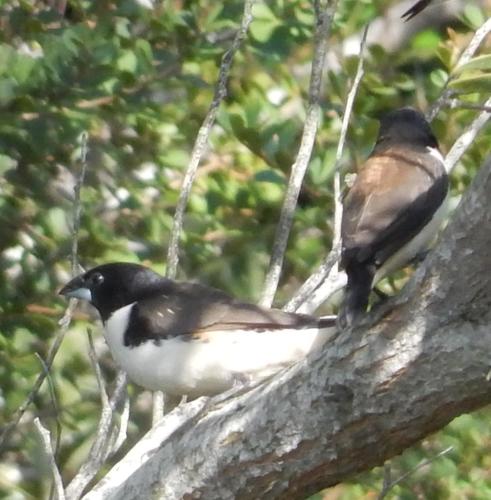
オオシチチョウ (Spermestes fringilloides) オオシチチョウ
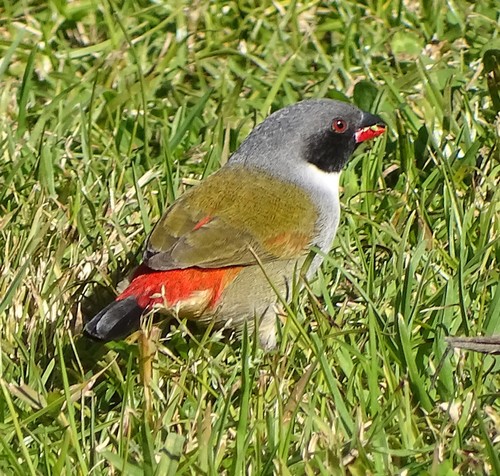
キバラカエデチョウ (Coccopygia melanotis) キバラカエデチョウ

メディア

読み込み中…

要点

オオシチチョウとキバラカエデチョウを区別する最も信頼できるフィールドマークは全体の羽色パターンです:オオシチチョウは目を引く黒と白のコントラストを示しますが、キバラカエデチョウはオリーブ、灰色、黄色のトーンでより微妙に色付けされ、特徴的な赤い尾羽があります。幼鳥のキバラカエデチョウは混乱を招くほど鈍い色合いですが、オオシチチョウの大胆な黒と白のパターンは欠けています。くちばしの色と顔のパターンも役立ちます、特に成鳥において。両者は小型のエストリルディッドフィンチですが、キバラカエデチョウはわずかに小さく、南アフリカではより一般的で、しばしば小さな群れで見られます。

識別のコツ

  1. Plumage contrast is key: オオシチチョウは常に大胆な黒と白のパターンを示し、暗い頭と側面、白い腹と尾羽を持っています。キバラカエデチョウは、幼鳥であってもこのように鮮明なパターンを持つことはありません。
  2. Face pattern (adult males): オスのキバラカエデチョウは灰色の頭と胸と対照的な黒い顔を持ち、オオシチチョウの頭は全体の黒と白のパターンの一部です。メスのキバラカエデチョウは灰色の顔を持ち、遠くから見ると鈍いオオシチチョウと混同されることがありますが、はっきりしたコントラストはありません。
  3. Bill color: 成鳥のキバラカエデチョウは二色のくちばし(上は黒、下は赤)を持ち、幼鳥は全体が黒いくちばしを持っています。くちばしの色はオオシチチョウにはあまり役立ちませんが、赤い下顎がないことはキバラカエデチョウに対する手がかりです。
  4. Juvenile confusion: 幼いキバラカエデチョウは鈍く、全体が黒いくちばしを持っていますが、それでもオオシチチョウのようなパターンは欠けています。非常に地味なオリーブ灰色のフィンチで強い黒と白のコントラストがない場合、それは幼鳥のキバラカエデチョウの可能性が高いです。
  5. Rump color: キバラカエデチョウ(全ての年齢)は赤い下背部と尾羽を示し、良い光や飛行中に見えます。オオシチチョウには赤い尾羽はありません。
  6. Underparts: キバラカエデチョウは淡い黄色の腹を持ち、オオシチチョウの腹は白です。光が悪いとこれは微妙ですが、オオシチチョウには黄色の洗いがありません。
  7. Back and wing color: キバラカエデチョウはオリーブ色の背中と翼を持ち、オオシチチョウの背中は暗く、頭と側面とより均一です。
  8. Tail color: 両種とも暗い尾を持っていますが、キバラカエデチョウの尾は黒で赤い尾羽と対照的であり、オオシチチョウの尾は黒と白の体に溶け込んでいます。
  9. Size and structure: キバラカエデチョウはわずかに小さく、より華奢に見えることがありますが、サイズの重なりはかなりあります。サポートマークとしてのみ使用してください。
  10. Behavior: キバラカエデチョウは一般的で、飼いならされており、しばしば小さな群れで見られ、時には庭にいます。オオシチチョウはまばらで、耕作された地域では見られる可能性が低いです。
  11. Habitat: 南アフリカでは、キバラカエデチョウがはるかに一般的で、特に庭や高地の低木に生息しています。オオシチチョウはより自然な低地の低木地帯や草地を好みます。
  12. Voice: もし柔らかい「スウィー、スウィー」という声を聞いたら、これはキバラカエデチョウの診断的な特徴です。沈黙や不明な呼び声はオオシチチョウを確認するためには使えません。
  13. Sex differences: オスのキバラカエデチョウだけが黒い顔を持っています。メスと幼鳥はより灰色で、他の鈍いエストリルディッドと混同されることがありますが、大胆なオオシチチョウとは混同されません。
  14. No strong flight marks: 両種とも、情報源には特徴的な上翼や飛行パターンは示されていないため、飛行中は全体の色と尾羽に頼ってください。
  15. Season and molt: どちらの種にも季節的な羽色の変化は記載されていません。主な混乱は鈍い幼鳥、特にキバラカエデチョウにあります。

大きさ

両種は小型のエストリルディッドフィンチですが、キバラカエデチョウはわずかに軽く、典型的な成鳥の体重は7.8gです [wikidata]。オオシチチョウの直接的な体重データは提供されていませんが、両者は他の小型のワックスビルやマニキンとサイズが似ています。フィールドでは、サイズだけでは強い区別にはなりませんが、キバラカエデチョウは少し華奢に見えるかもしれません。

羽色

すべての年齢のオオシチチョウは大胆な黒と白の羽色を示し、暗い頭、胸、側面と白い腹、尾羽との間に強いコントラストがあります。このパターンは特徴的で、飛行中や遠くからでも見えます。成鳥のキバラカエデチョウははるかに微妙に色付けされています:オスは灰色の頭と胸、黒い顔、オリーブ色の背中と翼、淡い黄色の腹、赤い下背部と尾羽、黒い尾を持っています。メスは黒い顔がなく、代わりに灰色の顔を示します。幼鳥のキバラカエデチョウは全体的に鈍く、全黒のくちばしを持っていますが、それでもオオシチチョウのような黒と白のパターンは欠けています。情報源には、どちらの種にも年齢特有の上翼や飛行パターンのマークは記載されていません。

行動

キバラカエデチョウは通常、小さな群れで見られ、飼いならされており、しばしば開けた場所や大きな庭で餌を探しています。オオシチチョウはまばらで、大量に遭遇する可能性は低いです。どちらの種も大きな群れを形成することはありませんが、キバラカエデチョウは群れで見られる可能性が高いです。両種は種子を食べ、低い植生の中で餌を探します。

生息環境

オオシチチョウは亜熱帯および熱帯の低地の湿った低木地帯、森林、乾燥した草地に分布しています [wikipedia]。キバラカエデチョウは南アフリカ原産で、高地の乾燥した低木地帯や開けた森林を好みますが、一部の亜種は低地や大きな庭にも生息しています。キバラカエデチョウは南部地域や耕作されたまたは庭の生息地で見られる可能性が高く、オオシチチョウはより自然な低木地帯や草地に制限されています。

声

キバラカエデチョウは柔らかい「スウィー、スウィー」という呼び声を持ち、聞かれた場合は特徴的です [wikipedia]。情報源にはオオシチチョウの声の記述は提供されていません。したがって、キバラカエデチョウの呼び声は聞かれた場合、役立つサポートマークとなりますが、沈黙や不明な呼び声はオオシチチョウを確認するためには使用すべきではありません。

より良い説明を送る

比較と同じ項目を使ってください。文章はすぐに公開されます。

The most reliable field mark to separate Magpie Mannikin from Swee Waxbill is overall plumage pattern: Magpie Mannikin shows a striking black-and-white contrast, while Swee Waxbill is much more subtly colored with olive, grey, and yellow tones, and a distinctive red rump. Juvenile Swee Waxbills can be confusingly dull, but they lack the bold black-and-white pattern of Magpie Mannikin. Bill color and face pattern are also helpful, especially in adults. Both are small estrildid finches, but Swee Waxbill is slightly smaller and more common in southern Africa, often in small groups.

  1. Plumage contrast is key: Magpie Mannikin always shows a bold black-and-white pattern, with dark head and flanks and white belly and rump. Swee Waxbill is never this sharply patterned, even in juveniles.
  2. Face pattern (adult males): Male Swee Waxbill has a black face contrasting with a grey head and breast, while Magpie Mannikin's head is part of the overall black-and-white pattern. Female Swee Waxbill has a grey face, which can be confused with duller mannikins at a distance, but lacks the stark contrast.
  3. Bill color: Adult Swee Waxbill has a bicolored bill (black upper, red lower), while juveniles have an all-black bill. Bill color is less useful for Magpie Mannikin, but the absence of a red lower mandible is a clue against Swee Waxbill.
  4. Juvenile confusion: Young Swee Waxbills are dull and have an all-black bill, but still lack the magpie-like pattern. If you see a very plain, olive-grey finch with no strong black-and-white contrast, it's likely a juvenile Swee Waxbill.
  5. Rump color: Swee Waxbill (all ages) shows a red lower back and rump, which is visible in good light or in flight. Magpie Mannikin does not have a red rump.
  6. Underparts: Swee Waxbill has a pale yellow belly, while Magpie Mannikin's belly is white. In poor light, this can be subtle, but the yellow wash is absent in Magpie Mannikin.
  7. Back and wing color: Swee Waxbill has olive back and wings; Magpie Mannikin's back is darker and more uniform with the head and flanks.
  8. Tail color: Both species have dark tails, but Swee Waxbill's is black and contrasts with the red rump, while Magpie Mannikin's tail blends into the black-and-white body.
  9. Size and structure: Swee Waxbill is slightly smaller and may appear daintier, but size overlap is considerable. Use only as a supporting mark.
  10. Behavior: Swee Waxbill is common, tame, and often in small groups, sometimes in gardens. Magpie Mannikin is sparser and less likely in cultivated areas.
  11. Habitat: In southern Africa, Swee Waxbill is much more likely, especially in gardens and upland shrub. Magpie Mannikin prefers more natural, lowland shrubland and grassland.
  12. Voice: If you hear a soft 'swee, swee', this is diagnostic for Swee Waxbill. Silence or unfamiliar calls do not confirm Magpie Mannikin.
  13. Sex differences: Only male Swee Waxbill has a black face; females and juveniles are greyer and can be confused with other dull estrildids, but not with the bold Magpie Mannikin.
  14. No strong flight marks: Neither species shows a distinctive upperwing or flight pattern in the sources, so rely on overall color and rump in flight.
  15. Season and molt: No seasonal plumage changes are described for either species; the main confusion is with dull juveniles, especially Swee Waxbill.

Both species are small estrildid finches, but Swee Waxbill is slightly lighter, with a typical adult body mass of 7.8 g [wikidata]. No direct mass data is provided for Magpie Mannikin, but both are similar in size to other small waxbills and mannikins. In the field, size alone is not a strong separator, but Swee Waxbill may appear a touch daintier.

Magpie Mannikin of all ages shows a bold black-and-white plumage, with a strong contrast between the dark head, breast, and flanks, and white belly and rump. This pattern is distinctive and visible even in flight or at a distance. Swee Waxbill adults are much more subtly colored: males have a grey head and breast, black face, olive back and wings, pale yellow belly, red lower back and rump, and a black tail. Females lack the black face, showing a grey face instead. Juvenile Swee Waxbills are duller overall and have an all-black bill, but still lack the magpie-like black-and-white pattern of Magpie Mannikin. No age-specific upperwing or flight pattern marks are described for either species in the sources.

Swee Waxbill is typically seen in small parties and is described as tame and common, often foraging in open areas or large gardens. Magpie Mannikin is sparser and less likely to be encountered in large numbers. Neither species forms large flocks, but Swee Waxbill is more likely to be seen in groups. Both species feed on seeds and forage low in vegetation.

Magpie Mannikin is found in subtropical and tropical lowland moist shrubland, forest, and dry grassland across Sub-Saharan Africa [wikipedia]. Swee Waxbill is native to Southern Africa and prefers upland dry shrubland and open forest, but some subspecies also occur in lowlands and even large gardens. Swee Waxbill is much more likely in southern regions and in cultivated or garden habitats, while Magpie Mannikin is more restricted to natural shrubland and grassland.

Swee Waxbill has a soft 'swee, swee' call, which is distinctive if heard [wikipedia]. No vocalization description is provided for Magpie Mannikin in the sources. Thus, Swee Waxbill's call can be a useful supporting mark if heard, but silence or unfamiliar calls should not be used to confirm Magpie Mannikin.

変更を破棄しますか?

保存していない編集があります。今離れると失われます。

オオシチチョウ · キバラカエデチョウ · 苦手な鳥