

Motmot

マジェンタミズナギドリ 対 オナガミズナギドリ

Pterodroma magentae 対 Ardenna pacifica

マジェンタミズナギドリとオナガミズナギドリのクイズ

マジェンタミズナギドリ (Pterodroma magentae) マジェンタミズナギドリ
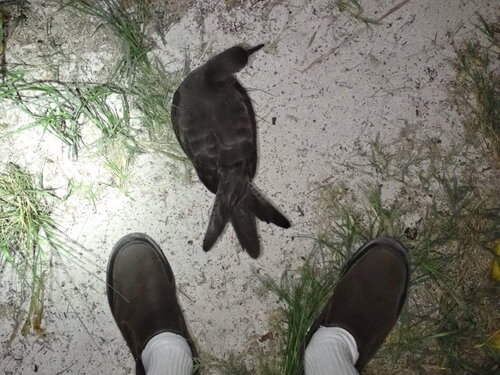
オナガミズナギドリ (Ardenna pacifica) オナガミズナギドリ

メディア

読み込み中…

要点

マジェンタミズナギドリとオナガミズナギドリの最も信頼できるフィールドマークは尾の形状です:マジェンタミズナギドリは通常の丸い尾を持ち、オナガミズナギドリは特に飛行中に目立つ明らかに長いくさび形の尾を示します。両者は中型の暗い頭を持つ海鳥で、白い腹部を持っていますが、マジェンタミズナギドリは茶色がかった灰色の頭と胸、茶色の下翼を持ち、オナガミズナギドリは全体が暗いものから淡い形態まで変化しますが、常にくさび形の尾とより均一に色付けされた下翼を示します。くちばしと脚の色も微妙に異なりますが、これらは遠くからは診断的ではありません。文脈と範囲が重要です:マジェンタミズナギドリはチャタム諸島に限定されており、オナガミズナギドリは熱帯の海洋全体に広がっています。

識別のコツ

  1. 尾の形状は唯一の最良のフィールドマークです:オナガミズナギドリは飛行中や止まっているときに明らかな長いくさび形の尾を持ち、マジェンタミズナギドリの尾は通常で丸いです。これはすべての年齢と形態で見ることができます。
  2. 下翼の色:マジェンタミズナギドリは白い腹部と対照的な茶色の下翼を示します;オナガミズナギドリの下翼は対照的ではないと記述されているので、特に淡い形態ではより均一な外観が期待されます。
  3. 頭と胸の色:マジェンタミズナギドリは茶色がかった灰色の頭、首、上胸を持ち、白い腹部と対照的です;オナガミズナギドリ(淡い形態)は似ていますが、灰色と茶色の頭と上部があまりはっきりと区別されておらず、暗い形態は均一に暗いです。
  4. くちばしの色:両種は暗いくちばしを持っていますが、マジェンタミズナギドリのくちばしは黒と記述されており、オナガミズナギドリのくちばしは暗いですが、やや強度が低く見えることがあります。これは遠くからはあまり役に立ちません。
  5. 脚の色:両者はピンクがかった脚を持っています(マジェンタミズナギドリ:ピンク;オナガミズナギドリ:サーモンピンク)ですが、これは近距離でのみ見ることができ、強いフィールドマークではありません。
  6. 羽毛の形態:オナガミズナギドリは淡い形態と暗い形態の2つの形態があります。暗い形態は均一に暗く見えることがあり、悪い光の中でマジェンタミズナギドリと混同されることがありますが、くさび形の尾は常に診断的です。
  7. 飛行スタイルと構造:オナガミズナギドリは尾の形状により、飛行中に長い尾を持ち、より流線型に見えることがあります。マジェンタミズナギドリは丸い尾を持つ典型的なミズナギドリの姿勢を持っています。
  8. 範囲と文脈:チャタム諸島の外で観察された場合、ほぼ確実にオナガミズナギドリです。マジェンタミズナギドリはチャタム諸島に限定されており、非常に珍しいです。
  9. コロニーの行動:オナガミズナギドリは大きなコロニーや群れで見られることが多いですが、マジェンタミズナギドリは孤独で秘密主義です。
  10. 鳴き声:長いうめき声で吸い込みと吐き出しの音が聞こえた場合、それはオナガミズナギドリです。マジェンタミズナギドリの鳴き声は記述されていないため、静かであっても役に立ちません。
  11. 繁殖生息地:マジェンタミズナギドリは密な森林の巣穴で繁殖します;オナガミズナギドリは巣穴や覆いの下に巣を作り、しばしば開放的な島で繁殖します。
  12. 季節性:両種は南半球の春から夏に繁殖しますが、オナガミズナギドリの繁殖シーズンは他の熱帯ミズナギドリと重なることがあります。
  13. 落とし穴—暗い形態の混乱:暗い形態のオナガミズナギドリは悪い光の中でマジェンタミズナギドリに似て見えることがありますが、常に尾の形状を確認してください。
  14. 落とし穴—飛行中の下翼:白い腹部と対照的な茶色の下翼が見えた場合、マジェンタミズナギドリの可能性が高いです;均一な下翼はオナガミズナギドリの可能性が高いです。
  15. 信頼できるサイズの違いはない:両種は質量と体積が似ており、サイズに頼って分けることはできません。

大きさ

両種は体重がほぼ同じで、平均約465gです。フィールドでは、体積と長さが似て見えるため、サイズだけでは信頼できる区別にはなりません。両者は中型の海鳥であり、どちらも特に大きいわけでも小さいわけでもありません。

羽色

どちらの種にも、飛行中に診断的な年齢特有の上翼や幼鳥のパターンは記述されていません。成鳥のマジェンタミズナギドリは茶色がかった灰色の頭、首、上胸を持ち、白い腹部と茶色の下翼を持っています。くちばしは黒で、脚はピンクです。オナガミズナギドリは2つの形態があります:淡い形態は灰色がかった茶色の上部と頭を持ち、白い腹部を持ち、暗い形態は全体が暗い灰色がかった茶色です。両形態は暗いくちばしとサーモンピンクの脚を持っています。オナガミズナギドリの下翼は対照的またはパターン化されているとは記述されていないため、マジェンタミズナギドリの茶色の下翼と比較してより均一に見えることがあります。最も顕著な違いは尾です:マジェンタミズナギドリは通常の丸い尾を持ち、オナガミズナギドリは飛行中や滑空中に明らかに見える長いくさび形の尾を持っています。

行動

両種は外洋性で、巣穴に巣を作り、しばしば覆いの下にいます。マジェンタミズナギドリは非常に珍しく秘密主義で、チャタム諸島にのみ生息し、繁殖地から離れて見られることはほとんどありません。オナガミズナギドリははるかに一般的で、熱帯の海上で大きな群れで見られることが多く、夜間にコロニーに出入りします。両種は一夫一妻制で、抱卵の役割を共有しますが、オナガミズナギドリは水面でくつろいでいるか、群れで飛んでいるのが見られることが多いのに対し、マジェンタミズナギドリは孤独で捉えにくいです。

生息環境

生息地は強い手がかりです:マジェンタミズナギドリはニュージーランドのチャタム諸島に特有で、密な森林の巣穴で繁殖します。他の場所では見られません。オナガミズナギドリは熱帯の太平洋とインド洋全体に広がり、島や沿岸地域で繁殖し、しばしば大きなコロニーで見られます。チャタム諸島の外で見られた場合、その鳥はほぼ確実にオナガミズナギドリです。

声

オナガミズナギドリは、特にコロニーで吸い込み(OOO)と吐き出し(err)の成分を持つ長いうめき声で知られています。提供されたメモにはマジェンタミズナギドリの特徴的な鳴き声は記述されていないため、声は聞こえた場合にオナガミズナギドリを確認するためにのみ役立ちます。

より良い説明を送る

比較と同じ項目を使ってください。文章はすぐに公開されます。

The most reliable field mark between Magenta Petrel and Wedge-tailed Shearwater is the tail shape: Magenta Petrel has a normal, rounded tail, while Wedge-tailed Shearwater shows a distinctly long, wedge-shaped tail, especially noticeable in flight. Both are medium-sized, dark-headed seabirds with white underparts, but Magenta Petrel has a brownish-grey head and breast with brown underwings, while Wedge-tailed Shearwater varies from all-dark to pale morphs but always shows a wedge-shaped tail and more uniformly colored underwings. Bill and leg color also differ subtly, but these are rarely diagnostic at a distance. Context and range are crucial: Magenta Petrel is restricted to Chatham Island, while Wedge-tailed Shearwater is widespread across tropical oceans.

  1. Tail shape is the single best field mark: Wedge-tailed Shearwater has a long, wedge-shaped tail that is obvious in flight and when perched; Magenta Petrel's tail is normal and rounded. This is visible in all ages and morphs.
  2. Underwing color: Magenta Petrel shows brown underwings contrasting with white underparts; Wedge-tailed Shearwater's underwing is not described as contrasting, so expect a more uniform look, especially in pale morphs.
  3. Head and breast color: Magenta Petrel has a brownish-grey head, neck, and upper breast, which contrasts with its white belly; Wedge-tailed Shearwater (pale morph) has a similar but less sharply demarcated grey-brown head and upperparts, while the dark morph is uniformly dark.
  4. Bill color: Both species have dark bills, but Magenta Petrel's is described as black, while Wedge-tailed Shearwater's is dark but may appear slightly less intense. This is rarely useful at a distance.
  5. Leg color: Both have pinkish legs (Magenta Petrel: pink; Wedge-tailed Shearwater: salmon pink), but this is only visible at close range and is not a strong field mark.
  6. Plumage morphs: Wedge-tailed Shearwater comes in two morphs—pale and dark. The dark morph can appear uniformly dark and may be confused with Magenta Petrel in poor light, but the wedge-shaped tail remains diagnostic.
  7. Flight style and structure: Wedge-tailed Shearwater may appear longer-tailed and more streamlined in flight due to its tail shape. Magenta Petrel has a more typical petrel jizz with a rounded tail.
  8. Range and context: If observed outside Chatham Island, it is almost certainly a Wedge-tailed Shearwater. Magenta Petrel is restricted to Chatham Island and is extremely rare.
  9. Colony behavior: Wedge-tailed Shearwater is often seen in large colonies or flocks; Magenta Petrel is solitary and secretive.
  10. Vocalizations: If you hear a long, moaning call with inhaling and exhaling notes, it is Wedge-tailed Shearwater. Magenta Petrel's call is not described, so silence does not help.
  11. Breeding habitat: Magenta Petrel breeds in dense forest burrows; Wedge-tailed Shearwater nests in burrows or under cover, often on open islands.
  12. Seasonality: Both species breed in the southern hemisphere spring-summer, but Wedge-tailed Shearwater's breeding season may overlap with other tropical shearwaters.
  13. Pitfall—dark morph confusion: Dark morph Wedge-tailed Shearwater may look similar to Magenta Petrel in poor light, but always check the tail shape.
  14. Pitfall—underwing in flight: If you see a brown underwing contrasting with white underparts, lean toward Magenta Petrel; a uniform underwing is more likely Wedge-tailed Shearwater.
  15. No reliable size difference: Both species are similar in mass and bulk; do not rely on size for separation.

Both species are nearly identical in body mass, averaging around 465 g. In the field, they appear similar in bulk and length, so size alone is not a reliable separator. Both are medium-sized seabirds, and neither is notably larger or smaller than the other.

No age-specific upperwing or juvenile pattern is described for either species that is diagnostic in flight. Adult Magenta Petrel shows a brownish-grey head, neck, and upper breast, with white underparts and brown underwings. The bill is black, and the legs are pink. Wedge-tailed Shearwater comes in two morphs: pale morphs have grey-brown upperparts and head with white underparts, while dark morphs are dark grey-brown all over. Both morphs have dark bills and salmon-pink legs. The underwing of Wedge-tailed Shearwater is not described as contrasting or patterned, so it may appear more uniform compared to the brown underwing of Magenta Petrel. The most striking difference is the tail: Magenta Petrel has a normal, rounded tail, while Wedge-tailed Shearwater has a long, wedge-shaped tail that is obvious when the bird is flying or gliding.

Both species are pelagic and nest in burrows, often under cover. Magenta Petrel is extremely rare and secretive, only found on Chatham Island, and is unlikely to be seen away from its breeding grounds. Wedge-tailed Shearwater is much more common, often seen in large flocks over tropical oceans, and attends colonies nocturnally. Both species are monogamous and share incubation duties, but Wedge-tailed Shearwater is more likely to be seen loafing on the water or flying in groups, while Magenta Petrel is solitary and elusive.

Habitat is a strong clue: Magenta Petrel is endemic to Chatham Island, New Zealand, and breeds in dense forest burrows. It is not found elsewhere. Wedge-tailed Shearwater is widespread across the tropical Pacific and Indian Oceans, breeding on islands and coastal areas, often in large colonies. If seen outside Chatham Island, the bird is almost certainly a Wedge-tailed Shearwater.

Wedge-tailed Shearwater is known for its long, moaning call with inhaling (OOO) and exhaling (err) components, especially at colonies. No distinctive vocalization is described for Magenta Petrel in the provided notes, so voice is only useful for confirming Wedge-tailed Shearwater if heard.

変更を破棄しますか?

保存していない編集があります。今離れると失われます。

マジェンタミズナギドリ · オナガミズナギドリ · 苦手な鳥