

Motmot

マダガスカルルリバト 対 コモロルリバト

Alectroenas madagascariensis 対 Alectroenas sganzini

マダガスカルルリバトとコモロルリバトのクイズ
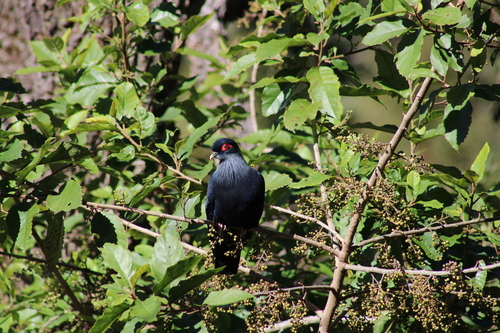
マダガスカルルリバト (Alectroenas madagascariensis) マダガスカルルリバト
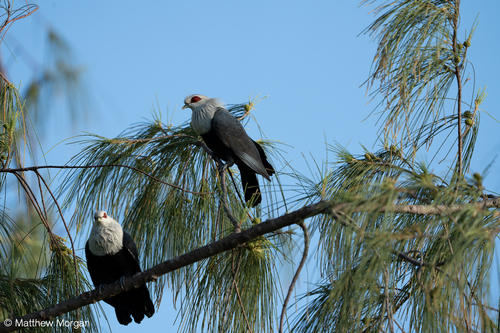
コモロルリバト (Alectroenas sganzini) コモロルリバト

メディア

読み込み中…

要点

マダガスカルルリバトとコモロルリバトを区別する最も信頼できるフィールドマークは尾の色です:マダガスカルルリバトは深い赤い尾を持ち、コモロルリバトの尾の色は資料には記載されていませんが、赤い尾はグループ内でマダガスカルルリバトに特有です。両種は全体的に青と銀灰色の羽毛を持ち、糸状の首の羽がありますが、マダガスカルルリバトは目の周りに目立つ赤い裸の斑点と赤い足も持っており、これらはコモロルリバトには記載されていません。分布は強力な区別要因です:マダガスカルルリバトは北部と東部のマダガスカルにのみ見られ、コモロルリバトはコモロとサンゴ礁のセーシェルに限定されています。フィールドでは、最も信頼できる区別のために尾の色、顔の皮膚、位置に注目してください。

識別のコツ

  1. 尾の色が重要です: マダガスカルルリバトは深い赤い尾を持ち、これはコモロルリバトには記載されていません。赤い尾を見たら、マダガスカルルリバトを見ていることになります。
  2. 顔の皮膚: マダガスカルルリバトは黄色い目の周りに大きな赤い裸の斑点を持っています。この特徴はコモロルリバトには言及されておらず、存在しないか、はるかに目立たない可能性があります。
  3. 足の色: マダガスカルルリバトは赤い足を持ち、これはコモロルリバトには記載されていません。赤い足を見たら、これはマダガスカルルリバトを支持します。
  4. くちばしの色: マダガスカルルリバトは黄色い先端を持つ小さな緑がかったくちばしを持っています。コモロルリバトのくちばしの色は記載されていないので、注意して使用してください。
  5. 全体的な羽毛: 両種は糸状の首の羽を持つ青と銀灰色のトーンが支配的です。これは信頼できる区別要因ではありません。
  6. 分布: マダガスカル(特に北部または東部)にいる場合は、マダガスカルルリバトです。コモロまたはサンゴ礁のセーシェルにいる場合は、コモロルリバトです。重複はありません。
  7. 群れの行動: コモロルリバトはしばしば群れで見られ、島々の間を飛び、高いところに止まって日光浴をします。マダガスカルルリバトの社会的行動は記載されていませんが、これは単独では信頼できる区別要因ではありません。
  8. 飛行スタイル: コモロルリバトは翼を叩きながら速く飛びますが、これはマダガスカルルリバトには記載されておらず、診断的ではないかもしれません。
  9. 生息地: 両種は樹上性で果物を食べますが、コモロルリバトは特に地面を避け、島々の間を水上を飛ぶことが記載されています。マダガスカルルリバトの生息地の使用は詳細に記載されていないので、注意して使用してください。
  10. 幼鳥/未熟な羽毛: 年齢特有のマークに関する情報は利用できないため、未熟な翼のパターンに頼って区別しないでください。
  11. 性差: どちらの種についても情報は与えられていないので、フィールドでは性別が似ていると仮定してください。
  12. 鳴き声: 資料には鳴き声の違いは記載されていません。区別のために声に頼らないでください。
  13. 季節的変化: どちらの種についても季節的な羽毛の違いは記載されていません。
  14. 落とし穴: 一般的な青い色合いやサイズに頼らないでください。両種はこれらの点で似ています。最も信頼できる区別のために尾の色、顔の皮膚、位置に注目してください。

大きさ

マダガスカルルリバトは25〜27 cmの長さです [wikipedia]。コモロルリバトの直接的なサイズデータは提供されていませんが、同じ属の近縁種として、サイズと構造は似ている可能性があります。利用可能な情報では信頼できるサイズに基づく区別は不可能です。

羽色

行動

コモロルリバトは時々孤独ですが、しばしば群れ(最大15羽)で見られ、島々の間を飛び、時には水面から10 mほどの低さで飛び、高い木に止まって日光浴をします。彼らの飛行は速く、翼を叩くと説明されています。彼らは非常に樹上性で、地面にはほとんど降りません。マダガスカルルリバトの行動は詳細に記載されていませんが、近縁種として樹上性の習性は似ている可能性があります。診断的な行動の違いは記載されていません。

生息環境

マダガスカルルリバトは北部と東部のマダガスカルに特有であり、コモロルリバトはコモロとサンゴ礁のセーシェルにのみ見られます。この重複しない分布は強力な区別要因です。両種は樹上性で果物を食べますが、コモロルリバトは特に島々の間を飛び、地面を避けることが記載されています。

より良い説明を送る

比較と同じ項目を使ってください。文章はすぐに公開されます。

The most reliable field mark to separate Madagascar Blue-Pigeon from Comoro Blue-Pigeon is the tail color: Madagascar Blue-Pigeon has a deep red tail, while the Comoro Blue-Pigeon’s tail color is not described in the sources, but the red tail is unique to Madagascar Blue-Pigeon among the group. Both species show overall blue and silvery-grey plumage with filamentous neck feathers, but Madagascar Blue-Pigeon also has a striking red bare patch around the eye and red feet, which are not described for Comoro Blue-Pigeon. Range is a strong separator: Madagascar Blue-Pigeon is only found in northern and eastern Madagascar, while Comoro Blue-Pigeon is restricted to the Comoros and coralline Seychelles. In the field, focus on tail color, facial skin, and location for the most reliable separation.

  1. Tail color is key: Madagascar Blue-Pigeon has a deep red tail, which is not described for Comoro Blue-Pigeon. If you see a red tail, you are looking at Madagascar Blue-Pigeon.
  2. Facial skin: Madagascar Blue-Pigeon has a large red patch of bare skin around the yellow eye. This feature is not mentioned for Comoro Blue-Pigeon and is likely absent or much less prominent.
  3. Feet color: Madagascar Blue-Pigeon has red feet, a feature not described for Comoro Blue-Pigeon. If you see red feet, this supports Madagascar Blue-Pigeon.
  4. Bill color: Madagascar Blue-Pigeon has a small greenish bill with a yellow tip. Bill color for Comoro Blue-Pigeon is not described, so use with caution.
  5. Overall plumage: Both species are dominated by blue and silvery-grey tones with filamentous neck plumes. This is not a reliable separator.
  6. Range: If you are in Madagascar (especially the north or east), it is Madagascar Blue-Pigeon. If you are in the Comoros or coralline Seychelles, it is Comoro Blue-Pigeon. There is no overlap.
  7. Group behavior: Comoro Blue-Pigeon is often seen in groups, flying between islands, and perching high to sun themselves. Madagascar Blue-Pigeon’s social behavior is not described, but this is not a reliable separator on its own.
  8. Flight style: Comoro Blue-Pigeon has a fast flight with wing claps, but this is not described for Madagascar Blue-Pigeon and may not be diagnostic.
  9. Habitat: Both are arboreal and fruit-eating, but Comoro Blue-Pigeon is specifically noted for avoiding the ground and flying over water between islands. Madagascar Blue-Pigeon’s habitat use is not detailed, so use with caution.
  10. Juvenile/immature plumage: No information is available for age-specific marks, so do not rely on immature wing pattern for separation.
  11. Sexual dimorphism: No information is given for either species, so assume sexes are similar in the field.
  12. Vocalization: No vocal differences are described in the sources; do not rely on voice for separation.
  13. Seasonal variation: No seasonal plumage differences are described for either species.
  14. Pitfalls: Do not rely on general blue coloration or size, as both species are similar in these respects. Focus on tail color, facial skin, and location for the most reliable separation.

Madagascar Blue-Pigeon is 25–27 cm in length [wikipedia]. No direct size data is given for Comoro Blue-Pigeon, but as close relatives in the same genus, they are likely similar in size and structure. No reliable size-based separation is possible with the available information.

  • Adults: Madagascar Blue-Pigeon is dominated by blue and silvery-grey tones, with a silvery blue-grey neck and throat, filamentous neck plumes, silvery-grey upperparts, blue-grey breast, deep blue belly, and a deep red tail. The head is blue with a large red bare patch around the yellow eye, and the bill is greenish with a yellow tip. The feet are red.
  • Comoro Blue-Pigeon: No detailed color description is provided, but as a close relative, it likely shares the general blue and grey coloration. However, the sources do not mention a red tail, red facial skin, or red feet for Comoro Blue-Pigeon, suggesting these are absent or much less pronounced.
  • Juvenile/immature plumage: No specific information is given for either species regarding age-specific wing or upperwing patterns, so no separation is possible on this basis.

Comoro Blue-Pigeon is sometimes solitary but often seen in groups (up to 15), flying between islands, sometimes as low as 10 m above water, and often perching high in trees to sun themselves. Their flight is described as fast with wing claps. They are highly arboreal and rarely land on the ground. Madagascar Blue-Pigeon’s behavior is not detailed, but as a close relative, it is likely similar in arboreal habits. No diagnostic behavioral differences are described.

Madagascar Blue-Pigeon is endemic to northern and eastern Madagascar, while Comoro Blue-Pigeon is found only in the Comoros and coralline Seychelles. This non-overlapping range is a strong separator. Both are arboreal and fruit-eating, but only Comoro Blue-Pigeon is specifically noted for flying between islands and avoiding the ground.

変更を破棄しますか?

保存していない編集があります。今離れると失われます。

マダガスカルルリバト · コモロルリバト · 苦手な鳥