

Motmot

タカサゴモズ 対 ヒメオオモズ

Lanius schach 対 Lanius minor

タカサゴモズとヒメオオモズのクイズ
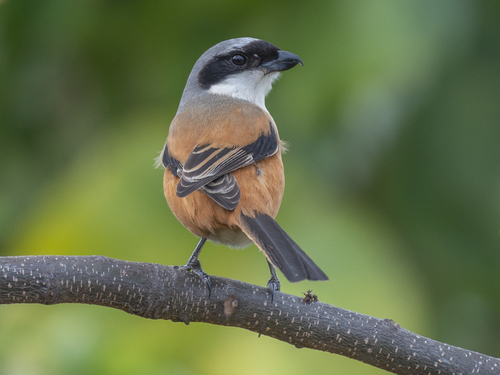
タカサゴモズ (Lanius schach) タカサゴモズ
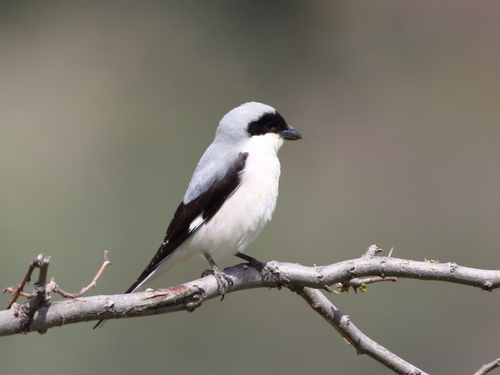
ヒメオオモズ (Lanius minor) ヒメオオモズ

メディア

読み込み中…

要点

ロングテールシュライクとヒメオオモズを区別する最も信頼できる方法は、尾の構造と全体の羽毛のコントラストに焦点を当てることです:ロングテールシュライクは、赤褐色の側面と尾羽を持つ明確に長く、狭く、段階的な尾を持ち、ヒメオオモズは短い尾と、成鳥では下側にピンクがかかったよりクリーンで単色の灰色、黒、白の外観を持っています。幼鳥のヒメオオモズは、ロングテールシュライクよりも茶色がかり、コントラストが少ないです。両種は黒い顔のマスクを示しますが、頭部と背中の黒と灰色の範囲とトーンは異なります。構造的な違いと微妙な羽毛の詳細、特に飛行中や遠くからの観察が、自信を持った同定の鍵となります。

識別のコツ

  1. 尾の長さと形:ロングテールシュライクは常に長く、狭く、段階的な尾を示し、しばしば淡い赤褐色の外羽を持つ;ヒメオオモズの尾は短く、段階的でなく、中央の羽は黒で白い先端と基部を持つ。
  2. 赤褐色のトーン:ロングテールシュライクだけが側面と尾に明らかな赤褐色を持つ(すべての年齢と亜種、ただし強度は異なる);ヒメオオモズは赤褐色がなく、灰色または淡い尾と白い下側を示し、成鳥ではピンクがかかる可能性がある。
  3. 頭の模様:ロングテールシュライクの黒いマスクは広く、しばしば額を越えて伸び、一部の亜種では頭全体を覆うことがある;ヒメオオモズのマスクはオスでは黒、メスでは暗灰色で、頭頂全体を覆わない。
  4. 背中と肩の色:ロングテールシュライクは亜種によって赤褐色が混じった灰色から純粋な灰色まで変化するが、常に背中や側面に赤褐色がある;ヒメオオモズは上面が淡い青灰色で、尾はより淡く、赤褐色はない。
  5. 飛行中の翼の模様:ロングテールシュライクは初列羽の基部に小さな白い斑点がある(止まっている鳥や飛んでいる鳥で見える);ヒメオオモズは黒い初列羽を持ち、バフ色の先端と白い基部があるが、目立つ白い翼のパネルはない。
  6. 幼鳥の違い:幼鳥のヒメオオモズは上面が淡い茶色で、わずかな縞模様があり、赤褐色はない;幼鳥のロングテールシュライクはここでは詳細に説明されていないが、常に赤褐色と長い尾を示すべきである。
  7. 下側:ヒメオオモズの成鳥オスは下胸と腹にピンクがかかるが、ロングテールシュライクにはない;メスと幼鳥はピンクが少なく、赤褐色はない。
  8. くちばしと脚:両種は黒いくちばしと脚を持ち、区別には役立たない。
  9. サイズと構造:ヒメオオモズはより重く、頑丈だが、ロングテールシュライクは尾のために長く、細く見える;尾の長さを主な構造的手がかりとして使用する。
  10. 止まり方:両種は目立って止まるが、ロングテールシュライクはより孤独で直立している;ヒメオオモズはより開けた農業環境で見られることが多く、ワイヤーの上にいる可能性が高い。
  11. 飛行スタイル:ヒメオオモズは低く、波打つ動きで飛び、新しい止まり木に滑空するが、ロングテールシュライクはしばしば止まり木から斜めに滑空する;尾の形は飛行中に最も明らかである。
  12. 鳴き声:ロングテールシュライクの厳しい、ガリガリとした鳴き声と模倣は、聞こえた場合の手がかりになる可能性がある;ヒメオオモズの鳴き声はここでは説明されていないので、声だけに頼らないこと。
  13. 性差:ヒメオオモズのメスはオスよりも鈍く、茶色がかり、暗灰色の頭を持ち、下側のピンクが少ない;ロングテールシュライクの性別は羽毛において似ている。
  14. 季節と地理:範囲と季節を考慮する—ヒメオオモズは渡り鳥であり、冬にはアジアにいないが、ロングテールシュライクはアジアの多くの地域に生息している。
  15. 一般的な落とし穴:ロングテールシュライクの小さな白い翼の斑点を、他のいくつかのシュライク(例:クロビタイセアカモズ)のより広範な白いパネルと混同しないこと;ヒメオオモズは全く強い白い翼のパネルを欠いている。

大きさ

ヒメオオモズは明らかに重く(46.0g対35.5g)、全体的な体格もわずかに大きいが、これは現場では微妙かもしれない。ロングテールシュライクは尾が不釣り合いに長いため、より細く、長く見えるが、ヒメオオモズはよりコンパクトで頑丈である。体重の違いは、並べて見たり、経験があるとより明らかになるが、尾の長さと構造はより即座に役立つ。

羽色

幼鳥のヒメオオモズは上面が淡い茶色で、わずかな縞模様があり、成鳥の灰色の背中と尾が欠けている;下側は白からクリーム色で、ピンクはない。幼鳥のロングテールシュライクはここでは詳細に説明されていないが、すべての年齢で側面と尾に赤褐色を示し、淡い赤褐色の外羽を持つ長く狭い尾を持つ。成鳥のロングテールシュライク(すべての性別)は、しばしば額を越えて広がる黒いマスクを示し、肩に赤褐色または灰色があり、初列羽の基部に小さな白い斑点がある。ヒメオオモズの成鳥オスは黒いマスク、淡い青灰色の背中、より淡い尾、下側にピンクがかかる;メスは鈍く、茶色がかり、ピンクが少なく、暗灰色(黒ではない)の頭を持つ。ヒメオオモズの尾は短く、中央の羽は黒で白い先端と基部を持ち、外羽はますます白くなる。飛行中、ヒメオオモズは黒い初列羽とバフ色の先端を持つより均一な翼を示すが、いくつかのシュライクのような強い白い翼の斑点はない;ロングテールシュライクは初列羽の基部に小さな白い斑点があるが、クロビタイセアカモズで見られる目立つ白いパネルはない。両者とも黒いくちばしと脚を持つ。

行動

両種は目立って止まり、高い場所から狩りをするが、ロングテールシュライクはより孤独で領土意識が強く、しばしば単独または間隔をあけたペアで見られる。特徴的な「シュライク」の姿勢で直立して座り、獲物を捕まえるためにしばしば斜めに滑空し、時には突き刺すこともある。ヒメオオモズもワイヤーや露出した枝に止まるが、その飛行は低く波打つと説明され、新しい止まり木への頻繁な滑空と上昇がある。地面では、食べ物を拾うために短く跳ねる。両種は興奮すると尾を扇いだり振ったりするが、ロングテールシュライクの尾は長く、これらの動きの中でより明らかに段階的である。

生息環境

ロングテールシュライクはアジア全体に広がり、乾燥した開けた生息地、しばしば低木、畑、エッジ環境に生息している。ヒメオオモズは南部および中央ヨーロッパと西アジアで繁殖し、乾燥した開けた低地を好み、農業風景のワイヤーの上で見られることが多い。その範囲は、ロングテールシュライクと広範囲に重ならず、西アジアの一部でのみ重なることがあり、南部アフリカで冬を越す。生息地だけでは診断的であることは稀だが、重なりのある地域では文脈が役立つことがある。

声

ロングテールシュライクは厳しい、ガリガリとした、叱責するような鳴き声を出し、時には鳴くカエルに例えられ、他の鳥や哺乳類を模倣する複雑な声の模倣が可能である。ヒメオオモズの鳴き声はここでは詳細に説明されていないが、両種は一般的に鳴き声があり、興奮したときに厳しい鳴き声を使うことがある。ロングテールシュライクの模倣と鳴き声の多様性は、よく聞こえた場合の微妙な手がかりになる可能性がある。

より良い説明を送る

比較と同じ項目を使ってください。文章はすぐに公開されます。

The most reliable way to separate Long-tailed Shrike from Lesser Grey Shrike is by focusing on tail structure and overall plumage contrast: Long-tailed Shrike has a distinctly long, narrow, and graduated tail with rufous flanks and rump, while Lesser Grey Shrike has a shorter tail and a cleaner, more monochrome grey, black, and white appearance with a pinkish flush on the underparts in adults. Juvenile Lesser Grey Shrikes are browner and less contrasting than any Long-tailed Shrike. Both species show a black facial mask, but the extent and tone of black and grey on the head and back differ. Structural differences and subtle plumage details, especially in flight or at a distance, are key for confident identification.

  1. Tail length and shape: Long-tailed Shrike always shows a long, narrow, and graduated tail, often with pale rufous outer feathers; Lesser Grey Shrike's tail is shorter, less graduated, and central feathers are black with white tips and bases.
  2. Rufous tones: Only Long-tailed Shrike has obvious rufous on the flanks and rump (all ages and subspecies, though intensity varies); Lesser Grey Shrike lacks rufous, showing a grey or pale rump and white underparts with a possible pink flush in adults.
  3. Head pattern: Long-tailed Shrike's black mask is broad and often extends over the forehead, sometimes covering the whole head in some subspecies; Lesser Grey Shrike's mask is black in males, dark grey in females, and does not cover the entire crown.
  4. Back and mantle color: Long-tailed Shrike varies from rufous-suffused grey to pure grey depending on subspecies, but always with some rufous on the back or flanks; Lesser Grey Shrike is pale bluish-grey above, with a paler rump and no rufous.
  5. Wing pattern in flight: Long-tailed Shrike has a small white patch at the base of the primaries (visible in perched and flying birds); Lesser Grey Shrike has black primaries with buff tips and white bases, but no prominent white wing panel.
  6. Juvenile differences: Juvenile Lesser Grey Shrike is pale brown above with faint barring and lacks any rufous; juvenile Long-tailed Shrike is not detailed here, but should always show some rufous and a long tail.
  7. Underparts: Lesser Grey Shrike adult males have a pink flush on the lower breast and belly, absent in Long-tailed Shrike; females and juveniles are less pink, but still lack rufous.
  8. Bill and legs: Both species have black bills and legs, not useful for separation.
  9. Size and structure: Lesser Grey Shrike is heavier and more robust, but Long-tailed Shrike appears longer and more slender due to its tail; use tail length as the primary structural clue.
  10. Perching behavior: Both perch conspicuously, but Long-tailed Shrike is more solitary and upright; Lesser Grey Shrike may be seen in more open, agricultural settings and is more likely to be found on wires.
  11. Flight style: Lesser Grey Shrike flies with low, undulating movements and glides to new perches, while Long-tailed Shrike often glides down at an angle from a perch; tail shape is most obvious in flight.
  12. Vocalizations: Long-tailed Shrike's harsh, grating calls and mimicry can be a clue if heard; Lesser Grey Shrike's calls are not described here, so do not rely on voice alone.
  13. Sex differences: Lesser Grey Shrike females are duller and browner than males, with a dark grey head and less pink below; Long-tailed Shrike sexes are alike in plumage.
  14. Season and geography: Consider range and season—Lesser Grey Shrike is migratory and absent from Asia in winter, while Long-tailed Shrike is resident across much of Asia.
  15. Common pitfalls: Do not confuse the small white wing patch of Long-tailed Shrike with the more extensive white panels of some other shrikes (e.g., Bay-backed Shrike); Lesser Grey Shrike lacks a strong white wing panel altogether.

Lesser Grey Shrike is noticeably heavier (46.0g vs 35.5g) and slightly larger in overall build, though this may be subtle in the field. Long-tailed Shrike appears more slender and elongated due to its disproportionately long tail, while Lesser Grey Shrike is more compact and robust. The difference in body mass is more apparent when seen side by side or with experience, but tail length and structure are more immediately useful.

Juvenile Lesser Grey Shrike is pale brown above with faint barring and lacks the grey back and rump of adults; underparts are white to cream without any pink. Juvenile Long-tailed Shrike is not described in detail here, but all ages show rufous on the flanks and rump, and a long, narrow tail with pale rufous outer feathers. Adult Long-tailed Shrike (all sexes) shows a broad black mask, often extending over the forehead, with rufous or grey on the mantle and a small white patch at the base of the primaries. Lesser Grey Shrike adult male has a black mask, pale bluish-grey back, paler rump, and white underparts with a pink flush; females are duller and browner, with less pink and a dark grey (not black) head. Lesser Grey Shrike's tail is shorter, with central feathers black with white tips and bases, and outer feathers increasingly white. In flight, Lesser Grey Shrike shows a more uniform wing with black primaries and a buff tip, but no strong white wing patch as in some shrikes; Long-tailed Shrike has a small white patch at the base of the primaries, but not the prominent white panel seen in Bay-backed Shrike. Both have black bills and legs.

Both species perch conspicuously and hunt from elevated spots, but Long-tailed Shrike is more solitary and territorial, often seen alone or in well-spaced pairs. It sits upright with a characteristic 'shrike' posture and frequently glides down at an angle to catch prey, sometimes impaling it. Lesser Grey Shrike also perches on wires or exposed branches, but its flight is described as low and undulating, with frequent glides and upward swoops to new perches. On the ground, it hops briefly to pick up food. Both species fan and flick their tails when excited, but Long-tailed Shrike's tail is longer and more obviously graduated in these movements.

Long-tailed Shrike is widespread across Asia in dry, open habitats, often in scrub, fields, and edge environments. Lesser Grey Shrike breeds in South and Central Europe and western Asia, preferring dry open lowlands, and is often seen on wires in agricultural landscapes. Its range does not overlap extensively with Long-tailed Shrike except in parts of western Asia, and it winters in southern Africa. Habitat alone is rarely diagnostic, but context can help in areas of overlap.

Long-tailed Shrike gives harsh, grating, and scolding calls, sometimes likened to a squealing frog, and is capable of complex vocal mimicry, including imitating other birds and even mammals. Lesser Grey Shrike's vocalizations are not detailed here, but both species are generally vocal and may use harsh calls when agitated. Long-tailed Shrike's mimicry and variety of calls can be a subtle clue if heard well.

変更を破棄しますか?

保存していない編集があります。今離れると失われます。

タカサゴモズ · ヒメオオモズ · 苦手な鳥