

Motmot

コアジサシ 対 サンドイッチアジサシ

Sternula albifrons 対 Thalasseus sandvicensis

コアジサシとサンドイッチアジサシのクイズ
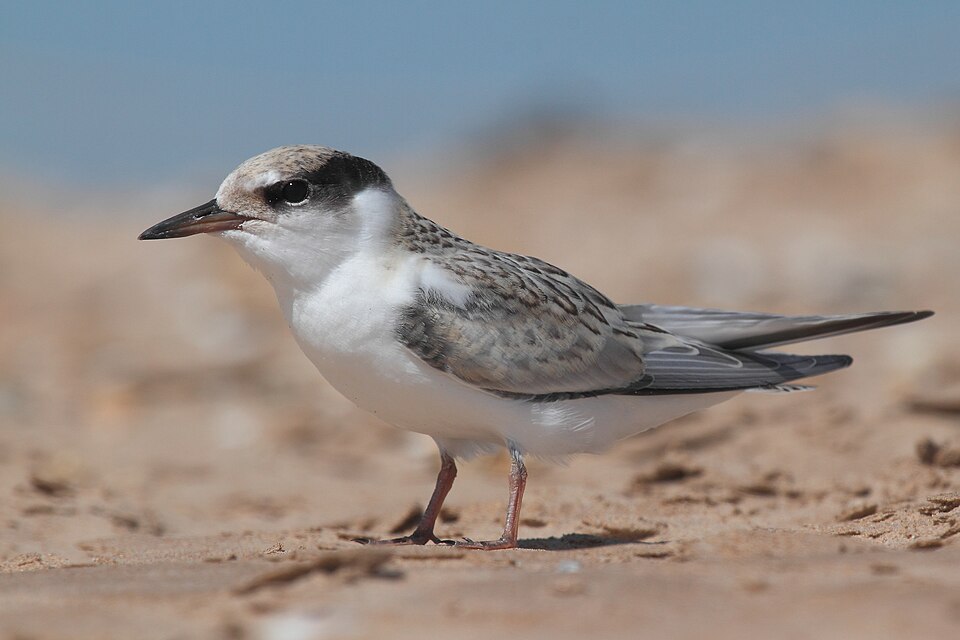
コアジサシ (Sternula albifrons) コアジサシ
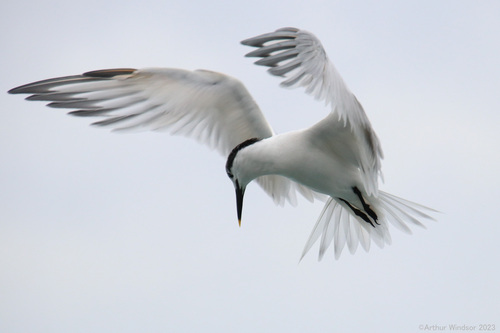
サンドイッチアジサシ (Thalasseus sandvicensis) サンドイッチアジサシ

メディア

読み込み中…

要点

コアジサシとサンドイッチアジサシを区別する最も信頼できる方法は、サイズと構造です:コアジサシははるかに小さく、繊細で、非常に小さく鋭い黄色のくちばし(繁殖時は黒い先端)を持っていますが、サンドイッチアジサシは中型から大型で、長く細い黒いくちばしの先端が黄色です。飛行中、コアジサシは常に優雅でコンパクトに見えますが、サンドイッチアジサシは長い翼を持ち、力強く見えます。幼鳥のサンドイッチアジサシは鱗状の上翼と暗い尾先を示しますが、コアジサシの幼鳥にはそれがありません。繁殖期の成鳥のコアジサシは白い額と黄色い脚を持ち、サンドイッチアジサシは毛羽立った黒い冠と黒い脚を持っています。くちばしと脚の色、サイズ、全体的な印象は、特に距離がある場合や混成群れの中での最も迅速なフィールドチェックです。

識別のコツ

  1. Size is the quickest check: コアジサシはサンドイッチアジサシよりもはるかに小さく軽いです;両方を一緒に見ると、違いは明らかですが、単独でもコアジサシは小さくコンパクトに見えます。
  2. Bill color and shape: コアジサシは繁殖羽で黒い先端を持つ短く細い黄色のくちばしを持っています;冬には、くちばしは黒くなります。サンドイッチアジサシは常に黄色の先端を持つ長く細い黒いくちばしを持っています(幼鳥や冬ではあまり明確ではありません)。幼鳥のサンドイッチアジサシのくちばしはすべて黒っぽい場合がありますが、それでもコアジサシのものよりもはるかに長く重いです。
  3. Leg color: コアジサシは黄色い脚を持っています(冬には鈍くなります)、一方サンドイッチアジサシは年間を通じて黒い脚を持っています。これは近距離または止まっている鳥で確認できます。
  4. Forehead pattern in breeding: コアジサシは目を通る黒い線のある目立つ白い額を示します;サンドイッチアジサシは毛羽立った冠のある完全な黒い帽子を持っています。非繁殖期には、両方とも白い額を発達させるため、これはあまり信頼できません。
  5. Juvenile plumage: 幼鳥のサンドイッチアジサシは背中と翼に鱗状の模様を示し、暗い尾先を持っています;コアジサシの幼鳥は鱗状の外観がなく、より平坦な背中と尾を持っています。
  6. Upperwing in flight: コアジサシの翼は狭く半透明で、暗い楔形やフック先端はありません。サンドイッチアジサシの成鳥は、羽毛の摩耗により夏の終わりに一次羽に暗い「フック先端」を示すことがありますが、常に幅広く長い翼を持っています。
  7. Tail shape: 両方とも分岐した尾を持っていますが、サンドイッチアジサシの尾は長く、より深く分岐しており、特に飛行中に目立ちます。
  8. Flight style: コアジサシは素早く、ひらひらと飛び、しばしばホバリングします;サンドイッチアジサシはより力強く、深く安定した翼の拍動を持ち、ホバリングは少ないです。
  9. Perched posture: コアジサシは低くてずんぐりした姿勢で座ります;サンドイッチアジサシは背が高く直立し、長い首とくちばしを持っています。
  10. Voice: コールを聞いてください—サンドイッチアジサシは大きく、耳障りな「キアリック」と呼ばれる声を出しますが、コアジサシの声は鋭く高く、あまり耳障りではありません。
  11. Habitat context: 内陸や小さな潟にいる場合、コアジサシが見られる可能性が高いです;開けた海岸や大きな砂浜、特に大きなコロニーでは、サンドイッチアジサシが期待されます。
  12. Seasonal bill and leg color: 冬には、コアジサシのくちばしと脚が暗くなり、区別が難しくなります;その場合、サイズ、構造、声にもっと頼るべきです。
  13. Mixed flocks: コアジサシは大型のアジサシと混ざることはほとんどありません;明らかなサイズの違いがある群れを見た場合、両種を確認してください。
  14. Crest: サンドイッチアジサシは繁殖羽で毛羽立った冠を示しますが、コアジサシにはそれがありません。
  15. Primary wear: サンドイッチアジサシだけが夏の終わりに一次羽に「フック先端」効果を示します;コアジサシの一次羽は常にきれいなエッジを保ちます。

大きさ

コアジサシは劇的に小さく、長さ約21〜25 cm、重さ約57 g [wikidata]で、サンドイッチアジサシの長さは36〜41 cm、重さは200〜300 g [wikipedia]です。翼幅の対比も明確です:コアジサシは41〜47 cmに対し、サンドイッチアジサシは95〜105 cmです。直接比較しなくても、コアジサシは小さく敏捷に見え、サンドイッチアジサシは頑丈で長い翼を持ち、小さなカモメに近いサイズです。

羽色

幼鳥と初冬の鳥は上翼と尾で最も簡単に区別できます:幼鳥のサンドイッチアジサシは背中と翼に鱗状の模様を示し、尾の先端は暗く、すべて黒っぽいくちばし(時には基部が黄色っぽい)を持っていますが、コアジサシの幼鳥は鱗状の外観がなく、相対的にずっと小さく、淡いくちばしを持っています。繁殖羽の成鳥では、コアジサシは白い額、黒い先端のある黄色いくちばし、黄色い脚を示します;サンドイッチアジサシは毛羽立った冠のある完全な黒い帽子、黒い脚、黄色の先端を持つ黒いくちばしを持っています。非繁殖期(冬)には、両種とも白い額を発達させますが、コアジサシのくちばしは黒くなり、脚は鈍くなりますが、サンドイッチアジサシは黒いくちばし(黄色の先端が薄くなる)と黒い脚を保持します。飛行中の上翼は常にコアジサシでより淡く半透明で、摩耗したサンドイッチアジサシのような暗い一次羽の楔形やフック先端はありません。サンドイッチアジサシの成鳥は夏の終わりに羽毛の摩耗により一次羽に「フック先端」パターンを示すことがありますが、コアジサシはそれを示しません。

行動

コアジサシは素早く、敏捷で、しばしば水面近くでホバリングしてから小魚のために急降下します。しばしば密集した速い群れで飛ぶか、単独で飛び、大型のアジサシと混ざることはほとんどありません。サンドイッチアジサシはより力強く浮力のある飛行を持ち、深い翼の拍動で、しばしば緩い群れや混成アジサシのグループで見られます。地上では、サンドイッチアジサシは背が高く直立しており、長い首とくちばしを持っていますが、コアジサシはずんぐりしてコンパクトです。

生息環境

両種とも海岸や砂浜で繁殖しますが、コアジサシは小さな内陸の水路や潟、海岸の場所でも見られる可能性が高く、しばしば小さなコロニーで見られます。サンドイッチアジサシはより大きく開けた砂浜や小石のビーチ、障壁島を好み、通常はより大きく騒がしいコロニーで見られます。移動中や冬には、サンドイッチアジサシはより海洋性で、開けた海岸や河口でよく見られますが、コアジサシはさらに内陸で見られることがあります。

声

サンドイッチアジサシは非常に声が大きく、特徴的で遠くまで届く大きく耳障りな「キアリック」または「カーインク」と呼ばれる声を出します。コアジサシの声は鋭く高音で、より速い「キット」または「キック」のようで、サンドイッチアジサシよりも耳障りが少なく、遠くまで届きません。大きく耳障りなアジサシの声を聞いたら、サンドイッチアジサシを考えてください;声が細く高い場合は、コアジサシを疑ってください。

より良い説明を送る

比較と同じ項目を使ってください。文章はすぐに公開されます。

The most reliable way to separate Little Tern from Sandwich Tern is by size and structure: Little Tern is much smaller and more delicate, with a tiny, sharp yellow bill (black-tipped in breeding), while Sandwich Tern is medium-large, with a long, slender black bill tipped yellow. In flight, Little Tern always looks dainty and compact, whereas Sandwich Tern appears long-winged and powerful. Juvenile Sandwich Terns show a scaly upperwing and dark tail tip, which Little Tern juveniles lack. Adult breeding Little Terns have a white forehead and yellow legs, while Sandwich Terns have a shaggy black crest and black legs. Bill and leg color, size, and overall jizz are the quickest field checks, especially at range or in mixed flocks.

  1. Size is the quickest check: Little Tern is much smaller and lighter than Sandwich Tern; if you see both together, the difference is obvious, but even singly, Little Tern looks tiny and compact.
  2. Bill color and shape: Little Tern has a short, fine yellow bill with a black tip in breeding plumage; in winter, the bill is black. Sandwich Tern always has a long, slender black bill with a yellow tip (less obvious in juveniles and winter). Juvenile Sandwich Tern bills may be all blackish, but still much longer and heavier than Little Tern's.
  3. Leg color: Little Tern has yellow legs (duller in winter), while Sandwich Tern has black legs year-round. This is visible at close range or on perched birds.
  4. Forehead pattern in breeding: Little Tern shows a prominent white forehead with a black line through the eye; Sandwich Tern has a full black cap with a shaggy crest. In non-breeding, both develop a white forehead, so this is less reliable then.
  5. Juvenile plumage: Juvenile Sandwich Tern shows a scaly pattern on the back and wings, and a dark tail tip; Little Tern juveniles lack the scaly look and have a plainer back and tail.
  6. Upperwing in flight: Little Tern's wings are narrow and translucent, with no dark wedge or hook tip. Sandwich Tern adults may show a dark 'hook tip' on the primaries in late summer due to feather wear, and always have broader, longer wings.
  7. Tail shape: Both have forked tails, but Sandwich Tern's is longer and more deeply forked, especially noticeable in flight.
  8. Flight style: Little Tern is quick, fluttery, and often hovers; Sandwich Tern is more powerful, with deep, steady wingbeats and less hovering.
  9. Perched posture: Little Tern sits low and squat; Sandwich Tern stands tall and upright, with a longer neck and bill.
  10. Voice: Listen for calls—Sandwich Tern gives a loud, grating 'kear-ik', while Little Tern's calls are sharp, high, and less harsh.
  11. Habitat context: If you are inland or at a small lagoon, Little Tern is more likely; on open coasts and large sandy beaches, especially in big colonies, Sandwich Tern is more expected.
  12. Seasonal bill and leg color: In winter, Little Tern's bill and legs darken, making separation trickier; rely more on size, structure, and voice then.
  13. Mixed flocks: Little Tern rarely mixes with large terns; if you see a group with obvious size differences, check for both species.
  14. Crest: Sandwich Tern shows a shaggy crest in breeding plumage, which Little Tern lacks.
  15. Primary wear: Only Sandwich Tern shows the 'hook tip' effect on primaries in late summer; Little Tern's primaries remain clean-edged.

Little Tern is dramatically smaller: about 21–25 cm in length and weighing around 57 g [wikidata], compared to Sandwich Tern's 36–41 cm length and 200–300 g weight [wikipedia]. The wingspan contrast is also stark: Little Tern 41–47 cm versus Sandwich Tern's 95–105 cm. Even without direct comparison, Little Tern looks tiny and agile, while Sandwich Tern is robust and long-winged, closer in size to a small gull.

Juvenile and first-winter birds are easiest to separate by upperwing and tail: juvenile Sandwich Terns show a scaly pattern on the back and wings, with dark tips to the tail and an all-blackish bill (sometimes yellowish at the base), while Little Tern juveniles lack the scaly look and have a proportionally much smaller, paler bill. In adult breeding plumage, Little Tern shows a white forehead, yellow bill with black tip, and yellow legs; Sandwich Tern has a full black cap with a shaggy crest, black legs, and a black bill with a yellow tip. In non-breeding (winter), both species develop a white forehead, but Little Tern's bill turns black and legs dull, while Sandwich Tern retains its black bill (with yellow tip fading) and black legs. The upperwing in flight is always paler and more translucent in Little Tern, with no dark primary wedge or hook tip as in worn Sandwich Tern. Sandwich Tern adults in late summer may show a 'hook tip' pattern on the primaries due to feather wear, which Little Tern never shows.

Little Tern is quick, agile, and often hovers low over water before plunge-diving for small fish. It frequently flies in tight, fast-moving flocks or alone, rarely mixing with larger terns. Sandwich Tern has a more powerful, buoyant flight with deep wingbeats, often seen in loose flocks or mixed tern groups. On the ground, Sandwich Tern stands taller and more upright, with a longer neck and bill, while Little Tern is squat and compact.

Both species breed on coasts and sandy beaches, but Little Tern is more likely to be found on small inland waterways and lagoons as well as coastal sites, often in smaller colonies. Sandwich Tern prefers larger, open sandy or shingle beaches and barrier islands, usually in bigger, noisier colonies. In migration and winter, Sandwich Tern is more marine, often seen along open coasts and estuaries, while Little Tern may be found further inland.

Sandwich Tern is very vocal, giving a loud, grating 'kear-ik' or 'kerr ink' call, which is distinctive and carries far. Little Tern's calls are sharper and higher-pitched, more like a rapid 'kit' or 'kik', less harsh and less far-carrying than Sandwich Tern. If you hear a loud, grating tern call, think Sandwich Tern; if the calls are thin and high, suspect Little Tern.

変更を破棄しますか?

保存していない編集があります。今離れると失われます。

コアジサシ · サンドイッチアジサシ · 苦手な鳥