

Motmot

アフリカツミ 対 サバンナハイタカ

Tachyspiza minulla 対 Accipiter ovampensis

アフリカツミとサバンナハイタカのクイズ
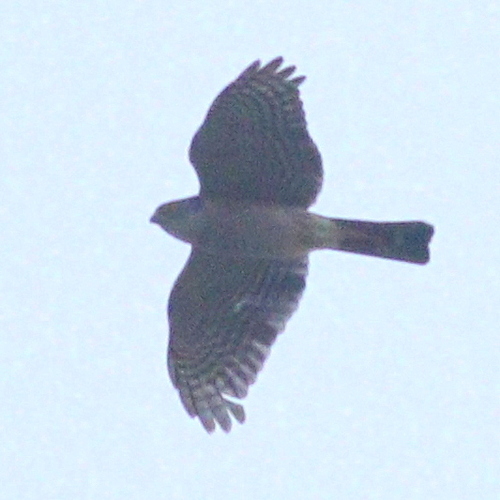
アフリカツミ (Tachyspiza minulla) アフリカツミ
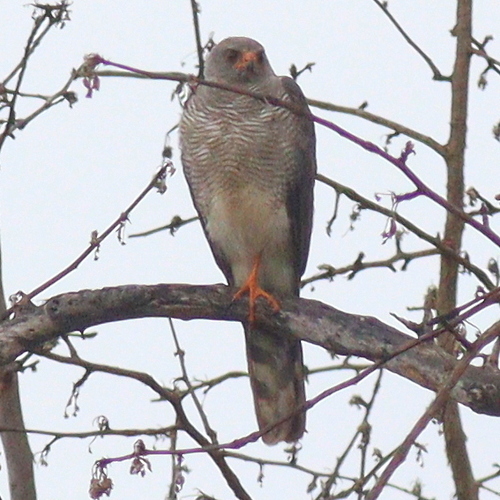
サバンナハイタカ (Accipiter ovampensis) サバンナハイタカ

メディア

読み込み中…

要点

アフリカツミとサバンナハイタカの最も信頼できるフィールドマークはサイズです:アフリカツミははるかに小さく、華奢で、翼幅が著しく短く、体つきも軽いです。フィールドでは、成鳥のアフリカツミは中央尾羽の裏側に2つの白い斑点と狭い白い尾羽のパッチを示し、サバンナハイタカは3本の暗いバーと太いサブターミナルバンドを持つ広い尾を持ち、白いバーのある尾羽を持っています。両種の幼鳥はより茶色ですが、アフリカツミの幼鳥は斑点模様(バーなし)の腹部を示し、尾羽には白い先端のみがありますが、サバンナハイタカの幼鳥は赤褐色または白の腹部と茶色の頭を持つことがあります。目、脳、脚の色も異なります:アフリカツミの成鳥は深い黄色の目と黄色の脚を持ち、サバンナハイタカの成鳥は暗赤色の目、オレンジ色の脚、赤い脳を持っています。構造と飛行の印象も役立ちます:アフリカツミはよりコンパクトで繊細ですが、サバンナハイタカはより大きく、翼が長いです。

識別のコツ

  1. Size is the quickest separator: サバンナハイタカはアフリカツミのほぼ2倍の質量と、はるかに長い翼を持っています。スケール感が明確であれば、これは決定的です。
  2. Tail pattern in flight: アフリカツミの成鳥は中央尾羽の裏側に2つの白い斑点を示します;サバンナハイタカは3本の暗い尾のバーと広いサブターミナルバンドを持ち、白い斑点はありません。
  3. Rump patch: アフリカツミは狭い白い下尾羽のパッチを示します(成鳥);サバンナハイタカは白いバーのある尾羽を持ち、より広範囲で明確に定義されていないように見えることがあります。
  4. Underpart barring: アフリカツミのオスは下に細かい赤褐色のバーを持ち、メスはより広く、茶色のバーを持っています。サバンナハイタカの成鳥は白い腹部に細かい灰色のバーを持ち、平坦な白い肛門を持っています—決して赤褐色ではありません。
  5. Juvenile underparts: アフリカツミの幼鳥は下に茶色の斑点があります(バーなし);サバンナハイタカの幼鳥は下に白または赤褐色で、時には茶色の頭を持ち、バーは変動します。
  6. Upperpart color: アフリカツミのオスは上が暗灰色(ほぼ黒)で、メスと幼鳥はより茶色です。サバンナハイタカの成鳥は上が平坦な灰色で、アフリカツミのオスほど暗くはありません。
  7. Eye color: 成鳥のアフリカツミは深い黄色の目を持ち、サバンナハイタカの成鳥は暗赤色の目を持っています。幼鳥のアフリカツミは茶色の目を持ち、年齢を注意深く確認してください。
  8. Cere and leg color: アフリカツミの成鳥は黄色の脳と脚を持ち、サバンナハイタカの成鳥は赤い脳とオレンジ色の脚を持っています。幼鳥のアフリカツミは黄緑色の脳を持っています。
  9. Bill: 両者とも黒いくちばしを持ち、役に立つ区別にはなりません。
  10. Flight jizz: アフリカツミはコンパクトで短い翼を持ち、敏捷です;サバンナハイタカはより大きく、長い翼を持ち、飛行中により強力に見えることがあります。
  11. Melanistic form: サバンナハイタカだけがメラニスティック(全黒)形態(白いバーのある下翼の飛行羽毛を持つ)を持ち、アフリカツミはこれを持ちません。
  12. Sexual dimorphism: 両種はある程度の性的二形性を示しますが、色の違い(灰色対茶色)はアフリカツミでより顕著です。
  13. Ventral vent: サバンナハイタカは平坦な白い肛門を持ち、成鳥において微妙ですが役立つマークとなることがあります。
  14. White on tail: アフリカツミだけが中央尾羽の裏側に2つの白い斑点を示します—止まっているまたは飛んでいる鳥でこれを探してください。
  15. Context: 両方が生息する地域にいる場合は、常に最初にサイズを確認し、次に尾と尾羽のパターン、次に軟部の色を確認してください。もし一方だけが予想される場合は、幼鳥には注意が必要です、両者とも茶色で縞模様に見えることがあります。

大きさ

サバンナハイタカはアフリカツミよりもはるかに大きく、重いです。サバンナは成鳥で約192.5 gの体重を平均し、長さは約30 cm、翼幅は67 cmです。アフリカツミはかなり小さく、長さは23〜27 cm、翼幅は39〜50 cmで、オスは74〜85 g、メスは68〜105 gです。直接比較すると、サバンナハイタカはほぼ2倍の重さで、はるかに長い翼を持ち、サイズは一緒に見た場合やスケール感が良い場合に強力なフィールドの手がかりとなります。

羽色

行動

両者は典型的な小型のアカギリ型の猛禽ですが、サバンナハイタカはより大きく、長い翼を持つため、飛行中により強力に見え、よりフラッターしにくいかもしれません。アフリカツミはより小さく、繊細であるため、しばしばより敏捷でコンパクトに見え、急速な翼の打撃と迅速で素早い動きを持っています。両者ともカバーに止まり、秘密主義的ですが、より大きなサバンナはより空を飛ぶか、より開けた状況で見られる可能性が高いです。

より良い説明を送る

比較と同じ項目を使ってください。文章はすぐに公開されます。

The most reliable field mark between Little Sparrowhawk and Ovambo Sparrowhawk is size: Little Sparrowhawk is much smaller and daintier, with a notably shorter wingspan and lighter build. In the field, adult Little Sparrowhawks show two white spots on the underside of the central tail feathers and a narrow white rump patch, while Ovambo Sparrowhawks have a broader tail with three dark bars and a bold subterminal band, plus a white-barred rump. Juveniles of both are browner, but Little Sparrowhawk juveniles show spotted (not barred) underparts and only white tips on rump feathers, while Ovambo juveniles may have rufous or white underparts and a brown head. Eye, cere, and leg color also differ: Little Sparrowhawk adults have deep yellow eyes and yellow legs, while Ovambo Sparrowhawk adults have dark red eyes, orange legs, and a red cere. Structure and flight jizz are also helpful: Little Sparrowhawk is more compact and delicate, while Ovambo Sparrowhawk is bulkier and longer-winged.

  1. Size is the quickest separator: Ovambo Sparrowhawk is nearly twice the mass and much longer-winged than Little Sparrowhawk. If you get a clear sense of scale, this is decisive.
  2. Tail pattern in flight: Little Sparrowhawk adults show two white spots on the underside of the central tail feathers; Ovambo Sparrowhawk has three dark tail bars and a broad subterminal band, lacking the white spots.
  3. Rump patch: Little Sparrowhawk shows a narrow white lower rump patch (adults); Ovambo Sparrowhawk has a white-barred rump, which may appear more extensive and less sharply defined.
  4. Underpart barring: Little Sparrowhawk males have fine rufous barring below; females have broader, browner barring. Ovambo Sparrowhawk adults have fine grey barring on white underparts and a plain white vent—never rufous.
  5. Juvenile underparts: Little Sparrowhawk juveniles are spotted with brown below (not barred); Ovambo juveniles may be white or rufous below, sometimes with a brown head, and barring is variable.
  6. Upperpart color: Little Sparrowhawk males are dark grey (almost black) above; females and juveniles are browner. Ovambo Sparrowhawk adults are plain grey above, never as dark as male Little Sparrowhawk.
  7. Eye color: Adult Little Sparrowhawk has deep yellow eyes; Ovambo Sparrowhawk adults have dark red eyes. Juvenile Little Sparrowhawk has brown eyes; check age carefully.
  8. Cere and leg color: Little Sparrowhawk adults have yellow cere and legs; Ovambo Sparrowhawk adults have red cere and orange legs. Juvenile Little Sparrowhawk has a yellowish-green cere.
  9. Bill: Both have black bills, not a useful separator.
  10. Flight jizz: Little Sparrowhawk is compact, short-winged, and agile; Ovambo Sparrowhawk is bulkier, longer-winged, and may appear more powerful in flight.
  11. Melanistic form: Only Ovambo Sparrowhawk has a melanistic (all-black) morph (with white-barred underwing flight feathers), which is never shown by Little Sparrowhawk.
  12. Sexual dimorphism: Both species show some sexual dimorphism, but the color differences (grey vs brown) are more pronounced in Little Sparrowhawk.
  13. Ventral vent: Ovambo Sparrowhawk has a plain white vent, which can be a subtle but useful mark in adults.
  14. White on tail: Only Little Sparrowhawk shows two white spots on the underside of the central tail feathers—look for this in perched or flying birds.
  15. Context: If you are in an area where both occur, always check size first, then tail and rump pattern, then soft part colors. If only one is expected, be careful with juveniles, as both can appear brown and streaky.

Ovambo Sparrowhawk is much larger and heavier than Little Sparrowhawk. Ovambo averages about 192.5 g in body mass (adult), with a length of about 30 cm and a wingspan of 67 cm. Little Sparrowhawk is significantly smaller, with a length of 23–27 cm and a wingspan of 39–50 cm; males weigh 74–85 g and females 68–105 g. In direct comparison, Ovambo Sparrowhawk is nearly twice as heavy and much longer-winged, making size a strong field clue if seen together or with a good sense of scale.

  • Juveniles: Little Sparrowhawk juveniles are browner above with pale tips to upperpart feathers, underparts are spotted with brown (not barred), and rump feathers have only white tips. Ovambo Sparrowhawk juveniles are also brown above, but underparts may be white or rufous, and the head may be brown; barring is less consistent, and some show rufous below.
  • Adults: Little Sparrowhawk males are dark grey above (almost black), with white throat and fine rufous barring below; females are browner above and have broader, browner barring. Both sexes show two white spots on the underside of the central tail feathers and a narrow white lower rump patch. Ovambo Sparrowhawk adults are plain grey above, white below with fine grey barring (not rufous), and a plain white vent. The tail has three dark bars and a broad, dark subterminal band, and the rump is white-barred. Ovambo also has a melanistic form (all black except for white-barred underwing flight feathers), which Little Sparrowhawk lacks.
  • Soft parts: Little Sparrowhawk adults have deep yellow eyes, yellow legs, and a yellow cere; juveniles have brown eyes and a yellowish-green cere. Ovambo Sparrowhawk adults have dark red eyes, orange legs, and a red cere.

Both are typical small Accipiter-type raptors, but Ovambo Sparrowhawk, being larger and longer-winged, may appear more powerful and less fluttery in flight. Little Sparrowhawk, being smaller and more delicate, often appears more agile and compact, with rapid wingbeats and quick, darting movements. Both perch in cover and can be secretive, but the larger Ovambo may be more likely to soar or be seen in more open situations.

変更を破棄しますか?

保存していない編集があります。今離れると失われます。

アフリカツミ · サバンナハイタカ · 苦手な鳥