

Little Sparrowhawk vs Ovambo Sparrowhawk
Tachyspiza minulla contro Accipiter ovampensis
Fai un quiz con Little Sparrowhawk e Ovambo Sparrowhawk
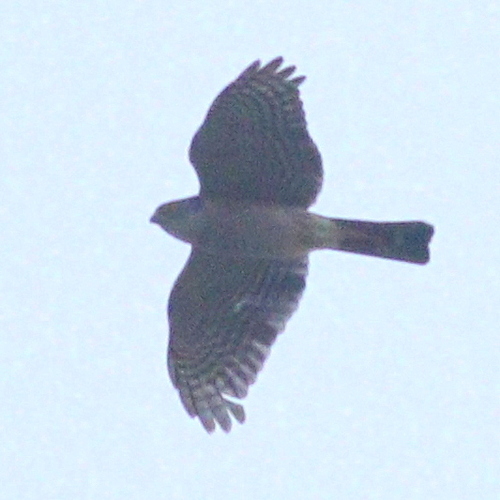 Little Sparrowhawk
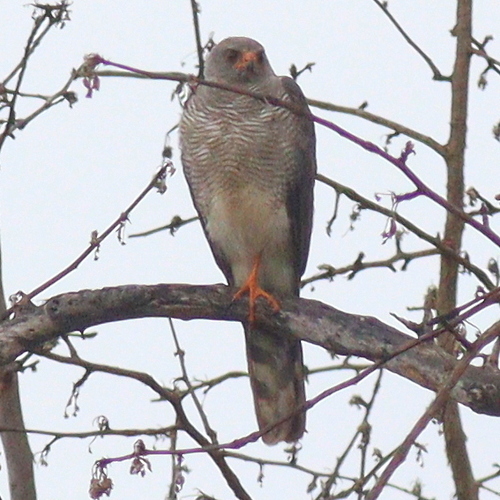 Ovambo Sparrowhawk
In breve
Il segno distintivo più affidabile tra Little Sparrowhawk e Ovambo Sparrowhawk è la dimensione: Little Sparrowhawk è molto più piccolo e delicato, con un'apertura alare notevolmente più corta e una struttura più leggera. Sul campo, i Little Sparrowhawk adulti mostrano due macchie bianche sulla parte inferiore delle penne centrali della coda e una stretta macchia bianca sul dorso, mentre gli Ovambo Sparrowhawk hanno una coda più ampia con tre barre scure e una banda subterminale audace, oltre a un dorso barrato di bianco. I giovani di entrambi sono più marroni, ma i giovani di Little Sparrowhawk mostrano parti inferiori macchiate (non barrate) e solo punte bianche sulle penne del dorso, mentre i giovani di Ovambo possono avere parti inferiori rufous o bianche e una testa marrone. Anche il colore degli occhi, del cere e delle gambe differisce: i Little Sparrowhawk adulti hanno occhi gialli profondi e gambe gialle, mentre gli Ovambo Sparrowhawk adulti hanno occhi rossi scuri, gambe arancioni e un cere rosso. La struttura e il volo sono anche utili: Little Sparrowhawk è più compatto e delicato, mentre Ovambo Sparrowhawk è più robusto e con ali più lunghe.
Consigli di identificazione
- La dimensione è il separatore più rapido: Ovambo Sparrowhawk è quasi il doppio della massa e ha ali molto più lunghe rispetto a Little Sparrowhawk. Se hai una chiara percezione della scala, questo è decisivo.
- Schema della coda in volo: I Little Sparrowhawk adulti mostrano due macchie bianche sulla parte inferiore delle penne centrali della coda; l'Ovambo Sparrowhawk ha tre barre scure sulla coda e una larga banda subterminale, mancando delle macchie bianche.
- Macchia sul dorso: Little Sparrowhawk mostra una stretta macchia bianca sul dorso inferiore (adulti); l'Ovambo Sparrowhawk ha un dorso barrato di bianco, che può apparire più esteso e meno definito.
- Barratura delle parti inferiori: I maschi di Little Sparrowhawk hanno una fine barratura rufous sotto; le femmine hanno una barratura più ampia e marrone. Gli adulti di Ovambo Sparrowhawk hanno una fine barratura grigia su parti inferiori bianche e un ventrale bianco semplice—mai rufous.
- Parti inferiori dei giovani: I giovani di Little Sparrowhawk sono macchiati di marrone sotto (non barrati); i giovani di Ovambo possono essere bianchi o rufous sotto, a volte con una testa marrone, e la barratura è variabile.
- Colore delle parti superiori: I maschi di Little Sparrowhawk sono grigi scuri (quasi neri) sopra; le femmine e i giovani sono più marroni. Gli adulti di Ovambo Sparrowhawk sono grigi semplici sopra, mai così scuri come i maschi di Little Sparrowhawk.
- Colore degli occhi: L'adulto di Little Sparrowhawk ha occhi gialli profondi; gli adulti di Ovambo Sparrowhawk hanno occhi rossi scuri. Il giovane di Little Sparrowhawk ha occhi marroni; controlla attentamente l'età.
- Colore del cere e delle gambe: Gli adulti di Little Sparrowhawk hanno cere e gambe gialle; gli adulti di Ovambo Sparrowhawk hanno cere rossi e gambe arancioni. Il giovane di Little Sparrowhawk ha un cere giallo-verde.
- Becco: Entrambi hanno becchi neri, non un separatore utile.
- Volo: Little Sparrowhawk è compatto, con ali corte e agile; Ovambo Sparrowhawk è più robusto, con ali più lunghe, e può apparire più potente in volo.
- Forma melanistica: Solo l'Ovambo Sparrowhawk ha una forma melanistica (tutta nera) (con penne da volo sotto barrate di bianco), che non è mai mostrata da Little Sparrowhawk.
- Dimorfismo sessuale: Entrambe le specie mostrano un certo dimorfismo sessuale, ma le differenze di colore (grigio vs marrone) sono più pronunciate in Little Sparrowhawk.
- Ventrale semplice: L'Ovambo Sparrowhawk ha un ventrale bianco semplice, che può essere un segno sottile ma utile negli adulti.
- Bianco sulla coda: Solo il Little Sparrowhawk mostra due macchie bianche sulla parte inferiore delle penne centrali della coda—cerca questo in uccelli posati o in volo.
- Contesto: Se ti trovi in un'area in cui entrambi si trovano, controlla sempre prima la dimensione, poi il modello della coda e del dorso, poi i colori delle parti molli. Se ci si aspetta solo uno, fai attenzione ai giovani, poiché entrambi possono apparire marroni e striati.
Taglia
Ovambo Sparrowhawk è molto più grande e pesante di Little Sparrowhawk. Ovambo pesa in media circa 192,5 g in massa corporea (adulto), con una lunghezza di circa 30 cm e un'apertura alare di 67 cm. Little Sparrowhawk è significativamente più piccolo, con una lunghezza di 23–27 cm e un'apertura alare di 39–50 cm; i maschi pesano 74–85 g e le femmine 68–105 g. In un confronto diretto, l'Ovambo Sparrowhawk è quasi il doppio del peso e ha ali molto più lunghe, rendendo la dimensione un forte indizio sul campo se visti insieme o con una buona percezione della scala.
Piumaggio
- Giovani: I giovani di Little Sparrowhawk sono più marroni sopra con punte chiare sulle penne superiori, le parti inferiori sono macchiate di marrone (non barrate), e le penne del dorso hanno solo punte bianche. I giovani di Ovambo Sparrowhawk sono anch'essi marroni sopra, ma le parti inferiori possono essere bianche o rufous, e la testa può essere marrone; la barratura è meno consistente, e alcuni mostrano rufous sotto.
- Adulti: I maschi di Little Sparrowhawk sono grigi scuri sopra (quasi neri), con gola bianca e fine barratura rufous sotto; le femmine sono più marroni sopra e hanno barratura più ampia e marrone. Entrambi i sessi mostrano due macchie bianche sulla parte inferiore delle penne centrali della coda e una stretta macchia bianca sul dorso inferiore. Gli adulti di Ovambo Sparrowhawk sono grigi semplici sopra, bianchi sotto con fine barratura grigia (non rufous), e un ventrale bianco semplice. La coda ha tre barre scure e una larga banda subterminale scura, e il dorso è barrato di bianco. Ovambo ha anche una forma melanistica (tutta nera tranne per le penne da volo sotto barrate di bianco), che Little Sparrowhawk non ha.
- Parti molli: Gli adulti di Little Sparrowhawk hanno occhi gialli profondi, gambe gialle e un cere giallo; i giovani hanno occhi marroni e un cere giallo-verde. Gli adulti di Ovambo Sparrowhawk hanno occhi rossi scuri, gambe arancioni e un cere rosso.
Comportamento
Entrambi sono tipici piccoli rapaci di tipo Accipiter, ma l'Ovambo Sparrowhawk, essendo più grande e con ali più lunghe, può apparire più potente e meno tremolante in volo. Little Sparrowhawk, essendo più piccolo e delicato, appare spesso più agile e compatto, con battiti d'ali rapidi e movimenti veloci e repentini. Entrambi si posano in copertura e possono essere segreti, ma l'Ovambo più grande può essere più propenso a planare o essere visto in situazioni più aperte.
Little Sparrowhawk · Ovambo Sparrowhawk · I miei uccelli difficili