

Motmot

ハジロマユヒタキ 対 オジロビタキ

Ficedula westermanni 対 Ficedula albicilla

ハジロマユヒタキとオジロビタキのクイズ
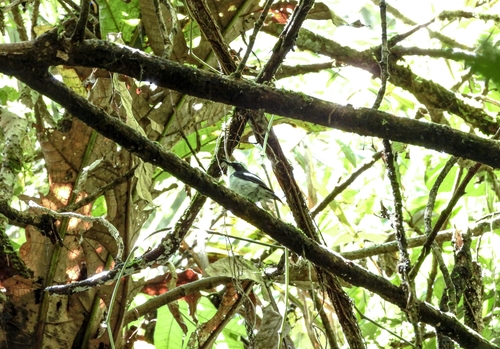
ハジロマユヒタキ (Ficedula westermanni) ハジロマユヒタキ
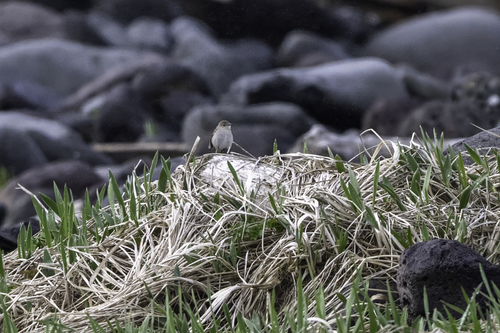
オジロビタキ (Ficedula albicilla) オジロビタキ

メディア

読み込み中…

要点

ハジロマユヒタキとオジロビタキの間で最も信頼できるフィールドマークは、成鳥のオスのハジロマユヒタキの強い白黒のコントラストであり、これはオジロビタキでは決して見られません。雌と幼鳥については、尾のパターンに注目してください:オジロビタキの雌と若い鳥は、白い側面を持つ黒っぽい尾を示しますが、ハジロマユヒタキにはこのパターンがありません。止まっている姿では、オジロビタキの雌は上面が茶色で、胸は淡い色で、主に白い腹部を持っているのに対し、ハジロマユヒタキはよりコントラストが強いです。サイズは似ていますが、ハジロマユヒタキはわずかに軽いです。両種は東南アジアで重なり合うため、羽毛と尾に細心の注意を払うことが重要です。

識別のコツ

  1. 成鳥のオスのハジロマユヒタキは際立って黒と白です:黒い上面と白い下面の間に大胆なコントラストを探してください。白い喉と腹部を含みます。オジロビタキはどの羽毛でもこのパターンを示しません。
  2. 雌と幼鳥のオジロビタキは白い側面を持つ黒っぽい尾を持っています:この尾のパターンは、鳥が尾を扇いだり振ったりするときに見え、白が尾にないハジロマユヒタキとの重要な区別点です。
  3. 雌のオジロビタキは上面が茶色で、胸は淡い色、下面は主に白です:この組み合わせは、より鮮明にマーキングされた雌のハジロマユヒタキと比較して独特です。
  4. 繁殖期のオスのオジロビタキはオレンジ色の喉の斑点を示します:これは喉に限られ、胸には広がりません。ハジロマユヒタキのオスは喉に赤やオレンジを示しません。
  5. ハジロマユヒタキの雌と幼鳥はオジロビタキよりもコントラストが強いです:鈍い羽毛でも、ハジロマユヒタキは上面と下面の間により鮮明な区分を持つ傾向があります。
  6. どちらの種にも特有の上翼や飛行パターンは記載されていません:飛行中または止まっている姿で尾と下面の色に注目してください。
  7. 両種は小さくて繊細です:サイズは信頼できるフィールドマークではありませんが、ハジロマユヒタキは平均してわずかに軽いです。
  8. 東南アジアでの生息地の重なり:両種が冬に一緒に生息する場所では、生息地だけに頼らないでください。
  9. ニシオジロビタキとの混同に注意:オジロビタキはニシオジロビタキと混同されることがありますが、後者の雌は茶色の尾を持ち(白い側面の黒っぽい尾ではなく)、繁殖期のオスは胸に赤が広がります。
  10. 観察の文脈:冬の月以外にヒマラヤで見られた場合、ハジロマユヒタキの可能性が高いです;北方のタイガ地域では、オジロビタキが繁殖者です。
  11. くちばしと構造は特有とは記載されていません:現在の情報源に基づいてこれらの特徴を区別に使用しないでください。
  12. 音声は情報源に詳しく記載されていません:羽毛と尾のパターンを主なフィールドマークとして使用してください。
  13. 疑わしい場合は、尾のパターンと下面のコントラストに注目してください:これらは雌と幼鳥の羽毛で最も一貫した区別点です。
  14. 繁殖期のオスでオレンジ色の喉を確認してください:オジロビタキだけがこれを示し、喉にのみ見られます。
  15. 両種が冬に東南アジアで一緒に存在する可能性があることを忘れないでください:正確な識別のためには注意深い観察が必要です。

大きさ

ハジロマユヒタキはわずかに軽く、体重は約7.8g [wikidata]ですが、オジロビタキはサイズが似ているものの、正確な体重は示されていません。フィールドでは、両者は小さくて繊細なヒタキとして見え、サイズだけでは信頼できる区別点ではありません。

羽色

成鳥のオスのハジロマユヒタキは、黒い上面と白い下面で大胆にマーキングされており、明確な白い喉と腹部を含むため、どのオジロビタキよりもはるかにコントラストが強いです。雌と幼鳥のハジロマユヒタキはより控えめですが、オジロビタキと比較しても依然として鮮明なパターンを示します。オジロビタキの雌と幼鳥は、茶色の上面、白い側面を持つ黒っぽい尾、そして主に白い腹部を持つ淡い色の胸を持っています。繁殖期のオスのオジロビタキはオレンジ色の喉の斑点を示しますが、これは胸には広がりません(ニシオジロビタキとは異なります)。すべての羽毛において、オジロビタキの尾のパターン—白い側面を持つ黒っぽいもの—は重要なフィールドマークであり、特に飛行中や尾が広がっているときに顕著です。ハジロマユヒタキはこの尾のパターンがなく、雌はオジロビタキのような淡い色の胸や茶色の上面を示しません。情報源には、どちらの種の年齢特有の上翼パターンは詳しく記載されていません。

行動

両種は典型的なFicedulaヒタキとして行動します:活発で、止まり木から昆虫を捕まえるために飛び出します。情報源には診断的な行動の違いは記載されていません。

生息環境

ハジロマユヒタキはヒマラヤと東南アジアに生息し、通常は森林の生息地に見られます。オジロビタキは北ユーラシアのタイガ森林で繁殖し、南アジアと東南アジアで冬を過ごし、冬の生息地でハジロマユヒタキと重なります。両者は非繁殖期の東南アジアで類似の森林生息地に見られるため、生息地だけでは重なり合う範囲での信頼できる区別点ではありません。

より良い説明を送る

比較と同じ項目を使ってください。文章はすぐに公開されます。

The most reliable field mark between Little Pied Flycatcher and Taiga Flycatcher is the strong black-and-white contrast of adult male Little Pied, which is never matched by Taiga. For females and immatures, focus on tail pattern: Taiga Flycatcher females and young birds show a blackish tail with white sides, while Little Pied Flycatcher lacks this pattern. In perched views, also note that Taiga Flycatcher females are brown above with a buffish breast and mostly white underparts, whereas Little Pied Flycatcher is more contrasting. Size is similar, but Little Pied is slightly lighter. Both species overlap in Southeast Asia, so careful attention to plumage and tail is essential.

  1. Adult male Little Pied Flycatcher is strikingly black and white: Look for a bold contrast between black upperparts and white underparts, including a white throat and belly. Taiga Flycatcher never shows this pattern in any plumage.
  2. Female and immature Taiga Flycatcher have a blackish tail with white sides: This tail pattern is visible when the bird fans or flicks its tail, and is a key separator from Little Pied, which lacks white in the tail.
  3. Female Taiga Flycatcher is brown above, buffish on the breast, and mostly white below: This combination is distinctive compared to the more crisply marked female Little Pied.
  4. Breeding male Taiga Flycatcher shows an orange-red throat patch: This is limited to the throat and does not extend onto the breast. Little Pied males never show any red or orange on the throat.
  5. Little Pied Flycatcher females and immatures are more contrasting than Taiga: Even in duller plumages, Little Pied tends to have a crisper division between upperparts and underparts.
  6. No distinctive upperwing or flight pattern is described for either species: Focus on tail and underpart color in flight or perched views.
  7. Both species are small and delicate: Size is not a reliable field mark, but Little Pied is slightly lighter on average.
  8. Habitat overlap in Southeast Asia: Do not rely on habitat alone where both species occur together in winter.
  9. Be cautious with Red-breasted Flycatcher confusion: Taiga Flycatcher can be confused with Red-breasted Flycatcher, but the latter's female has a brown tail (not blackish with white sides), and breeding males have red extending onto the breast.
  10. Context of observation: If seen in the Himalayas outside the winter months, Little Pied is more likely; in northern taiga regions, Taiga is the breeder.
  11. Bill and structure are not described as distinctive: Do not use these features for separation based on current sources.
  12. Vocalizations are not detailed in the sources: Use plumage and tail pattern as primary field marks.
  13. If in doubt, focus on tail pattern and underpart contrast: These are the most consistent separators in female and immature plumages.
  14. Check for orange-red throat in males during breeding season: Only Taiga shows this, and only on the throat.
  15. Remember that both species can be present together in Southeast Asia during winter: Careful observation is necessary for positive identification.

Little Pied Flycatcher is slightly lighter, with a body mass of about 7.8 g [wikidata], while Taiga Flycatcher is similar in size but no precise mass is given. In the field, both appear as small, delicate flycatchers, and size alone is not a reliable separator.

Adult male Little Pied Flycatcher is boldly marked with black upperparts and white underparts, including a clear white throat and belly, making it much more contrasting than any Taiga Flycatcher. Female and immature Little Pied are more subdued but still show a crisp pattern compared to Taiga. Taiga Flycatcher females and immatures have brown upperparts, a blackish tail with white sides, and a buffish breast with mostly white underparts. Breeding male Taiga Flycatcher shows an orange-red throat patch, but this does not extend onto the breast (unlike Red-breasted Flycatcher). In all plumages, Taiga's tail pattern—blackish with white flanks—is a key field mark, especially in flight or when the tail is spread. Little Pied Flycatcher lacks this tail pattern, and its females do not show the same buffish breast or brown upperparts as Taiga. No age-specific upperwing patterns are detailed for either species in the sources.

Both species behave as typical Ficedula flycatchers: active, sallying from perches to catch insects. No diagnostic behavioral differences are noted in the sources.

Little Pied Flycatcher is native to the Himalayas and Southeast Asia, typically found in forested habitats. Taiga Flycatcher breeds in northern Eurasian taiga forests and winters in South and Southeast Asia, overlapping with Little Pied in wintering grounds. Both can be found in similar wooded habitats in Southeast Asia during the non-breeding season, so habitat alone is not a reliable separator where ranges overlap.

変更を破棄しますか?

保存していない編集があります。今離れると失われます。

ハジロマユヒタキ · オジロビタキ · 苦手な鳥