

Little Pied Flycatcher vs Taiga Flycatcher
Ficedula westermanni contro Ficedula albicilla
Fai un quiz con Little Pied Flycatcher e Taiga Flycatcher
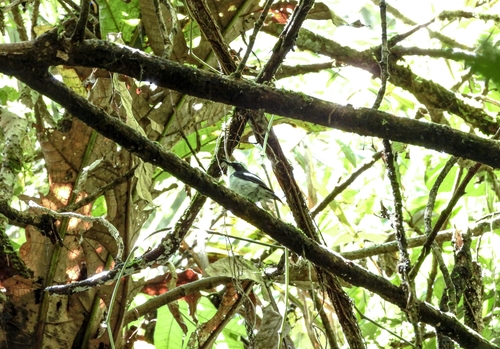 Little Pied Flycatcher
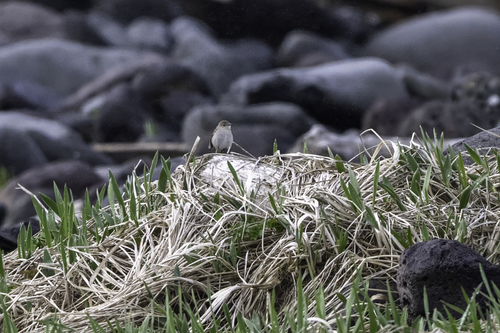 Taiga Flycatcher
In breve
Il segno di campo più affidabile tra il Little Pied Flycatcher e il Taiga Flycatcher è il forte contrasto bianco e nero del maschio adulto di Little Pied, che non è mai eguagliato dal Taiga. Per le femmine e gli immaturi, concentrati sul modello della coda: le femmine e i giovani del Taiga Flycatcher mostrano una coda nerognola con lati bianchi, mentre il Little Pied Flycatcher manca di questo modello. Nelle viste in perching, nota anche che le femmine del Taiga Flycatcher sono marroni sopra con un petto color crema e parti inferiori per lo più bianche, mentre il Little Pied Flycatcher è più contrastante. La dimensione è simile, ma il Little Pied è leggermente più leggero. Entrambe le specie si sovrappongono nel sud-est asiatico, quindi è essenziale prestare attenzione al piumaggio e alla coda.
Consigli di identificazione
- Il maschio adulto di Little Pied Flycatcher è sorprendentemente nero e bianco: Cerca un forte contrasto tra le parti superiori nere e le parti inferiori bianche, inclusa una gola e un ventre bianchi. Il Taiga Flycatcher non mostra mai questo modello in nessun piumaggio.
- Le femmine e gli immaturi del Taiga Flycatcher hanno una coda nerognola con lati bianchi: Questo modello di coda è visibile quando l'uccello apre o muove la coda, ed è un separatore chiave dal Little Pied, che manca di bianco nella coda.
- La femmina del Taiga Flycatcher è marrone sopra, color crema sul petto e per lo più bianca sotto: Questa combinazione è distintiva rispetto alla femmina di Little Pied, che ha segni più netti.
- Il maschio in riproduzione del Taiga Flycatcher mostra una macchia di gola arancio-rossa: Questa è limitata alla gola e non si estende sul petto. I maschi di Little Pied non mostrano mai rosso o arancio sulla gola.
- Le femmine e gli immaturi del Little Pied Flycatcher sono più contrastanti rispetto al Taiga: Anche nei piumaggi più opachi, il Little Pied tende ad avere una divisione più netta tra le parti superiori e inferiori.
- Nessun modello distintivo di ala superiore o di volo è descritto per entrambe le specie: Concentrati sul colore della coda e delle parti inferiori in volo o in posato.
- Entrambe le specie sono piccole e delicate: La dimensione non è un segno di campo affidabile, ma il Little Pied è leggermente più leggero in media.
- Sovrapposizione dell'habitat nel sud-est asiatico: Non fare affidamento solo sull'habitat dove entrambe le specie si trovano insieme in inverno.
- Fai attenzione alla confusione con il Pigliamosche pettirosso: Il Taiga Flycatcher può essere confuso con il Pigliamosche pettirosso, ma la femmina di quest'ultimo ha una coda marrone (non nerognola con lati bianchi), e i maschi in riproduzione hanno rosso che si estende sul petto.
- Contesto di osservazione: Se visto nell'Himalaya al di fuori dei mesi invernali, è più probabile che sia il Little Pied; nelle regioni della taiga settentrionale, il Taiga è il riproduttore.
- Il becco e la struttura non sono descritti come distintivi: Non utilizzare queste caratteristiche per la separazione basata sulle fonti attuali.
- Le vocalizzazioni non sono dettagliate nelle fonti: Utilizza il piumaggio e il modello della coda come segni di campo primari.
- Se hai dubbi, concentrati sul modello della coda e sul contrasto delle parti inferiori: Questi sono i separatori più consistenti nei piumaggi femminili e immaturi.
- Controlla la gola arancio-rossa nei maschi durante la stagione di riproduzione: Solo il Taiga mostra questo, e solo sulla gola.
- Ricorda che entrambe le specie possono essere presenti insieme nel sud-est asiatico durante l'inverno: È necessaria un'osservazione attenta per una identificazione positiva.
Taglia
Il Little Pied Flycatcher è leggermente più leggero, con una massa corporea di circa 7.8 g [wikidata], mentre il Taiga Flycatcher è simile in dimensioni ma non è fornita una massa precisa. Sul campo, entrambe appaiono come piccoli e delicati pigliamosche, e la dimensione da sola non è un separatore affidabile.
Piumaggio
Il maschio adulto di Little Pied Flycatcher è marcato audacemente con parti superiori nere e parti inferiori bianche, inclusa una gola e un ventre bianchi chiari, rendendolo molto più contrastante rispetto a qualsiasi Taiga Flycatcher. Le femmine e gli immaturi di Little Pied sono più sobrie ma mostrano comunque un modello nitido rispetto al Taiga. Le femmine e gli immaturi del Taiga Flycatcher hanno parti superiori marroni, una coda nerognola con lati bianchi, e un petto color crema con parti inferiori per lo più bianche. Il maschio in riproduzione del Taiga Flycatcher mostra una macchia di gola arancio-rossa, ma questa non si estende sul petto (a differenza del Pigliamosche pettirosso). In tutti i piumaggi, il modello della coda del Taiga—nerognolo con fianchi bianchi—è un segno di campo chiave, specialmente in volo o quando la coda è aperta. Il Little Pied Flycatcher manca di questo modello di coda, e le sue femmine non mostrano lo stesso petto color crema o le parti superiori marroni come il Taiga. Nessun modello di ala superiore specifico per età è dettagliato per entrambe le specie nelle fonti.
Comportamento
Entrambe le specie si comportano come tipici pigliamosche Ficedula: attive, saltando dai posatoi per catturare insetti. Non sono notate differenze comportamentali diagnostiche nelle fonti.
Habitat
Il Little Pied Flycatcher è nativo degli Himalaya e del sud-est asiatico, tipicamente trovato in habitat forestali. Il Taiga Flycatcher nidifica nelle foreste di taiga dell'Eurasia settentrionale e sverna nel sud e sud-est asiatico, sovrapponendosi al Little Pied nei terreni di svernamento. Entrambi possono essere trovati in habitat boschivi simili nel sud-est asiatico durante la stagione non riproduttiva, quindi l'habitat da solo non è un separatore affidabile dove le aree si sovrappongono.
Little Pied Flycatcher · Taiga Flycatcher · I miei uccelli difficili