

Motmot

ヒメカモメ 対 クビワカモメ

Hydrocoloeus minutus 対 Xema sabini

ヒメカモメとクビワカモメのクイズ
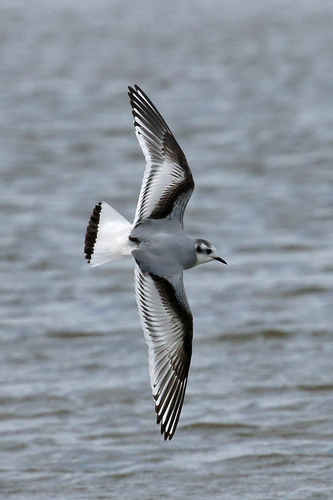
ヒメカモメ (Hydrocoloeus minutus) ヒメカモメ
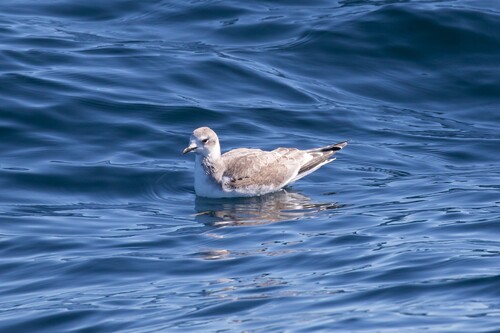
クビワカモメ (Xema sabini) クビワカモメ

メディア

読み込み中…

要点

ヒメカモメとクビワカモメの間で最も信頼できるフィールドマーク、特に飛行中は、幼鳥と未成熟個体の上翼パターンです:ヒメカモメは上翼に大胆な暗い「W」を示し、クビワカモメの幼鳥は成鳥の灰色の代わりに茶色(灰色ではない)を使用した三色の上翼と黒い尾端バンドを持っています。成鳥は、下翼の色(ヒメカモメ:暗灰色の下翼;クビワカモメ:淡色)、くちばしの色(クビワカモメ:先端が黄色の黒いくちばし)、および尾の形(クビワカモメ:わずかに分かれた)によって最もよく区別されます。ヒメカモメははるかに小さく、繊細で、短いくちばしと丸い翼を持っています。両者は移動中に似た生息地に現れることがありますが、ヒメカモメは世界で最も小さなカモメであり、飛行中はしばしばより浮遊感があり、トンビのように見えます。

識別のコツ

  1. Juvenile/first-winter upperwing pattern: ヒメカモメは上翼に大胆な黒い「W」を示します(幼鳥と初冬)、カモメの中でユニークです;クビワカモメの幼鳥は茶色のトーンを持つ三色の上翼を持ち、「W」がなく、黒い尾バンドがあります。
  2. Underwing color (all ages): ヒメカモメは非常に暗い灰色の下翼を持ち、飛行中に見えるカモメの中でユニークです;クビワカモメの下翼は淡色です。
  3. Tail shape: クビワカモメはわずかに分かれた白い尾を持ちます(すべての年齢、特に成鳥と幼鳥で明らかです);ヒメカモメの尾は四角またはわずかに丸みを帯びており、決して分かれていません。
  4. Bill color and shape: クビワカモメの成鳥は先端が黄色の黒いくちばしを持ちます;ヒメカモメのくちばしは暗赤色(繁殖期)または黒(非繁殖期)で、短くて細いです。
  5. Leg color: ヒメカモメは繁殖羽衣で明るい赤い脚を持ちます(非繁殖期では鈍い色);クビワカモメの脚の色はメモに指定されていませんが、明るい赤ではありません。
  6. Adult hood: ヒメカモメ(繁殖期)は完全な黒いフードを持ちます;クビワカモメ(繁殖期)は狭い黒い襟を持つ暗灰色のフードがあります。非繁殖期では、ヒメカモメは黒いキャップと耳の斑点に減少し、クビワカモメはフードを完全に失います。
  7. Adult upperwing pattern: クビワカモメ(成鳥)は目を引く三色の上翼を持ちます:黒い外側の一次羽、白い内側の一次羽/二次羽、淡灰色の覆羽;ヒメカモメの成鳥の上翼は淡灰色で白い一次羽を持ち、大胆な三色のコントラストが欠けています。
  8. Size and structure: ヒメカモメははるかに小さく、よりコンパクトで、短いくちばしと丸い翼を持ちます;クビワカモメは大きく、長い翼を持ち、より頑丈です。
  9. Flight style: ヒメカモメは浮遊感があり、トンビのようで、迅速で浅い翼の羽ばたきがあります;クビワカモメはより安定しており、長く尖った翼とより直接的な飛行を持ちます。
  10. Habitat context: ヒメカモメは内陸または保護された水域にいる可能性が高いです;クビワカモメは移動中に沖合や開放的な海岸でより頻繁に見られます。
  11. Juvenile tail band: クビワカモメの幼鳥は黒い尾端バンドを持ち、ヒメカモメにはありません。
  12. Plumage transition: ヒメカモメの幼鳥は初冬まで「W」の上翼パターンを保持します;クビワカモメの幼鳥は2年目まで三色の翼と尾バンドを保持します。
  13. Voice: 聞こえた場合、クビワカモメは非常に高音のきしむような鳴き声を出します;ヒメカモメの鳴き声はここでは説明されていません。
  14. Bill tip: クビワカモメだけが黄色の先端を持つくちばし(成鳥)を示し、近距離での重要なマークです。
  15. Plumage pitfalls: 両種は淡灰色の背中を持ち、繁殖期に暗いフードを示すことがありますが、ヒメカモメだけが本当に小さく、クビワカモメだけが三色の翼と分かれた尾を持っています。

大きさ

ヒメカモメは世界で最も小さなカモメで、体重は約98g、翼幅は62〜69cmです。クビワカモメはほぼ2倍の重さ(185g)、長さ(27〜33cm対24〜28cm)、そしてはるかに広い翼幅(81〜87cm)です。フィールドでは、クビワカモメは明らかに大きく、長い翼を持ち、より頑丈に見えますが、ヒメカモメは小柄でコンパクトで繊細です。

羽色

幼鳥と初冬の鳥は飛行中に最も簡単に区別されます:ヒメカモメ(幼鳥/初冬)は上翼に目を引く黒い「W」を示し、白い下翼と暗い頭/背中を持ちます;クビワカモメの幼鳥は三色の上翼(茶色が成鳥の灰色に置き換わる)、黒い尾バンドを持ち、「W」パターンがありません。初冬までに、ヒメカモメの頭と体は成鳥に似ますが、上翼の「W」は残ります。一方、クビワカモメは三色の翼と尾バンドを保持します。繁殖羽衣の成鳥:ヒメカモメは完全な黒いフード、暗赤色のくちばし、明るい赤い脚を持ちます;クビワカモメは狭い黒い襟を持つ暗灰色のフード、先端が黄色の黒いくちばし、わずかに分かれた白い尾を持ちます。非繁殖羽衣では、ヒメカモメのフードは黒いキャップと耳の斑点に減少し、クビワカモメはフードを失いますが、独特の翼パターンと尾の形を保持します。下翼:ヒメカモメ(すべての年齢)は非常に暗い灰色の下翼を示し、カモメの中でユニークです;クビワカモメの下翼は淡色です。成鳥のクビワカモメの上翼は三色です:黒い外側の一次羽、白い内側の一次羽/二次羽、淡灰色の覆羽です。

行動

ヒメカモメは水面から昆虫をつまんだり、飛行中に捕まえたりして餌を取ることが多く、浮遊感のあるトンビのような飛行スタイルと迅速で浅い羽ばたきを持っています。クビワカモメは、特に移動中に、沖合や開放水域でより頻繁に見られ、より直接的で目的のある飛行と長く尖った翼を持ちます。クビワカモメは、繊細なヒメカモメよりも頑丈で、ひらひらしないように見えることがあります。

生息環境

両種は移動中に海や海岸で見ることができますが、ヒメカモメは淡水湖や湿地で繁殖し、内陸や小さな水域で見つかる可能性が高いです。クビワカモメは北極で繁殖し、通常は移動中に沖合で見られ、珍しい渡り鳥としてでない限り、遠くの内陸では見つかりにくいです。北アメリカとヨーロッパでは、ヒメカモメは湖、湿地、または保護された海岸でより頻繁に見られ、クビワカモメは通常、通過中に海や開放的な海岸で遭遇します。

声

クビワカモメは非常に高音のきしむような鳴き声を持ち、聞こえた場合は特徴的です。ヒメカモメの鳴き声は提供されたメモに記載されていないため、声はクビワカモメがその独特の鳴き声を出している場合のみ診断的です。

より良い説明を送る

比較と同じ項目を使ってください。文章はすぐに公開されます。

The most reliable field mark between Little Gull and Sabine's Gull, especially in flight, is the upperwing pattern of juveniles and immatures: Little Gull shows a bold dark 'W' across the upperwings, while Sabine's Gull juvenile has a tricolored upperwing with brown (not grey) replacing adult grey, and a black terminal tail band. Adults are best separated by underwing color (Little Gull: dark grey underwing; Sabine's: pale), bill color (Sabine's: black with yellow tip), and tail shape (Sabine's: slightly forked). Little Gull is much smaller and daintier, with a shorter bill and rounder wings. Both can appear in similar habitats during migration, but Little Gull is the smallest gull in the world and often appears more buoyant and tern-like in flight.

  1. Juvenile/first-winter upperwing pattern: Little Gull shows a bold black 'W' across the upperwings (juvenile and first-winter), unique among gulls; Sabine's Gull juvenile has a tricolored upperwing with brown tones and no 'W', plus a black tail band.
  2. Underwing color (all ages): Little Gull has very dark grey underwings, visible in flight and unique among gulls; Sabine's Gull underwing is pale.
  3. Tail shape: Sabine's Gull has a slightly forked white tail (all ages, especially obvious in adults and juveniles); Little Gull's tail is square or slightly rounded, never forked.
  4. Bill color and shape: Sabine's Gull adult has a black bill with a yellow tip; Little Gull's bill is dark red (breeding) or black (non-breeding), shorter and finer.
  5. Leg color: Little Gull has bright red legs in breeding plumage (duller in non-breeding); Sabine's Gull's leg color is not specified in the notes, but is not bright red.
  6. Adult hood: Little Gull (breeding) has a full black hood; Sabine's (breeding) has a dark grey hood with a narrow black collar at the base. In non-breeding, Little Gull reduces to a black cap and ear spot, while Sabine's loses the hood entirely.
  7. Adult upperwing pattern: Sabine's Gull (adult) has a striking tricolored upperwing: black outer primaries, white inner primaries/secondaries, pale grey coverts; Little Gull adult upperwing is pale grey with white primaries, lacking the bold tricolor contrast.
  8. Size and structure: Little Gull is much smaller, more compact, with shorter bill and rounder wings; Sabine's is larger, longer-winged, and more robust.
  9. Flight style: Little Gull is buoyant, tern-like, with rapid, shallow wingbeats; Sabine's is steadier, with long, pointed wings and a more direct flight.
  10. Habitat context: Little Gull is more likely inland or at sheltered waters; Sabine's is more often seen offshore or along open coasts during migration.
  11. Juvenile tail band: Sabine's Gull juvenile has a black terminal tail band, lacking in Little Gull.
  12. Plumage transition: Little Gull juveniles retain the 'W' upperwing pattern into first winter; Sabine's juveniles keep their tricolored wing and tail band until second year.
  13. Voice: If heard, Sabine's Gull gives a very high-pitched, squeaking call; Little Gull's call is not described here.
  14. Bill tip: Only Sabine's Gull shows a yellow-tipped bill (adult), a key mark at close range.
  15. Plumage pitfalls: Both species have pale grey backs and can show dark hoods in breeding, but only Little Gull is truly tiny and only Sabine's has the tricolored wing and forked tail.

Little Gull is the smallest gull globally, with a body mass around 98 g and a wingspan of 62–69 cm. Sabine's Gull is nearly twice as heavy (185 g), longer (27–33 cm vs. 24–28 cm), and with a much broader wingspan (81–87 cm). In the field, Sabine's appears noticeably larger, longer-winged, and more robust, while Little Gull is petite, compact, and delicate.

Juvenile and first-winter birds are most easily separated in flight: Little Gull (juvenile/first-winter) shows a striking black 'W' across the upperwings, with white underwings and a dark head/back; Sabine's Gull juvenile has a tricolored upperwing (brown replaces adult grey), a black tail band, and lacks the 'W' pattern. By first winter, Little Gull's head and body resemble adults but the 'W' on the upperwing remains, while Sabine's retains the tricolored wing and tail band. Adults in breeding plumage: Little Gull has a full black hood, dark red bill, and bright red legs; Sabine's has a dark grey hood with a narrow black collar, a black bill with yellow tip, and a slightly forked white tail. In non-breeding plumage, Little Gull's hood reduces to a black cap and ear spot, while Sabine's loses the hood but retains the distinctive wing pattern and tail shape. Underwing: Little Gull (all ages) shows very dark grey underwings, unique among gulls; Sabine's underwing is pale. Adult Sabine's upperwing is tricolored: black outer primaries, white inner primaries/secondaries, and pale grey coverts.

Little Gull often feeds by picking insects off the water surface or catching them in flight, with a buoyant, tern-like flight style and rapid, shallow wingbeats. Sabine's Gull, especially during migration, is more often seen offshore or over open water, with a more direct, purposeful flight and longer, pointed wings. Sabine's may appear more robust and less fluttery than the delicate Little Gull.

Both species can be seen at sea or along coasts during migration, but Little Gull breeds on freshwater lakes and marshes, and is more likely to be found inland or at smaller bodies of water. Sabine's Gull is an Arctic breeder, usually seen offshore during migration, and is less likely to be found far inland except as a rare migrant. In North America and Europe, Little Gull is more often found at lakes, marshes, or sheltered coasts, while Sabine's is typically encountered at sea or along open coasts during passage.

Sabine's Gull has a very high-pitched, squeaking call, which is distinctive if heard. Little Gull's vocalizations are not described in the provided notes, so voice is only diagnostic if Sabine's is heard giving its unique call.

変更を破棄しますか?

保存していない編集があります。今離れると失われます。

ヒメカモメ · クビワカモメ · 苦手な鳥