

Motmot

コサギ 対 セジロミゾゴイ

Egretta garzetta 対 Calherodius leuconotus

コサギとセジロミゾゴイのクイズ
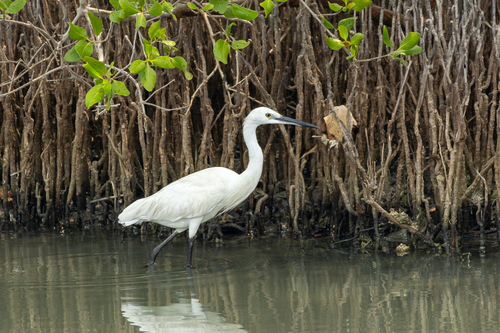
コサギ (Egretta garzetta) コサギ
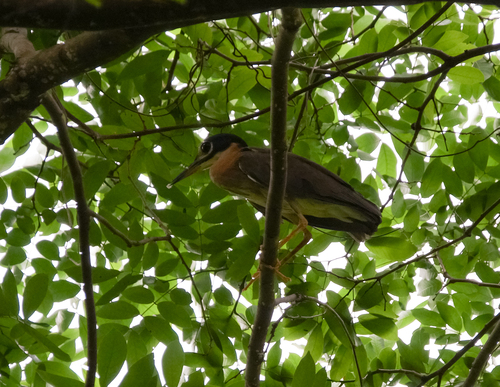
セジロミゾゴイ (Calherodius leuconotus) セジロミゾゴイ

メディア

読み込み中…

要点

これら二種を区別する最も信頼できるフィールドマークは全体の羽色です:成鳥のコサギは完全に白いのに対し、セジロミゾゴイは背中に特徴的な白い三角形と黒い頭を持つ暗い赤褐色の胸を持つヘロンです。幼鳥のセジロミゾゴイはストライプのある胸と上翼の覆羽に白い斑点を示し、コサギはどの年齢でもこれに匹敵しません。構造的には、コサギは細身で長く細い黒いくちばしと黒い脚に黄色い足を持ち、セジロミゾゴイはずんぐりしていて、黄色い脚と短くて重いくちばしを持っています。飛行中または休息中に、これらの違いは色のコントラストと脚の色に焦点を当てれば明らかです。

識別のコツ

  1. 幼鳥/未成熟の翼と胸のパターン: 幼鳥のセジロミゾゴイはストライプのある胸と上翼の覆羽に白い斑点を持っています;コサギの幼鳥は全体が単色の白で、時々灰色がかったり茶色がかった羽毛を持つことがありますが、ストライプや斑点はありません。これは、飛行中または止まっている若い鳥を確認する最も早い方法です。
  2. 全体の色: 成鳥のコサギは完全に白いのに対し、セジロミゾゴイは主に黒い頭、赤褐色の首と胸、そして背中に白い三角形を持っています。頭や胸に赤褐色や黒が見られた場合は、コサギを除外してください。
  3. くちばしの色と形: コサギは長く細い完全に黒いくちばしを持っています;セジロミゾゴイは短くて重いくちばしを持っています(色は指定されていませんが、コサギのように黒く細くはありません)。
  4. 脚と足の色: コサギは黒い脚に黄色い足を持っています(幼鳥:緑がかった黒い脚、鈍い足);セジロミゾゴイは黄色い脚を持っています。これは、止まっている鳥と水辺の鳥の両方で見ることができます。
  5. 目の色: セジロミゾゴイは白いアイリングのある大きな赤い目を持っています;コサギは目立ったアイリングのない黄色い虹彩を持っています。
  6. 頭のパターン: セジロミゾゴイは短い冠羽(羽のディスプレイ)のある黒い頭を持っていますが、コサギの頭は完全に白く、繁殖期には長くて細い後頭部の羽毛があります。
  7. 背中のパターン: セジロミゾゴイの背中の白い三角形の斑点(肩羽から)はユニークです;コサギの背中は対照的な斑点なしの単色の白です。
  8. 胸と首の色: セジロミゾゴイは赤褐色(赤茶色)の首と胸を持っています;コサギは全体が白です。
  9. 喉: セジロミゾゴイは赤褐色の胸と対照的な白い喉を持っています;コサギは均一に白いです。
  10. 繁殖期の裸の部分の色: コサギの顔の部分は赤くなり、求愛のピーク時には足も赤くなることがあります;セジロミゾゴイの顔の部分は淡い黄色です。
  11. 構造と印象: コサギはより細身で、脚が長く、優雅です;セジロミゾゴイはずんぐりしていて、首が短く、特に止まっているときにより丸まっています。
  12. 行動: コサギは活発で日中活動し、しばしば餌を探してオープンに行動します;セジロミゾゴイは秘密主義で、薄明かりまたは夜行性で、カバーを好みます。
  13. 生息地: コサギはオープンな湿地、河口、湖岸に見られ、セジロミゾゴイは森林の湿地や森林の水路に依存しています。
  14. 地理的文脈: コサギはユーラシアとアフリカに広く分布し、新世界に拡大しています;セジロミゾゴイはサハラ以南のアフリカに制限されています。アフリカの外で見られた場合、コサギの方がはるかに可能性が高いです。
  15. 落とし穴: 脚と足がやや鈍いコサギの幼鳥に注意してくださいが、彼らは決して若いセジロミゾゴイのストライプや斑点のパターンを示しません。コサギのどの年齢や形態も暗い頭、赤褐色の胸、または白い背中の斑点を示しません。

大きさ

コサギはやや大きく、長さは55〜65 cm、質量は約532 g [wikidata]で、セジロミゾゴイの50〜55 cm(質量は指定されていませんが、一般的にその長さに対してよりコンパクトで重い体を持っています)[wikipedia]と比較されます。コサギは脚が長く、より優雅で、セジロミゾゴイはずんぐりしていて首が短いように見えます。

羽色

幼鳥/未成熟の鳥は翼と胸のパターンによって最も簡単に区別できます:幼鳥のセジロミゾゴイはストライプのある胸と上翼の覆羽に白い斑点を持っていますが、コサギの幼鳥は全体が単色の白で、時々灰色がかったり茶色がかった羽毛を持つことがありますが、ストライプや斑点はありません。成鳥のコサギはすべての羽色で純白で、繁殖期には長くて細い後頭部の羽毛と長い肩羽を持ち、黒い脚に黄色い足(または幼鳥では緑がかった黒い脚と鈍い足)を持っています。成鳥のセジロミゾゴイは短い冠羽のある黒い頭、白いアイリングのある赤い目、赤褐色の首と胸、白い喉、黄色い顔の部分、そして背中に特徴的な白い三角形の斑点(肩羽から)を持っています。彼らの腹は白褐色で、脚は黄色です。どの白いコサギもこの暗い頭、赤褐色の下部、白い背中の斑点の組み合わせを示しません。すべての年齢において、セジロミゾゴイの上面はコサギのものよりもはるかに暗く、よりパターン化されています。

行動

コサギは活発で日中活動し、しばしば浅い水で獲物を追ったり走ったりしているのが見られ、しばしばオープンで露出した状況で餌を探します。陸上でも餌を探し、獲物を追ったり、死骸を漁ったりすることがあります。セジロミゾゴイはより秘密主義で、通常は薄明かりまたは夜行性で、昼間は休息し、夕暮れや夜に餌を探すことが多いです。カバーに近くに留まる傾向があり、オープンな場所で見られる可能性は低いです。

生息環境

コサギは浅い湿地、河口、湖岸に広く分布し、しばしばオープンエリアに見られ、人間や家畜と関連していることもあります。セジロミゾゴイはサハラ以南のアフリカに見られ、通常は密な森林の湿地や森林の水路に生息し、カバーに強く依存し、オープンな生息地で見られる可能性は低いです。範囲の重複は漂流以外では最小限ですが、動物園やコレクションでは混乱が生じることがあります。

より良い説明を送る

比較と同じ項目を使ってください。文章はすぐに公開されます。

The most reliable field mark to separate these two is overall plumage: adult Little Egret is entirely white, while White-backed Night Heron is a dark, rufous-breasted heron with a distinctive white triangle on its back and a black head. Juvenile White-backed Night Herons show streaked breasts and white spots on the upperwing coverts, never matched by Little Egret at any age. Structurally, Little Egret is more slender with a long, thin black bill and black legs with yellow feet, while White-backed Night Heron is chunkier, with yellow legs and a shorter, heavier bill. In flight or at rest, these differences are clear if you focus on color contrasts and leg color.

  1. Juvenile/immature wing and breast pattern: Juvenile White-backed Night Heron has a streaked breast and white spots on the upperwing coverts; Little Egret juveniles are plain white, sometimes with a few greyish or brownish feathers but never streaked or spotted. This is the fastest check for young birds in flight or perched.
  2. Overall color: Adult Little Egret is entirely white, while White-backed Night Heron is mostly dark with a black head, rufous neck and breast, and a white triangle on the back. If you see any rufous or black on the head or breast, rule out Little Egret.
  3. Bill color and shape: Little Egret has a long, slender, entirely black bill; White-backed Night Heron has a shorter, heavier bill (color not specified, but not black and slender like egret).
  4. Leg and foot color: Little Egret has black legs with yellow feet (juveniles: greenish-black legs, duller feet); White-backed Night Heron has yellow legs. This is visible in both perched and wading birds.
  5. Eye color: White-backed Night Heron has large red eyes with white eye-rings; Little Egret has a yellow iris with no prominent eye-ring.
  6. Head pattern: White-backed Night Heron has a black head with a short crest (feather display), while Little Egret’s head is all white, with long, narrow nape plumes in breeding season.
  7. Back pattern: The white triangular patch on the night heron’s back (from the scapulars) is unique; Little Egret’s back is plain white without any contrasting patch.
  8. Breast and neck color: White-backed Night Heron has rufous (reddish-brown) neck and breast; Little Egret is white throughout.
  9. Throat: White-backed Night Heron has a white throat contrasting with rufous breast; Little Egret is uniformly white.
  10. Bare part color in breeding season: Little Egret’s lores turn red and feet may turn red at height of courtship; White-backed Night Heron’s lores are pale yellow.
  11. Structure and jizz: Little Egret is more slender, longer-legged, and graceful; White-backed Night Heron is stockier, shorter-necked, and more hunched, especially when perched.
  12. Behavior: Little Egret is active and diurnal, often foraging openly; White-backed Night Heron is secretive, crepuscular or nocturnal, and prefers cover.
  13. Habitat: Little Egret is found in open wetlands, estuaries, and lakeshores; White-backed Night Heron is tied to wooded wetlands and forested watercourses.
  14. Geographic context: Little Egret is widespread in Eurasia and Africa, expanding into the New World; White-backed Night Heron is restricted to sub-Saharan Africa. If seen outside Africa, Little Egret is far more likely.
  15. Pitfalls: Beware of Little Egret juveniles with slightly duller legs and feet, but they never show the streaked or spotted pattern of young night herons. No age or morph of Little Egret shows a dark head, rufous breast, or white back patch.

Little Egret is slightly larger, with a length of 55–65 cm and a mass around 532 g [wikidata], compared to White-backed Night Heron's 50–55 cm (no mass given, but generally more compact and heavier-bodied for its length) [wikipedia]. The egret is longer-legged and more graceful, while the night heron appears stockier and shorter-necked.

Juvenile/immature birds are easiest to separate by wing and breast pattern: juvenile White-backed Night Heron has a streaked breast and white spots on the upperwing coverts, while Little Egret juveniles are plain white overall, sometimes with a few greyish or brownish feathers but never streaked or spotted. Adult Little Egret is pure white in all plumages, with long, narrow nape plumes and elongated scapulars in breeding season, and black legs with yellow feet (or greenish-black legs and duller feet in juveniles). White-backed Night Heron adults have a black head with a short crest, red eyes with white eye-rings, rufous neck and breast, white throat, yellow lores, and a striking white triangular patch on the back (from the scapulars). Their belly is whitish-brown and legs are yellow. No white egret shows this combination of dark head, rufous underparts, and white back patch. In all ages, the night heron’s upperparts are much darker and more patterned than the egret’s.

Little Egret is active and diurnal, often seen stalking or running in shallow water, sometimes with wings raised, and frequently feeds in open, exposed situations. It may also feed on land, chasing prey or scavenging. White-backed Night Heron is more secretive and typically crepuscular or nocturnal, often roosting during the day and foraging at dusk or night. It tends to stay close to cover and is less likely to be seen out in the open.

Little Egret is widespread in shallow wetlands, estuaries, and along lakeshores, often in open areas and sometimes in association with humans or livestock. White-backed Night Heron is found in sub-Saharan Africa, usually in dense, wooded wetlands or along forested watercourses, and is much more tied to cover and less likely to be seen in open habitats. Range overlap is minimal outside of vagrancy, but confusion may occur in zoos or collections.

変更を破棄しますか?

保存していない編集があります。今離れると失われます。

コサギ · セジロミゾゴイ · 苦手な鳥