

Garzetta vs White-backed Night Heron
Egretta garzetta contro Calherodius leuconotus
Fai un quiz con Garzetta e White-backed Night Heron
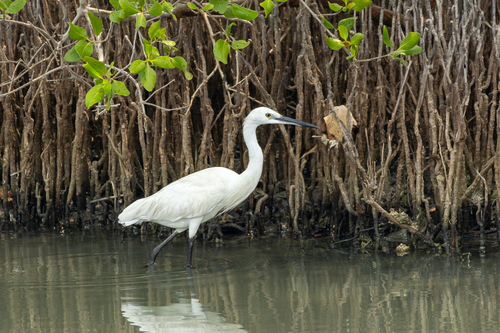 Garzetta
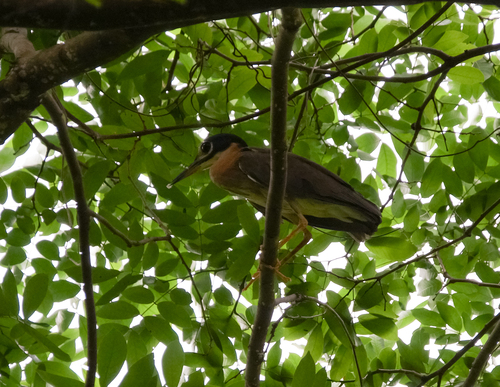 White-backed Night Heron
In breve
Il segno distintivo più affidabile per separare questi due è il piumaggio complessivo: la Garzetta adulta è completamente bianca, mentre il White-backed Night Heron è un airone scuro, con petto rugginoso e un triangolo bianco distintivo sulla schiena e una testa nera. Gli aironi juvenile White-backed Night Heron mostrano petti striati e macchie bianche sulle copritrici delle ali superiori, mai eguagliati dalla Garzetta a qualsiasi età. Strutturalmente, la Garzetta è più snella con un lungo becco nero sottile e gambe nere con piedi gialli, mentre il White-backed Night Heron è più robusto, con gambe gialle e un becco più corto e pesante. In volo o a riposo, queste differenze sono chiare se ci si concentra sui contrasti di colore e sul colore delle gambe.
Consigli di identificazione
- Juvenile/immature wing and breast pattern: Il juvenile White-backed Night Heron ha un petto striato e macchie bianche sulle copritrici delle ali superiori; i juvenile della Garzetta sono bianchi uniformi, a volte con alcune piume grigio o marrone, ma mai striati o macchiati. Questo è il controllo più veloce per i giovani uccelli in volo o appollaiati.
- Overall color: La Garzetta adulta è completamente bianca, mentre il White-backed Night Heron è per lo più scuro con una testa nera, collo e petto rugginosi, e un triangolo bianco sulla schiena. Se vedi del rugginoso o del nero sulla testa o sul petto, escludi la Garzetta.
- Bill color and shape: La Garzetta ha un lungo becco snello, completamente nero; il White-backed Night Heron ha un becco più corto e pesante (colore non specificato, ma non nero e snello come la garzetta).
- Leg and foot color: La Garzetta ha gambe nere con piedi gialli (juvenili: gambe nero-verde, piedi più opachi); il White-backed Night Heron ha gambe gialle. Questo è visibile sia negli uccelli appollaiati che in quelli che guadano.
- Eye color: Il White-backed Night Heron ha grandi occhi rossi con anelli bianchi; la Garzetta ha un'iride gialla senza anello oculare prominente.
- Head pattern: Il White-backed Night Heron ha una testa nera con una corta cresta (display di piume), mentre la testa della Garzetta è completamente bianca, con lunghe piume strette nel periodo di riproduzione.
- Back pattern: La macchia triangolare bianca sulla schiena dell'airone notturno (dalle scapolari) è unica; la schiena della Garzetta è bianca uniforme senza alcuna macchia contrastante.
- Breast and neck color: Il White-backed Night Heron ha collo e petto rugginosi (marrone-rossiccio); la Garzetta è bianca in tutto.
- Throat: Il White-backed Night Heron ha una gola bianca che contrasta con il petto rugginoso; la Garzetta è uniformemente bianca.
- Bare part color in breeding season: Le lore della Garzetta diventano rosse e i piedi possono diventare rossi al culmine del corteggiamento; le lore del White-backed Night Heron sono gialle pallide.
- Structure and jizz: La Garzetta è più snella, con gambe più lunghe e aggraziate; il White-backed Night Heron è più robusto, con collo più corto e più curvo, specialmente quando è appollaiato.
- Behavior: La Garzetta è attiva e diurna, spesso a caccia in modo aperto; il White-backed Night Heron è segreto, crepuscolare o notturno, e preferisce il riparo.
- Habitat: La Garzetta si trova in zone umide aperte, estuari e coste lacustri; il White-backed Night Heron è legato a zone umide boschive e corsi d'acqua forestali.
- Geographic context: La Garzetta è diffusa in Eurasia e Africa, espandendosi nel Nuovo Mondo; il White-backed Night Heron è ristretto all'Africa subsahariana. Se visto al di fuori dell'Africa, è molto più probabile che sia una Garzetta.
- Pitfalls: Fai attenzione ai juvenile della Garzetta con gambe e piedi leggermente più opachi, ma non mostrano mai il motivo striato o macchiato dei giovani aironi notturni. Nessuna età o morfo della Garzetta mostra una testa scura, un petto rugginoso o una macchia bianca sulla schiena.
Taglia
La Garzetta è leggermente più grande, con una lunghezza di 55–65 cm e una massa di circa 532 g [wikidata], rispetto ai 50–55 cm del White-backed Night Heron (nessuna massa fornita, ma generalmente più compatto e pesante per la sua lunghezza) [wikipedia]. La garzetta ha gambe più lunghe e più aggraziate, mentre l'airone notturno appare più robusto e con collo più corto.
Piumaggio
Gli uccelli juvenile/immaturi sono più facili da separare per il motivo delle ali e del petto: il juvenile White-backed Night Heron ha un petto striato e macchie bianche sulle copritrici delle ali superiori, mentre i juvenile della Garzetta sono bianchi uniformi, a volte con alcune piume grigio o marrone, ma mai striati o macchiati. La Garzetta adulta è bianca pura in tutti i piumaggi, con lunghe piume strette nel periodo di riproduzione e scapolari allungate, e gambe nere con piedi gialli (o gambe nero-verdi e piedi più opachi nei juvenile). Gli adulti del White-backed Night Heron hanno una testa nera con una corta cresta, occhi rossi con anelli bianchi, collo e petto rugginosi, gola bianca, lore gialle e una sorprendente macchia triangolare bianca sulla schiena (dalle scapolari). Il loro ventre è marrone-biancastro e le gambe sono gialle. Nessuna garzetta bianca mostra questa combinazione di testa scura, parti inferiori rugginose e macchia bianca sulla schiena. In tutte le età, le parti superiori dell'airone notturno sono molto più scure e più decorate rispetto a quelle della garzetta.
Comportamento
La Garzetta è attiva e diurna, spesso vista a caccia o correre in acque poco profonde, a volte con le ali sollevate, e si nutre frequentemente in situazioni aperte ed esposte. Può anche nutrirsi sulla terra, inseguendo prede o facendo scorte. Il White-backed Night Heron è più segreto e tipicamente crepuscolare o notturno, spesso riposando durante il giorno e cercando cibo al crepuscolo o di notte. Tende a rimanere vicino al riparo ed è meno probabile che venga visto all'aperto.
Habitat
La Garzetta è diffusa in zone umide poco profonde, estuari e lungo le coste lacustri, spesso in aree aperte e a volte in associazione con umani o bestiame. Il White-backed Night Heron si trova in Africa subsahariana, di solito in zone umide boschive dense o lungo corsi d'acqua forestali, ed è molto più legato al riparo e meno probabile da vedere in habitat aperti. La sovrapposizione dell'areale è minima al di fuori della vagabondaggio, ma possono verificarsi confusioni in zoo o collezioni.
Garzetta · White-backed Night Heron · I miei uccelli difficili