

Motmot

コサギ 対 ササゴイ

Egretta garzetta 対 Butorides striata

コサギとササゴイのクイズ
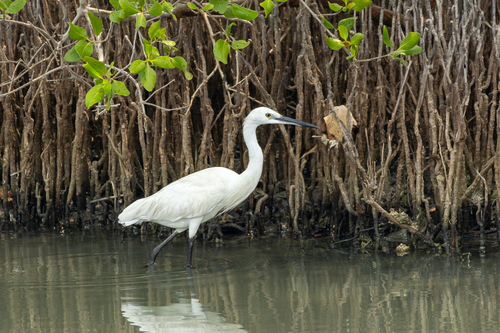
コサギ (Egretta garzetta) コサギ
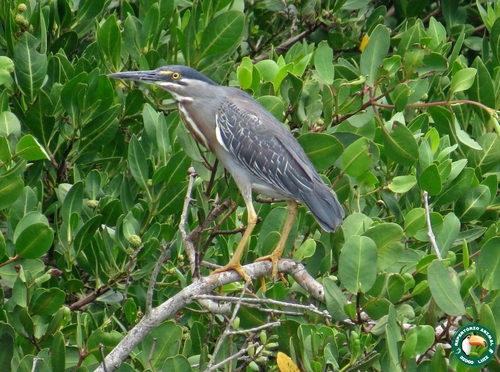
ササゴイ (Butorides striata) ササゴイ

メディア

読み込み中…

要点

コサギとササゴイを区別する最も信頼できるフィールドマークは、全体の色と構造です:コサギは全体が白く(くちばし、足、足の色を除く)、細長く優雅な体型で、長い黒い足と黄色い足を持っています。一方、ササゴイはコンパクトで短い足のヘロンで、青灰色の背中と翼、暗い帽子、変化のある腹部を持っています。幼鳥のササゴイは上面が茶色で、下面が濃く縞模様になっており、全体が白いことはありません。飛んでいるときや休んでいるとき、コサギの白い羽毛と長い首は、ササゴイの暗く短い首の外観と強く対比します。くちばしの色と足の色も重要で、特に成鳥においてはそうです。両種は湿地の生息地に見られますが、コサギはより大きく、開けた浅い水で活発に餌を探しているのが見られる可能性が高いのに対し、ササゴイはカバーの近くに隠れることを好みます。

識別のコツ

  1. 全白の羽毛:すべての年齢のコサギは本質的に白く、幼鳥には稀に灰色がかったり茶色がかったりする色合いがあります。ササゴイは決して全白ではなく、成鳥は上面が青灰色、下面が白、幼鳥は茶色で縞模様です。鳥が全て白い場合、それはコサギです。
  2. くちばしの色と形:コサギは長く細い、完全に黒いくちばしを持っています(基部に緑がかった灰色があることがあります)。ササゴイは短くて太いくちばしを持ち、暗いですが細くはなく、目の下に暗い線が伸びています。くちばしの形は近距離での強い手がかりです。
  3. 足と足の色:成鳥のコサギは長い黒い足と明るい黄色の足を持っています(求愛時には赤くなることがあります)。幼鳥は緑がかった黒い足と鈍い黄色の足を持っています。ササゴイは成鳥では短い黄色の足を持ち、コサギのような長い足の外観はありません。足の長さと色は良い光の中で重要です。
  4. 首の長さと姿勢:コサギは長い首を持ち、特に飛んでいるときにはS字型に保たれることがよくあります。ササゴイは短い首で、休んでいるときも飛んでいるときも背中を丸めているように見えます。
  5. サイズと構造:コサギははるかに大きく、より細長く、長い首、足、翼を持っています。ササゴイはコンパクトで短い足と短い首を持っています。両方を一緒に見ると、違いは明らかですが、単独でもコサギの優雅さは際立っています。
  6. 繁殖羽:繁殖期には、コサギは長くてふわふわした後頭部と肩羽を示します。ササゴイはそのような羽を決して示しません。
  7. 幼鳥の混乱:幼鳥のコサギはまだほとんど白く、わずかに灰色がかったり茶色がかったりする羽毛しかありません。幼鳥のササゴイは上面が茶色で、下面が濃く縞模様です。縞模様のある茶色がかった若いヘロンを見た場合、それはササゴイです。
  8. 飛行時の外観:飛んでいるコサギは黒いくちばしと足を持つ白い鳥で、黄色い足が後ろに引きずられています。飛んでいるササゴイは上面が暗く、下面が淡く、白い翼のパネルや後縁はありません。
  9. 生息地と行動:コサギは開けた水域で活発に餌を探しているのが見られる可能性が高く、時には群れで見られることもあります。ササゴイはより密なカバーを好み、一人またはペアで隠れていることが多く、開けた場所に出る可能性は低いです。
  10. 餌の取り方:コサギはしばしば走ったり、足を引きずったり、他の鳥と一緒に餌を取ったりします。ササゴイは静止して獲物を待ち、混合種の群れに参加することはめったにありません。
  11. 求愛時の足の色:コサギの足だけが求愛のピーク時に赤くなることができます;ササゴイはこの特徴を示しません。
  12. 顔の模様:ササゴイはくちばしから目の下にかけて暗い線があり、黒い帽子を持ち、マスクのような外観を与えます。コサギの顔は単純な白で、黄色の頬(求愛時には赤くなることもあります)です。
  13. 群れのサイズ:コサギは群れやコロニーで見られることがありますが、ササゴイはほぼ常に孤独またはペアでいます。
  14. 羽毛の一貫性:コサギの白い羽毛は繁殖羽を除いて年間を通じて一貫しています。ササゴイの色合いと縞模様は年齢に依存しますが、決して白くはありません。
  15. 文脈的手がかり:アメリカ大陸では、特にカリブ海で両種が同じ地域に出現する可能性があるため、両種を確認するために羽毛と構造を常に使用してください。

大きさ

コサギはかなり大きく、細長く、体重は約532g [wikidata]、長さは55〜65cm、翼幅は88〜106cm [wikipedia]です。ササゴイははるかに小さく、ずんぐりしており、長さは35〜48cm、翼幅は52〜60cm、体重は130〜250g [wikipedia]です。コサギの長い足、首、翼はフィールドで明らかで、特に両種が一緒に見られるときに顕著です。ササゴイはコンパクトで、ほぼ丸まって見え、短い足と首を持っています。

羽色

幼鳥と成鳥のコサギは常に主に白く、わずかな変化しかありません(いくつかの幼鳥は灰色がかったり茶色がかったりする羽毛を示すことがありますが、全体が暗いまたは縞模様の外観にはなりません)。繁殖期には、成鳥は長くて細い後頭部の羽と細長い肩羽を持っていますが、これらは冬や幼鳥には欠如または減少しています。くちばしは常に黒く、足は黒(幼鳥は緑がかった黒)、足は黄色(幼鳥は鈍い色)です。ササゴイの成鳥は青灰色の背中と翼、白い腹部、黒い帽子を持ち、くちばしから目の下にかけて暗い線があります。彼らの足は短くて黄色です。幼鳥は上面が茶色で、下面が濃く縞模様になっており、決して白くはありません。すべての年齢において、ササゴイは暗い上面と明るい下面の間に明確な対比を示し、コサギの全白の外観を決して獲得しません。飛行中、コサギは黒いくちばしと足、黄色い足を持つ白い鳥です;ササゴイは上面が暗く、白い翼のパネルや後縁はありません。

行動

コサギは活発で目立つことが多く、開けた浅い水で餌を探し、時には走ったり足を引きずったりして獲物を驚かせ、群れで見られることもあります。ササゴイはより孤独で隠れていることが多く、カバーの近くに留まり、水辺でゆっくり動いたり静止したりします。コサギは他の水鳥や家畜と一緒に餌を探すことがありますが、ササゴイは一人またはペアでいることが多いです。幼鳥のササゴイは脅かされたときに首を伸ばし、くちばしを空に向けることでアピールすることがあります。

生息環境

両種は湿地の生息地を利用しますが、コサギは開けた浅い水域、河口、時には陸上で餌を探すことを好みます。ササゴイはマングローブ、河岸、または植生のある水辺の密なカバーにより結びついており、開けた場所で見られる可能性は低いです。特に群れで開けた水域に小さなヘロンを見た場合、それはコサギである可能性が高いです;葦やマングローブの近くに隠れている孤独な鳥はササゴイである可能性が高いです。

より良い説明を送る

比較と同じ項目を使ってください。文章はすぐに公開されます。

The most reliable field mark to separate Little Egret from Striated Heron is overall color and structure: Little Egret is entirely white (except for bill, legs, and feet), with a slender, elegant build and long black legs with yellow feet, while Striated Heron is a compact, short-legged heron with a blue-grey back and wings, dark cap, and variable underparts. Juvenile Striated Herons are brownish above and heavily streaked below, never all-white. In flight or at rest, the Egret's white plumage and long neck contrast strongly with the Heron's darker, shorter-necked appearance. Bill color and leg color are also key, especially in adults. Both species can be found in wetland habitats, but Little Egret is larger and more likely to be seen foraging actively in open shallow water, while Striated Heron prefers skulking near cover.

  1. All-white plumage: Little Egret of all ages is essentially white, with only rare greyish or brownish tinge in juveniles. Striated Heron is never all-white; adults are blue-grey above, white below, and juveniles are brown and streaky. If the bird is entirely white, it's a Little Egret.
  2. Bill color and shape: Little Egret has a long, slender, entirely black bill (with some greenish-grey at base). Striated Heron has a shorter, stouter bill, dark but not as slender, and with a dark line extending under the eye. Bill shape is a strong clue at close range.
  3. Leg and foot color: Adult Little Egret has long black legs and bright yellow feet (which may turn red in courtship). Juveniles have greenish-black legs and duller yellow feet. Striated Heron has short yellow legs in adults, never the long-legged look of the Egret. Leg length and color are key in good light.
  4. Neck length and posture: Little Egret has a long neck, often held in an S-shape, especially in flight. Striated Heron is short-necked and appears hunched both at rest and in flight.
  5. Size and structure: Little Egret is much larger and more elongated, with a longer neck, legs, and wings. Striated Heron is compact, short-legged, and short-necked. If you see both together, the difference is obvious, but even singly, the Egret's elegance stands out.
  6. Breeding plumes: In breeding season, Little Egret shows long, wispy nape and scapular plumes. Striated Heron never shows such plumes.
  7. Juvenile confusion: Juvenile Little Egret is still mostly white, with only minor greyish or brownish feathers. Juvenile Striated Heron is brown above and heavily streaked below. If you see a streaky, brownish young heron, it's a Striated Heron.
  8. Flight appearance: Little Egret in flight is a white bird with black bill and legs, yellow feet trailing behind. Striated Heron in flight is dark above, pale below, with no white wing panels or trailing edges.
  9. Habitat and behavior: Little Egret is more likely to be seen in open water, foraging actively, sometimes in groups. Striated Heron prefers dense cover, skulking alone or in pairs, and is less likely to be out in the open.
  10. Feeding style: Little Egret often runs, shuffles feet, or feeds alongside other birds. Striated Heron tends to stand still, ambush prey, and rarely joins mixed-species flocks.
  11. Feet color in courtship: Only Little Egret's feet can turn red in peak courtship; Striated Heron does not show this feature.
  12. Facial pattern: Striated Heron has a dark line from bill to under eye and a black cap, giving a masked look. Little Egret's face is plain white with yellow lores (sometimes red in courtship).
  13. Group size: Little Egret may be seen in groups or colonies; Striated Heron is almost always solitary or in pairs.
  14. Plumage consistency: Little Egret's white plumage is consistent year-round, except for breeding plumes. Striated Heron's coloration and streaking are age-dependent, but never white.
  15. Contextual clues: In the Americas, check for both species in the same area, especially in the Caribbean where both may occur, but always use plumage and structure for confirmation.

Little Egret is significantly larger and more elongated, with a body mass around 532 g [wikidata], length 55–65 cm, and wingspan 88–106 cm [wikipedia]. Striated Heron is much smaller and stockier, at 35–48 cm in length and a wingspan of 52–60 cm, with a mass of 130–250 g [wikipedia]. The Egret's longer legs, neck, and wings are obvious in the field, especially when both species are seen together. Striated Heron appears compact, almost hunched, with short legs and neck.

Juvenile and adult Little Egrets are always predominantly white, with only minor variation (some juveniles may show a tinge of greyish or brownish feathers, but never an overall dark or streaked appearance). In breeding season, adults have long, fine nape plumes and elongated scapulars, but these are absent or reduced in winter and in juveniles. The bill is always black, legs black (greenish-black in juveniles), and feet yellow (duller in juveniles). Striated Heron adults have a blue-grey back and wings, white underparts, and a black cap, with a dark line from bill to under eye. Their legs are short and yellow. Juveniles are brown above and heavily streaked below, never white. In all ages, Striated Heron shows a clear contrast between dark upperparts and lighter underparts, and never acquires the all-white look of Little Egret. In flight, Little Egret is a white bird with black bill and legs, yellow feet; Striated Heron is dark above, with no white wing panels or trailing edges.

Little Egret is active and often conspicuous, foraging in open shallow water, sometimes running or shuffling feet to disturb prey, and may be seen in groups. Striated Heron is more solitary and skulking, often staying close to cover, moving slowly or standing still at the water's edge. The Egret may feed alongside other waders or even livestock, while Striated Heron is more likely to be alone or in pairs. Juvenile Striated Herons may display by stretching necks and pointing bills skyward when threatened.

Both species use wetland habitats, but Little Egret prefers open shallow waters, estuaries, and sometimes even forages on land. Striated Heron is more tied to dense cover along mangroves, riverbanks, or vegetated water edges, and is less likely to be seen in open areas. If you see a small heron in open water, especially in a group, it's more likely a Little Egret; a solitary, skulking bird close to reeds or mangroves is more likely a Striated Heron.

変更を破棄しますか?

保存していない編集があります。今離れると失われます。

コサギ · ササゴイ · 苦手な鳥