

Garzetta vs Airone striato
Egretta garzetta contro Butorides striata
Fai un quiz con Garzetta e Airone striato
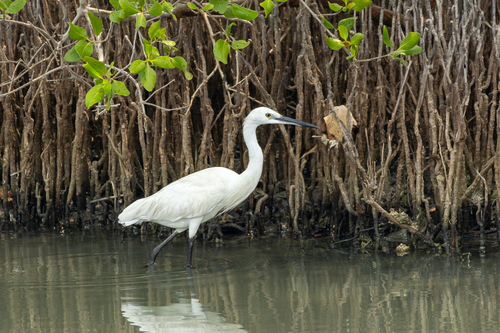 Garzetta
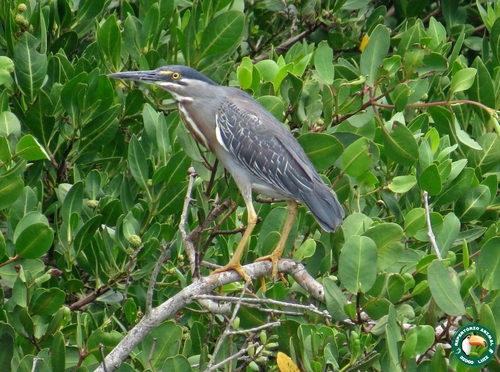 Airone striato
In breve
Il segno distintivo più affidabile per separare la Garzetta dall'Airone striato è il colore e la struttura complessivi: la Garzetta è completamente bianca (eccetto per il becco, le gambe e i piedi), con una corporatura snella ed elegante e lunghe gambe nere con piedi gialli, mentre l'Airone striato è un airone compatto e con gambe corte, con un dorso e ali blu-grigiastro, un cappuccio scuro e parti inferiori variabili. Gli aironi striati giovani sono marroni sopra e fortemente striati sotto, mai completamente bianchi. In volo o a riposo, il piumaggio bianco della Garzetta e il lungo collo contrastano fortemente con l'aspetto più scuro e dal collo più corto dell'Airone. Anche il colore del becco e delle gambe sono fondamentali, specialmente negli adulti. Entrambe le specie possono essere trovate in habitat umidi, ma la Garzetta è più grande e più propensa a essere vista mentre cerca attivamente cibo in acque poco profonde, mentre l'Airone striato preferisce muoversi furtivamente vicino a coperture.
Consigli di identificazione
- Piumaggio completamente bianco: La Garzetta di tutte le età è essenzialmente bianca, con solo rare sfumature grigio o marrone nei giovani. L'Airone striato non è mai completamente bianco; gli adulti sono blu-grigi sopra, bianchi sotto, e i giovani sono marroni e striati. Se l'uccello è completamente bianco, è una Garzetta.
- Colore e forma del becco: La Garzetta ha un becco lungo, snello e completamente nero (con alcune sfumature grigio-verdi alla base). L'Airone striato ha un becco più corto e robusto, scuro ma non così snello, e con una linea scura che si estende sotto l'occhio. La forma del becco è un indizio forte a distanza ravvicinata.
- Colore delle gambe e dei piedi: L'adulto Garzetta ha lunghe gambe nere e piedi gialli brillanti (che possono diventare rossi durante il corteggiamento). I giovani hanno gambe nero-verdi e piedi gialli più opachi. L'Airone striato ha gambe gialle corte negli adulti, mai l'aspetto delle gambe lunghe della Garzetta. La lunghezza e il colore delle gambe sono fondamentali in buona luce.
- Lunghezza del collo e postura: La Garzetta ha un collo lungo, spesso tenuto in forma di S, specialmente in volo. L'Airone striato ha un collo corto e appare curvo sia a riposo che in volo.
- Dimensioni e struttura: La Garzetta è molto più grande e più allungata, con un collo, gambe e ali più lunghi. L'Airone striato è compatto, con gambe corte e collo corto. Se vedi entrambi insieme, la differenza è ovvia, ma anche singolarmente, l'eleganza della Garzetta si distingue.
- Piume da corteggiamento: Durante la stagione di riproduzione, la Garzetta mostra lunghe piume sottili sul collo e scapolari allungate. L'Airone striato non mostra mai tali piume.
- Confusione giovanile: La Garzetta giovane è ancora per lo più bianca, con solo piccole piume grigio o marrone. L'Airone striato giovane è marrone sopra e fortemente striato sotto. Se vedi un giovane airone striato, è un Airone striato.
- Aspetto in volo: La Garzetta in volo è un uccello bianco con becco e gambe neri, piedi gialli che si allungano dietro. L'Airone striato in volo è scuro sopra, chiaro sotto, senza pannelli bianchi sulle ali o bordi di volo.
- Habitat e comportamento: La Garzetta è più propensa a essere vista in acque aperte, cercando attivamente cibo, a volte in gruppi. L'Airone striato preferisce coperture dense, muovendosi furtivamente da solo o in coppie, ed è meno probabile che si trovi in aree aperte.
- Stile di alimentazione: La Garzetta spesso corre, muove i piedi o si nutre accanto ad altri uccelli. L'Airone striato tende a rimanere fermo, agguantando la preda, e raramente si unisce a stormi di specie miste.
- Colore dei piedi durante il corteggiamento: Solo i piedi della Garzetta possono diventare rossi durante il corteggiamento; l'Airone striato non mostra questa caratteristica.
- Schema facciale: L'Airone striato ha una linea scura dal becco all'occhio e un cappuccio nero, dando un aspetto mascherato. Il viso della Garzetta è bianco semplice con lore gialle (a volte rosse durante il corteggiamento).
- Dimensione del gruppo: La Garzetta può essere vista in gruppi o colonie; l'Airone striato è quasi sempre solitario o in coppie.
- Coerenza del piumaggio: Il piumaggio bianco della Garzetta è coerente tutto l'anno, tranne per le piume da corteggiamento. La colorazione e le striature dell'Airone striato dipendono dall'età, ma non sono mai bianche.
- Indizi contestuali: Nelle Americhe, controlla entrambe le specie nella stessa area, specialmente nei Caraibi dove entrambe possono verificarsi, ma usa sempre il piumaggio e la struttura per conferma.
Taglia
La Garzetta è significativamente più grande e più allungata, con una massa corporea di circa 532 g [wikidata], lunghezza 55–65 cm e apertura alare 88–106 cm [wikipedia]. L'Airone striato è molto più piccolo e robusto, con una lunghezza di 35–48 cm e un'apertura alare di 52–60 cm, con una massa di 130–250 g [wikipedia]. Le gambe, il collo e le ali più lunghi della Garzetta sono evidenti sul campo, specialmente quando entrambe le specie sono viste insieme. L'Airone striato appare compatto, quasi curvo, con gambe e collo corti.
Piumaggio
I giovani e gli adulti Garzetta sono sempre prevalentemente bianchi, con solo lievi variazioni (alcuni giovani possono mostrare una sfumatura di piume grigio o marrone, ma mai un aspetto scuro o striato complessivo). Durante la stagione di riproduzione, gli adulti hanno lunghe piume sottili sul collo e scapolari allungate, ma queste sono assenti o ridotte in inverno e nei giovani. Il becco è sempre nero, le gambe nere (nero-verdi nei giovani) e i piedi gialli (più opachi nei giovani). Gli adulti dell'Airone striato hanno un dorso e ali blu-grigiastro, parti inferiori bianche e un cappuccio nero, con una linea scura dal becco all'occhio. Le loro gambe sono corte e gialle. I giovani sono marroni sopra e fortemente striati sotto, mai bianchi. In tutte le età, l'Airone striato mostra un chiaro contrasto tra le parti superiori scure e le parti inferiori più chiare, e non acquisisce mai l'aspetto completamente bianco della Garzetta. In volo, la Garzetta è un uccello bianco con becco e gambe neri, piedi gialli; l'Airone striato è scuro sopra, senza pannelli bianchi sulle ali o bordi di volo.
Comportamento
La Garzetta è attiva e spesso evidente, cercando cibo in acque aperte e poco profonde, a volte correndo o muovendo i piedi per disturbare la preda, e può essere vista in gruppi. L'Airone striato è più solitario e furtivo, spesso rimanendo vicino a coperture, muovendosi lentamente o rimanendo fermo al bordo dell'acqua. La Garzetta può nutrirsi accanto ad altri trampolieri o persino al bestiame, mentre l'Airone striato è più propenso a essere solo o in coppie. Gli aironi striati giovani possono esibirsi allungando i colli e puntando i becchi verso l'alto quando si sentono minacciati.
Habitat
Entrambe le specie utilizzano habitat umidi, ma la Garzetta preferisce acque aperte e poco profonde, estuari e a volte si nutre anche sulla terra. L'Airone striato è più legato a coperture dense lungo le mangrovie, le rive dei fiumi o i bordi vegetati dell'acqua, ed è meno probabile che venga visto in aree aperte. Se vedi un piccolo airone in acqua aperta, specialmente in un gruppo, è più probabile che sia una Garzetta; un uccello solitario e furtivo vicino a canne o mangrovie è più probabile che sia un Airone striato.