

Motmot

コサギ 対 Ornate Sunbird

Egretta garzetta 対 Cinnyris ornatus

コサギとOrnate Sunbirdのクイズ
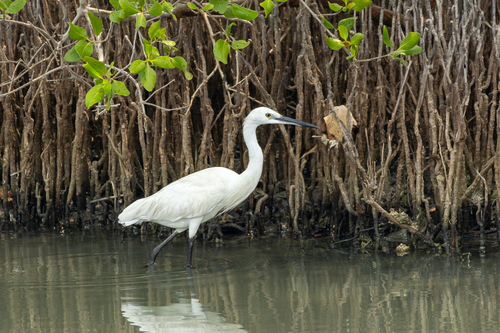
コサギ (Egretta garzetta) コサギ
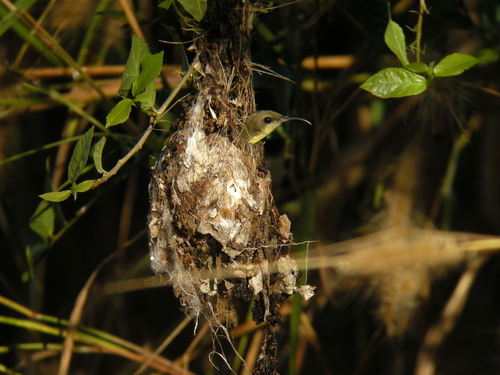
Ornate Sunbird (Cinnyris ornatus) Ornate Sunbird

メディア

読み込み中…

要点

コサギとOrnate Sunbirdは、サイズ、構造、色彩の大きな違いにより、フィールドで混同されることは非常に考えにくいですが、馴染みのない幼鳥や誤解を招く写真によるクイズの混乱が起こることがあります。最も信頼できるフィールドマークは全体のサイズです:コサギは大きく、完全に白いヘロンで、長い黒い脚と黄色い足を持っています。一方、Ornate Sunbirdは小さく、活発な歌鳥で、明るい黄色の腹部を持ち、オスでは喉と胸に虹色の青黒色があります。幼鳥のコサギは鈍い脚や灰色がかったり茶色がかった羽毛を示すことがありますが、決してサンバードの色彩や構造には近づきません。飛んでいるか止まっているのを見た場合、コサギの長い首、脚、くちばしは、コンパクトで短いくちばしのサンバードと比較して明確です。

識別のコツ

  1. Size is the quickest check: 鳥がヘロンサイズに近い場合、それはコサギです。もしそれが小さく、スズメサイズまたはそれ以下であれば、それはOrnate Sunbirdです。これはすべての年齢と性別に当てはまります。
  2. Plumage color: 完全にまたはほとんど白い(灰色がかった幼鳥の羽毛を除く)鳥はコサギです。Ornate Sunbirdは決して白くありません;オスは虹色の青黒色と黄色、メスは緑がかったオリーブ色と黄色です。
  3. Legs and feet: コサギは長い黒い脚と黄色(または黒っぽい)足を持ち、歩いたり水に入ったりする際に見えます。サンバードは短い黒い脚を持ち、決して長くも水に入るために適応したりしません。
  4. Bill shape and length: コサギは長く、細く、まっすぐな黒いくちばしを持っています;Ornate Sunbirdは蜜を吸うために適した短く湾曲したくちばしを持っています。くちばしの形は、光が悪い場合でも診断的です。
  5. Neck length: コサギは長いS字型の首を持ち、飛んでいるときにしばしば伸びたり引っ込んだりします。サンバードは短い首を持ち、決して長くは見えません。
  6. Flight silhouette: 飛んでいるコサギは広く丸みを帯びた翼、引きずる脚、長い首を示します。Ornate Sunbirdは速く、急速な羽ばたき、短い尾、コンパクトな体を持っています。
  7. Ornamental plumes: 繁殖期には、コサギの成鳥は後頭部と肩羽に長く細い羽毛を示します。サンバードはそのような羽毛を決して示しません。
  8. Juvenile confusion: 幼鳥のコサギは鈍い脚や灰色または茶色の羽毛を持つことがありますが、依然としてほとんど白く大きいです。幼鳥のサンバードは決して白くなく、常に小さいです。
  9. Habitat context: 水に入っているか、開けた湿地で餌を探している鳥はコサギです。花、庭、または森林の端で餌を探している鳥はOrnate Sunbirdです。
  10. Behavior: コサギは水中または陸上で獲物を追ったり走ったりします;Ornate Sunbirdは花の間をホバリングしたり、ひらひらと飛び回ります。
  11. Sexual dimorphism: 性的二形性があるのはOrnate Sunbirdだけです;オスは虹色で、メスは鈍いです。コサギの性別は似ています。
  12. Iris color: コサギは黄色の虹彩を持っています;Ornate Sunbirdの虹彩は暗い茶色です。近距離で役立ちます。
  13. Feet color in courtship: コサギの足は求愛中に赤くなることがあります;サンバードはこれを示しません。
  14. Supercilium: メスのOrnate Sunbirdは黄色のスーパシリウムを持っています;コサギはスーパシリウムを示しません。
  15. Range overlap: コサギは旧世界の湿地に広く分布しており、Ornate Sunbirdは東南アジアと近隣の島々に限定されています。迷鳥のコサギがサンバードの範囲に現れることは稀です。

大きさ

コサギは大きな鳥で(体重約532g、長さ55〜65cm、翼幅88〜106cm)[wikidata][wikipedia]、Ornate Sunbirdを小さく見せます。Ornate Sunbirdはわずか10〜11.4cmの長さで、体重は6〜12gです[wikipedia]。距離があっても、コサギはヘロンサイズであり、サンバードはスズメよりも小さいです。サイズに重複はありません;幼鳥のコサギでさえ、どのサンバードよりもはるかに大きいです。

羽色

幼鳥のコサギはほとんど白く、時々灰色がかったり茶色がかった羽毛を持ち、緑がかった黒い脚と鈍い黄色の足を持っています。成鳥は繁殖期に長い装飾的な羽毛を持ち、黒いくちばし、黒い脚、黄色の足(黒っぽい足を持つ亜種を除く)で完全に白いです。対照的に、Ornate Sunbirdのオスは喉と胸に虹色の青黒色を持ち、オリーブ色の上面、緑の縁のある黒い翼、明るい黄色の腹部を持っています;メスは上面が緑がかったオリーブ色、下面が黄色で、黄色のスーパシリウムを持っています。サンバードの年齢や性別は、決して完全に白いことはなく、ほとんど白くもありません。飛んでいるとき、コサギの翼は広く完全に白いですが、サンバードの翼は短く、暗く、緑の縁があります。年齢に関係なく、両者の間に類似の翼のパターンはありません。

行動

コサギは浅い水や陸上で餌を探し、しばしば水に入ったり、獲物を追ったり走ったりし、時にはコウモリや家畜と一緒にいることがあります。その動きは意図的で、長い歩幅と伸びた首を持っています。Ornate Sunbirdは非常に活発で、花の間をひらひらと飛び回り、ホバリングしたり短時間止まったりし、蜜や昆虫を食べます。コサギは花の中で餌を食べたりホバリングしたりすることは決してなく、サンバードは水中で獲物を追ったりすることは決してありません。

生息環境

コサギは湿地、沼地、浅い湖、河口に生息し、しばしば開けた水や泥の縁にいます。Ornate Sunbirdは庭、森林の端、花を持つ植物のある地域に生息し、決して開けた湿地や水に入る生息地にはいません。彼らの好む環境は重複しません。

より良い説明を送る

比較と同じ項目を使ってください。文章はすぐに公開されます。

Little Egret and Ornate Sunbird are extremely unlikely to be confused in the field due to their vast differences in size, structure, and coloration, but quiz mix-ups can happen with unfamiliar juveniles or misleading photos. The most reliable field mark is overall size: Little Egret is a large, entirely white heron with long black legs and yellow feet, while Ornate Sunbird is a tiny, active songbird with bright yellow underparts and, in males, iridescent blue-black on the throat and breast. Juvenile Little Egrets may show duller legs and some greyish or brownish feathers, but never approach the sunbird's coloration or structure. If seen in flight or perched, the egret's long neck, legs, and bill are unmistakable compared to the compact, short-billed sunbird.

  1. Size is the quickest check: If the bird is anywhere near heron-sized, it is a Little Egret; if it is tiny and sparrow-sized or smaller, it is an Ornate Sunbird. This holds for all ages and sexes.
  2. Plumage color: Any bird that is entirely or mostly white (apart from some greyish juvenile feathers) is a Little Egret. Ornate Sunbird is never white; males are iridescent blue-black and yellow, females greenish-olive and yellow.
  3. Legs and feet: Little Egret has long black legs and yellow (or blackish) feet, visible when walking or wading. Sunbirds have short black legs, never long or adapted for wading.
  4. Bill shape and length: Little Egret has a long, slender, straight black bill; Ornate Sunbird has a short, decurved bill suited for nectar feeding. Bill shape is diagnostic even in poor light.
  5. Neck length: Egrets have long, S-shaped necks, often extended or retracted in flight. Sunbirds have short necks, never appearing elongated.
  6. Flight silhouette: Little Egret in flight shows broad, rounded wings, trailing legs, and a long neck. Ornate Sunbird is fast, with rapid wingbeats, short tail, and compact body.
  7. Ornamental plumes: In breeding season, Little Egret adults show long, wispy plumes on the nape and scapulars. Sunbirds never show such plumes.
  8. Juvenile confusion: Juvenile Little Egrets may have duller legs and some grey or brown feathers, but are still mostly white and large. Juvenile sunbirds are never white and always small.
  9. Habitat context: Any bird seen wading in water or foraging in open wetlands is a Little Egret. Any bird feeding in flowers, gardens, or forest edge is an Ornate Sunbird.
  10. Behavior: Little Egret stalks or runs after prey in water or on land; Ornate Sunbird hovers or flits among flowers.
  11. Sexual dimorphism: Only Ornate Sunbird is sexually dimorphic; males are iridescent, females duller. Little Egret sexes are similar.
  12. Iris color: Little Egret has a yellow iris; Ornate Sunbird's iris is dark brown. Useful at close range.
  13. Feet color in courtship: Little Egret's feet may turn red during courtship; sunbirds never show this.
  14. Supercilium: Female Ornate Sunbird has a yellow supercilium; Little Egret never shows a supercilium.
  15. Range overlap: Little Egret is widespread in Old World wetlands, Ornate Sunbird is restricted to Southeast Asia and nearby islands. Only rarely would a vagrant egret appear in sunbird range.

Little Egret is a large bird (body mass ~532 g, length 55–65 cm, wingspan 88–106 cm) [wikidata][wikipedia], dwarfing the Ornate Sunbird, which is only 10–11.4 cm long and weighs 6–12 g [wikipedia]. Even at a distance, the egret is heron-sized, while the sunbird is smaller than a sparrow. There is no overlap in size; even a juvenile egret is vastly larger than any sunbird.

Juvenile Little Egrets are mostly white, sometimes with a few greyish or brownish feathers, and have greenish-black legs with dull yellow feet. Adults are pure white with long ornamental plumes in breeding season, black bill, black legs, and yellow feet (except some races with blackish feet). In contrast, Ornate Sunbird males have iridescent blue-black on the throat and breast, olive upperparts, black wings with green edges, and bright yellow underparts; females are greenish-olive above, yellow below, and have a yellow supercilium. No age or sex of sunbird is ever all-white or even mostly white. In flight, the egret's wings are broad and entirely white, while the sunbird's wings are short, dark, and edged green. There are no similar wing patterns between the two at any age.

Little Egret forages in shallow water or on land, often wading, stalking, or running after prey, sometimes associating with cormorants or livestock. Its movements are deliberate, with long strides and neck extended. Ornate Sunbird is highly active, flitting among flowers, hovering or perching briefly, and feeding on nectar and insects. The egret is never seen feeding in flowers or hovering, and the sunbird is never seen wading or stalking prey in water.

Little Egret is found in wetlands, marshes, shallow lakes, and estuaries, often in open water or muddy edges. Ornate Sunbird inhabits gardens, forest edges, and areas with flowering plants, never in open wetlands or wading habitats. Their preferred environments do not overlap.

変更を破棄しますか?

保存していない編集があります。今離れると失われます。

コサギ · Ornate Sunbird · 苦手な鳥