

Motmot

ヒメウタスズメ 対 ムジトウヒチョウ

Melospiza lincolnii 対 Melozone fusca

ヒメウタスズメとムジトウヒチョウのクイズ
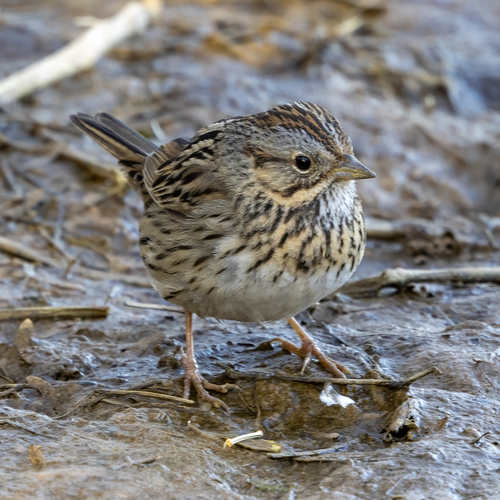
ヒメウタスズメ (Melospiza lincolnii) ヒメウタスズメ
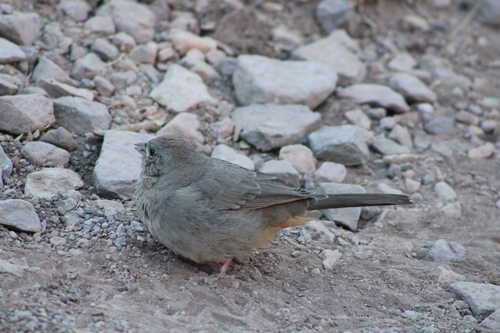
ムジトウヒチョウ (Melozone fusca) ムジトウヒチョウ

メディア

読み込み中…

要点

リンカーンのスズメとムジトウヒチョウの間で最も信頼できるフィールドマークは、全体的なサイズと構造です:ムジトウヒチョウははるかに大きく、ずんぐりしており、尾が長いのに対し、リンカーンのスズメは小さく、細身で、嘴が細いスズメです。すべての羽色において、リンカーンのスズメは胸に鮮明で細かいストライプを示し、淡い口ひげがありますが、ムジトウヒチョウはより地味で、均一な土色の体と赤褐色の帽子を持っています(メキシコの一部の鳥を除く)。幼鳥のリンカーンのスズメは他のストライプのあるスズメと混同されることがありますが、平坦な顔でストライプのないムジトウヒチョウとは混同されません。飛んでいるときや止まっているとき、トウヒの長い尾と重い体格はすぐに目に入ります。生息地と行動も異なります:リンカーンのスズメは密なカバーの中で秘密主義的ですが、ムジトウヒチョウはしばしば地面でオープンに餌を探しているのが見られます。

識別のコツ

  1. サイズと構造:ムジトウヒチョウはリンカーンのスズメよりもはるかに大きく、ずんぐりしており、尾が目立って長いです;リンカーンのスズメは小さく、細身で、尾が短いです。体とほぼ同じ長さの尾を持つスズメサイズの鳥を見たら、それはリンカーンのスズメではありません。
  2. 嘴の形:リンカーンのスズメは典型的なスズメに適した細く繊細な嘴を持っていますが、ムジトウヒチョウの嘴はより重く、円錐形で、大きな頭に合っています。
  3. 胸の模様:リンカーンのスズメは常に淡いまたは明るい茶色の胸に鮮明でクリスプな暗いストライプを示し、白い腹を持っています。ムジトウヒチョウは年齢に関係なく下部が平坦で、ストライプはありません。
  4. 顔の模様:リンカーンのスズメは灰色の顔に茶色の頬、淡い口ひげ、茶色のアイライン、狭いアイリングを持っています。ムジトウヒチョウの顔は平坦で、口ひげやアイリングがありません。
  5. 冠:リンカーンのスズメは灰色の中央ストライプがある茶色の帽子を持っています;ムジトウヒチョウは赤褐色の帽子を持っています(メキシコの一部の鳥を除く)が、その他は均一な頭です。
  6. 尾の下の色:ムジトウヒチョウは尾の下にわずかに赤みがかった部分を示しますが、リンカーンのスズメにはそれがありません。
  7. 幼鳥の羽色:幼鳥のリンカーンのスズメは下部がストライプ状で、顔の模様も示します;ムジトウヒチョウの幼鳥は平坦でストライプがありません。
  8. 尾の長さと形:ムジトウヒチョウの尾は非常に長く広く、しばしば扇状または垂れ下がっています;リンカーンのスズメの尾は短く狭いです。
  9. 行動:リンカーンのスズメは秘密主義的で素早く、通常は密なカバーの中にいます。ムジトウヒチョウは大胆で、地面でオープンに餌を探し、オープンな場所に止まります。
  10. 生息地:リンカーンのスズメは密で湿った低木のある地域に生息し、通常は水の近くの茂みや下草に見られます。オープンな国ではめったに見られません。ムジトウヒチョウは、峡谷、低木、茂みのある斜面などのオープンで乾燥した生息地の鳥で、南西部では人間の居住地の近くにしばしば見られます。オープンな場所、裸の地面、または道路の脇で見られる可能性が高いです。
  11. 歌:甘く複雑なウグイスのような歌を聞いたら、それはリンカーンのスズメです。ムジトウヒチョウの声ははるかに単純で音楽的ではありません。
  12. 止まっているとき vs. 地面:リンカーンのスズメは低い位置に止まっているか、すぐにカバーに飛び込むのが見られる可能性が高いです;ムジトウヒチョウはオープンな地面で歩いたり走ったりしているのがよく見られます。
  13. 性別と年齢:両種は性的二形性がほとんど見られません;すべての年齢のムジトウヒチョウは平坦で、すべての年齢のリンカーンのスズメはストライプ状で模様があります。
  14. 一般的な落とし穴:ストライプのあるスズメを平坦な茶色の長尾のトウヒと混同しないでください—サイズと胸の模様が最も早く確認できるポイントです。
  15. 飛行時の視点:飛行中のリンカーンのスズメは小さくコンパクトです;ムジトウヒチョウは大きく重く、広く長い尾を持っています。

大きさ

リンカーンのスズメは小さなスズメで、体重は平均約18.8g、長さは13〜15cmです。それに対して、ムジトウヒチョウははるかに大きく重く、長さは19〜25cm、体重は平均約45g(範囲36.5〜67g)です。トウヒの尾だけでリンカーンのスズメ全体と同じ長さになることがあり、体ははるかにずんぐりしています。並べて見ると、サイズの文脈での違いは際立っています:ムジトウヒチョウはほぼ2倍の重さで、特に尾においてかなり長いです。

羽色

幼鳥と成鳥のリンカーンのスズメは常に淡いまたは明るい茶色の胸に鮮明でクリスプな暗いストライプを示し、白い腹と白い喉を持っています。彼らの顔は灰色で茶色の頬、淡い口ひげ、茶色のアイライン、そして灰色の中央ストライプがある茶色の帽子を持っています。幼鳥は全体的によりストライプ状であるかもしれませんが、同じパターンを示します。それに対して、すべての年齢のムジトウヒチョウは平坦で均一です:上部と下部は土色で、わずかに淡い腹、暗い頭、赤褐色の帽子を持っています(帽子が明確でないメキシコの個体を除く)。唯一の色のアクセントは尾の下にわずかに赤みがかった部分です。下部にはストライプがなく、顔は平坦で、リンカーンのスズメの口ひげやアイリングが欠けています。リンカーンのスズメは常にスリムで模様があり、ムジトウヒチョウは常に平坦で頑丈です。

行動

リンカーンのスズメは秘密主義的で、密な地面のカバーの下に隠れていることが多く、時折露出した止まり木から歌うことがあります。低い位置や地面で餌を探しますが、すぐにカバーに飛び込むのが素早いです。ムジトウヒチョウははるかに大胆で、オープンな生息地で地面でオープンに餌を探し、跳ねるのではなく歩いたり走ったりし、しばしばフェンスや低木に止まります。その動きは遅く、より意図的で、重い体格に合っていますが、リンカーンのスズメは素早く神経質です。

生息環境

リンカーンのスズメは密で湿った地面のカバーを好み、水の近くの低木や草のある地域にしばしば見られ、通常は茂みや下草に見られます。オープンな国ではめったに見られません。一方、ムジトウヒチョウは峡谷、低木、茂みのある斜面などのオープンで乾燥した生息地の鳥で、南西部では人間の居住地の近くにしばしば見られます。オープンな場所、裸の地面、または道路の脇で見られる可能性が高いです。

声

リンカーンのスズメは、急速で高音の導入音と複雑でゴロゴロしたトリルを持つ独特で甘いウグイスのような歌を持っています。彼らの鳴き声には、柔らかく高音の「ズィート」と平坦な「チップ」が含まれます。ムジトウヒチョウの声は提供されたメモには記載されていませんが、音楽的または複雑な歌では知られておらず、彼らの鳴き声は通常単純であまり特徴的ではありません。フィールドでは、音楽的で複雑な歌はリンカーンのスズメを指し示します。

より良い説明を送る

比較と同じ項目を使ってください。文章はすぐに公開されます。

The most reliable field mark between Lincoln's Sparrow and Canyon Towhee is overall size and structure: Canyon Towhee is much larger, bulkier, and longer-tailed, while Lincoln's Sparrow is a small, slim, fine-billed sparrow. In all plumages, Lincoln's Sparrow shows crisp, fine streaking on the breast and a buffy mustache, whereas Canyon Towhee is plainer, with a uniform earthy brown body and a rufous cap (except in some Mexican birds). Juvenile Lincoln's Sparrows can be confused with other streaky sparrows but not with the plain-faced, unstreaked Canyon Towhee. In flight or perched, the towhee's long tail and heavy build are immediately apparent. Habitat and behavior also differ: Lincoln's is secretive in dense cover, while Canyon Towhee is often seen foraging openly on the ground.

  1. Size and Structure: Canyon Towhee is much larger and bulkier than Lincoln's Sparrow, with a noticeably long tail; Lincoln's is small, slim, and short-tailed. If you see a sparrow-sized bird with a tail nearly as long as its body, it's not a Lincoln's.
  2. Bill Shape: Lincoln's Sparrow has a fine, delicate bill suited to a typical sparrow, while Canyon Towhee's bill is heavier and more conical, matching its larger head.
  3. Breast Pattern: Lincoln's Sparrow always shows fine, crisp dark streaks on a buffy or light brown breast and a white belly. Canyon Towhee is plain below, with no streaking at any age.
  4. Facial Pattern: Lincoln's Sparrow has a gray face with brown cheeks, a buffy mustache, a brown eye-line, and a narrow eye ring. Canyon Towhee's face is plain, lacking a mustache or eye ring.
  5. Crown: Lincoln's Sparrow has a brown cap with a gray median stripe; Canyon Towhee has a rufous cap (except some Mexican birds), but otherwise a uniform head.
  6. Under-tail Color: Canyon Towhee shows a slightly reddish area beneath the tail, which Lincoln's Sparrow lacks.
  7. Juvenile Plumage: Even juvenile Lincoln's Sparrows are streaky below and show some facial pattern; Canyon Towhee juveniles are plain and unstreaked.
  8. Tail Length and Shape: Canyon Towhee's tail is extremely long and broad, often fanned or drooped; Lincoln's Sparrow's tail is short and narrow.
  9. Behavior: Lincoln's Sparrow is secretive and quick, usually in dense cover. Canyon Towhee is bold, foraging openly on the ground and perching in the open.
  10. Habitat: Lincoln's Sparrow is found in dense, moist, shrubby areas; Canyon Towhee prefers open, arid, brushy habitats and is often near human habitation in the Southwest.
  11. Song: If you hear a sweet, complex, wrenlike song, it's Lincoln's Sparrow. Canyon Towhee's vocalizations are much simpler and less musical.
  12. Perched vs. Ground: Lincoln's Sparrow is more likely to be seen perched low or quickly diving into cover; Canyon Towhee is often seen walking or running on the ground in the open.
  13. Sex and Age: Both species show little sexual dimorphism; all ages of Canyon Towhee are plain, all ages of Lincoln's Sparrow are streaky and patterned.
  14. Common Pitfall: Do not confuse a streaky sparrow with a plain, brown, long-tailed towhee—size and breast pattern are the quickest checks.
  15. Flight View: Lincoln's Sparrow in flight is small and compact; Canyon Towhee is large and heavy with a broad, long tail.

Lincoln's Sparrow is a small sparrow, averaging about 18.8 g in body mass and measuring 13–15 cm in length. In contrast, Canyon Towhee is much larger and heavier, with a length of 19–25 cm and a weight averaging around 45 g (range 36.5–67 g). The towhee's tail alone can be as long as the entire Lincoln's Sparrow, and its body is much bulkier. When seen side by side or with size context, the difference is striking: Canyon Towhee is nearly twice as heavy and significantly longer, especially in the tail.

Juvenile and adult Lincoln's Sparrows always show fine, crisp dark streaks on a buffy or light brown breast, with a white belly and a white throat. Their face is gray with brown cheeks, a buffy mustache, and a brown line through the eye, plus a brown cap with a gray median stripe. Juveniles may be more streaky overall but still show the same pattern. In contrast, Canyon Towhee of all ages is plain and uniform: earthy brown above and below, with a slightly paler belly, a darker head, and a rufous cap (except in some Mexican populations where the cap is not distinct). The only color accent is a slightly reddish area under the tail. There is no streaking on the underparts, and the face is plain, lacking the mustache and eye ring of Lincoln's. Lincoln's Sparrow is always trimmer and more patterned; Canyon Towhee is always plainer and more robust.

Lincoln's Sparrow is secretive, often staying hidden under dense ground cover and only occasionally singing from exposed perches. It forages low or on the ground but is quick to dive back into cover. Canyon Towhee is much bolder, typically foraging openly on the ground in open habitats, walking or running rather than hopping, and often perching on fences or low shrubs. Its movements are slower and more deliberate, matching its heavier build, while Lincoln's is quick and nervous.

Lincoln's Sparrow prefers dense, moist ground cover, often in shrubby or grassy areas near water, and is usually found in thickets or undergrowth. It is rarely seen in open country. Canyon Towhee, on the other hand, is a bird of open, arid habitats such as canyons, scrub, and brushy slopes, often near human habitation in the Southwest. It is much more likely to be seen in the open, on bare ground, or along roadsides.

Lincoln's Sparrow has a distinctive, sweet, wrenlike song with rapid, high-pitched introductory notes and a complex, gurgling trill. Its calls include a soft, high-pitched 'zeet' and a flat 'chip.' Canyon Towhee's vocalizations are not described in the provided notes, but they are not known for a musical or complex song; their calls are typically simple and less distinctive. In the field, a musical, complex song points to Lincoln's Sparrow.

変更を破棄しますか?

保存していない編集があります。今離れると失われます。

ヒメウタスズメ · ムジトウヒチョウ · 苦手な鳥