

Motmot

レッソンハチクイモドキ 対 ミドリヒロハシハチクイモドキ

Momotus lessonii 対 Electron carinatum

レッソンハチクイモドキとミドリヒロハシハチクイモドキのクイズ
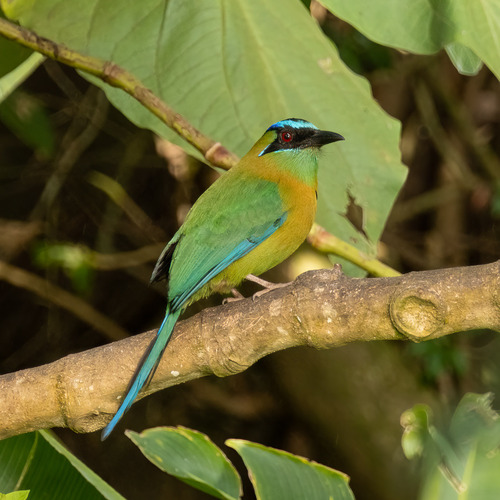
レッソンハチクイモドキ (Momotus lessonii) レッソンハチクイモドキ
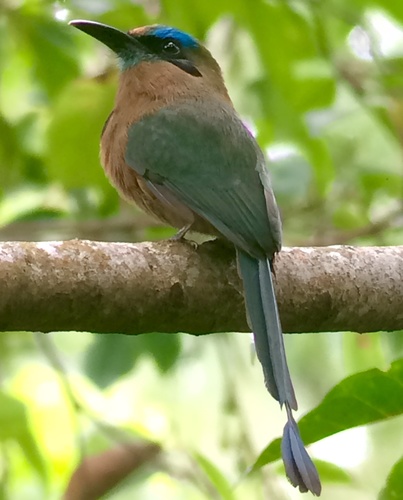
ミドリヒロハシハチクイモドキ (Electron carinatum) ミドリヒロハシハチクイモドキ

メディア

読み込み中…

要点

レッソンハチクイモドキとミドリヒロハシハチクイモドキを区別する最も信頼できるフィールドマークはくちばしです:ミドリヒロハシハチクイモドキは長く、非常に広く、横に平らなくちばしを持ち、目立つキール(隆起)と鋸歯状のエッジがありますが、レッソンハチクイモドキはより典型的で、誇張されていないハチクイのくちばしを持っています。羽毛では、ミドリヒロハシハチクイモドキは赤褐色の額、黒いマスクの上にあるターコイズブルーの弧、主に赤褐色(北)から緑がかったシナモン(南)の腹部を示しますが、レッソンハチクイモドキは青い冠を持ち、強い赤褐色の下部が欠けています。両種はラケット型の尾を持っていますが、ミドリヒロハシハチクイモドキはやや小さく、より細身です。生息地も手助けになります:ミドリヒロハシハチクイモドキは希少で局所的であり、急な谷のある湿った常緑樹林を好みますが、レッソンハチクイモドキは森林や林地に広く分布しています。もし、目立って広く、隆起したくちばしと赤褐色の下部を持つハチクイを見たら、それはほぼ確実にミドリヒロハシハチクイモドキです。

識別のコツ

  1. Bill shape is diagnostic: ミドリヒロハシハチクイモドキは長く、非常に広く、横に平らなくちばしを持ち、目立つキール(隆起)と鋸歯状のエッジがあります。レッソンハチクイモドキはより典型的で、誇張されていないハチクイのくちばしを持っています。これは、鳥が横を向いているか、羽繕いをしているときに遠くからでも見ることができます。
  2. Head pattern: ミドリヒロハシハチクイモドキは赤褐色の額と、その上にターコイズブルーの弧がある黒いマスクを示します。レッソンハチクイモドキは青い冠(時には「王冠」と呼ばれる)を持ち、赤褐色の額とターコイズの弧が欠けています。
  3. Underparts color: ミドリヒロハシハチクイモドキは北部の範囲で主に赤褐色の下部を持ち、南に行くにつれて緑がかったり緑がかったシナモンに変わります。レッソンハチクイモドキは広範囲に赤褐色やシナモン色を示さず、下部はより均一で強い色のコントラストが欠けています。
  4. Chest spot: ミドリヒロハシハチクイモドキは胸に黒い斑点があり、良い視界で見ることができるかもしれません。これはレッソンハチクイモドキでは目立たないか、欠けています。
  5. Tail: 両種はラケット型の中央尾羽を持っているため、尾の形だけでは診断できません。
  6. Upperparts: 両者は上面が緑ですが、ミドリヒロハシハチクイモドキの緑はより明るく見えるか、より均一に見えるかもしれませんが、レッソンハチクイモドキは緑の背中と対照的な青い冠を示すことがあります。
  7. Face pattern: 黒いマスクの上のターコイズブルーの弧はミドリヒロハシハチクイモドキに特有であり、レッソンハチクイモドキにはこの特徴が欠けています。
  8. Size and structure: ミドリヒロハシハチクイモドキはやや小さく、より細身ですが、サイズの重なりがあるため、両種が一緒に見られない限り、これは信頼できません。
  9. Habitat: ミドリヒロハシハチクイモドキは湿った常緑樹林に生息し、特に急な谷のある場所を好み、希少で局所的です。レッソンハチクイモドキはより広範囲に分布し、より広い範囲の森林や林地に見られます。
  10. Range: 西パナマにいる場合、レッソンハチクイモドキに出会う可能性が高いです。中米北部では両者が可能ですが、ミドリヒロハシハチクイモドキははるかに希少で生息地が制限されています。
  11. Behavior: 両者は静かに止まり、獲物のために飛び出しますが、ミドリヒロハシハチクイモドキは森林の中層での採餌が注目され、特定の微生息地に結びついているかもしれません。
  12. Voice: 大きく、低音の鼻声がヒロハシハチクイモドキに似ている場合、ミドリヒロハシハチクイモドキを考慮してくださいが、声は種をよく知っていない限り強い区別にはなりません。
  13. Sexes: 両種は性的に単形であり、羽毛の違いはオスとメスを区別するのに役立ちません。
  14. Juvenile/immature plumage: どちらの種についても年齢特有の上翼や飛行パターンのマークは記載されていないため、フィールドで見えるすべての年齢に対して頭部と下部の色に依存してください。
  15. Pitfalls: 照明が悪い場合、ミドリヒロハシハチクイモドキの赤褐色の下部と赤褐色の額は見えにくいかもしれませんが、くちばしの形と顔のパターンは依然として役立ちます。レッソンハチクイモドキは全体的によりカラフルに見えるかもしれません、特に青い冠がある場合は。

大きさ

ミドリヒロハシハチクイモドキは小さめのハチクイで、全長30.5〜38 cm、体重は約65 g(オス1羽に基づく)です。レッソンハチクイモドキは全体的な長さは似ていますが、一般的に少しずんぐりしており、構造がより頑丈です。フィールドでは、ミドリヒロハシハチクイモドキはやや細身で重さが少ないように見えるかもしれませんが、サイズだけでは区別するのは信頼できません。

羽色

どちらの種についても年齢特有の上翼や飛行パターンの違いは記載されていないため、頭部と下部の色に焦点を当ててください。成鳥のミドリヒロハシハチクイモドキは赤褐色の額、ターコイズブルーの弧で縁取られた黒いマスク、緑の上面、淡いターコイズのあご、北部の範囲で主に赤褐色の下部を持ち、南に行くにつれて緑がかったり緑がかったシナモンに変わります。黒い胸の斑点とラケット型の中央羽を持つ緑の尾があります。対照的に、レッソンハチクイモドキは青い冠(時には「王冠」と呼ばれる)を持ち、赤褐色の額が欠けており、下部は主に赤褐色やシナモン色ではありません。両種は緑の上面とラケット型の尾を持っていますが、頭部のパターンと下部の色の組み合わせが特徴的です。幼鳥や未熟な羽毛については詳細に記載されていないため、これらの対比は成鳥に適用され、恐らく年長の未熟な個体にも当てはまります。

行動

両種は中層で静かに止まり、獲物のために飛び出しますが、ミドリヒロハシハチクイモドキは森林の中層での採餌が注目され、急な谷のある場所を好みます。その採餌行動はヒロハシハチクイモドキに似ていると考えられ、止まり木から昆虫を捕らえたり、時折地面に飛び出したりします。レッソンハチクイモドキは典型的なハチクイの行動を示し、長時間静止して獲物を捕らえるために短い飛行をします。どちらの種も行動において特に目立つわけではありませんが、ミドリヒロハシハチクイモドキは湿った森林内の特定の微生息地により結びついているかもしれません。

生息環境

レッソンハチクイモドキは南メキシコから西パナマまでの広範囲の森林や林地に生息し、一般的により広範囲に分布し、局所的に普通です。対照的に、ミドリヒロハシハチクイモドキは希少で局所的であり、南メキシコから北コスタリカまでの断片的な範囲を持ち、湿った常緑樹林、特に急な谷のある場所に強く関連しています。密集した湿った低地から中地の森林の外では出会う可能性が非常に低く、見た目に適した多くの地域からは欠けています。乾燥したりより開けた林地にいる場合、ミドリヒロハシハチクイモドキは非常に可能性が低いです。

声

ミドリヒロハシハチクイモドキの声は大きく、遠くまで届く低音の鼻声「クアエト クアエト カダック」または「オーング」と表現され、ヒロハシハチクイモドキの声に非常に似ています。レッソンハチクイモドキに関しては特定の声の説明はありませんが、一般的にハチクイは低いフクロウのようなフーや呼び声を持っています。声だけでは、ハチクイの種の微妙な違いに慣れていない限り、強い区別にはなりません。

より良い説明を送る

比較と同じ項目を使ってください。文章はすぐに公開されます。

The most reliable field mark to separate Lesson's Motmot from Keel-billed Motmot is the bill: Keel-billed Motmot has a long, very broad, laterally flattened bill with a prominent keel (ridge) and serrated edges, while Lesson's Motmot has a more typical, less exaggerated motmot bill. In plumage, Keel-billed Motmot shows a rufous forehead, a turquoise-blue arc over a black mask, and a mostly rufous (north) to greenish-cinnamon (south) belly, whereas Lesson's Motmot has a blue crown and lacks the strong rufous underparts. Both species have racquet-tipped tails, but Keel-billed Motmot is slightly smaller and more slender. Habitat can help: Keel-billed Motmot is rare, local, and favors humid evergreen forests with steep gullies, while Lesson's Motmot is more widespread in forests and woodlands. If you see a motmot with a strikingly broad, ridged bill and rufous underparts, it's almost certainly Keel-billed.

  1. Bill shape is diagnostic: Keel-billed Motmot has a long, very broad, laterally flattened bill with a prominent ridge (keel) on the culmen and serrated edges. Lesson's Motmot has a more typical, less exaggerated motmot bill. This is visible even at a distance if the bird is facing sideways or preening.
  2. Head pattern: Keel-billed Motmot shows a rufous forehead and a black mask with a turquoise-blue arc above it. Lesson's Motmot has a blue crown (sometimes called a 'diadem') and lacks the rufous forehead and turquoise arc.
  3. Underparts color: Keel-billed Motmot has mostly rufous underparts in the north of its range, shifting to greenish or greenish-cinnamon further south. Lesson's Motmot does not show extensive rufous or cinnamon below; its underparts are more uniform and lack the strong color contrast.
  4. Chest spot: Keel-billed Motmot has a black spot on the chest, which may be visible in good views. This is less prominent or absent in Lesson's Motmot.
  5. Tail: Both species have racquet-tipped central tail feathers, so tail shape alone is not diagnostic.
  6. Upperparts: Both are green above, but Keel-billed's green may look brighter or more uniform, while Lesson's may show a blue crown contrasting with the green back.
  7. Face pattern: The turquoise-blue arc above the black mask is unique to Keel-billed Motmot; Lesson's Motmot lacks this feature.
  8. Size and structure: Keel-billed Motmot is slightly smaller and more slender, but size overlap means this is not reliable unless both species are seen together.
  9. Habitat: Keel-billed Motmot is found in humid evergreen forest, especially in steep-sided gullies with streams, and is rare and local. Lesson's Motmot is more widespread and can be found in a broader range of forests and woodlands.
  10. Range: If you are in western Panama, you are only likely to encounter Lesson's Motmot. In northern Central America, both are possible, but Keel-billed is much rarer and more habitat-restricted.
  11. Behavior: Both perch quietly and sally for prey, but Keel-billed may be more tied to the mid-story and specific microhabitats.
  12. Voice: If you hear a loud, low-pitched, nasal call similar to broad-billed motmot, consider Keel-billed, but voice is not a strong separator unless you know the species well.
  13. Sexes: Both species are sexually monomorphic; plumage differences do not help separate males from females.
  14. Juvenile/immature plumage: No distinctive age-specific upperwing or flight pattern marks are described for either species, so rely on head and underpart coloration for all ages visible in the field.
  15. Pitfalls: In poor light, the rufous underparts and rufous forehead of Keel-billed may be hard to see, but the bill shape and face pattern are still useful. Lesson's Motmot may appear more colorful overall, especially with the blue crown.

Keel-billed Motmot is a smallish motmot, measuring 30.5–38 cm in length and weighing around 65 g (based on one male) [wikipedia]. Lesson's Motmot is similar in overall length but is generally a bit bulkier and more robust in structure. In the field, Keel-billed may appear slightly more slender and less heavy-bodied, but size alone is not reliable for separation.

No age-specific upperwing or flight pattern differences are described for either species, so focus on head and underpart coloration. Adult Keel-billed Motmot has a rufous forehead, a black mask bordered above by a turquoise-blue arc, green upperparts, a pale turquoise chin, and underparts that are mostly rufous in the north of its range, becoming greenish to greenish-cinnamon further south. It has a black chest spot and a green tail with racquet-tipped central feathers. Lesson's Motmot, by contrast, has a blue crown (sometimes called a 'diadem'), lacks the rufous forehead, and its underparts are not predominantly rufous or cinnamon. Both species have green upperparts and racquet-tipped tails, but the combination of head pattern and underpart color is distinctive. Juvenile or immature plumages are not described in detail for either species, so these contrasts apply to adults and likely to older immatures as well.

Both species perch quietly in the midstory and sally for prey, but Keel-billed Motmot is noted for foraging in the forest's mid-story and favoring steep-sided gullies with streams. Its feeding behavior is presumed similar to the broad-billed motmot, including hawking insects from perches and occasional ground sallies. Lesson's Motmot shows typical motmot behavior: perching still for long periods and making short flights to catch prey. Neither species is particularly conspicuous in behavior, but Keel-billed may be more tied to specific microhabitats within humid forest.

Lesson's Motmot is found in a broad range of forests and woodlands from southern Mexico to western Panama and is generally more widespread and locally common. Keel-billed Motmot, in contrast, is rare and local, with a fragmented range from southern Mexico to northern Costa Rica, and is strongly associated with humid evergreen forests, especially steep-sided gullies with streams. It is much less likely to be encountered outside dense, humid, low- to mid-elevation forest, and is absent from many apparently suitable areas. If you are in drier or more open woodland, Keel-billed is very unlikely.

Keel-billed Motmot's voice is described as a loud, far-carrying, low-pitched, nasal 'cuaet cuaet cadack' or 'ohhng', and is very similar to that of the broad-billed motmot. No specific vocal description is given for Lesson's Motmot in the sources, but motmots in general have low, owl-like hoots or calls. Voice alone is not a strong separator unless you are familiar with the subtle differences between motmot species.

変更を破棄しますか?

保存していない編集があります。今離れると失われます。

レッソンハチクイモドキ · ミドリヒロハシハチクイモドキ · 苦手な鳥