

Motmot

コキアシシギ 対 オオキアシシギ

Tringa flavipes 対 Tringa melanoleuca

コキアシシギとオオキアシシギのクイズ
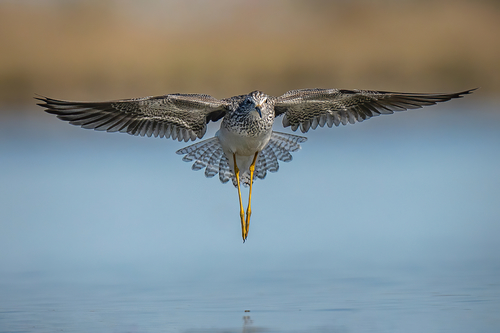
コキアシシギ (Tringa flavipes) コキアシシギ
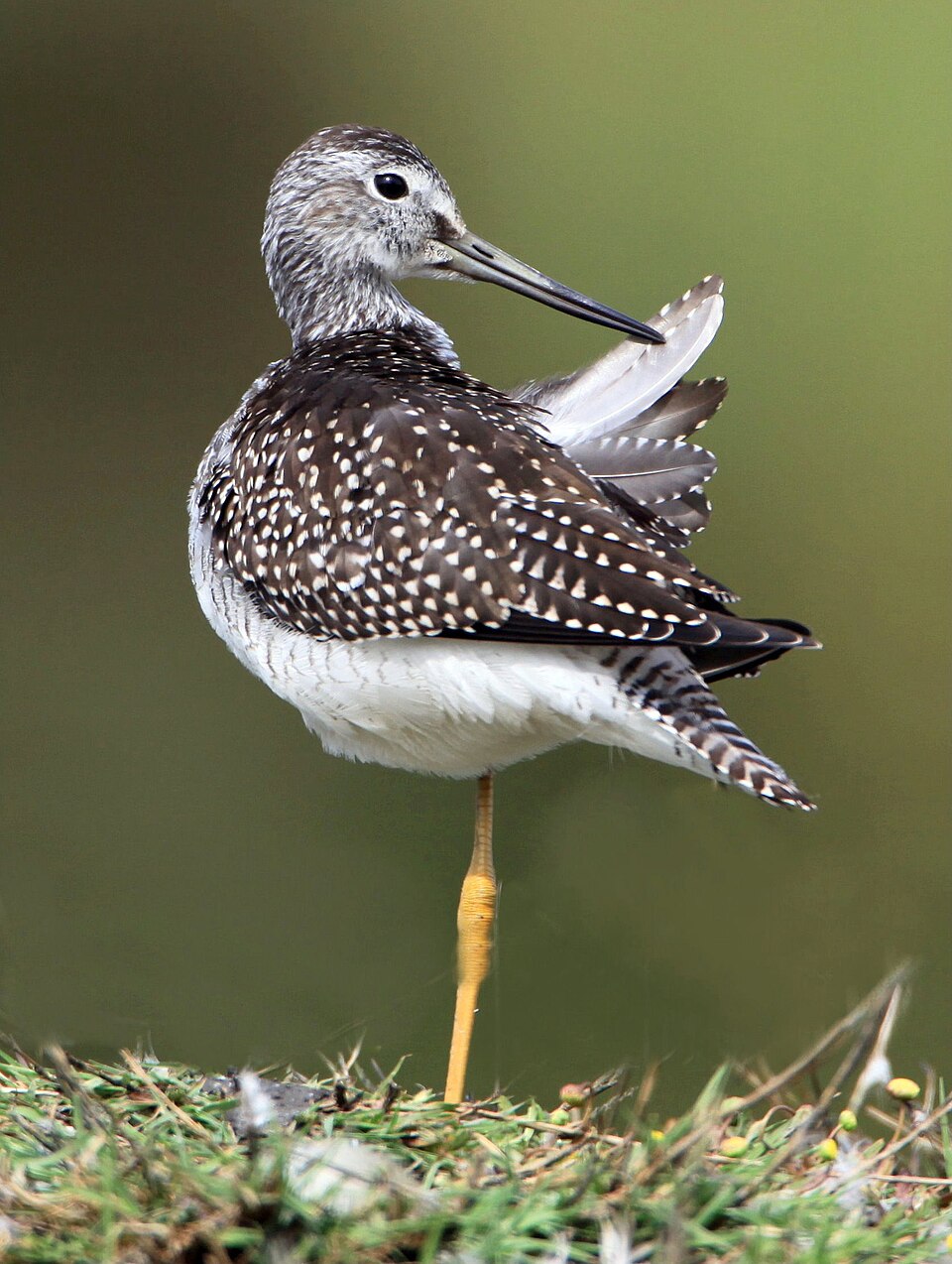
オオキアシシギ (Tringa melanoleuca) オオキアシシギ

メディア

読み込み中…

要点

コキアシシギとオオキアシシギの最も信頼できるフィールドマークはくちばしです:コキアシシギのくちばしは細く、まっすぐで、頭とほぼ同じ長さですが、オオキアシシギのくちばしは頭よりも明らかに長く、しばしばわずかに上向きです。両種は羽毛が似ており、明るい黄色の脚を共有していますが、オオキアシシギはずっとがっしりしており、繁殖羽毛ではより重い体格と粗く、暗い胸の模様を持っています。声も強力な区別要因です—オオキアシシギの鳴き声はずっと大きく、はっきりしています。未熟な鳥と成鳥は特に非繁殖羽毛では難しいことがありますが、くちばしの長さと構造、サイズ、鳴き声に注意を払うことで、ほとんどのフィールドでの混乱を解決できます。

識別のコツ

  1. くちばしの長さと形:コキアシシギでは、くちばしは頭とほぼ同じ長さで、細く、まっすぐで、均一に暗いです。オオキアシシギでは、くちばしは頭よりも明らかに長く、しばしばわずかに上向きで、より重く見えます。これはすべての年齢と季節で最も信頼できるフィールドマークです。
  2. 相対的なサイズと体格:オオキアシシギはコキアシシギのほぼ2倍の重さです。一緒に見ると、オオキアシシギはずっと大きく、がっしりと見えます。単独では、オオキアシシギの方が重い体、長い首、長い脚を探してください。
  3. 繁殖羽毛の胸の模様:オオキアシシギは胸と側面に粗く、暗く、より広範な縞模様と横縞を示しますが、コキアシシギの模様はより細かく、限られています。これは春/夏の近距離で最もよく見られます。
  4. 首と姿勢:オオキアシシギはより高く、より直立して立ち、長い首とより細長い外観を持っています。コキアシシギはより繊細に見え、短い首と軽い体格を持っています。
  5. 脚の色:両者とも明るい黄色の脚を持っているため、これは区別要因ではありません。
  6. 声:オオキアシシギの鳴き声はずっと大きく、はっきりしており、より響きます。しばしば三音の笛のような音です。コキアシシギの鳴き声はより柔らかく、刺さるような音ではありません。鳥が飛び立ったり、飛行中に鳴いているときは声を使ってください。
  7. くちばしの色と模様:両種とも暗いくちばしを持っていますが、オオキアシシギのくちばしにはわずかな二色効果(暗い先端)が見られることがありますが、これは微妙で信頼できません。
  8. 採餌行動:両種とも活発に採餌しますが、オオキアシシギはより長いくちばしを使って水をかき混ぜることが多いかもしれません。これは小さな手がかりです。
  9. 非繁殖および幼鳥の羽毛:両者は似ています—上面は灰褐色、下面は白で、縞模様のある首を持っています。強い飛行や翼の模様の違いは記述されていないため、構造とくちばしに頼ってください。
  10. 側面の模様:繁殖羽毛では、オオキアシシギは側面により広範な横縞があります。コキアシシギの側面はより細かい模様です。
  11. 尾と臀部:両者とも白い臀部と尾を持っています;これは区別要因ではありません。
  12. 生息地と文脈:両者は年間を通じて似たような生息地を使用します;場所だけに頼らないでください。
  13. 群れの行動:混合していると、オオキアシシギはより支配的で直立しているように見えるかもしれませんが、これは微妙です。
  14. 性別と年齢:両種の性別は似ています;年齢の違いは、若いコキアシシギのわずかに細かい模様を除いて、強く診断的ではありません。
  15. 疑わしい場合:サイズやくちばしの長さを判断できない場合(例:遠くの鳥)、鳴き声を待つか、他のシギ類との直接比較を探してください。

大きさ

オオキアシシギはコキアシシギよりも明らかに大きく、重いです:成鳥は平均約170gで、コキアシシギの81gと比較されます。フィールドでは、オオキアシシギはより長い体(29–40 cm対23–25 cm)を持ち、よりがっしりとした直立した姿勢に見えます。コキアシシギはより繊細で細く見え、短い首と体を持っています。二者が一緒にいると、サイズの違いは明らかですが、単独では、くちばしの長さと全体の体格を主な手がかりとして使用してください。

羽色

幼鳥と非繁殖羽毛は両者間で非常に似ており、両者とも灰褐色の上面と白い下面を示します。繁殖羽毛では、両者とも縞模様のある首と胸を持っていますが、オオキアシシギは特に胸と側面でより粗く、暗く、広範な縞模様と横縞を示し、コキアシシギの模様はより細かく、限られています。両者とも白い臀部と黄色い脚を持っています。どちらの種にも、飛行中に信頼できるように分ける年齢特有の上翼模様や飛行マークは記述されていないため、構造とくちばしが重要です。性別は両種とも似ています。

行動

両者とも浅い水で活発に採餌し、しばしば高く足を上げて素早く動きます。オオキアシシギはより長いくちばしを使って水をかき混ぜることが多いかもしれません。コキアシシギはより繊細に見え、軽やかで優雅な歩き方をします。両種はしばしば単独または小さな群れで見られ、時には一緒にいますが、オオキアシシギはより支配的で直立しているように見えることがあります。

生息環境

生息地の重複は広範です:両種は北アメリカの北部で繁殖し、南部のアメリカから南アメリカにかけて広範囲に冬を越します。両者は浅い湿地、干潟、湿原を好みます。移動や越冬地において強い生息地の分離はないため、文脈は通常同定に役立ちません。

声

オオキアシシギはずっと大きく、はっきりしており、響きのある鳴き声を持ち、しばしば低音の三音の笛のような音を出します。コキアシシギはより柔らかく、刺さるような鳴き声を出します。声はフィールドでの最良の区別要因の一つであり、特に鳥が飛び立ったり、飛行中に鳴いているときに重要です。

より良い説明を送る

比較と同じ項目を使ってください。文章はすぐに公開されます。

The most reliable field mark between Lesser and Greater Yellowlegs is the bill: Lesser's bill is slim, straight, and about the same length as its head, while Greater's bill is noticeably longer than the head and often slightly upturned. Both species are similar in plumage and share bright yellow legs, but Greater Yellowlegs is much bulkier, with a heavier build and a coarser, darker breast pattern in breeding plumage. Voice is also a strong separator—Greater's call is much louder and clearer. Immature and adult birds can be tricky, especially in non-breeding plumage, but careful attention to bill length and structure, size, and vocalizations will resolve most field confusion.

  1. Bill length and shape: On Lesser Yellowlegs, the bill is about the same length as the head, slim, straight, and uniformly dark. On Greater, the bill is noticeably longer than the head and often slightly upturned; it also appears heavier. This is the most reliable field mark in all ages and seasons.
  2. Relative size and bulk: Greater Yellowlegs is almost twice as heavy as Lesser. When seen together, Greater looks much larger and more robust. Alone, look for a heavier body, longer neck, and longer legs on Greater.
  3. Breast pattern in breeding plumage: Greater shows coarser, darker, and more extensive streaking and barring on the breast and flanks, while Lesser's markings are finer and more limited. This is best seen at close range in spring/summer.
  4. Neck and jizz: Greater stands taller and more upright, with a longer neck and a more elongated appearance. Lesser appears more delicate, with a shorter neck and a lighter build.
  5. Leg color: Both have bright yellow legs, so this is not a separator.
  6. Voice: Greater's call is much louder, clearer, and more ringing, often a three-note whistle. Lesser's call is softer and less piercing. Use voice when birds are flushed or calling in flight.
  7. Bill color and pattern: Both species have dark bills, but Greater's may show a slight two-tone effect (darker tip), though this is subtle and unreliable.
  8. Feeding behavior: Both species forage actively, but Greater may use its longer bill to stir water more often. This is a minor clue.
  9. Plumage in non-breeding and juvenile birds: Both are similar—grey-brown above, white below, with streaked necks. No strong flight or wing pattern differences are described, so rely on structure and bill.
  10. Flank markings: In breeding plumage, Greater has more extensive barring on the flanks; Lesser's flanks are more finely marked.
  11. Tail and rump: Both have white rumps and tails; not a separator.
  12. Habitat and context: Both use similar habitats throughout the year; do not rely on location alone.
  13. Group behavior: When mixed, Greater may appear more dominant and upright, but this is subtle.
  14. Sex and age: Sexes are similar in both species; age differences are not strongly diagnostic except for the slightly finer markings on young Lessers.
  15. When in doubt: If you cannot judge size or bill length (e.g., distant birds), wait for a call or look for direct comparison with other shorebirds.

Greater Yellowlegs is significantly larger and heavier than Lesser Yellowlegs: adults average about 170 g compared to Lesser's 81 g. In the field, Greater appears longer-bodied (29–40 cm vs. 23–25 cm), with a more robust, upright stance. Lesser Yellowlegs looks more delicate and slim, with a shorter neck and body. When the two are together, the size difference is obvious, but when alone, use bill length and overall bulk as your main clues.

Juvenile and non-breeding plumages are quite similar between the two, with both showing grey-brown upperparts and white underparts. In breeding plumage, both have streaked necks and breasts, but Greater Yellowlegs shows coarser, darker, and more extensive streaking and barring, especially on the breast and flanks, while Lesser's markings are finer and more limited. Both have white rumps and yellow legs. There are no distinctive age-specific upperwing patterns or flight marks described for either species that reliably separate them in flight, so structure and bill remain key. Sexes are similar in both species.

Both forage actively in shallow water, often moving quickly with high-stepping gaits. Greater Yellowlegs may use its longer bill to stir water more frequently. Lesser Yellowlegs tends to look more delicate and moves with a lighter, more graceful gait. Both species are often found singly or in small groups, sometimes together, but Greater Yellowlegs can appear more dominant and upright.

Habitat overlap is extensive: both species breed in northern North America and winter across a wide range from the southern US to South America. Both prefer shallow wetlands, mudflats, and marshes. There is no strong habitat separation in migration or wintering grounds, so context is not usually helpful for identification.

Greater Yellowlegs has a much louder, clearer, and more ringing call, often a three-syllable whistle with a lower-pitched third note. Lesser Yellowlegs gives a softer, less piercing call. Voice is one of the best field separators, especially when birds are flushed or calling in flight.

変更を破棄しますか?

保存していない編集があります。今離れると失われます。

コキアシシギ · オオキアシシギ · 苦手な鳥