

Motmot

カリガネ 対 アリスイ

Anser erythropus 対 Jynx torquilla

カリガネとアリスイのクイズ
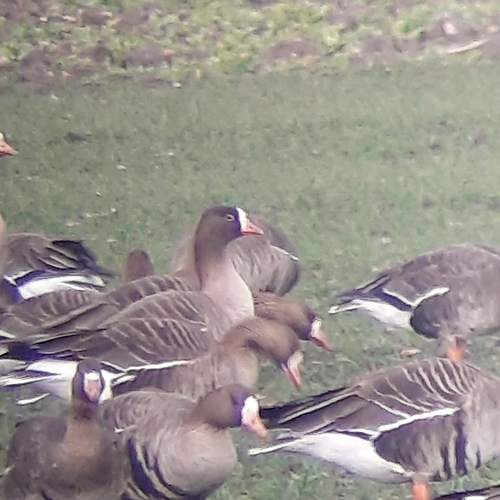
カリガネ (Anser erythropus) カリガネ
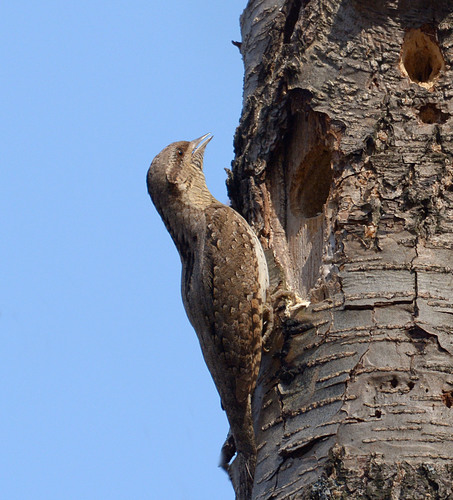
アリスイ (Jynx torquilla) アリスイ

メディア

読み込み中…

要点

最も信頼できるフィールドマークは全体の構造とサイズです:カリガネは大きく、重い体を持つ水鳥で、明るいオレンジ色の脚と頭頂まで伸びる大胆な白いブレイズがあります。一方、アリスイはスリムで、ツグミサイズのキツツキの親戚で、暗色で複雑に縞模様の茶色の羽毛を持っています。もし開けた湿地や野原で黄色のアイリングとオレンジ色の脚を持つ鳥を見たら、それはカリガネです。小さく細長い鳥で、細いくちばし、まだらの茶色の羽毛、そして森林や果樹園の環境で見られるジゴダクティルの足を持つのがアリスイです。幼鳥のアリスイは成鳥に似ていますが、色が鈍く、カリガネのすべての年齢は白い顔のブレイズと黒い腹の縞模様を示します。飛行中、カリガネは力強く直接的で、アリスイは弱く波打っています。これらの種はサイズ、構造、文脈において非常に異なるため、混乱は一瞬の視界や遠くからの視界、または文脈の少ないクイズ写真から生じる可能性が最も高いです。

識別のコツ

  1. サイズと体格:カリガネはアリスイの約50倍の重さです;距離があっても、体格、首の長さ、全体のサイズの違いは明らかです。
  2. くちばしの形:カリガネは短くて太いオレンジ色のくちばしを持っています;アリスイは長くて細い尖った茶色のくちばしを持ち、探るのに適しています。
  3. 脚の色:カリガネは常に明るいオレンジ色の脚を示します;アリスイの脚は淡い茶色で、ずっと細いです。
  4. 顔の模様:カリガネは頭頂まで伸びる大胆な白いブレイズと黄色のアイリング(すべての年齢)を持っています;アリスイは白いブレイズやアイリングのない、暗色で細かく縞模様の顔を持っています。
  5. 腹の模様:カリガネは腹に広い黒い縞模様を示します;アリスイの腹部はクリーム色で、茶色の矢じり模様があり、決して縞模様ではありません。
  6. 上翼の覆羽:カリガネの上翼の覆羽はマウスグレーです;アリスイの翼は縞模様で、まだらの茶色、赤褐色、黒です。
  7. 尾:カリガネの尾は広くて平坦です;アリスイの尾は丸く、灰色で茶色の斑点と淡い帯があります。
  8. 足と姿勢:アリスイはジゴダクティルの足(前に2本、後ろに2本)を持ち、しばしば幹や枝にしがみついているのが見られます;カリガネは常に歩いたり泳いだりし、決して止まっていません。
  9. 飛行スタイル:カリガネは力強く直接的に飛び、しばしば群れで飛びます;アリスイの飛行は弱く、波打ち、移動中は孤立または小さな群れで行動します。
  10. 行動:アリスイは警戒すると蛇のように首をひねることがあります;カリガネはこれをしません。
  11. 生息地:カリガネは開けた湿地、湖、野原に見られます;アリスイは森林、果樹園、散在する木々のある地域に生息します。
  12. 鳴き声:アリスイの鳴き声は繰り返される厳しい「クイー・クイー・クイー・クイー」またはスタッカートの「タック」で、カリガネは典型的なホンキングの鳴き声を出します。
  13. 幼鳥の混乱:幼鳥のアリスイは鈍いですが、まだ暗色で縞模様があります;幼鳥のカリガネは白いブレイズと黒い腹の縞模様を保持します。
  14. 文脈:開けた場所で泳いだり草を食べたりしているのが見られたら、それはカリガネです;木や幹に止まっているのが見られたら、それはアリスイです。
  15. 落とし穴:最も遠くからの文脈のない視界(例:クイズ写真)だけが混乱を引き起こす可能性があります;フィールドでは、構造、サイズ、生息地が瞬時に診断的です。

大きさ

カリガネは非常に大きいです:体重は平均1797gで、アリスイはわずか37gです。カリガネは53〜66cmの長さで、翼幅は120〜135cmで、マガモに似ていますが、アリスイはわずか16〜18cmの長さで、スターリングや小さなツグミのサイズです。距離があっても、カリガネの体格と長い首は明らかですが、アリスイは小さく、スリムで、コンパクトです。

羽色

年齢や飛行羽毛の重複はありません:すべての年齢のカリガネは、頭頂まで伸びる顕著な白いブレイズ、腹を横切る広い黒い縞模様、オレンジ色の脚を示します。上翼の覆羽はマウスグレー(グレイラグのように青くはありません)、黄色のアイリングは診断的です。アリスイは、成鳥と幼鳥ともに、淡い茶色、赤褐色、黒で複雑に縞模様があり、樹皮に対してカモフラージュする暗色のパターンを持っています。アリスイの腹部はクリーム色で茶色の矢じり模様があり、尾は丸くて帯状です。幼鳥のアリスイは成鳥に似ていますが、鈍く、コントラストが少ないです。カリガネの羽毛は大胆でコントラストがあり、アリスイの羽毛は微妙で暗色です。

行動

カリガネは通常、開けた湿地、湖、または野原で群れで見られ、歩いたり草を食べたりし、強く直接的なラインで飛びます。アリスイは通常、夏に孤独またはペアで見られ、移動中は時々小さな群れで、しばしば枝や幹に直立して止まり、頭を高く上げてくちばしを少し上に向けています。アリスイは垂直な表面を登ったりしがみついたりし、警戒すると首を蛇のようにひねることがあります。飛行中、カリガネは力強く安定しており、アリスイの飛行は弱く波打ち、キツツキやツグミを思わせます。

生息環境

カリガネは開けた湿地、ツンドラ、湖、農業用地を好み、森林地域にはめったに入ってきません。アリスイは温帯の森林、果樹園、散在する木々のある開けた地域で繁殖し、特にアリの巣が豊富な場所を好みます。もし開けた水域や草原で鳥を見つけたら、それはほぼ確実にカリガネです;果樹園、森林の端、または古い木の中では、アリスイの方がはるかに可能性が高いです。

声

カリガネは典型的なカモのホンキングやカッカッという鳴き声を出し、ここでは詳細に説明されていません。アリスイの歌は、数秒間続く繰り返される厳しい、鋭い「クイー・クイー・クイー・クイー」で、小さなキツツキやハヤブサを思わせ、警戒音は短いスタッカートの「タック」と、動かされたときのシューという音です。もしキツツキのような音やハヤブサのような音を聞いたら、それはアリスイです;カリガネははるかに大きく、深い声です。

より良い説明を送る

比較と同じ項目を使ってください。文章はすぐに公開されます。

The most reliable field mark is overall structure and size: the Lesser White-fronted Goose is a large, heavy-bodied waterfowl with bright orange legs and a bold white blaze up to the crown, while the Eurasian Wryneck is a slim, thrush-sized woodpecker relative with cryptic, intricately barred brown plumage. If you see a bird with a yellow eye-ring and orange legs in open wetlands or fields, it is the goose; a small, elongated bird with a slender bill, mottled brown plumage, and zygodactyl feet in woodland or orchard settings is the wryneck. Juvenile wrynecks look similar to adults but are duller, while all ages of the goose show the white facial blaze and black belly bars. In flight, the goose is powerful and direct, the wryneck weak and undulating. These species are so different in size, structure, and context that confusion is most likely from a fleeting or distant view, or a quiz photo with little context.

  1. Size and bulk: The goose is nearly 50 times heavier than the wryneck; even at a distance, the difference in bulk, neck length, and overall size is unmistakable.
  2. Bill shape: Goose has a short, stout, orange bill; wryneck has a long, slender, pointed brown bill, well-adapted for probing.
  3. Leg color: Lesser White-fronted Goose always shows bright orange legs; wryneck's legs are pale brown and much finer.
  4. Facial pattern: Goose has a bold white blaze extending up to the crown and a yellow eye-ring (all ages); wryneck has a cryptic, finely barred face with no white blaze or eye-ring.
  5. Belly pattern: Goose shows broad black bars across the belly; wryneck's underparts are creamy with brown arrowhead markings, never barred.
  6. Upperwing coverts: Goose's upperwing coverts are mouse-grey; wryneck's wings are barred and mottled brown, rufous, and black.
  7. Tail: Goose's tail is broad and plain; wryneck's tail is rounded, grey with brown speckles and faint bands.
  8. Feet and posture: Wryneck has zygodactyl feet (two toes forward, two back), often seen clinging to trunks or branches; goose always walks or swims, never perches.
  9. Flight style: Goose flies powerfully and directly, often in flocks; wryneck's flight is weak, undulating, and solitary or in small groups during migration.
  10. Behavior: Wryneck may twist its neck in a snake-like display when alarmed; goose never does this.
  11. Habitat: Goose is found in open wetlands, lakes, and fields; wryneck in woodlands, orchards, and areas with scattered trees.
  12. Vocalization: Wryneck's call is a repeated harsh 'quee-quee-quee-quee' or staccato 'tuck's; goose gives typical honking calls.
  13. Juvenile confusion: Juvenile wrynecks are duller but still cryptic and barred; juvenile geese retain the white blaze and black belly bars.
  14. Context: If seen swimming or grazing in open areas, it is the goose; if perched on a tree or trunk, it is the wryneck.
  15. Pitfalls: Only the most distant, context-free views (e.g., a quiz photo) could lead to confusion; in the field, structure, size, and habitat are instantly diagnostic.

Lesser White-fronted Goose is vastly larger: body mass averages 1797 g, compared to just 37 g for Eurasian Wryneck. The goose is 53–66 cm long with a 120–135 cm wingspan, similar to a mallard, while the wryneck is only 16–18 cm long, about the size of a starling or small thrush. Even at a distance, the goose's bulk and long neck are obvious, while the wryneck is small, slim, and compact.

No age or flight plumage overlap: all ages of Lesser White-fronted Goose show a conspicuous white blaze that extends up to the crown, broad black bars crossing the belly, and orange legs. The upperwing coverts are mouse-grey (not bluish as in Greylag), and the yellow eye-ring is diagnostic. Eurasian Wryneck, adult and juvenile, is intricately barred and mottled in pale brown, rufous, and black, with a cryptic pattern that camouflages against bark. The wryneck's underparts are creamy white with brown arrowhead marks, and the tail is rounded and banded. Juvenile wrynecks are similar to adults but duller and less contrasting. The goose's plumage is bold and contrasting; the wryneck's is subtle and cryptic.

Lesser White-fronted Goose is typically seen in flocks on open wetlands, lakes, or fields, walking or grazing, and flies in strong, direct lines. Eurasian Wryneck is usually solitary or in pairs in summer, sometimes in small groups during migration, perching upright on branches or trunks, often holding its head high and beak slightly up. Wrynecks climb and cling to vertical surfaces, sometimes twisting their necks in a snake-like display when alarmed. In flight, the goose is powerful and steady; the wryneck's flight is weak and undulating, more reminiscent of a woodpecker or thrush.

Lesser White-fronted Goose favors open wetlands, tundra, lakes, and agricultural fields, rarely venturing into wooded areas. Eurasian Wryneck breeds in temperate woodlands, orchards, and open areas with scattered trees, especially where ant nests are abundant. If you find a bird in open water or on a grassy plain, it is almost certainly the goose; in orchards, woodland edges, or old trees, the wryneck is far more likely.

Lesser White-fronted Goose gives typical goose honking and cackling calls, not described in detail here. Eurasian Wryneck's song is a repeated harsh, shrill 'quee-quee-quee-quee' lasting several seconds, reminiscent of a small woodpecker or falcon, with alarm calls of short staccato 'tuck's and hissing when disturbed. If you hear a woodpecker-like or falcon-like call, it is the wryneck; the goose is much louder and deeper-voiced.

変更を破棄しますか?

保存していない編集があります。今離れると失われます。

カリガネ · アリスイ · 苦手な鳥