

Motmot

リュウキュウガモ 対 ルリゴシインコ

Dendrocygna javanica 対 Psittinus cyanurus

リュウキュウガモとルリゴシインコのクイズ
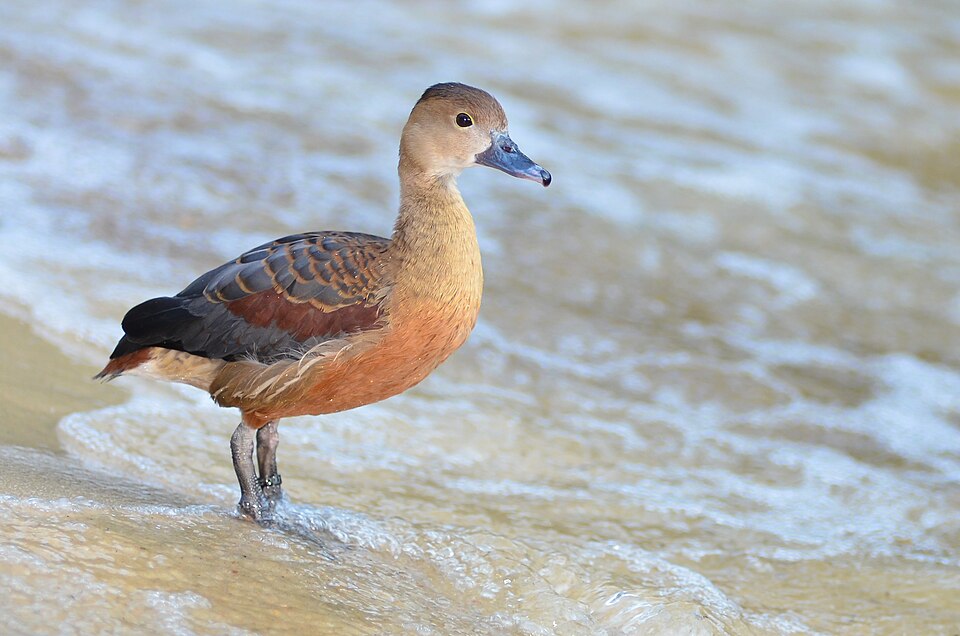
リュウキュウガモ (Dendrocygna javanica) リュウキュウガモ
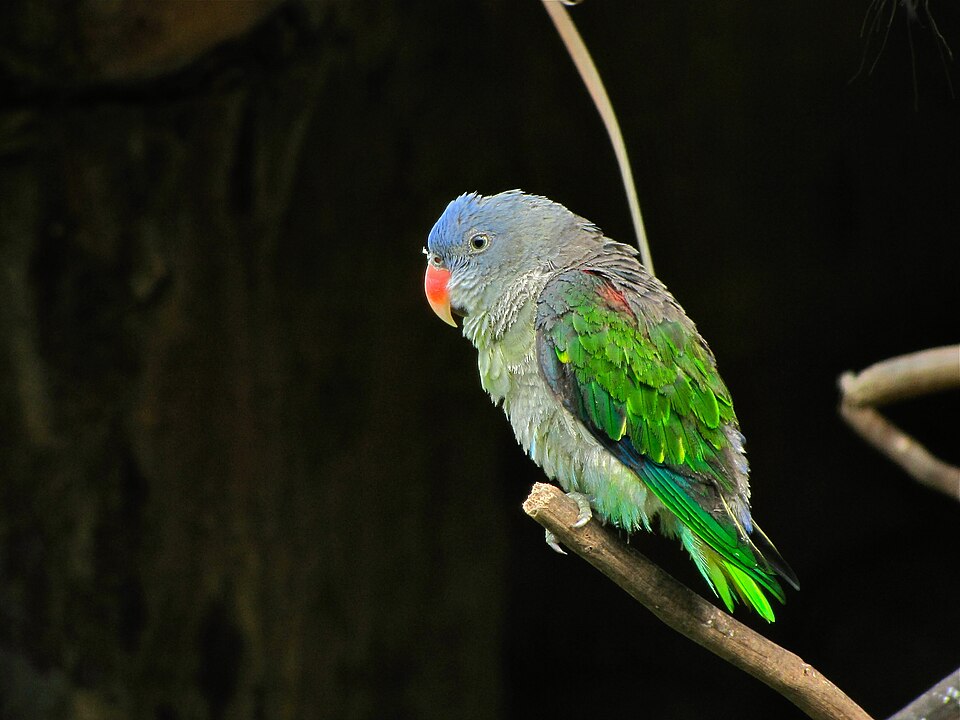
ルリゴシインコ (Psittinus cyanurus) ルリゴシインコ

メディア

読み込み中…

要点

リュウキュウガモとルリゴシインコを区別する最も信頼できる方法は、全体的な形と飛行スタイルによるものです:リュウキュウガモは大きく、長い首を持ち、栗色の水鳥で、遅いホイッスルのような飛行をします。一方、ルリゴシインコははるかに小さく、短い尾を持ち、鮮やかな緑色の鳥で、強く、直線的な飛行と赤い翼の下を持っています。止まっている時の視点では、リュウキュウガモの栗色の体と黄色からオレンジの目のリングが、ルリゴシインコの緑色の羽毛と、オスの場合は青い頭と尾と対比します。性差を示すのはルリゴシインコだけで、オスとメスで頭の色が異なります。生息地と行動も助けになります:リュウキュウガモは水や岸で群れを成して見られ、ルリゴシインコは森林地域に生息し、しばしばペアや小グループで見られます。

識別のコツ

  1. Size and shape: リュウキュウガモははるかに大きく、長い首と脚を持ち、ルリゴシインコは小さく、コンパクトで短い尾を持っています。特に混成種の群れや遠くからの視点では、サイズを最初のチェックとして使用してください。
  2. Flight style: リュウキュウガモは遅く、安定した羽ばたきで飛び、頭を体の下に持っているまっすぐで水平な体を持っています;ルリゴシインコは迅速で直接的な飛行をし、空中でより直立した姿勢を持っています。
  3. Plumage color: リュウキュウガモは全体的に栗色で、暗い冠と栗色の上尾羽覆いを持っています;ルリゴシインコは鮮やかな緑色で、赤い翼の下の覆いと赤みがかった肩の斑点を持ち、特に飛行中や翼を広げた時に目立ちます。
  4. Sexual dimorphism: ルリゴシインコだけが明確な性差を示します:オスは青い頭と尾、黒いマントル、赤い上顎を持ち、メスは灰褐色の頭を持っています。リュウキュウガモの性別は羽毛において同じです。
  5. Eye-ring: リュウキュウガモは特徴的なオレンジから黄色の目のリングを持ち、ルリゴシインコにはありません。
  6. Bill: リュウキュウガモは水鳥に典型的な広く平らなくちばしを持ち、ルリゴシインコは種子や果物を割るのに適した短く強いフック状のくちばしを持っています。
  7. Tail and upper-tail coverts: リュウキュウガモの上尾羽覆いは栗色ですが、ルリゴシインコの尾(特にオスの場合)は青いです。リュウキュウガモの尾は短く四角いですが、ルリゴシインコの尾は短いですがより丸みを帯びています。
  8. Underwing pattern: ルリゴシインコは飛行中に明るい赤い翼の下の覆いと赤みがかった肩の斑点を示し、リュウキュウガモにはありません。
  9. Perching behavior: リュウキュウガモは木に止まることがありますが、最も頻繁に水や岸で見られます;ルリゴシインコはほぼ常に木に止まっているか、木の間を飛んでいます。
  10. Habitat: リュウキュウガモは湿地、湖、田んぼに生息し、ルリゴシインコは森林の端、プランテーション、二次成長に生息し、開けた水域には見られません。
  11. Flock size: リュウキュウガモは非常に群れを成し、大きな群れで見られることが多いです;ルリゴシインコは通常ペアや小グループで見られます。
  12. Vocalization: リュウキュウガモの繰り返しのある、喘ぎ声のようなホイッスルの呼び声を聞いてください、特に飛行中;ルリゴシインコの呼び声はここでは説明されていませんが、より鋭く、甲高いものになるでしょう。
  13. Juvenile confusion: 雛は黒に白い斑点があり、ルリゴシインコと間違われることはありません。幼鳥のルリゴシインコの羽毛は説明されていませんが、この年齢での混乱を示す証拠はありません。
  14. Feeding behavior: リュウキュウガモは水生植物や小動物のために水面をついばんだり潜ったりします;ルリゴシインコは木の中で果物や種子を探します。
  15. Geographic range: 両種は東南アジアの一部で重なりますが、リュウキュウガモの範囲はインド亜大陸の西側にさらに広がります。場所があいまいな場合は、範囲を二次的なチェックとして使用してください。

大きさ

リュウキュウガモはかなり大きく、重く、体重は約525 g [wikidata]で、はるかに小さいルリゴシインコ(長さ18 cm、質量は指定されていませんが、はるかに軽い)と比較されます。リュウキュウガモはより大きな体、長い首、長い脚を持ち、ルリゴシインコはコンパクトで短い首と短い尾を持っています。飛行中または休んでいる時、リュウキュウガモは常にルリゴシインコよりもはるかに大きく、より細長く見えます。

羽色

どちらの種についても年齢特有の上翼パターンは説明されていないため、成人および性差に焦点を当てます。リュウキュウガモは全体的に均一な栗色で、栗色の上尾羽覆いと黄色からオレンジの目のリングを持ち、性別は同じです。飛行中、リュウキュウガモは暗い冠と栗色の上部を示し、明るい斑点はありません。ルリゴシインコは主に緑色で、明るい赤い翼の下の覆いと赤みがかった肩の斑点が飛行中や翼を広げた時に見えます。オスは青い頭と尾、黒いマントル、赤い上顎を持ち、メスは灰褐色の頭を持っています。ルリゴシインコの翼の覆いには黄色がかった縁があります。性差を示すのはルリゴシインコだけで、リュウキュウガモは示しません。幼鳥の羽毛はルリゴシインコについては詳細に説明されていませんが、雛は黒に白い斑点があり、ルリゴシインコと混同されることはありません。

行動

リュウキュウガモは群れを成し、しばしば水面で大きな群れで見られ、食べ物のために水面をついばんだり潜ったりし、時には木に止まることもあります。彼らは主に夜間に活動し、昼間は休みます。ルリゴシインコは通常ペアや小グループで見られ、木の中で食べ物を探し、迅速で直接的な羽ばたきで飛びます。ルリゴシインコは水とは関係がなく、はるかに樹上性です。リュウキュウガモは陸上を歩いているのが見られることがありますが、ルリゴシインコは枝の間を敏捷に移動します。

生息環境

リュウキュウガモは低地の湿地、湖、田んぼに生息し、時には開けた海や都市の湿地にも見られ、常に水の近くにいます。ルリゴシインコはミャンマー、タイ、マレーシア、ボルネオ、スマトラの南端の森林の端、二次成長、プランテーションに生息し、開けた水域には見られません。もし鳥が水や湿地で見られた場合、それはほぼ確実にリュウキュウガモです;もし森林地域やプランテーションで見られた場合、それはおそらくルリゴシインコです。

声

リュウキュウガモは目立つ、繰り返しのある喘ぎ声のような二音のホイッスルの呼び声を出し、特に飛行中や上空を旋回している時に聞かれます。この呼び声は特徴的で、しばしば「船酔いのような」ホイッスルと説明されます。ルリゴシインコの声はメモには説明されていませんが、一般的に鋭く、甲高い呼び声を出し、リュウキュウガモのホイッスルとは非常に異なります。もしホイッスルの呼び声が聞こえた場合、それはほぼ確実にリュウキュウガモです。

より良い説明を送る

比較と同じ項目を使ってください。文章はすぐに公開されます。

The most reliable way to separate Lesser Whistling-Duck from Blue-rumped Parrot is by overall shape and flight style: the duck is a large, long-necked, chestnut-brown waterbird with slow, whistling flight, while the parrot is a much smaller, short-tailed, bright green bird with a strong, direct flight and red underwings. In perched views, the duck’s chestnut body and yellow-orange eye-ring contrast with the parrot’s green plumage and, in males, blue head and rump. Only the parrot shows sexual dimorphism, with males and females differing in head color. Habitat and behavior also help: ducks are seen in flocks on water or banks, parrots in forested areas and often in pairs or small groups.

  1. Size and shape: The duck is much larger, with a long neck and legs; the parrot is small, compact, and short-tailed. Use size as your first check, especially in mixed-species flocks or distant views.
  2. Flight style: Lesser Whistling-Duck flies with slow, steady wingbeats and a straight, level body with the head held below the body; Blue-rumped Parrot has rapid, direct flight and a more upright posture in the air.
  3. Plumage color: The duck is chestnut-brown overall with a dark crown and chestnut upper-tail coverts; the parrot is bright green with red underwing coverts and a reddish shoulder patch, especially visible in flight or when stretching.
  4. Sexual dimorphism: Only the parrot shows clear sex differences: males have a blue head and rump, black mantle, and red upper mandible; females have a grey-brown head. The duck’s sexes are identical in plumage.
  5. Eye-ring: Lesser Whistling-Duck has a distinctive orange to yellow eye-ring, which is absent in the parrot.
  6. Bill: The duck has a broad, flat bill typical of waterfowl; the parrot has a short, strong, hooked bill suited for cracking seeds and fruit.
  7. Tail and upper-tail coverts: The duck’s upper-tail coverts are chestnut, while the parrot’s rump (especially in males) is blue. The duck’s tail is short and squared, the parrot’s is short but more rounded.
  8. Underwing pattern: Blue-rumped Parrot shows bright red underwing coverts and a reddish shoulder patch in flight, absent in the duck.
  9. Perching behavior: Ducks may perch in trees but are most often seen on water or banks; parrots are almost always perched in trees or flying between them.
  10. Habitat: Ducks are found in wetlands, lakes, and paddy fields; parrots are in forest edges, plantations, and secondary growth, never on open water.
  11. Flock size: Ducks are highly gregarious, often in large flocks; parrots are typically in pairs or small groups.
  12. Vocalization: Listen for the duck’s repetitive, wheezy whistling call, especially in flight; parrot calls are not described here but would be sharper and more screechy.
  13. Juvenile confusion: Ducklings are black with white patches and would not be mistaken for a parrot. Juvenile parrot plumage is not described, but no evidence suggests confusion at this age.
  14. Feeding behavior: Ducks dabble or dive for aquatic plants and small animals; parrots forage for fruit and seeds in trees.
  15. Geographic range: Both species overlap in parts of Southeast Asia, but the duck’s range extends further west into the Indian subcontinent. Use range as a secondary check if the location is ambiguous.

Lesser Whistling-Duck is substantially larger and heavier, with a body mass around 525 g [wikidata], compared to the much smaller Blue-rumped Parrot (length 18 cm, mass not specified but much lighter). The duck has a bulkier body, longer neck, and longer legs, while the parrot is compact, short-necked, and short-tailed. In flight or at rest, the duck will always appear much larger and more elongated than the parrot.

No age-specific upperwing pattern is described for either species, so focus is on adult and sex differences. Lesser Whistling-Duck is a uniform chestnut-brown above with chestnut upper-tail coverts and a yellow-orange eye-ring; sexes are alike. In flight, the duck shows a dark crown and chestnut upperparts, with no bright patches. Blue-rumped Parrot is primarily green with bright red underwing coverts and a reddish shoulder patch visible in flight or when wings are spread. Males have a blue head and rump, black mantle, and red upper mandible, while females have a grey-brown head. The parrot’s wing coverts have yellowish margins. Only the parrot shows sexual dimorphism; the duck does not. Juvenile plumages are not detailed for the parrot, but ducklings are black with white patches and would not be confused with the parrot.

Lesser Whistling-Duck is gregarious, often seen in large flocks on water, dabbling or diving for food, and sometimes perching in trees. They are mostly active at night and rest during the day. Blue-rumped Parrot is typically seen in pairs or small groups, foraging in trees and flying with rapid, direct wingbeats. The parrot is not associated with water and is much more arboreal. The duck may be seen waddling on land, while the parrot moves with agility among branches.

Lesser Whistling-Duck is found in lowland wetlands, lakes, paddy fields, and sometimes on the open sea or urban wetlands, always near water. Blue-rumped Parrot inhabits forest edges, secondary growth, and plantations in the southern tip of Myanmar, Thailand, Malaysia, Borneo, and Sumatra, and is not found on open water. If the bird is seen on water or in a wetland, it is almost certainly the duck; if in a forested area or plantation, it is likely the parrot.

Lesser Whistling-Duck gives a prominent, repetitive, wheezy two-note whistling call, especially in flight or when circling overhead. The call is distinctive and often described as a 'seasick' whistle. Blue-rumped Parrot’s vocalizations are not described in the notes, but parrots typically give sharp, screechy calls, very different from the duck’s whistling. If you hear a whistling call, it is almost certainly the duck.

変更を破棄しますか?

保存していない編集があります。今離れると失われます。

リュウキュウガモ · ルリゴシインコ · 苦手な鳥