

Lesser Whistling-Duck vs Blue-rumped Parrot
Dendrocygna javanica contro Psittinus cyanurus
Fai un quiz con Lesser Whistling-Duck e Blue-rumped Parrot
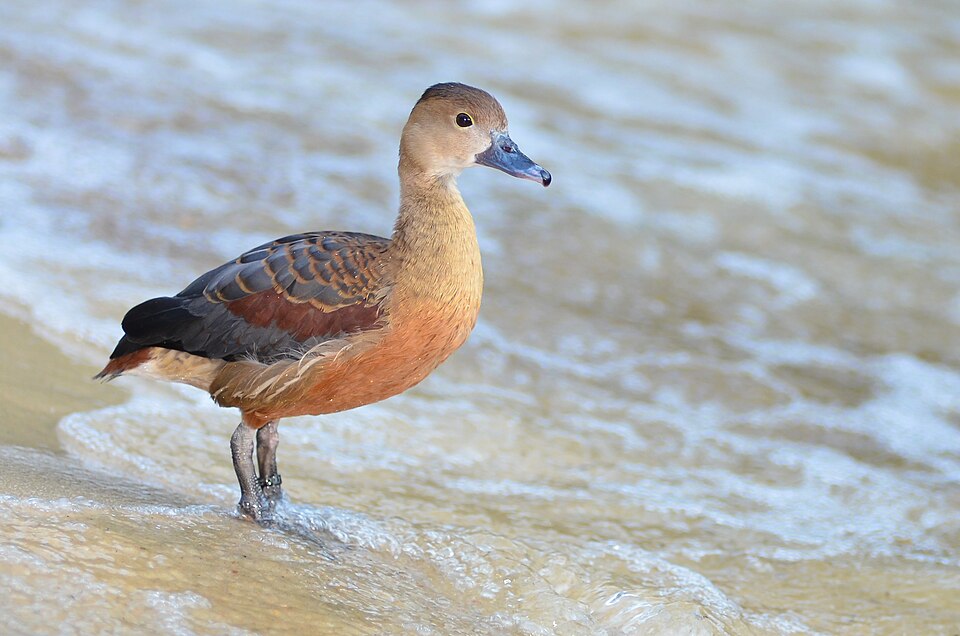 Lesser Whistling-Duck
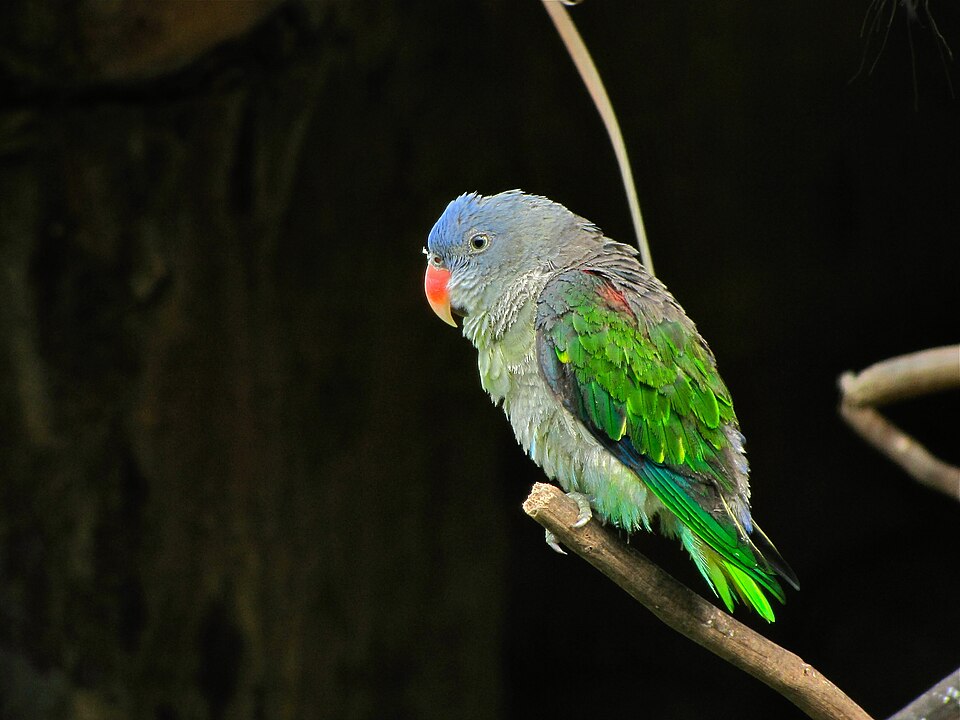 Blue-rumped Parrot
In breve
Il modo più affidabile per separare il Lesser Whistling-Duck dal Blue-rumped Parrot è attraverso la forma generale e lo stile di volo: l'anatra è un grande uccello acquatico dal collo lungo e marrone castano con un volo lento e fischiante, mentre il pappagallo è un uccello molto più piccolo, dalla coda corta e di un verde brillante con un volo forte e diretto e ali inferiori rosse. Nelle viste in perching, il corpo castano dell'anatra e l'anello oculare giallo-arancio contrastano con il piumaggio verde del pappagallo e, nei maschi, la testa e il dorso blu. Solo il pappagallo mostra dimorfismo sessuale, con maschi e femmine che differiscono nel colore della testa. L'habitat e il comportamento aiutano anche: le anatre sono viste in gruppi sull'acqua o sulle rive, i pappagalli in aree boschive e spesso in coppie o piccoli gruppi.
Consigli di identificazione
- Dimensioni e forma: L'anatra è molto più grande, con un collo e gambe lunghi; il pappagallo è piccolo, compatto e dalla coda corta. Usa la dimensione come primo controllo, specialmente in gruppi misti o in viste distanti.
- Stile di volo: Il Lesser Whistling-Duck vola con battiti d'ala lenti e costanti e un corpo dritto e livellato con la testa tenuta sotto il corpo; il Blue-rumped Parrot ha un volo rapido e diretto e una postura più eretta in aria.
- Colore del piumaggio: L'anatra è di un marrone castano uniforme con una corona scura e copritrici superiori castane; il pappagallo è di un verde brillante con copritrici rosse sotto le ali e una macchia rossa sulla spalla, visibile soprattutto in volo o quando si allunga.
- Dimorfismo sessuale: Solo il pappagallo mostra chiare differenze sessuali: i maschi hanno una testa e un dorso blu, un mantello nero e una mandibola superiore rossa; le femmine hanno una testa grigio-marrone. I sessi dell'anatra sono identici nel piumaggio.
- Anello oculare: Il Lesser Whistling-Duck ha un anello oculare distintivo da arancione a giallo, che è assente nel pappagallo.
- Becco: L'anatra ha un becco largo e piatto tipico degli uccelli acquatici; il pappagallo ha un becco corto, forte e ricurvo adatto a rompere semi e frutta.
- Coda e copritrici superiori della coda: Le copritrici superiori della coda dell'anatra sono castane, mentre il dorso del pappagallo (soprattutto nei maschi) è blu. La coda dell'anatra è corta e quadrata, la coda del pappagallo è corta ma più arrotondata.
- Schema delle ali inferiori: Il Blue-rumped Parrot mostra copritrici rosse brillanti sotto le ali e una macchia rossa sulla spalla in volo, assente nell'anatra.
- Comportamento di posarsi: Le anatre possono posarsi sugli alberi ma sono più spesso viste sull'acqua o sulle rive; i pappagalli sono quasi sempre posati sugli alberi o volano tra di essi.
- Habitat: Le anatre si trovano in zone umide, laghi e risaie; i pappagalli si trovano ai margini delle foreste, in piantagioni e in crescita secondaria, mai su acque aperte.
- Dimensione del gruppo: Le anatre sono altamente gregarie, spesso in grandi gruppi; i pappagalli sono tipicamente in coppie o piccoli gruppi.
- Vocalizzazione: Ascolta il richiamo ripetitivo e fischiante dell'anatra, specialmente in volo; i richiami dei pappagalli non sono descritti qui ma sarebbero più acuti e striduli.
- Confusione giovanile: I pulcini sono neri con macchie bianche e non sarebbero scambiati per un pappagallo. Il piumaggio giovanile del pappagallo non è descritto, ma non ci sono prove che suggeriscano confusione a questa età.
- Comportamento alimentare: Le anatre si nutrono di piante acquatiche e piccoli animali; i pappagalli cercano frutta e semi sugli alberi.
- Distribuzione geografica: Entrambe le specie si sovrappongono in alcune parti del sud-est asiatico, ma l'areale dell'anatra si estende ulteriormente a ovest nel subcontinente indiano. Usa l'areale come controllo secondario se la posizione è ambigua.
Taglia
Il Lesser Whistling-Duck è sostanzialmente più grande e più pesante, con una massa corporea di circa 525 g [wikidata], rispetto al molto più piccolo Blue-rumped Parrot (lunghezza 18 cm, massa non specificata ma molto più leggera). L'anatra ha un corpo più massiccio, collo più lungo e gambe più lunghe, mentre il pappagallo è compatto, con collo corto e coda corta. In volo o a riposo, l'anatra apparirà sempre molto più grande e più allungata rispetto al pappagallo.
Piumaggio
Nessun schema specifico per l'età è descritto per nessuna delle due specie, quindi ci si concentra sulle differenze tra adulti e sessi. Il Lesser Whistling-Duck è di un marrone castano uniforme sopra con copritrici superiori castane e un anello oculare giallo-arancio; i sessi sono simili. In volo, l'anatra mostra una corona scura e parti superiori castane, senza macchie brillanti. Il Blue-rumped Parrot è principalmente verde con copritrici rosse brillanti sotto le ali e una macchia rossa sulla spalla visibile in volo o quando le ali sono spiegate. I maschi hanno una testa e un dorso blu, un mantello nero e una mandibola superiore rossa, mentre le femmine hanno una testa grigio-marrone. Le copritrici delle ali del pappagallo hanno margini giallastri. Solo il pappagallo mostra dimorfismo sessuale; l'anatra no. I piumaggi giovanili non sono dettagliati per il pappagallo, ma i pulcini sono neri con macchie bianche e non sarebbero confusi con il pappagallo.
Comportamento
Il Lesser Whistling-Duck è gregario, spesso visto in grandi gruppi sull'acqua, che si nutre o si tuffa per cibo, e a volte si posa sugli alberi. Sono per lo più attivi di notte e riposano durante il giorno. Il Blue-rumped Parrot è tipicamente visto in coppie o piccoli gruppi, che si nutrono sugli alberi e volano con battiti d'ala rapidi e diretti. Il pappagallo non è associato all'acqua ed è molto più arboricolo. L'anatra può essere vista camminare a terra, mentre il pappagallo si muove con agilità tra i rami.
Habitat
Il Lesser Whistling-Duck si trova in zone umide di pianura, laghi, risaie e talvolta in mare aperto o in zone umide urbane, sempre vicino all'acqua. Il Blue-rumped Parrot abita ai margini delle foreste, in crescita secondaria e in piantagioni nel sud della Birmania, Thailandia, Malesia, Borneo e Sumatra, e non si trova in acque aperte. Se l'uccello è visto sull'acqua o in una zona umida, è quasi certamente l'anatra; se in un'area boschiva o in una piantagione, è probabilmente il pappagallo.
Voce
Il Lesser Whistling-Duck emette un richiamo fischiante prominente, ripetitivo e wheezy a due note, specialmente in volo o quando circola sopra. Il richiamo è distintivo e spesso descritto come un fischio 'da mal di mare'. Le vocalizzazioni del Blue-rumped Parrot non sono descritte nelle note, ma i pappagalli tipicamente emettono richiami acuti e striduli, molto diversi dal fischio dell'anatra. Se senti un richiamo fischiante, è quasi certamente l'anatra.
Lesser Whistling-Duck · Blue-rumped Parrot · I miei uccelli difficili