

Motmot

アシナガワシ 対 カタシロワシ

Clanga pomarina 対 Aquila heliaca

アシナガワシとカタシロワシのクイズ

アシナガワシ (Clanga pomarina) アシナガワシ
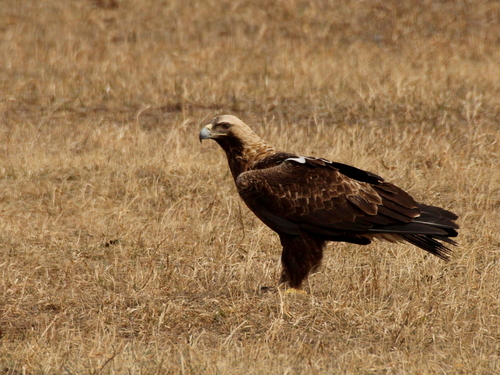
カタシロワシ (Aquila heliaca) カタシロワシ

メディア

読み込み中…

要点

アシナガワシとカタシロワシの最も信頼できるフィールドマークは、特に幼鳥や未成熟個体における飛行中の上翼と尾のパターンです。すべての年齢のアシナガワシは、暗い飛行羽と対照的な淡い頭部と覆羽を示し、上尾に特徴的な白い「V」を持っていますが、幼鳥は飛翔羽に目立つ白い斑点を持っていますが、覆羽の斑点はありません。一方、カタシロワシは白い尾の「V」を欠き、幼鳥は独特の黄褐色で茶色の縞模様を持ち、淡い後部の体と暗い飛翔羽を示しますが、同じ翼や尾の対比はありません。カタシロワシはまた、はるかに大きくてがっしりしており、相対的に大きな頭と長い首を持っています。構造、全体の暗さ、覆羽と尾のマーキングの有無は、特に飛行中の識別において重要です。

識別のコツ

  1. 上尾の白い「V」(すべての年齢): アシナガワシは、飛行中や止まっているときに見える上尾の明確な白い「V」を示します。カタシロワシはこのマークを決して示しません。
  2. 淡い頭部と翼の覆羽(すべての年齢): アシナガワシは、体の他の部分と比較して明らかに淡い頭部と翼の覆羽を持ち、暗い飛行羽との対比を生み出します。カタシロワシは、幼鳥では均一に暗いか黄褐色です。
  3. 幼鳥の飛翔羽の斑点: 幼鳥のアシナガワシは、飛翔羽に目立つ白い斑点を持っていますが、翼の覆羽には白い斑点がありません。カタシロワシの幼鳥はこのパターンを示しません。
  4. 幼鳥の覆羽の斑点: 翼の覆羽に白い斑点が見られる場合、それはアシナガワシの幼鳥ではありません。カタシロワシの幼鳥は黄褐色で茶色の縞模様を持ち、覆羽の斑点はありません。
  5. 幼鳥の首の斑点: 幼鳥のアシナガワシはクリーム色の首の斑点を示します。カタシロワシの幼鳥は代わりに茶色の縞模様を持っています。
  6. 幼鳥の全体の色: カタシロワシの幼鳥は、黄褐色で茶色の縞模様が特徴的で、淡い後部の体と暗い飛翔羽を持っています。アシナガワシの幼鳥は、より均一に茶色で、頭部と尾が淡いです。
  7. 成鳥の羽毛: 成鳥のアシナガワシは淡い頭部/覆羽と白い尾の「V」を保持します。成鳥のカタシロワシは全体的にはるかに暗く、白い翼と尾のマークがなく、翼のマントルに白い斑点と灰色がかった尾羽を示します。亜成鳥のカタシロワシは淡いショールを示すことがありますが、アシナガワシほど対照的なパターンにはなりません。覆羽の斑点の有無と首の斑点の色は、幼鳥において重要です。両者は遠くから暗く見えることがありますが、アシナガワシの対照的な頭部と尾は独特です。

大きさ

カタシロワシはアシナガワシよりもかなり大きく、重いです(成鳥の質量:3215 g対1475.5 g)[wikidata]。フィールドでは、カタシロワシはよりがっしりして力強く見え、大きな頭と長い首を持っていますが、アシナガワシは鷲にしては中型でより細身です。止まっているとき、カタシロワシのサイズと比率はより威圧的であり、飛行中にはその翼幅と体のボリュームが明らかに大きくなります。しかし、他の大型鷲とのサイズの重なりがあるため、構造と羽毛はサイズ単独よりも信頼性があります。

羽色

幼鳥と未成熟のアシナガワシは、一般的に暗い羽毛と対照的な淡い茶色の頭部と翼の覆羽を示し、上尾に明確な白い「V」を持っています(すべての年齢に存在しますが、幼鳥ではあまり明確ではありません)。幼鳥は飛翔羽に目立つ白い斑点を持っていますが、覆羽の斑点はなく、クリーム色の首の斑点を示します。カタシロワシの幼鳥は独特で、全体が黄褐色で茶色の縞模様があり、淡い後部の体と暗い飛翔羽を持っていますが、白い尾の「V」と同じ程度の翼の対比はありません。成鳥:アシナガワシの成鳥は淡い頭部/覆羽と白い尾の「V」を保持しますが、カタシロワシの成鳥は全体的にはるかに暗く、白い翼と尾のマークがなく、翼のマントルに白い斑点と灰色がかった尾羽を示します。亜成鳥のカタシロワシは淡いショールを示すことがありますが、アシナガワシほど対照的なパターンにはなりません。覆羽の斑点の有無と首の斑点の色は、幼鳥において重要です。両者は遠くから暗く見えることがありますが、アシナガワシの対照的な頭部と尾は独特です。

行動

両種は警戒心が強く、開けたまたは軽く木立のある国で狩りをしますが、カタシロワシはより支配的で力強く、冬の生息域で他の猛禽類を追い出すことがよくあります。アシナガワシは、開けた地域で小型哺乳類や陸上の獲物を狩る姿が見られることが多いですが、カタシロワシの大きなサイズはより大きな獲物に挑むことを可能にし、死骸で優位に立つことができます。両者は木に止まりますが、カタシロワシの体格と姿勢はより威圧的です。飛行スタイルは似ており、広い翼と滑空を持っていますが、カタシロワシは翼の上でより重く、力強く見えます。

生息環境

アシナガワシは中央および東ヨーロッパで繁殖し、トルコやアルメニアにかけて南東に広がり、開けたまたは軽く木立のある国を好みます。カタシロワシは東南ヨーロッパで繁殖し、西および中央アジア全体に広がり、アフリカやアジアにまで及ぶ広範な冬の生息域を持っています。両者は東ヨーロッパで重なることがありますが、カタシロワシは草原、開けた森林、乾燥した生息地にいる可能性が高く、アシナガワシは湿った、より混合された風景を好みます。冬には文脈が助けになることがありますが、両者は似たような開けた生息地に出現することがあります。

声

アシナガワシは犬のような「イッ」という声を出し、聞こえた場合は特徴的です。これらのメモにはカタシロワシの鳴き声の詳細は提供されていないため、アシナガワシの「イッ」が聞こえない限り、声は信頼できる識別要因ではありません。

より良い説明を送る

比較と同じ項目を使ってください。文章はすぐに公開されます。

The most reliable field mark between Lesser Spotted Eagle and Imperial Eagle is the upperwing and rump pattern in flight, especially in juveniles and immatures. Lesser Spotted Eagles of all ages show a pale head and coverts contrasting with darker flight feathers, and a distinctive white 'V' on the upper rump, while juveniles have prominent white spots on the remiges but lack covert spotting. Imperial Eagles, by contrast, lack the white rump 'V', and juveniles are a unique tawny-buff with brown streaking, showing a pale rear body and dark remiges, but not the same wing or rump contrast. Imperial Eagles are also much larger and bulkier, with a proportionately bigger head and longer neck. Structure, overall darkness, and the presence or absence of covert and rump markings are key for separation, especially in flight.

  1. White 'V' on upper rump (all ages): Lesser Spotted Eagle shows a clear white 'V' on the upper rump, visible in flight and often when perched; Imperial Eagle never shows this mark.
  2. Pale head and wing coverts (all ages): Lesser Spotted Eagle has a noticeably paler head and wing coverts compared to the rest of the body, creating a contrast with darker flight feathers; Imperial Eagle is uniformly darker or tawny-buff in juveniles.
  3. Juvenile remige spotting: Juvenile Lesser Spotted Eagles have prominent white spots on the remiges (flight feathers), but lack white spots on the wing coverts; Imperial Eagle juveniles do not show this pattern.
  4. Juvenile covert spotting: If you see white spots on the wing coverts, it is not a Lesser Spotted Eagle juvenile; Imperial Eagle juveniles are tawny-buff with brown streaking and lack covert spotting.
  5. Neck patch in juveniles: Juvenile Lesser Spotted Eagles show a cream-colored neck patch; Imperial Eagle juveniles have brownish streaking instead.
  6. Overall color in juveniles: Imperial Eagle juveniles are unique in being tawny-buff with brown streaking, giving a pale rear body and dark remiges; Lesser Spotted Eagle juveniles are more uniformly brown with paler head and rump.
  7. Adult plumage: Adult Lesser Spotted Eagles retain the pale head/coverts and white rump 'V'; adult Imperial Eagles are much darker, with white spots on the wing mantle and a greyish undertail, but not the same rump or wing contrast.
  8. Size and bulk: Imperial Eagle is much larger and bulkier, with a heavier build, larger head, and longer neck; Lesser Spotted Eagle is medium-sized and more slender.
  9. Structure in flight: Imperial Eagle appears more powerful and imposing in flight, with broader wings and a longer neck; Lesser Spotted Eagle is more compact and less bulky.
  10. Perched posture: Imperial Eagle perches more upright and appears more massive; Lesser Spotted Eagle is less imposing and has a smaller bill and head for an eagle.
  11. Habitat context: In Eastern Europe, Lesser Spotted Eagle prefers moister, mixed open country; Imperial Eagle is more likely in steppe and drier open woodland, but both can overlap.
  12. Vocalization: If you hear a dog-like yip, it's Lesser Spotted Eagle; Imperial Eagle's call is not described here.
  13. Pitfalls with hybrids: Rare hybrids between Lesser and Greater Spotted Eagles are very difficult to separate from Lesser Spotted Eagle; Imperial Eagle is not known to hybridize with either.
  14. Seasonal variation: Both species are migratory, but Imperial Eagle winters farther east and south; context may help but is not diagnostic.
  15. When marks fail: At great distance or in poor light, both can appear dark; rely on rump, head, and wing pattern first, then structure and size.

Imperial Eagle is substantially larger and heavier than Lesser Spotted Eagle (adult mass: 3215 g vs 1475.5 g) [wikidata]. In the field, Imperial Eagle appears bulkier and more powerful, with a larger head and longer neck, while Lesser Spotted Eagle is more medium-sized and slender for an eagle. Perched, Imperial Eagle's size and proportions are more imposing, and in flight, its wingspan and body bulk are noticeably greater. However, overlap in size with other large eagles means structure and plumage are more reliable than size alone.

Juvenile and immature Lesser Spotted Eagles show a pale brown head and wing coverts contrasting with generally darker plumage, and a clear white 'V' on the upper rump (present in all ages, though less defined in juveniles). Juveniles have prominent white spots on the remiges but lack covert spotting, and show a cream-colored neck patch. Imperial Eagle juveniles are distinctive: overall tawny-buff with brownish streaking, giving a pale rear body and dark remiges, but lack the white rump 'V' and the same degree of wing contrast. Adults: Lesser Spotted Eagle adults retain the pale head/coverts and white rump 'V', while Imperial Eagle adults are much darker overall, lacking the white wing and rump marks, and show white spots on the wing mantle and a greyish undertail. Subadult Imperial Eagles may show some pale shawl but are never as contrastingly patterned as Lesser Spotted Eagle. The presence or absence of covert spotting and the color of the neck patch are key in juveniles. Both can appear dark at distance, but the Lesser Spotted Eagle's contrasting head and rump are unique.

Both species are wary and hunt over open or lightly wooded country, but Imperial Eagle is more dominant and powerful, often displacing other raptors in its winter range. Lesser Spotted Eagle is more likely to be seen hunting small mammals and terrestrial prey in open areas, while Imperial Eagle's larger size allows it to tackle larger prey and dominate at carcasses. Both perch in trees, but Imperial Eagle's bulk and posture are more imposing. Flight style is similar, with broad wings and soaring, but Imperial Eagle appears heavier and more powerful on the wing.

Lesser Spotted Eagle breeds in Central and Eastern Europe, southeast to Turkey and Armenia, favoring open or lightly wooded country. Imperial Eagle breeds in southeastern Europe and widely through West and Central Asia, with a broader winter range extending to Africa and Asia. Both can overlap in Eastern Europe, but Imperial Eagle is more likely in steppe, open woodland, and drier habitats, while Lesser Spotted Eagle prefers moister, more mixed landscapes. In winter, context may help, but both can occur in similar open habitats.

Lesser Spotted Eagle gives a dog-like yip, which is distinctive if heard. No vocalization details are provided for Imperial Eagle in these notes, so voice is not a reliable separator unless Lesser Spotted Eagle's yip is heard.

変更を破棄しますか?

保存していない編集があります。今離れると失われます。

アシナガワシ · カタシロワシ · 苦手な鳥