

Motmot

ヒメソウゲンライチョウ 対 ハリモミライチョウ

Tympanuchus pallidicinctus 対 Canachites canadensis

ヒメソウゲンライチョウとハリモミライチョウのクイズ
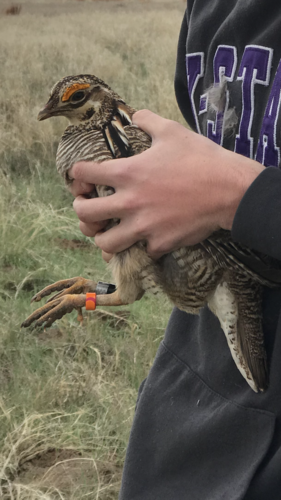
ヒメソウゲンライチョウ (Tympanuchus pallidicinctus) ヒメソウゲンライチョウ
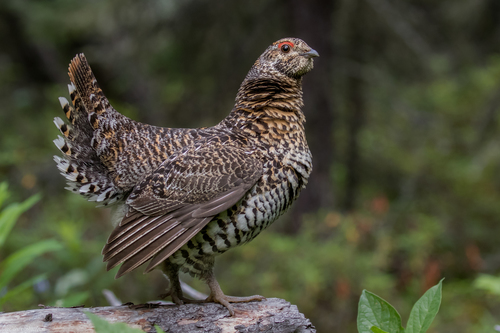
ハリモミライチョウ (Canachites canadensis) ハリモミライチョウ

メディア

読み込み中…

要点

ヒメソウゲンライチョウとハリモミライチョウを区別する最も信頼できる方法は、文脈と全体的な外観です:ヒメソウゲンライチョウは、淡い縞模様のある重い開けた国のライチョウであり、ハリモミライチョウは、雄が目を引く赤い眉の冠を示し、より暗く、対照的な羽毛を持つ小さく、より樹上性の種です。幼鳥と雌のハリモミライチョウは混乱を招くことがありますが、彼らのまだらな茶色または灰色のパターンと針葉樹林を好むことは強い手がかりです。飛行中、ヒメソウゲンライチョウはより大きく、よりバフィーに見え、ハリモミライチョウはよりコンパクトで、しばしば木の間を短い距離で飛んでいるのが見られます。生息地は主要な区別要因です:ヒメソウゲンライチョウは開けた草原に見られ、ハリモミライチョウは厳密に北方森林の鳥です。

識別のコツ

  1. Habitat is often decisive: Open grassland or prairie = ヒメソウゲンライチョウ; dense coniferous forest = ハリモミライチョウ. This works for all ages and sexes.
  2. Facial features: Male ハリモミライチョウ have a bright red eyebrow comb, absent in ヒメソウゲンライチョウ. Females and juveniles lack this, but males are unmistakable when seen well.
  3. Plumage contrast: Male ハリモミライチョウ are sharply marked with black underparts, white spots on the sides, and grey upperparts. ヒメソウゲンライチョウ is overall paler, buffier, and more evenly barred, lacking strong black or white contrasts.
  4. Tail pattern: ハリモミライチョウ (all ages) shows a dark tail with a pale terminal band; ヒメソウゲンライチョウ's tail is more rounded and lacks a sharp pale band.
  5. Body size and shape: ヒメソウゲンライチョウ is heavier and bulkier, with a more chicken-like profile. ハリモミライチョウ is more compact and suited to perching.
  6. Behavior: ハリモミライチョウ is often seen perched in trees or flying short distances through forest. ヒメソウゲンライチョウ is almost always on the ground, especially in open areas.
  7. Display behavior: ヒメソウゲンライチョウ males display on the ground with 'booming' calls; ハリモミライチョウ males perform wing-clap displays in flight.
  8. Juvenile/female confusion: ハリモミライチョウ females and juveniles are mottled brown or grey with barred underparts and a dark tail with a pale tip. ヒメソウゲンライチョウ juveniles are paler and more uniformly barred, lacking the dark tail and pale tip.
  9. Vocalizations: If you hear a deep booming call in open country, it's ヒメソウゲンライチョウ. ハリモミライチョウ is mostly silent, with only soft calls and mechanical wing sounds.
  10. Lek location: If you observe lekking behavior in open grassland, it's ヒメソウゲンライチョウ. ハリモミライチョウ does not lek in open areas.
  11. Flight style: ハリモミライチョウ flies short, direct distances between trees; ヒメソウゲンライチョウ flushes with a heavier, more labored flight over open ground.
  12. Perching: ハリモミライチョウ regularly perches in trees; ヒメソウゲンライチョウ does not.
  13. Facial skin color: Red (ハリモミライチョウ male) vs. none (ヒメソウゲンライチョウ); yellow facial skin is not present in either of these two.
  14. Seasonal context: Both species can be seen year-round in their respective habitats, but ヒメソウゲンライチョウ lekking is most obvious in spring.
  15. Common pitfalls: Female and juvenile ハリモミライチョウ can be confused with other brownish grouse, but the habitat and tail pattern are reliable; ヒメソウゲンライチョウ is rarely confused if seen well in open country.

大きさ

ヒメソウゲンライチョウは、ハリモミライチョウ(雄550–650g、雌450–550g [wikipedia])よりも明らかに大きく、重い(体重約685.5g [wikidata])です。ヒメソウゲンライチョウは、より頑丈で鶏のような体型を持ち、ハリモミライチョウはよりコンパクトで木に止まるのに適しています。フィールドでは、ヒメソウゲンライチョウは特に地面や飛行中により大きく見え、ハリモミライチョウはより小さく、整然とした印象を与えます。

羽色

幼鳥と雌のハリモミライチョウは、暗いおよび白い縞模様のあるまだらな茶色(赤色型)または灰色(灰色型)で、エリマキライチョウに非常に似ていますが、暗い尾の先端が淡いです。雄は主に上面が灰色で、下面が黒く、側面に大胆な白い斑点があり、特徴的な赤い眉の冠を持っています。対照的に、ヒメソウゲンライチョウは全体的に淡く、より均一に縞模様があり、雄のハリモミライチョウの強い黒/白の対比や赤い眉の冠が欠けています。すべての年齢において、ヒメソウゲンライチョウはよりバフィーで、より鋭くマークされておらず、白い斑点や赤い顔の皮膚がありません。飛行中、ハリモミライチョウは淡い端帯のある暗い尾を示し、ヒメソウゲンライチョウの尾はより丸みを帯びており、鋭い模様がありません。どちらの種についても年齢特有の上翼パターンは詳細には記載されていませんが、全体的な対比と顔の特徴が重要です。

行動

ヒメソウゲンライチョウは、短い草の丘や尾根でディスプレイを行う古典的な開放地のレッキング種であり、時には人工的なクリアリングを利用することもあります。彼らは地上性であり、木に止まることはほとんどありません。対照的に、ハリモミライチョウは樹上生活に適応しており、木に止まったり、動き回ったり、森林の中を短い距離を飛んだりします。ハリモミライチョウの雄は、領土の飛行中に翼を叩くディスプレイを行い、これはヒメソウゲンライチョウでは見られない行動です。ヒメソウゲンライチョウの雄は、地面で「轟音」の呼び声と目に見えるレッキング行動を行います。

生息環境

生息地は強力な区別要因です。ヒメソウゲンライチョウは開けた草原、プレーリー、低木地に見られ、レッキングや巣作りのために広く開けた地域を好みます。ハリモミライチョウは厳密に針葉樹の北方森林(タイガ)に生息し、密なスプルースや松の林から離れて見られることはほとんどありません。開けた草原でライチョウを見た場合、それはほぼ確実にハリモミライチョウではありません。逆に、密な針葉樹林でライチョウを見た場合、それはヒメソウゲンライチョウではありません。

声

ヒメソウゲンライチョウは、レッキングディスプレイ中に開けた地面で響く深く共鳴する「轟音」の呼び声で知られています。ハリモミライチョウは、警告やひなをまとめるための柔らかい呼び声と、雄の翼を叩くディスプレイのような非音声的な音を持つ、最も静かなライチョウの一つです。ハリモミライチョウを見る前に聞くことはほとんどありませんが、ヒメソウゲンライチョウのレックは音で見つけられることがよくあります。

より良い説明を送る

比較と同じ項目を使ってください。文章はすぐに公開されます。

The most reliable way to separate Lesser Prairie-Chicken from Spruce Grouse is by context and overall appearance: Lesser Prairie-Chicken is a heavier, open-country grouse with a pale, barred look, while Spruce Grouse is a smaller, more arboreal species with males showing a striking red eyebrow comb and darker, more contrasting plumage. Juvenile and female Spruce Grouse can be confusing, but their mottled brown or grey pattern and preference for coniferous forests are strong clues. In flight, Lesser Prairie-Chicken appears bulkier and more buffy, whereas Spruce Grouse is more compact and often seen flying short distances between trees. Habitat is a major separator: Lesser Prairie-Chicken is found in open grasslands, while Spruce Grouse is strictly a bird of boreal forests.

  1. Habitat is often decisive: Open grassland or prairie = Lesser Prairie-Chicken; dense coniferous forest = Spruce Grouse. This works for all ages and sexes.
  2. Facial features: Male Spruce Grouse have a bright red eyebrow comb, absent in Lesser Prairie-Chicken. Females and juveniles lack this, but males are unmistakable when seen well.
  3. Plumage contrast: Male Spruce Grouse are sharply marked with black underparts, white spots on the sides, and grey upperparts. Lesser Prairie-Chicken is overall paler, buffier, and more evenly barred, lacking strong black or white contrasts.
  4. Tail pattern: Spruce Grouse (all ages) shows a dark tail with a pale terminal band; Lesser Prairie-Chicken's tail is more rounded and lacks a sharp pale band.
  5. Body size and shape: Lesser Prairie-Chicken is heavier and bulkier, with a more chicken-like profile. Spruce Grouse is more compact and suited to perching.
  6. Behavior: Spruce Grouse is often seen perched in trees or flying short distances through forest. Lesser Prairie-Chicken is almost always on the ground, especially in open areas.
  7. Display behavior: Lesser Prairie-Chicken males display on the ground with 'booming' calls; Spruce Grouse males perform wing-clap displays in flight.
  8. Juvenile/female confusion: Spruce Grouse females and juveniles are mottled brown or grey with barred underparts and a dark tail with a pale tip. Lesser Prairie-Chicken juveniles are paler and more uniformly barred, lacking the dark tail and pale tip.
  9. Vocalizations: If you hear a deep booming call in open country, it's Lesser Prairie-Chicken. Spruce Grouse is mostly silent, with only soft calls and mechanical wing sounds.
  10. Lek location: If you observe lekking behavior in open grassland, it's Lesser Prairie-Chicken. Spruce Grouse does not lek in open areas.
  11. Flight style: Spruce Grouse flies short, direct distances between trees; Lesser Prairie-Chicken flushes with a heavier, more labored flight over open ground.
  12. Perching: Spruce Grouse regularly perches in trees; Lesser Prairie-Chicken does not.
  13. Facial skin color: Red (Spruce Grouse male) vs. none (Lesser Prairie-Chicken); yellow facial skin is not present in either of these two.
  14. Seasonal context: Both species can be seen year-round in their respective habitats, but Prairie-Chicken lekking is most obvious in spring.
  15. Common pitfalls: Female and juvenile Spruce Grouse can be confused with other brownish grouse, but the habitat and tail pattern are reliable; Lesser Prairie-Chicken is rarely confused if seen well in open country.

Lesser Prairie-Chicken is distinctly larger and heavier (body mass ~685.5g [wikidata]) than Spruce Grouse (males 550–650g, females 450–550g [wikipedia]). Prairie-Chicken has a more robust, chicken-like build, while Spruce Grouse is more compact and suited to perching in trees. In the field, Lesser Prairie-Chicken will look bulkier, especially on the ground or in flight, whereas Spruce Grouse appears smaller and neater.

Juvenile and female Spruce Grouse are mottled brown (red morph) or grey (grey morph) with dark and white barring below, closely resembling ruffed grouse but with a dark tail tipped pale. Males are mostly grey above and black below, with bold white spots on the sides and a distinctive red eyebrow comb. Lesser Prairie-Chicken, by contrast, is overall paler and more uniformly barred, lacking the strong black/white contrast of male Spruce Grouse and the red eyebrow comb. In all ages, Lesser Prairie-Chicken is more buffy and less sharply marked, with no white spotting or red facial skin. In flight, Spruce Grouse shows a dark tail with a pale terminal band, while Lesser Prairie-Chicken's tail is more rounded and less sharply patterned. No age-specific upperwing patterns are detailed for either species in the notes, but the overall contrast and facial features are key.

Lesser Prairie-Chicken is a classic open-ground lekking species, often seen displaying on short grass hills or ridges, sometimes even using man-made clearings. They are terrestrial, rarely perching in trees. Spruce Grouse, in contrast, is adapted to arboreal life—often perching and moving about in trees, and flying short distances through forest. Males of Spruce Grouse perform wing-clap displays during territorial flights, a behavior not seen in Lesser Prairie-Chicken. Prairie-Chicken males display on the ground with booming calls and visible lekking behavior.

Habitat is a strong separator. Lesser Prairie-Chicken is found in open grasslands, prairies, and shrublands, preferring wide, open areas for lekking and nesting. Spruce Grouse is strictly a bird of coniferous boreal forests (taiga), rarely if ever found away from dense spruce or pine stands. If you see a grouse in open grassland, it is almost certainly not a Spruce Grouse; conversely, a grouse in dense conifer forest is not a Lesser Prairie-Chicken.

Lesser Prairie-Chicken is known for its deep, resonant 'booming' calls during lekking displays, which carry over open ground. Spruce Grouse is among the most silent of grouse, with only soft calls for warning or brood cohesion, and non-vocal sounds like the wing-clap display in males. You are unlikely to hear Spruce Grouse before seeing it, while Prairie-Chicken leks are often located by sound.

変更を破棄しますか?

保存していない編集があります。今離れると失われます。

ヒメソウゲンライチョウ · ハリモミライチョウ · 苦手な鳥