

Motmot

ニシセグロカモメ 対 コバシカンムリヒバリ

Larus fuscus 対 Galerida theklae

ニシセグロカモメとコバシカンムリヒバリのクイズ
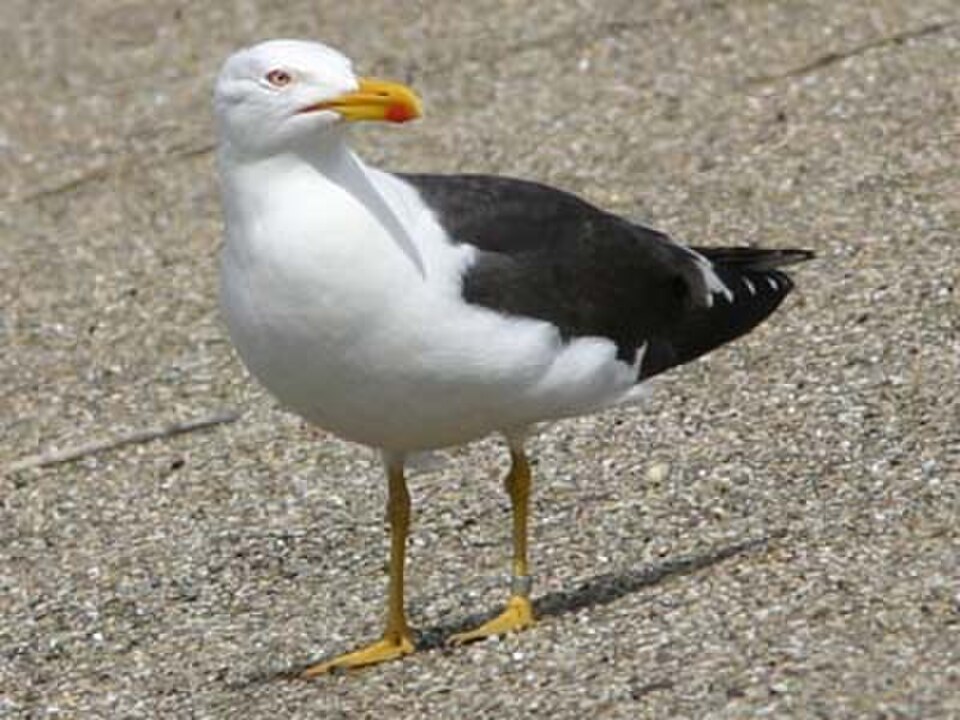
ニシセグロカモメ (Larus fuscus) ニシセグロカモメ
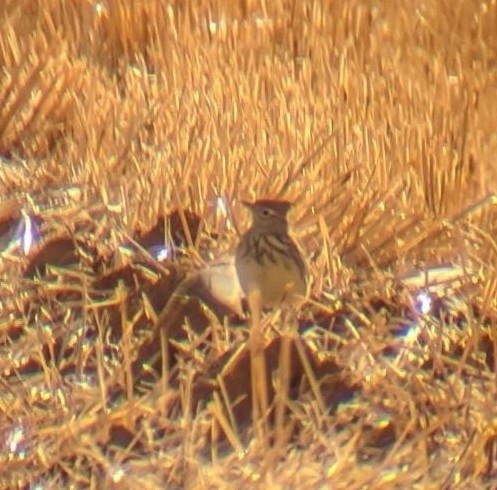
コバシカンムリヒバリ (Galerida theklae) コバシカンムリヒバリ

メディア

読み込み中…

要点

ニシセグロカモメとコバシカンムリヒバリを区別する最も信頼できる方法は、全体的な構造とサイズによるものです:カモメは巨大で長い翼を持つ海鳥であり、コバシカンムリヒバリは小さく、コンパクトな体型の歌鳥で、トゲのある冠羽を持っています。飛行中に幼鳥や未成熟の鳥を見た場合は、上翼の模様を確認してください:若いニシセグロカモメは、整然とした鱗状の黒褐色の上面と、しっかりとした暗い三次羽を持っていますが、コバシカンムリヒバリはこの模様を示さず、代わりに均一で縞模様の灰褐色の上面を持っています。成鳥のカモメは、翼の先端に白いミラーを持つ暗灰色から黒の上翼を示し、ヒバリの単純な灰褐色の翼と対照的です。くちばしの色と脚の色も明確です:黄色いくちばしと脚(カモメ)に対して、短くて暗いくちばしと脚(ヒバリ)です。これらの鳥はサイズ、形状、 habitat において非常に異なるため、混乱は極端な距離や視界の悪い条件でのみ起こる可能性があります。

識別のコツ

  1. Size is the quickest check: ニシセグロカモメはコバシカンムリヒバリに比べて巨大です。もし鳩より大きな鳥を見たら、それはヒバリではありません。これはすべての年齢と季節で信頼できます。
  2. Juvenile/immature upperwing pattern: 若いニシセグロカモメは整然とした鱗状の黒褐色の上面としっかりとした暗い三次羽を持っており、コバシカンムリヒバリの均一な縞模様の茶灰色とは異なります。完全な成鳥の羽毛になっていない鳥でこれを探してください。
  3. Adult wing and back color: 成鳥のカモメは暗灰色から黒の上翼と背中を持ち、翼の先端に白いミラーがあります。コバシカンムリヒバリは常に上面が茶灰色で縞模様があり、決して黒や灰黒ではありません。
  4. Bill and leg color: ニシセグロカモメの成鳥は赤い斑点のある黄色いくちばしと黄色い脚を持っています。コバシカンムリヒバリは短くて暗いくちばしと脚を持っています。これは良い光の下で近距離で確認できます。
  5. Crest: コバシカンムリヒバリは長くてトゲのある立ち上がる冠羽を持ち、警戒しているときによく立てています。カモメは決して冠羽を示しません。
  6. Head pattern in winter: 冬には、成鳥のカモメはより灰色の頭を持ちますが、コバシカンムリヒバリの頭は縞模様のままで、決して単色の灰色にはなりません。
  7. Flight style: カモメは長く安定した翼の動きで滑空し、高く飛ぶことが多いです。ヒバリは短く、波打つような低い飛行をし、持続的または高く飛ぶことは稀です。
  8. Perching behavior: カモメは建物、桟橋、またはビーチにオープンに止まります。ヒバリはほとんど常に地面にいて、長時間オープンに止まることは稀です。
  9. Underwing color in flight: コバシカンムリヒバリは灰色の下翼を示します;カモメは成鳥で黒い先端と白いミラーを持つ淡い下翼を持っています。
  10. Tail shape: コバシカンムリヒバリは短くて四角い尾を持ち、カモメはより長くてくさび形の尾を持っています。
  11. Habitat context: もし水から遠く離れた乾燥した開けた国にいるなら、コバシカンムリヒバリを期待してください。もし水の近くや都市にいるなら、ニシセグロカモメを期待してください。
  12. Group size: カモメは特に水の近くで大きな群れを作ることが多いです。コバシカンムリヒバリは通常孤独または小さな群れで見られます。
  13. Voice: 提供された情報では診断的ではありませんが、ヒバリの歌は複雑で音楽的であり、カモメは厳しい笑い声のような鳴き声を出します。
  14. Seasonal movement: ニシセグロカモメは移動のために一部の地域では季節的にのみ存在することがあります;コバシカンムリヒバリは年間を通じて定住しています。
  15. Sex differences: 両種は性別間で似ているため、識別のために性別に頼らないでください。

大きさ

ニシセグロカモメは非常に大きく、平均的な成鳥の質量は817.5 g [wikidata]、長さは51–64 cm、翼幅は124–150 cm [wikipedia]です。コバシカンムリヒバリは小さなスズメ目の鳥で、ヒバリよりわずかに小さく、体と翼がはるかに短くてコンパクトです。距離があっても、カモメの体格と長い翼はヒバリの小さく丸い形と比べて明確です。

羽色

幼鳥と未成熟のニシセグロカモメは、鱗状の黒褐色の上面としっかりとした暗い三次羽を持っており、これはコバシカンムリヒバリのより均一で縞模様の灰褐色の上面と比較して診断的です。カモメの幼鳥は幼いハリングカモメの縞模様の三次羽を欠いており、三次羽がよりしっかりと暗く見えます。成鳥のニシセグロカモメは、翼の先端に白い「ミラー」を持つ暗灰色から黒の上翼と背中を示し、赤い斑点のある黄色いくちばしを持っています。冬には、カモメの頭はより灰色になります。すべての年齢のコバシカンムリヒバリは、上面が茶灰色で暗い縞模様があり、下はより淡く、常にトゲのある立ち上がる冠羽を示します。飛行中、コバシカンムリヒバリは灰色の下翼を持ち、カモメの下翼は黒い先端を持つ淡いものです。ヒバリは決して白いミラーやカモメの翼先端の大胆な黒と白のコントラストを示しません。

行動

ニシセグロカモメは力強く、直接的な飛行者であり、水や開けた土地の上を滑空したり、グライドしたりするのがよく見られ、大きな群れで見られることもあります。彼らはビーチ、桟橋、または屋根の上にオープンに止まります。コバシカンムリヒバリは地上に生息する地面に住む鳥で、通常は乾燥した開けた地面を歩いたり走ったりしているのが見られ、しばしば冠羽を立てるために立ち止まります。彼らの飛行は短く、波打つようで、地面に低く、持続的または高く飛ぶことは稀です。ヒバリは一人または小さな群れで見られる可能性が高く、オープンに長時間止まることは稀です。

生息環境

ニシセグロカモメは通常、海岸、大きな湖、または川の近くで見られ、特に水の近くの都市部でも増加しています。彼らはその範囲の多くで移動性があります。コバシカンムリヒバリは乾燥した開けた国の鳥で、しばしばある程度の高度に生息し、厳密に非移動性です。彼らは水を避け、乾燥したまたは半乾燥の草原、低木、または岩の多い野原から遠く離れていることは稀です。両種が一緒に出会うことは非常にあり得ません。

より良い説明を送る

比較と同じ項目を使ってください。文章はすぐに公開されます。

The most reliable way to separate Lesser Black-backed Gull from Thekla's Lark is by overall structure and size: the gull is a massive, long-winged seabird, while Thekla's Lark is a small, compact songbird with a spiky crest. If you see a juvenile or immature bird in flight, check the upperwing pattern: young Lesser Black-backed Gulls have neat, scaly black-brown upperparts and solidly dark tertials, while Thekla's Lark never shows this pattern and instead has uniform, streaked grey-brown upperparts. Adult gulls show dark grey to black upperwings with white mirrors at the wingtips, contrasting with the lark's plain grey-brown wings. Bill color and leg color are also clear: yellow bill and legs (gull) versus short, dark bill and legs (lark). These birds differ so dramatically in size, shape, and habitat that confusion is only likely at extreme distance or in poor viewing conditions.

  1. Size is the quickest check: Lesser Black-backed Gull is enormous compared to Thekla's Lark. If you see a bird larger than a pigeon, it's not a lark. This is reliable at all ages and seasons.
  2. Juvenile/immature upperwing pattern: Young Lesser Black-backed Gulls have neat, scaly black-brown upperparts and solidly dark tertials, unlike the uniform streaked brown-grey of Thekla's Lark. Look for this in birds not yet in full adult plumage.
  3. Adult wing and back color: Adult gulls have dark grey to black upperwings and back, with white mirrors at the wingtips. Thekla's Lark is always brownish-grey above with streaks, never black or grey-black.
  4. Bill and leg color: Lesser Black-backed Gull adults have a yellow bill with a red spot and yellow legs. Thekla's Lark has a short, dark bill and legs. This is visible at close range in good light.
  5. Crest: Thekla's Lark has a long, spiky, erectile crest, often raised when alert. Gulls never show a crest.
  6. Head pattern in winter: In winter, adult gulls have a greyer head, while Thekla's Lark's head remains streaked and never becomes plain grey.
  7. Flight style: Gulls soar and glide with long, steady wingbeats and often fly high or over water. Larks fly with short, undulating, low flights, rarely sustained or high.
  8. Perching behavior: Gulls perch openly on buildings, piers, or beaches. Larks are almost always on the ground, rarely perching in the open for long.
  9. Underwing color in flight: Thekla's Lark shows grey underwings; gulls have pale underwings with black tips and white mirrors in adults.
  10. Tail shape: Thekla's Lark has a short, square tail; gulls have a longer, more wedge-shaped tail.
  11. Habitat context: If you are in dry, open country far from water, expect Thekla's Lark. If you are near water or in a city, expect Lesser Black-backed Gull.
  12. Group size: Gulls often gather in large flocks, especially near water. Thekla's Lark is usually solitary or in small groups.
  13. Voice: Not diagnostic with the information provided, but the lark's song is complex and musical, while the gull gives harsh, laughing calls.
  14. Seasonal movement: Lesser Black-backed Gull may be present only seasonally in some areas due to migration; Thekla's Lark is resident year-round.
  15. Sex differences: Both species are similar between sexes, so do not rely on sex for identification.

Lesser Black-backed Gull is vastly larger, with an average adult mass of 817.5 g [wikidata], a length of 51–64 cm, and a wingspan of 124–150 cm [wikipedia]. Thekla's Lark is a small passerine, only slightly smaller than a Eurasian Skylark, with a much shorter and more compact body and wings. Even at a distance, the gull's bulk and long wings are unmistakable compared to the lark's petite, rounded form.

Juvenile and immature Lesser Black-backed Gulls have scaly black-brown upperparts and solidly dark tertials, which are diagnostic compared to the more uniform, streaked grey-brown upperparts of Thekla's Lark. The gull's juveniles lack the barred tertials of juvenile herring gulls, making their tertials appear more solidly dark. Adult Lesser Black-backed Gulls show dark grey to black upperwings and back, with white 'mirrors' at the wing tips, and a yellow bill with a red spot. In winter, the gull's head becomes greyer. Thekla's Lark of all ages is brownish-grey above with dark streaks, paler below, and always shows a spiky, erectile crest. In flight, Thekla's Lark has grey underwings, while the gull's underwings are pale with black tips. The lark never shows white mirrors or the bold black-and-white contrast of the gull's wingtips.

Lesser Black-backed Gulls are powerful, direct fliers, often seen soaring or gliding over water or open land, sometimes in large flocks. They perch openly on beaches, piers, or rooftops. Thekla's Lark is a terrestrial, ground-dwelling bird, usually seen walking or running on dry, open ground, often pausing to raise its crest. Its flight is short, undulating, and low to the ground, rarely sustained or high. The lark is much more likely to be seen alone or in small groups, and rarely perches in the open for long.

Lesser Black-backed Gull is typically found near coasts, large lakes, or rivers, and increasingly in urban areas, especially near water. It is migratory in much of its range. Thekla's Lark is a bird of dry, open country, often at some altitude, and is strictly non-migratory. It avoids water and is rarely seen far from arid or semi-arid grassland, scrub, or rocky fields. Encountering both species together is extremely unlikely.

変更を破棄しますか?

保存していない編集があります。今離れると失われます。

ニシセグロカモメ · コバシカンムリヒバリ · 苦手な鳥