

Motmot

コシジロウミツバメ 対 ハイイロミズナギドリ

Hydrobates leucorhous 対 Ardenna grisea

コシジロウミツバメとハイイロミズナギドリのクイズ
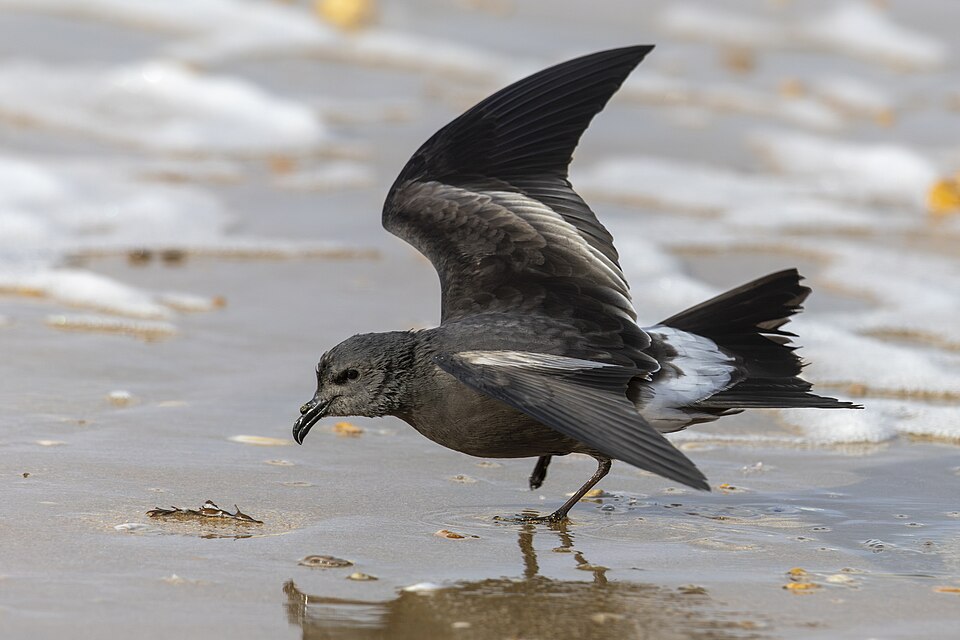
コシジロウミツバメ (Hydrobates leucorhous) コシジロウミツバメ
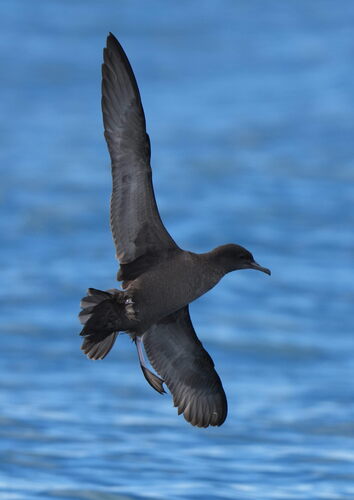
ハイイロミズナギドリ (Ardenna grisea) ハイイロミズナギドリ

メディア

読み込み中…

要点

コシジロウミツバメとハイイロミズナギドリを区別する最も信頼性の高いフィールドマークはサイズと飛行スタイルです:Leach'sは小さく、ひらひらとしたコウモリのような海鳥で、白い尾羽(まれに黒い尾羽の個体を除く)を持っていますが、ハイイロミズナギドリははるかに大きく、力強く、直接的な滑空飛行をし、尾羽には白い部分がありません。良い光の下では、ハイイロミズナギドリはLeach'sには見られない銀色の下翼のフラッシュを示します。水面で尾羽が分かれた小さく浮遊する鳥を見たら、それはLeach'sです;波の上を低く滑空する長い翼を持つチョコレートブラウンの鳥はハイイロミズナギドリです。太平洋では混乱を引き起こす可能性のある黒い尾羽のLeach'sに注意してくださいが、サイズと飛行スタイルは依然として強力な手がかりです。

識別のコツ

  1. Size: ハイイロミズナギドリはコシジロウミツバメの2倍以上の長さと翼幅を持っています。もしその鳥が小さく、スズメサイズに見えるなら、それはシアウォーターではありません。
  2. Flight style: Leach'sはひらひらとした不規則な飛行をし、水面での頻繁な羽ばたきとパタパタ音を伴います;ハイイロミズナギドリは硬い翼で滑空し、深く力強い羽ばたきと長く低い滑空をします。
  3. Rump pattern: Leach'sは通常、太い白い尾羽(可能性のある黒い中央線付き)を示し、診断的ですが、まれに黒い尾羽の個体(主にカリフォルニア南部の太平洋で)があります。ハイイロミズナギドリはどの年齢でも白い尾羽を示しません。
  4. Underwing: ハイイロミズナギドリは良い光の下で下翼の中央に銀色のストライプを示します;Leach'sは示しません。
  5. Tail shape: Leach'sは特に飛行中に明確に分かれた尾羽を持っています;ハイイロミズナギドリの尾羽はくさび形で、決して分かれていません。
  6. Bill and head: 両方とも暗いくちばしを持っていますが、ハイイロミズナギドリのくちばしは相対的に長く重いです;Leach'sは小さく繊細なくちばしを持っています。
  7. Plumage shade: ハイイロミズナギドリは均一に暗いチョコレートブラウン(悪い光ではほぼ黒)ですが、Leach'sは黒っぽく、顔が淡い色で白い尾羽を持っています。
  8. Group size: ハイイロミズナギドリは特に移動中に大きな群れで見られることが多いですが、Leach'sは通常孤立しているか小さな群れで見られます。
  9. Feeding behavior: Leach'sは水面でパタパタしながら食べ物をついばんでいます;ハイイロミズナギドリは急降下したり潜ったりし、めったにパタパタしません。
  10. Habitat context: もし岸から大きな群れの鳥を見たら、それはおそらくハイイロミズナギドリです;Leach'sはそのような数で見られることはめったにありません。
  11. Geographic pitfalls: 太平洋では、黒い尾羽のLeach'sは他の暗い嵐のペトレルと混同される可能性がありますが、ハイイロミズナギドリは常にはるかに大きく、白い尾羽がありません。
  12. Perched/roosting: ハイイロミズナギドリは陸上で立ったり歩いたりできます;Leach'sは巣穴に短時間しか移動できず、歩いているのはめったに見られません。
  13. Voice: 海では役に立ちません;両方ともコロニーから離れると静かです。
  14. Season: 両方とも広く移動しますが、ハイイロミズナギドリの移動はより壮観で、しばしば目に見える群れを伴います。
  15. When in doubt: サイズを判断できない場合は、飛行スタイルと尾羽のパターンに焦点を当ててください—白い尾羽とひらひらした飛行はLeach'sを指し、大きなサイズと滑空飛行はハイイロミズナギドリを指します。

大きさ

コシジロウミツバメははるかに小さく、長さ18–21 cm、翼幅43–48 cmです [wikipedia]。ハイイロミズナギドリは2倍以上の長さで、翼幅も2倍以上です:長さ40–51 cm、翼幅94–110 cmです [wikipedia]。距離があっても、ハイイロミズナギドリははるかに大きく、長い翼を持っているように見え、しばしば「小さなアルバトロスのような」飛行と表現されますが、Leach'sは小さく繊細な鳥です。

羽色

行動

コシジロウミツバメはひらひらとした不規則な飛行をし、食べ物をついばんでいるときに水面でパタパタ音を立て、頻繁に方向を変え、浮遊するコウモリのような印象を与えます。長時間滑空することはめったにありません。対照的に、ハイイロミズナギドリは水面近くで長く硬い翼で滑空し、しばしばバンクして左右に「シアリング」しながら、羽ばたきが少ない力強く直接的な飛行をします。ハイイロミズナギドリは大きな群れで見られることがありますが、Leach'sは通常孤立しているか小さな群れで見られます。

生息環境

両種は外洋性で沖合で見られますが、ハイイロミズナギドリは移動中に特に栄養豊富な近海の水域や湧昇帯で巨大な群れで観察されることが多いです。コシジロウミツバメは単独または少数で見られる可能性が高く、しばしば沖合で見られます。陸上では、Leach'sはコロニーで厳密に夜行性であり、巣穴から離れているのはめったに見られませんが、ハイイロミズナギドリは繁殖地でより目立ちます。

声

コシジロウミツバメは一般的に海では静かで、夜間の繁殖コロニーでのみ鳴きます。ハイイロミズナギドリも海では静かですが、繁殖地では非常に声が大きく(クー、クローク)なります。鳴き声は海での区別には役立ちません。

より良い説明を送る

比較と同じ項目を使ってください。文章はすぐに公開されます。

The most reliable field mark to separate Leach's Storm-Petrel from Sooty Shearwater is size and flight style: Leach's is a tiny, fluttery, bat-like seabird with a white rump (except rare dark-rumped birds), while Sooty Shearwater is much larger, with a powerful, direct, gliding flight and no white on the rump. In good light, Sooty Shearwater shows a silvery underwing flash, absent in Leach's. If you see a small, buoyant bird pattering on the water with a forked tail and white rump, it's Leach's; a long-winged, chocolate-brown bird shearing low over the waves is Sooty Shearwater. Be careful with dark-rumped Leach's, which can cause confusion in the Pacific, but size and flight style remain strong clues.

  1. Size: Sooty Shearwater is more than twice the length and wingspan of Leach's Storm-Petrel. If the bird looks small, sparrow-sized, it's not a shearwater.
  2. Flight style: Leach's has a fluttery, erratic, bat-like flight with frequent wingbeats and pattering on the water; Sooty Shearwater glides on stiff wings, with deep, powerful wingbeats and long, low shearing glides.
  3. Rump pattern: Leach's typically shows a bold white rump (with a possible dark central line), diagnostic unless you have a rare dark-rumped individual (mainly in the Pacific south of California). Sooty Shearwater never shows a white rump at any age.
  4. Underwing: Sooty Shearwater shows a silvery stripe along the center of the underwing in good light; Leach's does not.
  5. Tail shape: Leach's has a distinctly forked tail, especially obvious in flight; Sooty Shearwater's tail is wedge-shaped and never forked.
  6. Bill and head: Both have dark bills, but Sooty Shearwater's bill is proportionally longer and heavier; Leach's has a small, delicate bill.
  7. Plumage shade: Sooty Shearwater is uniformly dark chocolate-brown (almost black in poor light), while Leach's is blackish with a paler face and white rump.
  8. Group size: Sooty Shearwaters often occur in large flocks, especially during migration; Leach's are usually solitary or in small groups.
  9. Feeding behavior: Leach's often patters on the water's surface, picking at food; Sooty Shearwater plunges or dives, rarely pattering.
  10. Habitat context: If you see a bird from shore in a massive flock, it's likely Sooty Shearwater; Leach's is rarely seen in such numbers.
  11. Geographic pitfalls: In the Pacific, dark-rumped Leach's can be confused with other dark storm-petrels, but Sooty Shearwater is always much larger and lacks a white rump.
  12. Perched/roosting: Sooty Shearwater can stand and walk on land; Leach's can only shuffle briefly to its burrow, rarely seen walking.
  13. Voice: Not useful at sea; both are silent away from colonies.
  14. Season: Both migrate widely, but Sooty Shearwater's migration is more spectacular and often involves visible flocks.
  15. When in doubt: If you cannot judge size, focus on flight style and rump pattern—white rump and fluttery flight point to Leach's, large size and gliding flight to Sooty Shearwater.

Leach's Storm-Petrel is much smaller: 18–21 cm in length with a 43–48 cm wingspan [wikipedia]. Sooty Shearwater is more than twice as long and has a wingspan over twice as broad: 40–51 cm in length, 94–110 cm wingspan [wikipedia]. Even at a distance, Sooty Shearwater looks much larger and longer-winged, often described as 'small albatross-like' in flight, while Leach's is a tiny, delicate bird.

  • Juvenile/Immature/Adult Leach's Storm-Petrel: All ages are mostly blackish, but show a distinctive white rump, often with a dark central line; the white rump is the classic field mark, though rare dark-rumped birds occur in the Pacific south of California. The upperwing has a paler grey-brown bar on the secondary coverts, which may be visible in good light. The face is slightly paler than the rest of the body. Tail is distinctly forked, especially in flight.
  • Sooty Shearwater (all ages): Uniformly dark chocolate-brown overall, appearing almost black in poor light. No white rump at any age. In good light, shows a silvery central stripe on the underwing, which Leach's never shows. Tail is wedge-shaped, not forked. At no age does Sooty Shearwater show a pale rump or paler face.

Leach's Storm-Petrel has a fluttering, erratic flight, often pattering on the water's surface as it picks food, with frequent changes of direction and a buoyant, bat-like jizz. It rarely glides for long. Sooty Shearwater, in contrast, has a powerful, direct flight with long, stiff-winged glides close to the water, often banking and 'shearing' from side to side with few wingbeats. Sooty Shearwaters may be seen in large flocks, while Leach's are usually solitary or in small groups.

Both species are pelagic and seen offshore, but Sooty Shearwaters are often observed in immense flocks during migration, especially in upwelling zones or nearshore waters rich in food. Leach's Storm-Petrel is more likely to be seen singly or in small numbers, often farther offshore. On land, Leach's is strictly nocturnal at colonies and rarely seen away from the burrow, while Sooty Shearwater is more visible at breeding sites.

Leach's Storm-Petrel is generally silent at sea, with calls only at breeding colonies at night. Sooty Shearwater is also silent at sea, but can be very vocal (coos, croaks) at breeding grounds. Vocalizations are not useful for separation at sea.

変更を破棄しますか?

保存していない編集があります。今離れると失われます。

コシジロウミツバメ · ハイイロミズナギドリ · 苦手な鳥