

Motmot

オオシラギクタイランチョウ 対 ススイロカトリタイランチョウ

Elaenia spectabilis 対 Serpophaga nigricans

オオシラギクタイランチョウとススイロカトリタイランチョウのクイズ
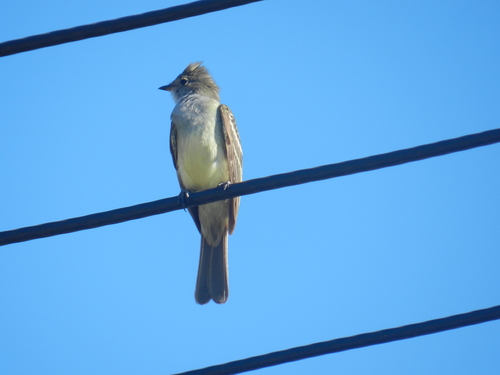
オオシラギクタイランチョウ (Elaenia spectabilis) オオシラギクタイランチョウ
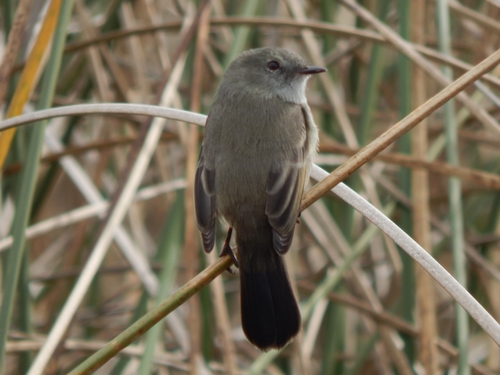
ススイロカトリタイランチョウ (Serpophaga nigricans) ススイロカトリタイランチョウ

メディア

読み込み中…

要点

フィールドでオオシラギクタイランチョウとススイロカトリタイランチョウを分ける最も信頼できる方法は、サイズと全体的な構造です:オオシラギクタイランチョウははるかに大きくてずんぐりしており、目立つ小さな冠羽と3本の太い白い翼帯があります。一方、ススイロカトリタイランチョウは小さく、コンパクトで暗く、尾が短く、わずかに2本の淡い翼帯しかありません。鳥が飛んでいるのを見たり、止まっているのを見たりした場合は、翼帯の数と明るさ、冠羽の有無、全体的な色調に注目してください:オオシラギクタイランチョウは上面がオリーブ色で下面が黄色、ススイロカトリタイランチョウはスス灰色で黒い尾と淡い腹部を持っています。生息地も役立つことがあります。ススイロカトリタイランチョウは水や茂みの端に密接に関連しているのに対し、オオシラギクタイランチョウはより一般的です。声は異なりますが、構造と羽毛は通常、分離に十分です。

識別のコツ

  1. サイズは最も簡単なチェック:オオシラギクタイランチョウはススイロカトリタイランチョウのほぼ2倍の長さで、重さも何倍もあります。鳥が小さくて優雅に見える場合、それはオオシラギクタイランチョウではありません。
  2. 冠羽の存在:オオシラギクタイランチョウには小さくても目に見える冠羽があります(時には平らになることもあります)が、ススイロカトリタイランチョウの冠はわずかに暗く、真の冠羽はありません。
  3. 翼帯:翼帯を数えます—オオシラギクタイランチョウは翼覆いに3本の太い白い翼帯を示し、ススイロカトリタイランチョウはわずかに2本で、これらは淡い灰色で目立ちません。
  4. 腹部の色:オオシラギクタイランチョウは黄色がかった腹部と尾羽覆いを持ち、オリーブ灰色の胸部と対照的です;ススイロカトリタイランチョウは下側が淡い灰色で、黄色はありません。
  5. 尾の色:ススイロカトリタイランチョウは黒い尾を持ち、オオシラギクタイランチョウの尾は暗いですが真っ黒ではありません。
  6. くちばしの色:オオシラギクタイランチョウは黒いくちばしを持ち、下顎の基部は淡いピンク色です;ススイロカトリタイランチョウのくちばしは完全に黒です。
  7. 頭の模様:オオシラギクタイランチョウの頭はオリーブブラウンで、冠羽にはほとんど白がありません;ススイロカトリタイランチョウは暗い冠を持ち、部分的に見える白い冠のストライプがありますが、通常は淡いです。
  8. 翼パネル:ススイロカトリタイランチョウの飛行羽の白っぽい基部は淡いパネル効果を与えることがありますが、それは微妙で、オオシラギクタイランチョウの翼帯ほど目立ちません。
  9. 行動:ススイロカトリタイランチョウは常に動き回り、短い飛行を繰り返し、尾を振りながら餌を探します;オオシラギクタイランチョウはより落ち着いていて直立し、長時間静止していることがよくあります。
  10. 生息地:鳥が水の近くや水辺の茂みの中にいる場合、ススイロカトリタイランチョウの可能性が高いです;オオシラギクタイランチョウは生息地においてより多様です。
  11. 声:カナリアのような歌や鋭い「ティーク」という音が聞こえたら、それはススイロカトリタイランチョウです。オオシラギクタイランチョウの声はここでは説明されていません。
  12. 性別と年齢:両種は性別において単形であり、季節的または性別に基づく羽毛の違いは説明されていません。幼鳥のススイロカトリタイランチョウは知られていないため、すべての年齢に対して成鳥の特徴を使用します。
  13. 虹彩の色:両種は暗い虹彩を持ち、分離には役立ちません。
  14. 脚の色:両方とも黒い脚と足を持ち、診断には役立ちません。
  15. 落とし穴:光が悪い場合、ススイロカトリタイランチョウの淡い腹部は黄色がかって見えることがあります—常にサイズ、翼帯、行動を確認して同定を確認してください。

大きさ

オオシラギクタイランチョウは劇的に大きく、長さ16.5〜18 cm、重さ20〜35 g [wikipedia]で、ススイロカトリタイランチョウの12 cmと9 g [wikidata]と比較されます。フィールドでは、オオシラギクタイランチョウは頑丈で長い体に見え、ススイロカトリタイランチョウは目に見えて小さくて繊細です。この違いは非常に顕著で、距離があってもオオシラギクタイランチョウはススイロカトリタイランチョウのほぼ2倍の体積に見えます。尾とくちばしはオオシラギクタイランチョウで比例的に長く、太く、サイズの印象を強めています。

羽色

どちらの種についても年齢特有の飛行マークは説明されておらず、ススイロカトリタイランチョウの幼鳥は記録されていません。成鳥と古い未成熟個体について、オオシラギクタイランチョウは暗い翼に白い翼帯が3本(白い先端の覆い羽から)あり、暗い灰色のオリーブ色の背中と、小さくて目立たないことが多い冠羽を持つ主にオリーブブラウンの頭を示します。腹部は特に腹と尾羽覆いで黄色がかっています。それに対して、ススイロカトリタイランチョウは全体的に暗い灰色で、上面は茶色がかった色合いで、下面はより淡く、冠はより暗いです。淡い灰色の翼帯は2本しかなく、目立たず、体に最も近い飛行羽は白っぽいです。尾は黒く、顎は白っぽいです。ススイロカトリタイランチョウはオオシラギクタイランチョウの黄色い腹部と3本目の翼帯を欠いています。両種は暗い虹彩、黒いくちばし、黒い脚を持っていますが、オオシラギクタイランチョウのくちばしの基部は淡いピンク色で、ススイロカトリタイランチョウのくちばしは完全に黒です。

行動

オオシラギクタイランチョウは通常、直立して静止しており、開けた場所や半開放的な場所によく止まり、目立つ止まり木から昆虫を捕まえることがあります。ススイロカトリタイランチョウははるかに活発で落ち着きがなく、止まり木の間を頻繁に短い飛行を繰り返し、餌を探しながら尾を振ることがよくあります。ススイロカトリタイランチョウは地面に着地することはほとんどなく、水の上を飛び出して昆虫を捕まえる姿がよく見られます。ジズの違いは顕著です:オオシラギクタイランチョウは計画的で慎重であり、ススイロカトリタイランチョウは素早く落ち着きがありません。

生息環境

オオシラギクタイランチョウは南アメリカの広範囲な生息地に見られ、開けた森林、森林の端、二次成長など、アルゼンチンからコロンビア、エクアドルまで広がっています [wikipedia]。対照的に、ススイロカトリタイランチョウは水—小川、河川、水域の近くの茂みのある地域に密接に関連しており、農業風景や橋などの人間の構造の近くによく見られます。水から遠く離れて見つかる可能性ははるかに低いですが、時折水から離れた森林に出現することもあります。水の近くで小さくて暗いフライキャッチャーを見た場合、ススイロカトリタイランチョウの可能性が高いです;乾燥したまたはより多様な生息地にいる大きな冠羽のあるフライキャッチャーはオオシラギクタイランチョウを指し示します。

声

ススイロカトリタイランチョウは独特の歌を持っています:短い音の連続の後に高音のカナリアのような音が続き、鋭い「ティーク」という呼び声があります。また、ペア間で静かなトリルやおしゃべりを生産し、雛と相互作用する際にはより複雑な呼び声を出します。オオシラギクタイランチョウの声は提供されたメモには記載されていないため、声の識別はススイロカトリタイランチョウの特徴的な歌や呼び声を聞いた場合のみ診断的です。

より良い説明を送る

比較と同じ項目を使ってください。文章はすぐに公開されます。

The most reliable way to separate Large Elaenia from Sooty Tyrannulet in the field is by size and overall structure: Large Elaenia is much bigger and bulkier, with a prominent small crest and three bold white wingbars, while Sooty Tyrannulet is tiny, compact, and dark, with a shorter tail and only two faint wingbars. If you see the birds in flight or perched, focus on the number and brightness of wingbars, the presence or absence of a crest, and the overall color tone: Large Elaenia is olive above with yellow below, Sooty Tyrannulet is sooty gray with a black tail and pale underparts. Habitat can also help, as Sooty Tyrannulet is closely tied to water and brushy edges, while Large Elaenia is more generalist. Voice is different, but structure and plumage are usually enough for separation.

  1. Size is the quickest check: Large Elaenia is nearly twice as long and many times heavier than Sooty Tyrannulet. If the bird looks small and dainty, it's not Large Elaenia.
  2. Crest presence: Large Elaenia has a small but visible crest (sometimes flattened), while Sooty Tyrannulet's crown is only slightly darker and lacks a true crest.
  3. Wingbars: Count the wingbars—Large Elaenia shows three bold white wingbars on the wing coverts, Sooty Tyrannulet only two, and these are pale gray and less distinct.
  4. Underparts color: Large Elaenia has yellowish belly and undertail coverts, contrasting with its olive-gray breast; Sooty Tyrannulet is pale gray below, with no yellow.
  5. Tail color: Sooty Tyrannulet has a black tail, while Large Elaenia's tail is dusky but not jet black.
  6. Bill color: Large Elaenia has a black bill with a pale pinkish base to the mandible; Sooty Tyrannulet's bill is entirely black.
  7. Head pattern: Large Elaenia's head is olive-brown with little or no white in the crest; Sooty Tyrannulet has a darker crown with a partially visible white crown stripe, but this is usually faint.
  8. Wing panel: The whitish base to the flight feathers in Sooty Tyrannulet can give a pale panel effect, but it's subtle and not as striking as Large Elaenia's wingbars.
  9. Behavior: Sooty Tyrannulet is constantly moving, making short flights and wagging its tail; Large Elaenia is more sedate and upright, often remaining still for long periods.
  10. Habitat: If the bird is near water or in riparian brush, Sooty Tyrannulet is more likely; Large Elaenia is more versatile in habitat.
  11. Voice: If you hear a canary-like song or sharp 'teek', it's Sooty Tyrannulet. Large Elaenia's voice is not described here.
  12. Sex and age: Both species are sexually monomorphic; no seasonal or sex-based plumage differences are described. Juvenile Sooty Tyrannulet is not known, so use adult marks for all ages.
  13. Iris color: Both species have dark irises, not useful for separation.
  14. Leg color: Both have black legs and feet, not diagnostic.
  15. Pitfall: In poor light, Sooty Tyrannulet's pale underparts can look yellowish—always check size, wingbars, and behavior to confirm ID.

Large Elaenia is dramatically larger, measuring 16.5–18 cm in length and weighing 20–35 g [wikipedia], compared to the Sooty Tyrannulet's 12 cm and 9 g [wikidata]. In the field, Large Elaenia looks robust and long-bodied, while Sooty Tyrannulet is noticeably petite and delicate. The difference is so pronounced that even at a distance, Large Elaenia appears almost twice the bulk of Sooty Tyrannulet. Tail and bill are both proportionally longer and stouter in Large Elaenia, adding to the impression of size.

No age-specific flight marks are described for either species, and juveniles of Sooty Tyrannulet are not documented. For adults and older immatures, Large Elaenia shows three distinct white wingbars (from white-tipped coverts) on dusky wings, a dark grayish olive back, and a mostly olive-brown head with a small, often inconspicuous crest. Its underparts are yellowish, especially on the belly and undertail. In contrast, Sooty Tyrannulet is overall dark gray with a brownish tinge above, paler below, and a darker crown. It has only two pale gray wingbars, which are less conspicuous, and the flight feathers closest to the body are whitish. The tail is black, and the chin is whitish. Sooty Tyrannulet lacks the yellow underparts and the third wingbar of Large Elaenia. Both species have dark irises, black bills, and black legs, but Large Elaenia's bill base is pale pinkish, while Sooty Tyrannulet's is all black.

Large Elaenia typically perches upright and still, often in open or semi-open areas, and may sally for insects from a prominent perch. Sooty Tyrannulet is much more active and restless, making frequent short flights between perches and often wagging its tail while foraging. Sooty Tyrannulet rarely lands on the ground and is often seen darting out over water to catch insects. The difference in jizz is striking: Large Elaenia is methodical and deliberate, Sooty Tyrannulet is quick and fidgety.

Large Elaenia is found in a wide range of habitats across much of South America, including open woodlands, forest edges, and secondary growth, from Argentina to Colombia and Ecuador [wikipedia]. Sooty Tyrannulet, by contrast, is closely associated with water—streams, rivers, and brushy areas near water bodies, often in agricultural landscapes or near human structures like bridges. It is much less likely to be found far from water, though it can occur in forests away from water on occasion. If you see a small, dark flycatcher near water, Sooty Tyrannulet is more likely; a large, crested flycatcher in drier or more varied habitats points to Large Elaenia.

Sooty Tyrannulet has a distinctive song: a series of short notes followed by higher-pitched, canary-like notes, and a sharp 'teek' call. It also produces quiet trills and chatters between pairs and more complex calls when interacting with fledglings. Large Elaenia's voice is not described in the provided notes, so vocalization is only diagnostic if you hear the Sooty Tyrannulet's characteristic song or calls.

変更を破棄しますか?

保存していない編集があります。今離れると失われます。

オオシラギクタイランチョウ · ススイロカトリタイランチョウ · 苦手な鳥