

Motmot

Large Cuckooshrike 対 カッコウサンショウクイ

Coracina macei 対 Coracina striata

Large Cuckooshrikeとカッコウサンショウクイのクイズ
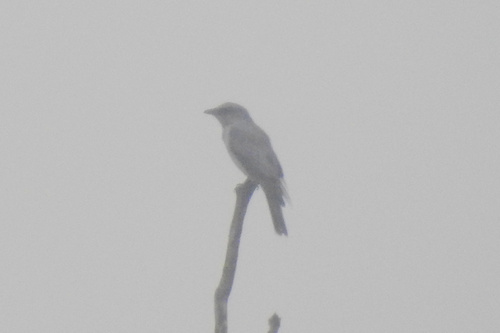
Large Cuckooshrike (Coracina macei) Large Cuckooshrike
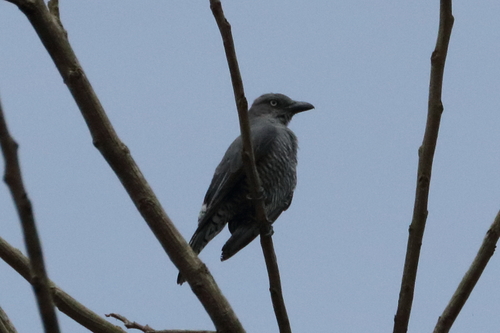
カッコウサンショウクイ (Coracina striata) カッコウサンショウクイ

メディア

読み込み中…

要点

Large Cuckooshrikeとカッコウサンショウクイの最も信頼できるフィールドマークは、特に雌と幼鳥における腹部のバリングのパターンと範囲です。Large Cuckooshrikeの雄は、広くはっきりとした目のストライプと、腹部と側面にのみ細かいバリングを持ち、雌はより広範囲でありながらも細かいバリングを示します。それに対して、カッコウサンショウクイの雌と幼鳥は、通常、腹部全体にわたってはるかに重く、広範囲にわたる黒と白のバリングを持ち、時には胸部や全体の腹部に達することもあります。構造的な違いは微妙ですが、カッコウサンショウクイは平均してやや重いです。生息地も手助けになります:Large Cuckooshrikeはインド亜大陸に限定されているのに対し、カッコウサンショウクイはタイからマレー諸島を経てフィリピンにかけて見られます。

識別のコツ

  1. Underpart barring in females and juveniles: カッコウサンショウクイの雌と幼鳥は、通常、腹部やしばしば胸部または全体の腹部にわたって大胆で広範囲な黒と白のバリングを示し、特に亜種のkochiiやpanayensisで顕著です。Large Cuckooshrikeの雌と幼鳥は、通常、下腹部と側面に限られた細かく、あまり広範囲でないバリングを持っています。
  2. Adult male eye-stripe: Large Cuckooshrikeの雄は、広く、はっきりとした淡い目のストライプを持ち、カッコウサンショウクイの雄の顔のマーキングよりもはるかに目立ちます。カッコウサンショウクイの雄は、頭に黒が見られることがありますが、強いストライプはありません。
  3. Extent of barring in males: カッコウサンショウクイの雄は、亜種によっては、尾、腹部、または胸部にバリングを示すことがありますが、バリングは一般的にLarge Cuckooshrikeの雄の細かく、限られたバリングよりも大胆です。
  4. Whitish vent in Large Cuckooshrike males: Large Cuckooshrikeの雄の肛門は明らかに淡い色で、他の腹部と対照的です。カッコウサンショウクイはこの特徴を示しません。
  5. Juvenile plumage: 幼いカッコウサンショウクイ(特にpanayensis、kochii)は、下部が重くバリングされており、上部に茶色、白、黒が見られることがあります(sumatrensis)。一方、Large Cuckooshrikeの幼鳥は、雌に似ており、細かく、限られたバリングを持っています。
  6. Geographic range: インドやスリランカで見られた場合、ほぼ確実にLarge Cuckooshrikeです。東南アジア、マレーシア、インドネシア、またはフィリピンでは、カッコウサンショウクイです。
  7. Habitat context: カッコウサンショウクイは、マングローブ、湿地、または二次林にいる可能性が高いですが、Large Cuckooshrikeは通常、インド亜大陸の乾燥または湿った森林にいます。
  8. Behavioral cues: Large Cuckooshrikeは着陸後に閉じた翼を交互に振ることがよくあります。この行動はカッコウサンショウクイには見られません。
  9. Group size and flight: Large Cuckooshrikeは、森林の上空でバウンディングフライトを持つ小さな群れで見られることがよくあります。カッコウサンショウクイの群れや飛行行動はあまり詳しく記述されていませんが、似ている可能性があります。
  10. Size and structure: 両者は大きく、頑丈なカッコウサンショウクイです。カッコウサンショウクイは平均してやや重いですが、これは信頼できるフィールドマークではありません。
  11. Voice: 大きな「klu-eep」という鳴き声が聞こえた場合、これはLarge Cuckooshrikeを支持します。それ以外の場合、声は診断的ではありません。
  12. Sexual dimorphism: 両種はある程度の性的二形性を示しますが、雌のバリングの範囲と大胆さが重要な区別要因です。カッコウサンショウクイの雌は、Large Cuckooshrikeの雌よりもはるかに重くバリングされています。
  13. Subspecies variation: カッコウサンショウクイには注意が必要です。フィリピンの一部の亜種(例:guillemardi、mindorensis)は、より均一に灰色で、表面的にはLarge Cuckooshrikeに似ている可能性がありますが、依然として大胆な目のストライプが欠けており、異なるバリングパターンを持っています。
  14. Pitfalls: 広範囲にバリングされた幼いカッコウサンショウクイは、雌のLarge Cuckooshrikeと間違えられることがありますが、バリングは常にカッコウサンショウクイの方が重く、広範囲です。逆に、成体の雄のLarge Cuckooshrikeの強い目のストライプと限られたバリングは独特です。
  15. When in doubt: 最も信頼できる区別のために、腹部のバリング(範囲と大胆さ)、強い目のストライプの有無、範囲/生息地の文脈の組み合わせに焦点を当ててください。

大きさ

カッコウサンショウクイは、体重が約111gで、長さは24〜32cmの範囲です[wikidata]。Large Cuckooshrikeの直接的な質量データはありませんが、両者はカッコウサンショウクイとしては大きく、サイズが重なっています。フィールドでは、サイズだけでは信頼できる区別にはなりません。両者は頑丈で中型から大型の鳥で、比例が似ています。

羽色

幼鳥と雌のカッコウサンショウクイは最も重くバリングされています:多くの亜種では、全体の腹部が大胆な黒と白のバーで覆われており、時には胸部や喉まで達することがあります。一部の亜種(例:panayensis、kochii)の幼鳥は、完全にバリングされた下部で特に目を引きますが、他の亜種(sumatrensis)ではバリングがあまり広範囲でなく、上部に茶色、白、黒が見られます。Large Cuckooshrikeの雄は、広くはっきりとした目のストライプと灰色の喉と胸を持ち、腹部と側面には細かいバリングが限られています。雌はより広範囲でありながらも細かいバリングを持ち、雄の白っぽい肛門が欠けています。目のストライプは、Large Cuckooshrikeの雄においては、いかなるカッコウサンショウクイよりもはるかに目立ちます。カッコウサンショウクイでは、バリングの量と配置は亜種によって異なりますが、一般的にLarge Cuckooshrikeよりも大胆で広範囲です。特に雌と幼鳥において顕著です。

行動

Large Cuckooshrikeは、森林の上空で特有のバウンディングフライトを持つ小さな群れで飛んでいるのがよく見られます。着陸時には、交互に閉じた翼を振ります。この行動は求愛にも使用されます。カッコウサンショウクイに関しては、特定の行動に関するノートはありませんが、両種は一般的に樹上性であり、中層から上層の樹冠で採餌しているのが見られることがあります。両者は主に昆虫食ですが、果物も摂取します。

生息環境

Large Cuckooshrikeは、インド亜大陸の森林地域にのみ見られます。カッコウサンショウクイは、タイやマレーシアからインドネシア、フィリピンにかけてさらに東に分布し、マングローブ、乾燥、湿地、二次林など、より広範囲な森林タイプを占めています。インド亜大陸の外にいる場合、Large Cuckooshrikeは除外できます。

声

Large Cuckooshrikeは「klu-eep」と表現される大きな鳴き声を持っています。カッコウサンショウクイに関する具体的な声の記述は提供されていないため、声は信頼できる区別にはなりません。呼び声が聞こえ、既知のLarge Cuckooshrikeの鳴き声と一致する場合を除きます。

より良い説明を送る

比較と同じ項目を使ってください。文章はすぐに公開されます。

The most reliable field mark between Large Cuckooshrike and Bar-bellied Cuckooshrike is the pattern and extent of barring on the underparts, especially in females and juveniles. Large Cuckooshrike males have a broad, well-marked eye-stripe and fine barring only on the abdomen and flanks, while females show more extensive but still fine barring. In contrast, Bar-bellied Cuckooshrike females and juveniles typically have much heavier, more extensive black-and-white barring across the underparts, sometimes reaching the breast or even the entire underside depending on subspecies. Structural differences are subtle, but Bar-bellied is slightly heavier on average. Habitat can help: Large Cuckooshrike is restricted to the Indian subcontinent, while Bar-bellied is found from Thailand through the Malay Archipelago to the Philippines.

  1. Underpart barring in females and juveniles: Bar-bellied Cuckooshrike females and immatures typically show bold, extensive black-and-white barring across the belly and often the breast or entire underside, especially in subspecies like kochii and panayensis. Large Cuckooshrike females and immatures have finer, less extensive barring, usually limited to the lower belly and flanks.
  2. Adult male eye-stripe: Large Cuckooshrike males have a broad, sharply defined pale eye-stripe, much more prominent than any facial marking on Bar-bellied Cuckooshrike males, which may show some black on the head but lack a strong stripe.
  3. Extent of barring in males: Bar-bellied Cuckooshrike males may show barring on the rump, belly, or breast depending on subspecies, but the barring is generally bolder than the fine, limited barring of Large Cuckooshrike males.
  4. Whitish vent in Large Cuckooshrike males: The vent is distinctly paler in Large Cuckooshrike males, contrasting with the rest of the underparts; Bar-bellied Cuckooshrike does not show this feature.
  5. Juvenile plumage: Juvenile Bar-bellied Cuckooshrikes (especially panayensis, kochii) are heavily barred below and may show brown, white, and black on the upperparts (sumatrensis), while Large Cuckooshrike juveniles resemble females with fine, limited barring.
  6. Geographic range: If seen in India or Sri Lanka, it is almost certainly Large Cuckooshrike; in Southeast Asia, Malaysia, Indonesia, or the Philippines, it is Bar-bellied Cuckooshrike.
  7. Habitat context: Bar-bellied Cuckooshrike is more likely in mangrove, swamp, or secondary forests, while Large Cuckooshrike is typically in dry or moist forest on the Indian subcontinent.
  8. Behavioral cues: Large Cuckooshrike often flicks its closed wings alternately after landing; this behavior is not noted for Bar-bellied Cuckooshrike.
  9. Group size and flight: Large Cuckooshrike is often seen in small groups with a bounding flight just above the canopy; Bar-bellied Cuckooshrike's group and flight behavior is less well described but may be similar.
  10. Size and structure: Both are large, robust cuckooshrikes; Bar-bellied is slightly heavier on average, but this is not a reliable field mark.
  11. Voice: If you hear a loud 'klu-eep' call, this supports Large Cuckooshrike; otherwise, voice is not diagnostic.
  12. Sexual dimorphism: Both species show some sexual dimorphism, but the extent and boldness of barring in females is a key separator—Bar-bellied females are much more heavily barred below than Large Cuckooshrike females.
  13. Subspecies variation: Be cautious with Bar-bellied Cuckooshrike, as some Philippine subspecies (e.g., guillemardi, mindorensis) are more uniformly grey and may resemble Large Cuckooshrike superficially, but still lack the bold eye-stripe and have different barring patterns.
  14. Pitfalls: Immature Bar-bellied Cuckooshrikes with extensive barring can be mistaken for female Large Cuckooshrikes, but the barring is always heavier and more extensive in Bar-bellied. Conversely, adult male Large Cuckooshrike's strong eye-stripe and limited barring are unique.
  15. When in doubt: Focus on the combination of underpart barring (extent and boldness), presence or absence of a strong eye-stripe, and range/habitat context for the most reliable separation.

Bar-bellied Cuckooshrike averages about 111 g in body mass [wikidata], with a length range of 24–32 cm [wikipedia]. No direct mass data is available for Large Cuckooshrike, but both are large for cuckooshrikes and overlap in size. In the field, size alone is not a reliable separator, as both are robust, medium-large birds with similar proportions.

Juvenile and female Bar-bellied Cuckooshrikes are the most heavily barred: in many subspecies, the entire underparts are covered in bold black-and-white bars, sometimes extending up to the breast or even the throat. Juveniles in some subspecies (e.g., panayensis, kochii) are especially striking with fully barred underparts, while in others (sumatrensis) the barring is less extensive and the upperparts show brown, white, and black. Large Cuckooshrike males have a broad, well-marked eye-stripe and grey throat and breast, with fine barring limited to the abdomen and flanks; females have more extensive but still fine barring, lacking the male's whitish vent. The eye-stripe is much more prominent in Large Cuckooshrike males than in any Bar-bellied Cuckooshrike. In Bar-bellied, the amount and placement of barring varies by subspecies, but it is generally bolder and more extensive than in Large Cuckooshrike, especially in females and immatures.

Large Cuckooshrike is often seen flying in small groups with a distinctive bounding flight just above the forest canopy. Upon landing, it flicks its closed wings alternately, a behavior also used in courtship. No such specific behavioral notes are available for Bar-bellied Cuckooshrike, though both species are generally arboreal and may be seen foraging in the mid to upper canopy. Both are primarily insectivorous but will also take fruit.

Large Cuckooshrike is found only on the Indian subcontinent, typically in forested areas. Bar-bellied Cuckooshrike is found further east, from Thailand and Malaysia through Indonesia and the Philippines, and occupies a wider range of forest types, including mangrove, dry, swamp, and secondary forests. If you are outside the Indian subcontinent, Large Cuckooshrike can be ruled out.

Large Cuckooshrike has a loud call described as 'klu-eep.' No specific vocal description is provided for Bar-bellied Cuckooshrike in the available notes, so voice is not a reliable separator unless the call is heard and matches the known Large Cuckooshrike vocalization.

変更を破棄しますか?

保存していない編集があります。今離れると失われます。

Large Cuckooshrike · カッコウサンショウクイ · 苦手な鳥