

Motmot

ツメナガホオジロ 対 ユキホオジロ

Calcarius lapponicus 対 Plectrophenax nivalis

ツメナガホオジロとユキホオジロのクイズ
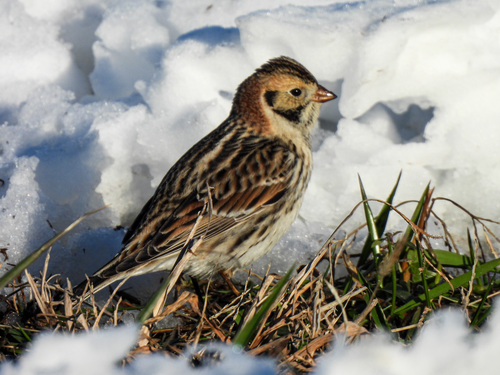
ツメナガホオジロ (Calcarius lapponicus) ツメナガホオジロ
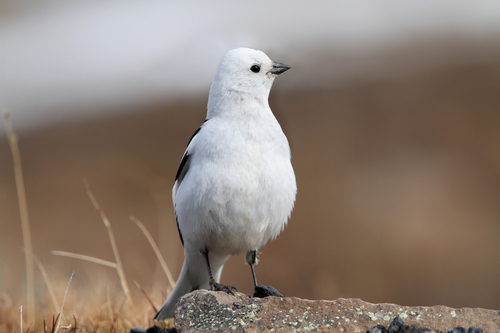
ユキホオジロ (Plectrophenax nivalis) ユキホオジロ

メディア

読み込み中…

要点

ラップランドホオジロとユキホオジロの最も信頼できるフィールドマークは、翼の白の量と配置です:ユキホオジロは翼に広範囲の白を示し(特に飛行中に明らか)、ラップランドホオジロは白がはるかに少なく、全体的に暗い翼を持っています。冬または未成熟の羽毛では、両者はストリーキーで茶色がかって見えることがありますが、ラップランドホオジロは常に栗色の後頭部とより多くのストリーキングを保持し、ユキホオジロはより淡い色合いで、オレンジがかった茶色の羽毛の縁を示すことがよくあります。構造的には、ユキホオジロはより大きく、翼が長く、やや重い体型をしています。くちばしの色と模様も役立ちます:ラップランドホオジロは通常黄色のくちばしを持ち、ユキホオジロのくちばしは黄色で黒い先端があります(繁殖期のオスは全て黒です)。冬には生息地の重複が可能ですが、ラップランドホオジロは草地や雑草の生えた畑で見られる可能性が高く、ユキホオジロは開けた、しばしば雪に覆われた地面を好みます。鳴き声は似ていますが、ラップランドホオジロの声は乾燥していてガラガラしており、ユキホオジロの声はより液体的で波打っています。

識別のコツ

  1. Wing pattern in flight: ユキホオジロはすべての年齢で翼と尾に広範囲の白を示し、特に飛行中に明らかです;ラップランドホオジロは白がはるかに少なく、暗い翼と小さな淡いパネルのみを持っています。これは特に未成熟や冬の鳥にとって最も信頼できるマークです。
  2. Chestnut nape: ラップランドホオジロはすべての羽毛で栗色の後頭部を示し、ユキホオジロは決して示しません。これは止まっている鳥で見え、近距離での決定的なポイントとなることがあります。
  3. Back streaking: ラップランドホオジロはすべての羽毛で背中が強くストリーキーですが、ユキホオジロの背中は冬に広いオレンジがかった茶色の縁があり、全体的にストリーキングが少ないです。
  4. Bill color: ラップランドホオジロのくちばしはすべての羽毛で黄色です;ユキホオジロのくちばしはほとんどの鳥で黄色で黒い先端がありますが、繁殖期のオスでは全て黒になります。このマークは微妙ですが、近距離で役立ちます。
  5. Breeding male plumage: 夏のオスのラップランドホオジロは黒い頭と喉、白いアイストライプ、栗色の後頭部を持ち、オスのユキホオジロは主に白で黒い翼の先端と背中を持っています。これらは繁殖羽毛の完全な状態で混同されることはありません。
  6. Female/immature plumage: メスと未成熟のラップランドホオジロは頭がより平坦なオレンジ茶色で、背中がより茶色がかっていますが、常に栗色の後頭部とより多くのストリーキングを持っています。メス/未成熟のユキホオジロは黒い翼の先端と茶色の縁のある背中の羽毛を持ち、より淡い、ストリーキングが少ない外観をしています。
  7. Size and structure: ユキホオジロはより大きく、体格がしっかりしており、翼のスパンが長く、特に飛行中に目立ちます。ラップランドホオジロはより小さく、コンパクトです。
  8. Legs and feet: ユキホオジロは羽毛のある脛(脚)を持ち、寒さへの適応です;ラップランドホオジロは持っていません。これはフィールドではあまり見えませんが、非常に近距離で役立つことがあります。
  9. Habitat preference: ラップランドホオジロは草地や雑草の生えた畑で見られる可能性が高く、ユキホオジロは開けた、しばしば雪に覆われたまたは荒れた地面を好みます。これは主要なマークではなく、補助的な手がかりとして使用してください。
  10. Behavior: ユキホオジロはしばしば開けた地面を走ったり跳ねたりし、大きな群れで見られることがあります;ラップランドホオジロは大きな、開けた、雪に覆われた広がりで見られる可能性が低く、より小さな群れで見られることが多いです。
  11. Vocalizations: ラップランドホオジロの乾燥したガラガラした鳴き声とユキホオジロのより液体的で波打つ鳴き声を聞いてください。これは微妙で、補助的なマークとして使用するのが最適です。
  12. Seasonal changes: ユキホオジロは完全な春の換羽を行わず、繁殖羽毛は茶色の縁が剥がれて黒と白が現れます。ラップランドホオジロはより伝統的に換羽します。これは春に羽毛がどれだけ擦り切れているか新鮮に見えるかに影響します。
  13. White in tail: ユキホオジロは尾により多くの白を示し、特に飛行中;ラップランドホオジロの尾はより暗く、白が少ないです。
  14. Flock composition: 混合群れは可能ですが、ユキホオジロの群れはしばしば大きく、開けた地域で目立ち、ラップランドホオジロはより小さな群れまたは単独で見られることが多いです。
  15. Pitfalls: 照明が悪い場合や距離がある場合、両者は茶色がかってストリーキーに見えることがあります;常に飛行中の翼のパターンを見て、止まっている鳥の栗色の後頭部を確認してください。

大きさ

ユキホオジロは2種の中で大きく、翼のスパンは32〜38 cm(13〜15インチ)、体重は30〜40 gです。ラップランドホオジロは小さく、翼のスパンは22〜29 cm(8.7〜11.4インチ)、体重は22.3〜33.1 gです。両者の長さは約15〜16 cmですが、ユキホオジロは特に飛行中によりがっしりとしていて翼が長く見えます。このサイズの違いは微妙ですが、直接比較や混合群れで目立つことがあります。

羽色

最も診断的な羽毛の違いは、特に飛行中の翼のパターンにあります。すべての年齢と性別のユキホオジロは翼と尾に広範囲の白を示し、黒い翼の先端と主に白い下翼を持っています;これは特に成鳥のオスに際立っていますが、すべての羽毛で見られます。対照的に、ラップランドホオジロは翼に白がはるかに少なく、より暗く、均一に茶色または黒っぽい翼を持ち、小さな淡いパネルのみを持っています。冬と未成熟の羽毛では、ラップランドホオジロは栗色の後頭部と強くストリーキングされた背中を持ち、ユキホオジロは背中の羽毛に広いオレンジがかった茶色の縁を示し、より淡くストリーキングが少ない外観を与えます。繁殖期のオスのラップランドホオジロは黒い頭と喉、白いアイストライプ、栗色の後頭部を持ち、繁殖期のオスのユキホオジロは主に白で黒い翼の先端と背中を持っています。メスと非繁殖のユキホオジロは黒い翼の先端と茶色の縁のある背中の羽毛を持ち、ラップランドホオジロのメスと未成熟は頭がより平坦なオレンジ茶色で、背中がより茶色がかっていますが、常に栗色の後頭部を持っています。くちばしの色も役立ちます:ラップランドホオジロのくちばしは黄色で、ユキホオジロのくちばしは黄色で黒い先端があります(繁殖期のオスは全て黒です)。

行動

両種は地面に生息し、地面で餌を探しますが、ユキホオジロは開けた、しばしば雪に覆われた地面を走ったり跳ねたりしているのが見られる可能性が高く、大きな群れで見られることがあります。ラップランドホオジロは草地や雑草の生えた地域でより多く餌を探し、大きな、開けた、雪に覆われた広がりで見られる可能性が低いです。両種は群れで飛び立つことがありますが、ユキホオジロの飛行はより波打ち、翼により多くの白いフラッシュを示します。ラップランドホオジロは冬に種子を探し、繁殖期には昆虫に切り替え、しばしば同じ地域でしばらく餌を探した後に移動します。

生息環境

冬には、両種は開けた国で重複することがありますが、ラップランドホオジロは草地、雑草の生えた残渣、ツンドラの端を好み、ユキホオジロは非常に開けた、しばしば雪に覆われたまたは荒れた地面を好み、ビーチ、耕された畑、風にさらされた丘を含みます。ユキホオジロは特に大きな群れで見られることが多く、露出した無木の地域で見つかる可能性が高いですが、ラップランドホオジロはある程度の植生カバーがある地域に関連しています。

声

両種は似たような鳴き声を持っていますが、ラップランドホオジロの鳴き声は乾燥していてガラガラしていると説明され、ユキホオジロの鳴き声はより液体的で波打っています。ユキホオジロの歌は短く大きなワーブルで、しばしば止まり木からまたは飛行中のディスプレイで行われ、各オスに特有です。鳴き声は通常、飛行中または地面にいるときに聞かれます。フィールドでは、違いは微妙ですが、鳴き声の質(乾燥 vs. より液体的)が、見えにくい場合の識別に役立つことがあります。

より良い説明を送る

比較と同じ項目を使ってください。文章はすぐに公開されます。

The most reliable field mark between Lapland Bunting and Snow Bunting is the amount and placement of white in the wing: Snow Bunting shows extensive white in the wings (especially obvious in flight), while Lapland Bunting has much less white, with darker wings overall. In winter or immature plumages, both can appear streaky and brownish, but Lapland Bunting always retains a chestnut nape and more streaked upperparts, while Snow Bunting is paler and often shows orangey-brown feather fringes. Structurally, Snow Bunting is larger and longer-winged, with a slightly heavier build. Bill color and pattern can help: Lapland Bunting typically has a yellow bill, while Snow Bunting’s bill is yellow with a black tip (all black in breeding males). Habitat overlap is possible in winter, but Lapland Bunting is more likely in grassy or weedy fields, while Snow Bunting prefers open, often snow-covered ground. Calls are similar, but Lapland Bunting’s is drier and more rattling, while Snow Bunting’s is more liquid and rippling.

  1. Wing pattern in flight: Snow Bunting of all ages shows extensive white in the wings and tail, especially obvious when the bird is flying; Lapland Bunting has much less white, with darker wings and only small pale panels. This is the single most reliable mark, especially for immatures and winter birds.
  2. Chestnut nape: Lapland Bunting, in all plumages, shows a chestnut nape; Snow Bunting never does. This is visible in perched birds and can be a clincher at close range.
  3. Back streaking: Lapland Bunting has a heavily streaked back in all plumages, while Snow Bunting’s back is paler with broad orangey-brown fringes in winter and less streaked overall.
  4. Bill color: Lapland Bunting’s bill is yellow in all plumages; Snow Bunting’s bill is yellow with a black tip in most birds, but turns all black in breeding males. This mark is subtle but useful at close range.
  5. Breeding male plumage: Male Lapland Bunting in summer has a black head and throat, white eyestripe, and chestnut nape; male Snow Bunting is mostly white with black wingtips and back. These are unlikely to be confused in full breeding plumage.
  6. Female/immature plumage: Female and immature Lapland Buntings are plainer orange-brown on the head, browner on the back, but always with a chestnut nape and more streaking. Female/immature Snow Buntings have black wingtips and brown-fringed back feathers, with a paler, less streaked look.
  7. Size and structure: Snow Bunting is larger and bulkier, with a longer wingspan and a heavier build, especially noticeable in flight. Lapland Bunting is smaller and more compact.
  8. Legs and feet: Snow Bunting has feathered tarsi (legs), an adaptation to cold; Lapland Bunting does not. This is rarely visible in the field but can help at very close range.
  9. Habitat preference: Lapland Bunting is more likely in grassy or weedy fields, while Snow Bunting prefers open, often snow-covered or barren ground. Use this as a supporting clue, not a primary mark.
  10. Behavior: Snow Bunting often runs or hops on open ground, sometimes in large flocks; Lapland Bunting is less likely to be seen in large, open, snowy expanses and more often in smaller groups.
  11. Vocalizations: Listen for a drier, rattling call in Lapland Bunting versus a more liquid, rippling call in Snow Bunting. This is subtle and best used as a supporting mark.
  12. Seasonal changes: Snow Bunting does not undergo a full spring moult; instead, the breeding plumage appears as brown fringes wear off to reveal black and white. Lapland Bunting moults more conventionally. This affects how worn or fresh the plumage appears in spring.
  13. White in tail: Snow Bunting shows more white in the tail, especially in flight; Lapland Bunting’s tail is darker with less white.
  14. Flock composition: Mixed flocks are possible, but Snow Bunting flocks are often larger and more conspicuous in open areas, while Lapland Buntings are more often in smaller groups or singly.
  15. Pitfalls: In poor light or at a distance, both can appear brownish and streaky; always try to see the wing pattern in flight and check for the chestnut nape on perched birds.

Snow Bunting is the larger of the two, with a wingspan of 32–38 cm (13–15 in) and a weight of 30–40 g. Lapland Bunting is smaller, with a wingspan of 22–29 cm (8.7–11.4 in) and a weight of 22.3–33.1 g. Both are about 15–16 cm in length, but Snow Bunting appears bulkier and longer-winged, especially in flight. This size difference is subtle but can be noticeable with direct comparison or in mixed flocks.

The most diagnostic plumage difference is in the wing pattern, especially in flight. Snow Bunting of all ages and sexes shows extensive white in the wings and tail, with black wingtips and a mostly white underwing; this is especially striking in adult males but visible in all plumages. Lapland Bunting, by contrast, has much less white in the wing, with darker, more uniformly brown or blackish wings and only small pale panels. In winter and immature plumages, Lapland Bunting has a chestnut nape and a heavily streaked back, while Snow Bunting shows broad orangey-brown fringes on the back feathers, giving a paler and less streaked appearance. Breeding male Lapland Bunting has a black head and throat, white eyestripe, and chestnut nape, while breeding male Snow Bunting is mostly white with black wingtips and back. Female and non-breeding Snow Buntings have black wingtips and brown-fringed back feathers, while Lapland Bunting females and immatures are plainer orange-brown on the head and browner on the back, but always with a chestnut nape. Bill color is also helpful: Lapland Bunting’s bill is yellow, while Snow Bunting’s is yellow with a black tip (all black in breeding males).

Both species are ground-dwelling and forage on the ground, but Snow Bunting is more likely to be seen running or hopping on open, often snow-covered ground, sometimes in large flocks. Lapland Bunting forages more in grassy or weedy areas and is less likely to be seen in large, open, snowy expanses. Both species can flush in flocks, but Snow Bunting’s flight is more undulating and shows more white flashes in the wings. Lapland Bunting tends to forage for seeds in winter and switches to insects in the breeding season, often feeding in the same area for a while before moving on.

In winter, both species can overlap in open country, but Lapland Bunting favors grassy fields, weedy stubble, and tundra edges, while Snow Bunting prefers very open, often snow-covered or barren ground, including beaches, ploughed fields, and windswept hills. Snow Bunting is more likely to be found in exposed, treeless areas, especially in large flocks, while Lapland Bunting is more associated with areas that have some vegetation cover.

Both species have similar calls, but Lapland Bunting’s call is described as drier and more rattling, while Snow Bunting’s is more liquid and rippling. Snow Bunting’s song is a brief, loud warble, often given from a perch or in flight display, and is unique to each male. Calls are usually heard in flight or when birds are on the ground. In the field, the difference can be subtle, but the quality of the call (drier vs. more liquid) can help with identification if seen poorly.

変更を破棄しますか?

保存していない編集があります。今離れると失われます。

ツメナガホオジロ · ユキホオジロ · 苦手な鳥