

Motmot

ツメナガホオジロ 対 コホオアカ

Calcarius lapponicus 対 Emberiza pusilla

ツメナガホオジロとコホオアカのクイズ
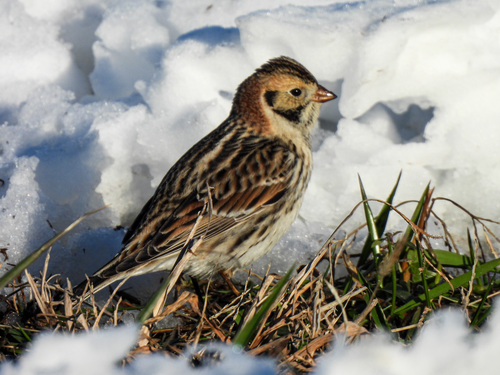
ツメナガホオジロ (Calcarius lapponicus) ツメナガホオジロ
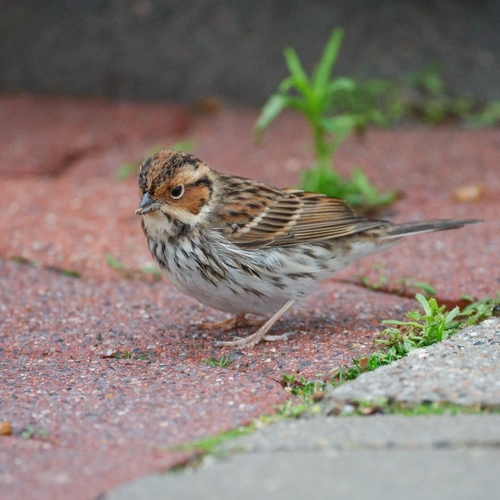
コホオアカ (Emberiza pusilla) コホオアカ

メディア

読み込み中…

要点

ツメナガホオジロとコホオアカの最も信頼できるフィールドマークは、全体的な構造と頭の模様です:ツメナガホオジロは明らかに大きくて頑丈で、厚い黄褐色のくちばしと(繁殖期のオスでは)目を引く黒い頭と栗色のうなじを持っています。一方、コホオアカは小さく、より繊細で、細いくちばしと白いマラーストライプと黒い冠のストライプで縁取られた整った栗色の顔を持っています。非繁殖期または未成熟の羽毛では、ツメナガホオジロは依然としてずんぐりした体型と栗色のうなじを示しますが、コホオアカはそのシャープで小さなホオジロの外観と独特の顔の模様を維持します。両種は縞模様の腹部を示すことがありますが、ツメナガホオジロは特に飛行中に重くて大きいです。秋と冬には、両種が地味で縞模様になるため、分離が最も難しくなりますが、サイズ、くちばしの形、顔の模様に注意を払うことで、ほとんどの混乱を解消できます。

識別のコツ

  1. Size and structure: ツメナガホオジロは明らかにコホオアカよりも大きくて重いです。鳥が頑丈で、広い体型、厚いくちばしに見える場合はツメナガホオジロを疑ってください;小さく、スリムで、細いくちばしの場合はコホオアカを疑ってください。これはすべての年齢と季節に当てはまります。
  2. Bill shape and color: ツメナガホオジロは厚い黄褐色の種子食者のくちばしを持っていますが、コホオアカは細くて繊細なくちばしを持っています。くちばしの色は近距離で最も明らかです。
  3. Head pattern (breeding males): 夏のツメナガホオジロのオスは、黒い頭と喉、白いスーペルシリウム、栗色のうなじで間違いなく識別できます。コホオアカは黒い頭や喉を示すことはありません。
  4. Head pattern (all other plumages): コホオアカは常に整った栗色の顔、白いマラーストライプ、黒い冠のストライプ、頬の後ろに細い暗い境界を示します。ツメナガホオジロ(雌、非繁殖、または未成熟)は、より広く、定義が少ないオレンジ褐色の頭と栗色のうなじを持ち、コホオアカのシャープな顔の模様が欠けています。
  5. Nape color: 栗色のうなじは両方の特徴ですが、ツメナガホオジロでは特にオスでより広く、より広範囲にわたります;コホオアカでは、栗色は顔と頬の領域に限られています。
  6. Underparts: 両種は縞模様のある白い腹部を示すことがありますが、ツメナガホオジロの縞模様は背中でより重く、より広範囲にわたりますが、コホオアカのものはより細かく、主に胸と側面にあります。
  7. Back and wing pattern: ツメナガホオジロは繁殖羽毛で黒灰色の背中に重い縞模様があります;コホオアカの背中はあまり重くなく、頑丈な外観が欠けています。
  8. Flight impression: ツメナガホオジロは飛行中に重くて力強く見え、広い翼を持っています;コホオアカは素早く軽く、敏捷です。
  9. Habitat context: 開けた北極またはツンドラのような生息地では、ツメナガホオジロがより可能性が高いです;森林の端、低木のある場所、または生け垣のある地域では、コホオアカがより期待されます。
  10. Vocalization: 鋭い「ズキ」や転がる「シロシロシロシロ」という歌を聞いた場合、それはコホオアカです。ツメナガホオジロの鳴き声はここでは説明されていません。
  11. Seasonal context: ツメナガホオジロは極圏の繁殖者であり、繁殖期以外のユーラシアでは唯一のCalcarius longspurです;コホオアカは北の森林の広範なEmberiza buntingです。
  12. Sex differences: 両種は繁殖期のオスのツメナガホオジロを除いて、性別が似ています。
  13. Group size: ツメナガホオジロは特に開けた野原で大きな群れで見られることがありますが、コホオアカはしばしば孤独または小さな群れで見られます。
  14. Feeding behavior: ツメナガホオジロは開けた場所で、しばしば地面で採餌します;コホオアカはカバーや端を好みます。
  15. Pitfalls: 未成熟および非繁殖のツメナガホオジロは地味で縞模様に見えることがあり、一見するとコホオアカに似ていますが、常に大きく、ずんぐりしており、コホオアカのシャープな顔の模様が欠けています。

大きさ

ツメナガホオジロは明らかに大きくて重いです:長さ15〜16 cm、重さ22〜33 gに対し、コホオアカは12〜14 cm、15.4 gです。このサイズの違いは、特に両種が一緒に見られる場合や、馴染みのある参照鳥の近くで見られる場合、フィールドで明らかです。ツメナガホオジロは頑丈で広い体型に見え、厚い種子食者のくちばしを持っていますが、コホオアカは明らかに小さく、スリムで、より繊細で、細いくちばしを持っています。飛行中、ツメナガホオジロは重くて力強い印象を与えますが、コホオアカは素早く軽いです。

羽色

いずれの種についても年齢特有の上翼や飛行パターンのマークは説明されていないため、分離は頭と体の羽毛に依存します。夏の成鳥オスのツメナガホオジロは間違いなく識別できます:黒い頭と喉、白いスーペルシリウム、栗色のうなじ、そして重い縞模様のある背中を持つ白い腹部。雌や非繁殖の鳥は地味ですが、栗色のうなじと広いオレンジ褐色の頭を保持し、厚いくちばしと一般的により頑丈な外観を持っています。すべての年齢と性別のコホオアカは、整った栗色の顔、白いマラーストライプ、黒い冠のストライプ、頬の後ろに細い暗い境界を示します;腹部は白く、胸と側面に暗い縞模様があります。コホオアカの顔の模様はシャープでコンパクトですが、ツメナガホオジロのものは繁殖期のオス以外ではより広く、明確に定義されていません。両種は縞模様のある腹部を示すことがありますが、ツメナガホオジロの縞模様は通常、背中でより重く、より広範囲にわたります。

行動

ツメナガホオジロは主に地面で採餌し、しばしば開けた場所で見られ、特に繁殖期以外では群れで移動することがあります。特定の場所で一定の時間採餌した後、新しい場所に飛び立つ傾向があります。コホオアカも地面で採餌しますが、カバーや低木の端で見つかる可能性が高く、しばしば単独または小さな群れで見られます。ツメナガホオジロは、素早く活動的なコホオアカよりも頑丈で落ち着いているように見えます。

生息環境

ツメナガホオジロは北極の繁殖者であり、繁殖期には通常、開けたツンドラや草地の生息地に見られ、冬には開けた野原、残渣、雑草のある場所に移動します。コホオアカはタイガや混合林の端で繁殖し、移動中や冬にはしばしば低木や森林の生息地、生け垣、茂みで見られます。ユーラシアでは、ツメナガホオジロは唯一のCalcarius longspurであり、コホオアカは北の森林の典型的なEmberiza buntingです。

声

コホオアカは特徴的な鋭い「ズキ」という鳴き声と、「シロシロシロシロ」と表現される転がる音楽的な歌を持っています。ツメナガホオジロの鳴き声や歌は提供されたメモには説明されていないため、鳴き声の分離はコホオアカの鳴き声と歌にのみ信頼できます。「ズキ」や特徴的な歌を聞いた場合、それはコホオアカを指します。

より良い説明を送る

比較と同じ項目を使ってください。文章はすぐに公開されます。

The most reliable field mark between Lapland Bunting and Little Bunting is overall structure and head pattern: Lapland Bunting is noticeably larger and more robust, with a thick, yellowish bill and (in breeding males) a striking black head and chestnut nape, while Little Bunting is smaller, more delicate, with a fine bill and a neat chestnut face framed by a white malar stripe and black crown stripes. In non-breeding or immature plumages, Lapland Bunting still shows a chunkier build and chestnut nape, while Little Bunting maintains its crisp, small-bunting look and distinctive facial pattern. Both species can show streaked underparts, but the Lapland Bunting is heavier and bulkier, especially in flight. Separation is most challenging in autumn and winter, when both species are drab and streaky, but careful attention to size, bill shape, and face pattern will resolve most confusion.

  1. Size and structure: Lapland Bunting is noticeably larger and heavier than Little Bunting. If the bird looks robust, broad-bodied, and thick-billed, suspect Lapland Bunting; if it is small, slim, and fine-billed, suspect Little Bunting. This holds for all ages and seasons.
  2. Bill shape and color: Lapland Bunting has a thick, yellowish seed-eater’s bill, while Little Bunting has a fine, delicate bill. Bill color is most obvious at close range.
  3. Head pattern (breeding males): Male Lapland Bunting in summer is unmistakable with a black head and throat, white supercilium, and chestnut nape. Little Bunting never shows a black head or throat.
  4. Head pattern (all other plumages): Little Bunting always shows a neat chestnut face, white malar stripe, black crown stripes, and a fine dark border to the rear of the cheek. Lapland Bunting (female, non-breeding, or immature) has a broader, less defined orange-brown head and chestnut nape, lacking the crisp facial markings of Little Bunting.
  5. Nape color: Chestnut nape is a feature of both, but in Lapland Bunting it is broader and more extensive, especially in males; in Little Bunting, the chestnut is confined to the face and cheek area.
  6. Underparts: Both species can show white underparts with streaking, but Lapland Bunting’s streaking is heavier and more extensive on the back, while Little Bunting’s is finer and mostly on the breast and flanks.
  7. Back and wing pattern: Lapland Bunting has a heavily streaked black-grey back in breeding plumage; Little Bunting’s back is less heavily marked and lacks the robust look.
  8. Flight impression: Lapland Bunting appears heavy and powerful in flight, with broad wings; Little Bunting is quick, light, and agile.
  9. Habitat context: In open, arctic or tundra-like habitats, Lapland Bunting is more likely; in woodland edge, shrubby, or hedged areas, Little Bunting is more expected.
  10. Vocalization: If you hear a sharp 'zik' or the rolling 'siroo-sir-sir-siroo' song, it is Little Bunting. Lapland Bunting’s calls are not described here.
  11. Seasonal context: Lapland Bunting is a circumpolar arctic breeder, so in Eurasia outside the breeding season, it is the only Calcarius longspur present; Little Bunting is a widespread Emberiza bunting of northern forests.
  12. Sex differences: Both species are sexually similar outside of breeding male Lapland Bunting, which is much more striking.
  13. Group size: Lapland Bunting may be seen in larger flocks, especially in open fields, while Little Bunting is often solitary or in small groups.
  14. Feeding behavior: Lapland Bunting forages in the open, often on the ground; Little Bunting prefers cover and edges.
  15. Pitfalls: Immature and non-breeding Lapland Buntings can appear drab and streaky, resembling Little Bunting at a glance, but will always be larger, chunkier, and lack the crisp facial pattern of Little Bunting.

Lapland Bunting is significantly larger and heavier: 15–16 cm in length and 22–33 g in weight, compared to Little Bunting’s 12–14 cm and 15.4 g. This size difference is often obvious in the field, especially if both species are seen together or near familiar reference birds. Lapland Bunting appears robust and broad-bodied, with a thick, seed-eater’s bill, while Little Bunting is noticeably smaller, slimmer, and more delicate, with a fine bill. In flight, Lapland Bunting gives a heavier, more powerful impression, while Little Bunting is quick and light.

No age-specific upperwing or flight pattern marks are described for either species, so separation relies on head and body plumage. Adult male Lapland Bunting in summer is unmistakable: black head and throat, white supercilium, chestnut nape, and white underparts with a heavily streaked back. Females and non-breeding birds are plainer but retain the chestnut nape and a broad, orange-brown head, with a thick bill and generally more robust appearance. Little Bunting of all ages and sexes shows a neat chestnut face with a white malar stripe, black crown stripes, and a fine dark border to the rear of the cheek; the underparts are white with dark streaks on the breast and flanks. The facial pattern in Little Bunting is crisp and compact, while Lapland Bunting’s is broader and less sharply defined outside of breeding males. Both can show streaked underparts, but Lapland Bunting’s streaking is usually heavier and more extensive on the back.

Lapland Bunting forages mainly on the ground, often in open areas, and may be seen moving in flocks, especially outside the breeding season. It tends to feed for a period in one spot before flying off to new areas. Little Bunting is also a ground forager but is more likely to be found in cover or at the edge of scrub, often singly or in small groups. Lapland Bunting appears more robust and less restless than the quick, active Little Bunting.

Lapland Bunting is an arctic breeder, typically found in open tundra or grassy habitats during the breeding season, and moves to open fields, stubble, and weedy areas in winter. Little Bunting breeds in taiga and mixed woodland edges, and in migration or winter is often found in shrubby or wooded habitats, hedgerows, and thickets. In Eurasia, Lapland Bunting is the only Calcarius longspur, while Little Bunting is a typical Emberiza bunting of northern forests.

Little Bunting has a distinctive sharp 'zik' call and a rolling, musical song described as 'siroo-sir-sir-siroo.' Lapland Bunting’s calls and songs are not described in the provided notes, so vocal separation is only reliable for Little Bunting’s call and song. If you hear the 'zik' or the characteristic song, it points to Little Bunting.

変更を破棄しますか?

保存していない編集があります。今離れると失われます。

ツメナガホオジロ · コホオアカ · 苦手な鳥