

Motmot

ミノキジ 対 セジロサバクヒタキ

Pucrasia macrolopha 対 Oenanthe finschii

ミノキジとセジロサバクヒタキのクイズ
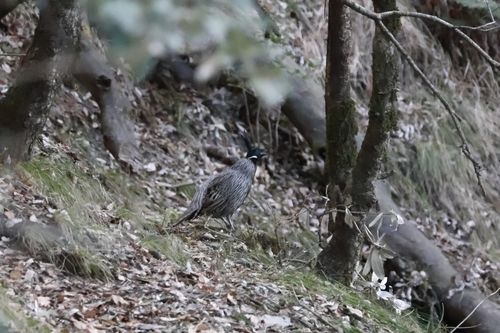
ミノキジ (Pucrasia macrolopha) ミノキジ
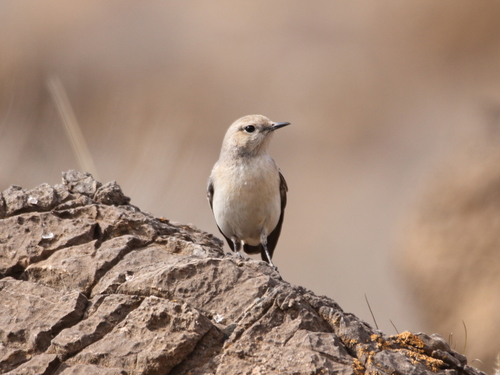
セジロサバクヒタキ (Oenanthe finschii) セジロサバクヒタキ

メディア

読み込み中…

要点

ミノキジとセジロサバクヒタキは、サイズ、構造、典型的な生息地の大きな違いにより、フィールドで混同される可能性は非常に低いですが、特に雌や幼鳥の不明瞭または遠くからの視界では混乱が生じることがあります。最も信頼できる区別は単純なサイズです:ミノキジは大きな地上性のゲームバードであり、セジロサバクヒタキは小さく、直立した歌鳥です。飛んでいるときや休んでいるとき、キジの長く段階的な尾と隠れた茶色または銀灰色の羽毛は、ヒタキのコンパクトな体型と強い白黒の尾のパターンと鮮やかに対比します。幼鳥のミノキジは成鳥の雌に似ていますが、決してヒタキの特徴的な尾や直立した姿勢を示すことはありません。短い視界しか得られない場合は、全体の構造と尾のパターンに焦点を当ててください。

識別のコツ

  1. Size is the most immediate clue: ミノキジはセジロサバクヒタキと比べて巨大であり、遠くからの視界でも、ずんぐりした鶏のような形状と小さく直立した雀の形状を明らかにするはずです。
  2. Tail pattern is diagnostic: すべての年齢と性別のセジロサバクヒタキは、飛行中や止まっているときに見える、広く均一な黒い端帯を持つ白い尾を示します。ミノキジは黒と白の対比がない長く淡い先端の尾を持っています。
  3. Posture and behavior: セジロサバクヒタキは直立しており、しばしば岩や低い止まり木の上に立ち、尾を振ります。ミノキジは水平で、隠れており、止まるのは巣にいるときだけです。
  4. Plumage contrast: 成鳥のオスのセジロサバクヒタキは鮮やかな白黒の模様を持っています。雌は上面が茶色灰色ですが、尾のパターンを示します。ミノキジのオスは黒い頭、栗色の胸、白い首の斑点を持つ銀灰色の縞模様の上面を持っていますが、全体的に黒と白ではありません。雌や幼鳥は上面が淡い茶色で、強い対比を示すことはありません。
  5. Wing and upperpart pattern: セジロサバクヒタキは、白い背中と尾(オス)や上面が茶色灰色(雌)と対比する黒い翼を持っていますが、常に大胆な尾があります。ミノキジは縞模様または無地の上面を持ち、黒と白の対比はありません。
  6. Bill structure: セジロサバクヒタキは昆虫を捕まえるための細く尖ったくちばしを持っています。ミノキジは種子や植物のための厚いゲームバードのくちばしを持っています。
  7. Leg length and jizz: ヒタキはそのサイズに対して長い脚を持ち、高く直立した外観を与えます。ミノキジは相対的に短く、太い脚を持っています。
  8. Flight style: セジロサバクヒタキは小さな雀に典型的な跳ねるような直接的な飛行を持っています。ミノキジは追い立てられたときだけ飛び、重い羽音と長い尾を引きずります。
  9. Habitat context: 密林や森林はミノキジを指し、開けた岩場や半砂漠の地形はセジロサバクヒタキを指します。
  10. Group size: ミノキジはしばしばペアや小さな家族グループで見られますが、セジロサバクヒタキは通常孤独または緩いペアで見られます。
  11. Vocalizations: 笛のような音や音楽的な呼び声はヒタキを示し、大きな合唱のような夜明けの呼び声はミノキジを示します。
  12. Sex and age confusion: 幼鳥のミノキジは成鳥の雌(淡い茶色、長い尾)に似ていますが、決してヒタキの尾のパターンや直立した姿勢を示しません。雌や幼鳥のヒタキは地味ですが、常に黒と白の尾を持っています。
  13. Roosting behavior: ミノキジは木の上や岩の下で休むことがありますが、セジロサバクヒタキは隙間や低い植物の中で休みます。
  14. If only a brief view: サイズ、尾のパターン、姿勢に焦点を当ててください。これらの特徴が確認できれば、短い視界でもこの2種を区別することができます。
  15. When in doubt: 小さく直立した鳥で目を引く黒と白の尾を持っているのを見たら、それはヒタキです。大きく地上性の鳥で長く無地の尾と隠れた羽毛を持っているのを見たら、それはミノキジです。

大きさ

ミノキジはセジロサバクヒタキ(平均27.5 g、長さ14 cm)よりも劇的に重く(平均1155 g)長い(58–64 cm)です。キジはヒタキの質量のほぼ40倍であり、ずんぐりした鶏のような鳥として際立っていますが、ヒタキは小さく、細長い雀です。距離があっても、体の大きさ、脚の長さ、尾の長さの違いは、両種が馴染みのあるものであれば明らかです。

羽色

幼鳥や幼いミノキジは成鳥の雌に似ており、淡い茶色の上面と長く淡い先端の尾を持ち、上翼や尾に強いパターンはありません。ミノキジの年齢や性別は、セジロサバクヒタキの大胆な黒と白の尾や翼の対比を示すことはありません。すべての羽毛において、セジロサバクヒタキ(すべての性別と年齢)は、飛行中や止まっているときに見える、広く均一な黒い端帯を持つ目を引く白い尾と尾を示します。成鳥のオスのセジロサバクヒタキは、黒い顔、喉、翼と対比する白い冠、背中、腹を持つ鮮やかな模様を持っています。雌はずっと地味ですが、診断的な尾のパターンを示します。ミノキジのオスは黒い頭、栗色の胸、白い首の斑点を持つ銀灰色の縞模様の上面を持っていますが、全体的に黒と白ではありません。雌や幼鳥は淡い茶色で、常に長く淡い先端の尾を持っています。ミノキジはヒタキの直立した、クリーンカットな外観や尾のパターンを示すことはありません。

行動

ミノキジは、茂みの下で隠れている内気な地上性の鳥であり、木の上や岩の下で休むとき以外は、開けた場所に止まることはほとんどありません。通常は地面を歩いたり走ったりしているのが見られ、時にはペアや小さな家族グループで見られます。セジロサバクヒタキは、岩や低い低木の上に止まっているのがよく見られる、典型的な直立した警戒心の強い雀であり、昆虫を捕まえるために飛び出し、尾を振ります。その飛行は直接的で跳ねるようなもので、ヒタキに典型的であり、開けた場所で見られる可能性が高いです。

生息環境

ミノキジは高地の森林に生息し、アフガニスタンから中央ネパール、中国やモンゴルの一部にかけて密な覆いの中に生息し、樹木の上には出ません。開けた国ではほとんど見られません。対照的に、セジロサバクヒタキは開けた岩場、半砂漠、低木の丘を好み、通常は密林から遠く離れています。鳥が深い森林にいる場合、ミノキジが圧倒的に可能性が高く、開けた岩場ではセジロサバクヒタキが期待されます。

声

ミノキジは、特に繁殖期や秋に、明るく合唱のような夜明けの呼び声で最もよく検出されます。これらの呼び声はここでは詳細に説明されていませんが、種に特有のものです。セジロサバクヒタキは、笛のような「ツィット」という呼び声と、明確な音符、笛、パチパチ音の歌を発します。これはヒタキに典型的で、どのゲームバードともかなり異なります。笛のような音や音楽的な歌を聞いたら、それはヒタキです。夜明けの大きな合唱のような呼び声はミノキジを指します。

より良い説明を送る

比較と同じ項目を使ってください。文章はすぐに公開されます。

Koklass Pheasant and Finsch's Wheatear are extremely unlikely to be confused in the field due to their vast difference in size, structure, and typical habitats, but confusion may arise with poor or distant views, especially of females or immatures. The most reliable separation is sheer size: Koklass Pheasant is a large, ground-dwelling gamebird, while Finsch's Wheatear is a small, upright songbird. In flight or at rest, the pheasant's long, graduated tail and cryptic brown or silver-grey plumage contrast sharply with the wheatear's compact build and strong black-and-white tail pattern. Immature Koklass Pheasants resemble adult females, but never show the wheatear's distinctive tail or upright posture. If only a brief view is obtained, focus on overall structure and tail pattern.

  1. Size is the most immediate clue: Koklass Pheasant is enormous compared to Finsch's Wheatear; even a distant view should reveal a bulky, chicken-like shape versus a small, upright passerine.
  2. Tail pattern is diagnostic: Finsch's Wheatear of all ages and sexes shows a white tail with a broad, even black terminal band, visible in flight and often when perched. Koklass Pheasant has a long, pale-tipped tail with no black-and-white contrast.
  3. Posture and behavior: Finsch's Wheatear stands upright, often on rocks or low perches, and flicks its tail. Koklass Pheasant is horizontal, skulking, and rarely perches in the open except at roost.
  4. Plumage contrast: Adult male Finsch's Wheatear is sharply black-and-white; females are brown-grey above but still show the tail pattern. Koklass males have a black head, chestnut breast, and silver-grey streaked upperparts with white neck patches; females and immatures are pale brown above, never showing strong contrasts.
  5. Wing and upperpart pattern: Finsch's Wheatear has black wings contrasting with a white back and rump (male), or brown-grey above (female), but always with the bold tail. Koklass Pheasant has streaked or plain upperparts, never with black-and-white contrast.
  6. Bill structure: Finsch's Wheatear has a thin, pointed bill for insect-catching; Koklass Pheasant has a thick, gamebird bill for seeds and vegetation.
  7. Leg length and jizz: Wheatear has long legs for its size, giving it a tall, upright look. Koklass has proportionally shorter, thicker legs.
  8. Flight style: Finsch's Wheatear has a bounding, direct flight typical of small passerines; Koklass Pheasant flies only when flushed, with labored, heavy wingbeats and a long tail trailing.
  9. Habitat context: Dense forest or woodland points to Koklass; open, rocky, or semi-desert terrain points to Finsch's Wheatear.
  10. Group size: Koklass is often in pairs or small family groups; Finsch's Wheatear is usually solitary or in loose pairs.
  11. Vocalizations: Whistled or musical calls indicate wheatear; loud, chorus-like predawn calls indicate Koklass.
  12. Sex and age confusion: Immature Koklass Pheasants look like adult females (pale brown, long-tailed), but never show a wheatear's tail pattern or upright stance. Female/immature wheatears are plainer but always have the black-and-white tail.
  13. Roosting behavior: Koklass may roost in trees or under rocks; Finsch's Wheatear roosts in crevices or low vegetation.
  14. If only a brief view: Focus on size, tail pattern, and posture. Even a fleeting glimpse should separate these two if these features are noted.
  15. When in doubt: If you see a small, upright bird with a striking black-and-white tail, it's a wheatear. If you see a large, ground-dwelling bird with a long, plain tail and cryptic plumage, it's Koklass Pheasant.

Koklass Pheasant is dramatically heavier (average 1155 g) and longer (58–64 cm) than Finsch's Wheatear (average 27.5 g, 14 cm long). The pheasant is nearly 40 times the mass of the wheatear and stands out as a bulky, chicken-like bird, while the wheatear is a small, slender passerine. Even at a distance, the difference in body bulk, leg length, and tail length is unmistakable if both species are familiar.

Juvenile and immature Koklass Pheasants resemble adult females, with pale brown upperparts and elongated, pale-tipped tails, lacking any strong pattern on the upperwing or tail. There is no age or sex of Koklass that shows the bold black-and-white tail or wing contrast of Finsch's Wheatear. In all plumages, Finsch's Wheatear (both sexes and ages) shows a striking white rump and tail with a broad, uniform black terminal band, visible in flight and often when perched. Adult male Finsch's Wheatear is sharply patterned with a white crown, back, and belly contrasting with a black face, throat, and wings; females are much plainer but still show the diagnostic tail pattern. Koklass males have a black head, chestnut breast, and silver-grey streaked upperparts with white neck patches, but are never black-and-white overall. Females and immatures are paler brown, always with a long, pale-tipped tail. No Koklass Pheasant shows the upright, clean-cut look or the tail pattern of a wheatear.

Koklass Pheasant is a shy, ground-dwelling bird that skulks under bushes, rarely perching in the open except when roosting in trees or under rocks. It is usually seen walking or running on the ground, sometimes in pairs or small family groups. Finsch's Wheatear is a classic upright, alert passerine, often seen perched on rocks or low shrubs, sallying out to catch insects, and flicking its tail. Its flight is direct and bounding, typical of wheatears, and it is much more likely to be seen in the open.

Koklass Pheasant inhabits high-altitude forests, often in dense cover from Afghanistan to central Nepal and parts of China and Mongolia, and does not venture above the tree line. It is rarely seen in open country. Finsch's Wheatear, by contrast, prefers open, rocky slopes, semi-desert, and scrubby hillsides, usually far from dense forest. If the bird is in deep woodland, Koklass is vastly more likely; in open, rocky terrain, Finsch's Wheatear is expected.

Koklass Pheasant is best detected by its loud, chorus-like predawn calls, especially during breeding and autumn; these calls are not described in detail here, but are distinctive for the species. Finsch's Wheatear gives a whistled 'tsit' call and a song of clear notes, whistles, and crackling, typical of wheatears and quite unlike any gamebird. If you hear a whistled or musical song, it is the wheatear; a loud, chorus-like call at dawn points to Koklass.

変更を破棄しますか?

保存していない編集があります。今離れると失われます。

ミノキジ · セジロサバクヒタキ · 苦手な鳥