

Motmot

コゲラ 対 ヒヨドリ

Yungipicus kizuki 対 Hypsipetes amaurotis

コゲラとヒヨドリのクイズ
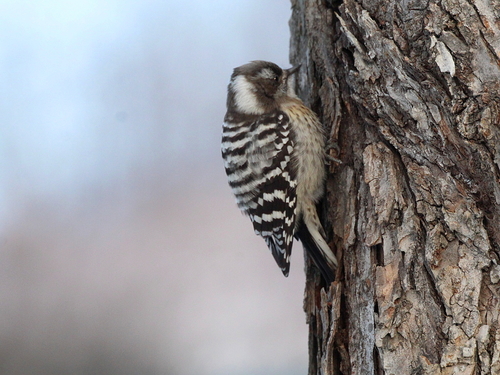
コゲラ (Yungipicus kizuki) コゲラ
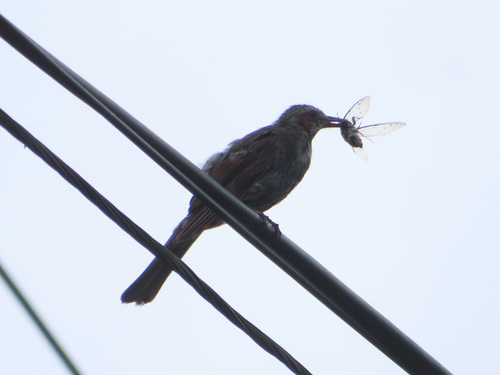
ヒヨドリ (Hypsipetes amaurotis) ヒヨドリ

メディア

読み込み中…

要点

日本のコゲラとヒヨドリを区別する最も信頼できるフィールドマークは、全体の構造と羽毛です:コゲラは小さく、コンパクトで、はっきりとした縞模様のある鳥で、短いくちばしと硬い尾を持っています。一方、ヒヨドリははるかに大きく、長い尾を持ち、明らかな茶色の「耳」斑点がある地味な灰褐色です。飛んでいるときや止まっているとき、コゲラの白い縞模様のある翼と背中が目立ち、ヒヨドリの均一で模様のない羽毛と対照的です。幼鳥のコゲラは追加の喉の縞模様を示すことがありますが、それでもそのサイズと模様は独特です。鳴き声も非常に異なり、コゲラは高くて速い音を出し、ヒヨドリは大きくて粗い鳴き声を出します。

識別のコツ

  1. サイズが最初の手がかり:コゲラは小さい(13〜15 cm)ですが、ヒヨドリははるかに大きい(約28 cm)です。鳥がスズメサイズまたはそれ以下に見える場合はコゲラです;もしツグミサイズまたはそれ以上に見える場合はヒヨドリです。
  2. 全体の形と構造:コゲラは短いノミのようなくちばしと硬く短い尾を持つコンパクトな形状です。ヒヨドリは長く、丸みを帯びた尾を持ち、細長くやや下向きのくちばしを持っています。
  3. 翼と背中の模様:コゲラは暗褐色の翼と背中に大胆な白い縞模様を示し、止まっているときも飛んでいるときも見えます。ヒヨドリは上面が地味な灰褐色で、縞模様や模様はありません。
  4. 顔のマーキング:コゲラは白い眉(スーパシリウム)、茶色の耳羽、白い口髭のストライプを持っています。ヒヨドリは耳羽に目立つ茶色の斑点(「茶色の耳」)を除いて、顔は地味で、スーパシリウムや顔のストライプはありません。
  5. 尾の模様:コゲラの尾は黒っぽく、外側の羽に白い縞模様があります;ヒヨドリの尾は長く、地味で、模様はありません。
  6. 性差(コゲラのみ):オスのコゲラは後頭部に小さな赤い斑点があります;メスはこれがなく、やや長いくちばし、翼、尾を持っています。これは微妙で、常に見えるわけではありません。
  7. 幼鳥のコゲラ:追加の喉の縞模様を示すことがありますが、上面は縞模様があり、短い尾を持っているため、ヒヨドリとは異なります。
  8. 止まり方:コゲラは幹や枝にしがみつき、しばしば尾を支えとして使用します;ヒヨドリは小枝、ワイヤー、または開けた場所に直立して止まり、幹にはめったに止まりません。
  9. 飛び方:コゲラは木を低く飛び回る典型的な木の穴あけ鳥の波状の飛び方をします。ヒヨドリはより直接的で安定した方法で飛び、しばしば木の間や開けた場所を横切ります。
  10. 声:コゲラのために柔らかく高い「ツィツィツィ」や弱いドラム音を聞いてください;ヒヨドリのためには大きくて粗い「シュリープ」や「ウィースプ」を聞いてください。
  11. 生息地の文脈:特に鳥が樹皮を食べている成熟した森林では、コゲラがより可能性が高いです。開けた公園、庭、果樹園、または騒がしい群れでは、ヒヨドリがデフォルトです。
  12. 採餌行動:コゲラは樹皮を虫を探して突き刺します;ヒヨドリは果物、蜜、虫を食べ、しばしば果物や花のある木で見られます。
  13. 季節的文脈:両種は日本の大部分で年間を通じて存在しますが、ヒヨドリは冬に大きな群れを形成することがありますが、コゲラはペアまたは小さな群れで留まります。
  14. 一般的な落とし穴:下からのコゲラの素早い視界は地味に見えるかもしれませんが、小さなサイズ、縞模様のある翼、硬い尾を探してください。ヒヨドリは暗い光の中で縞模様に見えるかもしれませんが、背中や翼に縞模様や白い部分はありません。
  15. 疑わしい場合:サイズ、翼/背中の模様、尾の長さに焦点を当ててください。これらの3つのマークは、ほぼすべての状況で全ての年齢と性別を区別します。

大きさ

日本のコゲラははるかに小さく、約22gの重さで、長さは13〜15 cmです。それに対して、ヒヨドリは約28 cmでほぼ2倍の長さで、かなり重いです(正確な質量は示されていませんが、フィールドでははるかに大きいです)。ヒヨドリの長い尾と大きな体は、遠くからでも目立ちます。両種が一緒に見られるか、馴染みのある鳥の近くにいる場合、コゲラは小さくてコンパクトに見え、ヒヨドリは大きくて細長く見えます。

羽色

行動

日本のコゲラは通常、単独またはペアで見られ、しばしば樹幹や枝に沿って移動し、虫を探し、時には混合種の群れに参加します。短くてぎこちない跳躍で移動し、樹皮に対して尾を支えとして使用します。ヒヨドリは繁殖期以外では騒がしい群れで見られることが多く、木の間を飛び回ったり、開けた場所に止まったりするのが目立ちます。ヒヨドリは果物、蜜、虫を食べ、開けた場所、庭、または人工構造物で見られる可能性が高いです。

生息環境

両種は森林や林地に生息することがありますが、日本のコゲラは針葉樹林や広葉樹林により密接に関連しており、山地や河川の森を含み、しばしば樹幹や枝で採餌します。ヒヨドリは非常に適応力があり、森林でも見られますが、都市公園、庭、果樹園、さらには農業地域でも非常に一般的です。都市公園や開けた農地で見られる場合、ヒヨドリの方がはるかに可能性が高いです;コゲラはより森林的で、あまり干渉されていない地域を好みますが、成熟した木のある公園でも見られることがあります。

声

日本のコゲラは高くて速い「ツィツィツィ」の鳴き声と弱く短いドラム音を出します。その鳴き声は柔らかく目立たないものです。ヒヨドリは非常に声が大きく、粗い「シュリープ」や「ウィースプ」の鳴き声を出し、しばしば魅力的でないまたはきしむように表現されます。ヒヨドリの鳴き声は注意を引く可能性が高く、日本の町や田舎でよく聞かれる音です。

より良い説明を送る

比較と同じ項目を使ってください。文章はすぐに公開されます。

The most reliable field mark to separate Japanese Pygmy Woodpecker from Brown-eared Bulbul is overall structure and plumage: the woodpecker is a tiny, compact, boldly barred bird with a short bill and stiff tail, while the bulbul is much larger, long-tailed, and plain gray-brown with obvious brown 'ear' patches. In flight or perched, the woodpecker’s white-barred wings and back stand out, contrasting with the bulbul’s uniform, unpatterned plumage. Juvenile woodpeckers may show extra throat streaking, but even then, their size and pattern are distinctive. Calls are also very different, with the woodpecker giving high, quick notes and the bulbul producing loud, harsh squeaks.

  1. Size is the first clue: Japanese Pygmy Woodpecker is tiny (13–15 cm), while Brown-eared Bulbul is much larger (about 28 cm). If the bird looks sparrow-sized or smaller, it's the woodpecker; if it's thrush-sized or bigger, it's the bulbul.
  2. Overall shape and structure: Woodpecker is compact with a short, chisel-like bill and a stiff, short tail. Bulbul is elongated, with a long, rounded tail and a slender, slightly downcurved bill.
  3. Wing and back pattern: Woodpecker shows bold white barring on dark brown wings and back, visible both perched and in flight. Bulbul is plain gray-brown above with no barring or pattern.
  4. Facial markings: Woodpecker has a white supercilium (eyebrow), brown ear coverts, and a white moustachial stripe. Bulbul has a plain face except for a prominent brown patch on the ear coverts ('brown ears'), with no supercilium or facial stripes.
  5. Tail pattern: Woodpecker's tail is blackish with white bars on the outer feathers; bulbul's tail is long, plain, and unmarked.
  6. Sex differences (woodpecker only): Male woodpecker has a small red mark on the nape; female lacks this but has slightly longer bill, wings, and tail. This is subtle and not always visible.
  7. Juvenile woodpecker: May show extra throat streaking, but still has barred upperparts and short tail, unlike any bulbul.
  8. Perching behavior: Woodpecker clings to trunks and branches, often using its tail for support; bulbul perches upright on twigs, wires, or in the open, rarely on trunks.
  9. Flight style: Woodpecker flies with undulating, bounding flight typical of woodpeckers, often low through trees. Bulbul flies in a more direct, steady manner, often between treetops or across open areas.
  10. Voice: Listen for soft, high 'tsi-tsi-tsi' or weak drumming for woodpecker; loud, harsh 'shreep' or 'weesp' for bulbul.
  11. Habitat context: In dense, mature woodland, especially where birds are foraging on bark, woodpecker is more likely. In open parks, gardens, orchards, or noisy flocks, bulbul is the default.
  12. Feeding behavior: Woodpecker probes bark for insects; bulbul eats fruit, nectar, and insects, often seen in trees with fruit or flowers.
  13. Seasonal context: Both species are present year-round in much of Japan, but bulbuls may form large flocks in winter, while woodpeckers remain in pairs or small groups.
  14. Common pitfalls: A quick view of a woodpecker from below may look plain, but look for the small size, barred wings, and stiff tail. Bulbul may seem streaky in poor light, but lacks any barring or white on the back/wings.
  15. When in doubt: Focus on size, wing/back pattern, and tail length. These three marks will separate all ages and sexes in nearly all situations.

Japanese Pygmy Woodpecker is much smaller, weighing about 22g and measuring 13–15 cm in length. In contrast, Brown-eared Bulbul is nearly twice as long at about 28 cm and is substantially heavier (exact mass not given, but much bulkier in the field). The bulbul’s long tail and larger body make it stand out, even at a distance. If both species are seen together or near familiar birds, the woodpecker will appear tiny and compact, while the bulbul will look large and elongated.

  • Juvenile/immature woodpecker: May show extra streaking on the throat, but still has the characteristic white-barred upperparts and wings, and a short, stiff tail.
  • Adult woodpecker: Bold white barring across dark brown back and upperwings, white supercilium, brown ear coverts, and a small red nape mark in males. Underparts are pale with brownish streaks. Tail is blackish with white bars on outer feathers.
  • Brown-eared Bulbul (all ages): Uniformly grayish-brown overall, with a prominent brown patch on the ear coverts ('brown ears'), and a long, plain tail. Lacks any barring or bold patterning on wings or back. No supercilium or facial stripes. Bill and legs are dark.
  • In flight: Woodpecker shows barred wings and back, short tail; bulbul shows plain wings and long tail, with no barring or pattern.

Japanese Pygmy Woodpecker is usually seen singly or in pairs, often hitching along tree trunks and branches, probing for insects, and sometimes joining mixed-species flocks. It moves with short, jerky hops and uses its tail for support against bark. Brown-eared Bulbul is more often seen in noisy flocks, especially outside the breeding season, and is conspicuous in flight between trees or perching in the open. Bulbuls feed on fruit, nectar, and insects, and are much more likely to be seen in open areas, gardens, or even on man-made structures.

Both species can occur in forests and wooded areas, but Japanese Pygmy Woodpecker is more tightly associated with coniferous and deciduous forests, including upland and riverine woods, and often forages on tree trunks and branches. Brown-eared Bulbul is highly adaptable, found in forests but also very common in urban parks, gardens, orchards, and even agricultural areas. If seen in a city park or open farmland, bulbul is much more likely; woodpecker prefers more wooded, less disturbed areas but can occur in parks with mature trees.

Japanese Pygmy Woodpecker gives high, quick 'tsi-tsi-tsi' calls and weak, short drumming bursts. Its calls are soft and unobtrusive. Brown-eared Bulbul is extremely vocal, with loud, harsh 'shreep' and 'weesp' calls that are often described as unattractive or squeaky. Bulbul calls are much more likely to draw attention and are a familiar sound in Japanese towns and countryside.

変更を破棄しますか?

保存していない編集があります。今離れると失われます。

コゲラ · ヒヨドリ · 苦手な鳥