

Motmot

インドアカガシラサギ 対 ギンパラ

Ardeola grayii 対 Lonchura malacca

インドアカガシラサギとギンパラのクイズ
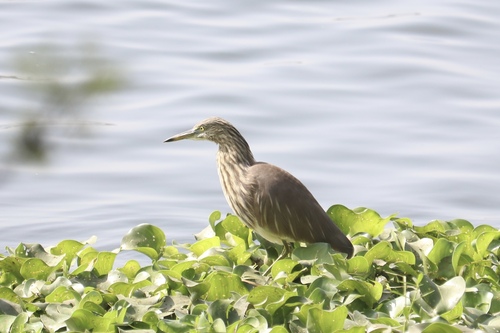
インドアカガシラサギ (Ardeola grayii) インドアカガシラサギ
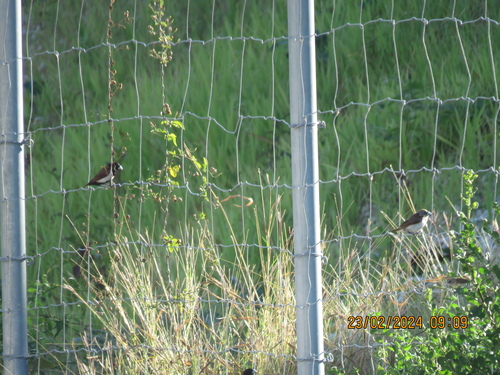
ギンパラ (Lonchura malacca) ギンパラ

メディア

読み込み中…

要点

インドアカガシラサギとギンパラの最も信頼できるフィールドマークは、全体の構造とサイズです:サギは大きくて頑丈な水鳥で、厚いくちばしを持っていますが、ギンパラは小さくてコンパクトなフィンチです。飛んでいるとき、インドアカガシラサギ(すべての年齢)は、隠れた茶色から白い翼に劇的に変化しますが、ギンパラは暗いままで、対照的な白い翼の覆いと特徴的な三色の体を持っています。幼鳥のギンパラは温かみのある茶色とクリーム色で、大人の鋭い黒と白のコントラストが欠けていますが、それでも小さなフィンチのように見えます。もし、ストライプの入った茶色の鳥が水辺から飛び立つときに突然真っ白な翼を見せたら、それはサギです;黒い頭や単色の茶色(幼鳥の場合)の小さな種を食べる鳥がギンパラです。

識別のコツ

  1. Size and Structure: インドアカガシラサギははるかに大きくて重く、厚く尖ったくちばしと長い脚と首を持っています。ギンパラは小さく、丸い体を持ち、短い円錐形のくちばしと短い尾があります。これはフィールドでの最も直接的で信頼できる区別です。
  2. Flight Pattern and Wing Markings: 飛び立つと、インドアカガシラサギはどの年齢でも鮮やかな白い翼、尾、そして尾を見せ、隠れた茶色から目を引く白に変わります。対照的に、ギンパラは飛行中は暗いままで、翼に白はなく、淡い翼の覆いだけで、速くひらひらとした飛行をします。
  3. Perched Plumage (Adults): 大人のサギは上面が茶色とオリーブのストライプで、クリーム色の背中を持ち、繁殖期には長い首の羽毛を持つことがあります。大人のギンパラは黒い頭、喉、胸、白い腹と側面、栗色の上面を持ち、サギには決して匹敵しない鋭い三色のパターンを持っています。
  4. Juvenile Plumage: 幼鳥のサギは茶色とオリーブのストライプで、止まっているときは大人と一致しますが、飛行中は常に白い翼を見せます。幼鳥のギンパラは上面が温かみのある茶色で、下面がクリーム色で、大人の黒い頭と白い腹が欠けていますが、それでも小さな種を食べるフィンチのように見え、翼や尾に白は見せません。
  5. Bill Shape and Color: サギのくちばしは厚く、長く、尖っており(ダガーのよう)、黄色から暗い先端を持っています。ギンパラのくちばしは短く、厚く、円錐形で、大人は淡い青灰色、幼鳥は角灰色です。
  6. Legs and Feet: サギの脚は比較的長く、黄色がかっており、稀に繁殖個体では赤みを帯びることがあります。ギンパラの脚と足は短く灰色で、決して長くも明るい色でもありません。
  7. Behavior: サギは水辺で獲物を狙い、しばしば動かずに待ち、近づかれると飛び立ちます。ギンパラは活発で群れを成し、草地で種を食べたり、葦や草に止まったりし、開けた水の近くにはめったにいません。
  8. Habitat: サギはほぼ常に水(池、湿地、稲作地)にいるか近くにいます;ギンパラは乾燥した草原、葦原、農業地帯を好み、水の近くにいることもありますが、通常は水辺にはいません。
  9. Voice: サギは飛び立つときに厳しい鳴き声を出すことがあります;ギンパラは一般的に静かで柔らかい呼び声を持ち、強い区別にはなりません。
  10. Seasonal Marks: 繁殖中のサギは長い首の羽毛や、稀に赤みを帯びた脚を持つことがありますが、これらは常に存在するわけではなく、頼りにすべきではありません。
  11. Sex Differences: ギンパラのオスとメスは似ていますが、メスは上尾羽の覆いが淡いことがあります;サギはフィールドマークにおいて性差がほとんどありません。
  12. Common Pitfalls: 幼鳥のギンパラは他のギンパラと混同されることがありますが、サイズと構造のためにサギとは混同されません。止まっているときのサギの隠れた羽毛は目立たないように見えることがありますが、サイズと飛行中の白い翼が診断的です。
  13. Context: 鳥が浅い水や泥の中を狙っているのが見られた場合、それはほぼ確実にサギです。もし草の種を群れで食べているのが見られたら、それはギンパラです。
  14. Approachability: サギは飛び立つ前に近づくことができます;ギンパラはより警戒心が強く、より遠くから飛び立ち、しばしば群れで飛び立ちます。
  15. Geographic Range: 両種は南アジアで広く重なっているため、範囲は区別にはなりません。

大きさ

インドアカガシラサギはギンパラよりもはるかに大きくて重い(体重約255g)です。サギは中型のサギで、厚いダガーのようなくちばしと比較的短い首を持っていますが、フィンチよりははるかに長い首と脚を持っています。ギンパラは小さく、丸い体を持つフィンチで、短い円錐形のくちばしと短い尾を持っています。距離があっても、サギのサイズと比率は明らかで、特に立っているときや飛んでいるときに顕著です;ギンパラはスズメサイズで、決して細長く見えることはありません。

羽色

幼鳥と大人のインドアカガシラサギは、止まっているときに上面が茶色とオリーブのストライプで、周囲に溶け込んでいますが、すべての年齢が飛行中に明るい白い翼、尾、そして尾を見せます—突然の、明確なコントラストです。大人のギンパラは鋭いパターンを持っています:黒い頭、喉、胸;白い腹と側面;栗色の上面;暗い茶色の飛行羽;そして白からクリーム色の翼の覆い。幼鳥は黒い頭と白い腹が欠けており、上面が温かみのある茶色で、下面がクリーム色ですが、翼や尾に白は見せません。飛行中、ギンパラはサギの目を引く白い翼のパネルを見せず、代わりに速くひらひらとした飛行をし、暗い翼とコンパクトな体を持っています。繁殖中のサギは長い首の羽毛や、稀に赤みを帯びた脚を見せることがありますが、これらは常に存在するわけではありません。ギンパラは淡い青灰色のくちばし(大人)または角灰色(幼鳥)を持ち、決してサギの厚く尖ったくちばしを持ちません。

行動

インドアカガシラサギは通常孤独または緩く関連しており、水の端でゆっくりと狙いを定め、しばしば長時間動かずにいます。彼らは近づかれると飛び立ち、白い翼を見せます。ギンパラは群れを成し、しばしば群れで見られ、草の種を食べたり、葦や草に止まったりし、開けた水の近くにはめったにいません。彼らの飛行は速く、波打つようで、サギよりもずっと活発で落ち着きがありません。

生息環境

インドアカガシラサギは池、湿地、稲作地、その他の小さな水域の端に見られ、しばしば人間の居住地の近くにいます。それはほぼ常に水に関連しています。ギンパラは草地、葦原、農業地域を好み、水の近くにいることもありますが、通常は水の端にはいません。ギンパラはサギとは異なり、浅い水や泥の中を狙っているのが見られることはめったにありません。

声

インドアカガシラサギは通常静かですが、警戒したり巣の近くにいるときに厳しい鳴き声を出すことがあります。ギンパラはその歌声で知られておらず、比較的静かで、柔らかい呼び声だけを持っています;その歌声の欠如はフィンチの中で注目すべき点です。鳴き声は区別のための信頼できるフィールドマークではありません。

より良い説明を送る

比較と同じ項目を使ってください。文章はすぐに公開されます。

The most reliable field mark between Indian Pond Heron and Tricoloured Munia is overall structure and size: the heron is a large, stocky waterbird with a thick bill, while the munia is a tiny, compact finch. In flight, Indian Pond Heron (of all ages) shows a dramatic transformation from cryptic brown to flashing white wings, whereas Tricoloured Munia remains dark with contrasting white underwing coverts and a distinctive tricoloured body. Juvenile Tricoloured Munias are warm brown and buff, lacking the sharp black-and-white contrasts of adults, but still appear as small, finch-like birds. If you see a streaky brown bird suddenly reveal all-white wings as it flushes from water’s edge, it is the heron; a tiny, seed-eating bird with a black head or plain brown (if juvenile) is the munia.

  1. Size and Structure: Indian Pond Heron is much larger and heavier, with a thick, pointed bill and longer legs and neck. Tricoloured Munia is tiny, round-bodied, with a short, conical bill and short tail. This is the most immediate and reliable distinction in the field.
  2. Flight Pattern and Wing Markings: When flushed, Indian Pond Heron of any age shows brilliant white wings, rump, and tail, transforming from cryptic brown to striking white. Tricoloured Munia, in contrast, remains dark in flight, with no white in the wings except for pale underwing coverts, and has a quick, fluttery flight.
  3. Perched Plumage (Adults): Adult herons are streaked brown and olive above, with a buff-brown back, and may have long neck plumes in breeding season. Adult munias have a black head, throat, and breast, white belly and flanks, and chestnut upperparts—a sharp, tricoloured pattern never matched by the heron.
  4. Juvenile Plumage: Juvenile herons are streaked brown and olive, matching adults when perched, but always show white wings in flight. Juvenile munias are warm brown above and buff below, lacking the black head and white belly of adults, but still appear as small, seed-eating finches and never show white in the wings or tail.
  5. Bill Shape and Color: Heron’s bill is thick, long, and pointed (dagger-like), yellowish to dark-tipped. Munia’s bill is short, thick, and conical, pale bluish-grey in adults, horn-grey in juveniles.
  6. Legs and Feet: Heron’s legs are relatively long and yellowish, sometimes reddish in rare breeding individuals. Munia’s legs and feet are short and grey, never long or brightly colored.
  7. Behavior: Herons stalk prey at water’s edge, often motionless, and flush only when closely approached. Munias are active, flocking, and feed on seeds in grassy areas, rarely near open water.
  8. Habitat: Herons are almost always at or near water (ponds, marshes, rice fields); munias prefer dry grasslands, reedbeds, and agricultural fields, sometimes near water but not at the edge.
  9. Voice: Heron may give a harsh croak if flushed; munia is generally quiet with soft calls, not a strong separator.
  10. Seasonal Marks: Breeding herons may have long neck plumes and, rarely, reddish legs, but these are not always present and should not be relied upon.
  11. Sex Differences: Munia males and females are similar, though females may have paler uppertail coverts; herons show little sexual dimorphism in field marks.
  12. Common Pitfalls: Immature munias can be confused with other munias but not with herons due to size and structure. Herons’ cryptic plumage when perched can make them seem inconspicuous, but size and white wings in flight are diagnostic.
  13. Context: If the bird is seen stalking in shallow water or mud, it is almost certainly a heron. If it is feeding in a flock on grass seeds, it is a munia.
  14. Approachability: Herons can be approached closely before flushing; munias are more wary and flush at greater distances, often as a group.
  15. Geographic Range: Both species overlap widely in South Asia, so range is not a separator.

Indian Pond Heron is vastly larger and heavier (body mass ~255 g) than Tricoloured Munia (~12.6 g) [wikidata]. The heron is a medium-sized heron with a thick, dagger-like bill and relatively short neck for a heron, but still much longer-necked and longer-legged than any finch. Tricoloured Munia is a small, round-bodied finch with a short, conical bill and short tail. Even at a distance, the heron’s size and proportions are obvious, especially when standing or flying; the munia is sparrow-sized and never appears lanky or elongated.

Juvenile and adult Indian Pond Herons are streaked brown and olive above when perched, blending into their surroundings, but all ages show bright white wings, rump, and tail in flight—a sudden, unmistakable contrast [wikipedia]. Tricoloured Munia adults are sharply patterned: black head, throat, and breast; white belly and flanks; chestnut upperparts; dark brown flight feathers; and white to cream underwing coverts. Juveniles lack the black head and white belly, being warm brown above and buff below, but still lack any white in the wings or tail. In flight, munias do not show the heron’s striking white wing panels; instead, their flight is quick and fluttery, with dark wings and a compact body. Breeding herons may show long neck plumes and, rarely, reddish legs, but these are not always present. Munias have a pale bluish-grey bill (adults) or horn-grey (juveniles), never the thick, pointed bill of a heron.

Indian Pond Herons are typically solitary or loosely associated, stalking slowly at the edge of water, often remaining motionless for long periods. They flush only when closely approached, revealing their white wings. Tricoloured Munias are gregarious, often seen in flocks, feeding on grass seeds or perched on reeds and grasses, rarely near open water. Their flight is fast and undulating, and they are much more active and restless than the heron.

Indian Pond Heron is found at the edges of ponds, marshes, rice fields, and other small water bodies, often close to human habitation [wikipedia]. It is almost always associated with water. Tricoloured Munia prefers grassy fields, reedbeds, and agricultural areas, sometimes near water but usually not at the water’s edge. Munias are rarely seen stalking in shallow water or mud, unlike the heron.

Indian Pond Heron is usually silent but may give a harsh croak when alarmed or near the nest [wikipedia]. Tricoloured Munia is not noted for its song and is relatively quiet, with only soft calls; its lack of song is notable among finches [wikipedia]. Vocalizations are not a reliable field mark for separation.

変更を破棄しますか?

保存していない編集があります。今離れると失われます。

インドアカガシラサギ · ギンパラ · 苦手な鳥