

Motmot

Indian Pied Starling 対 シキチョウ

Gracupica contra 対 Copsychus saularis

Indian Pied Starlingとシキチョウのクイズ
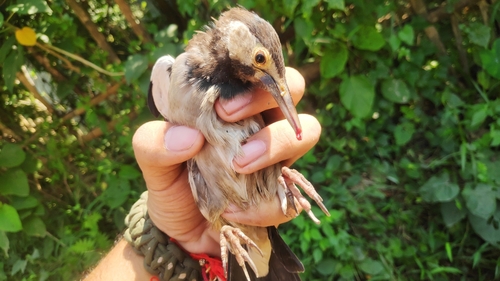
Indian Pied Starling (Gracupica contra) Indian Pied Starling
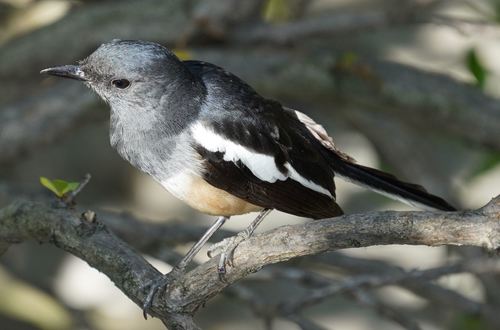
シキチョウ (Copsychus saularis) シキチョウ

メディア

読み込み中…

要点

インディアンパイドスターリングとシキチョウの最も信頼できるフィールドマークは、スターリングの大胆な白黒の羽毛で、赤みがかった裸の目のパッチと黄色がかったくちばしを持つのに対し、シキチョウはより流線型の白黒パターン、直立した尾、顔の裸の皮膚がないことです。両種の幼鳥はより鈍い色に見えることがありますが、スターリングは常に対照的な白い頬と翼のパネルを示し、シキチョウの尾の形と行動は独特です。飛行中、スターリングは広い翼を持ち、遅く見え、シキチョウはより細身で、しばしば長い尾をひらひらさせます。サイズ、構造、社会的行動も役立ちます:スターリングは重く、小さな群れで見られることが多いのに対し、シキチョウは軽く、より孤独またはペアで見られます。

識別のコツ

  1. Facial skin and bill color: インディアンパイドスターリングは、すべての年齢で目の周りに赤みがかった裸のパッチと赤みがかった基部を持つ黄色がかったくちばしを示します;シキチョウは裸の顔の皮膚がなく、暗く細いくちばしを持っています。
  2. Cheek and lores: スターリングは大胆な白い頬とロアを持ち、黒い上面と対照的です;シキチョウは白い頬やロアがない平坦な顔を持っています。
  3. Wing coverts and flight pattern: スターリングの白い翼の覆い羽は、休んでいるときや飛んでいるときに見える強いパネルを形成し、すべての年齢で存在します;シキチョウは白い肩のパッチを持っていますが、同じパネル効果はありません。
  4. Tail shape and behavior: シキチョウの尾は長く、黒で白い側面を持ち、止まっているときや餌を探しているときにしばしば直立します;スターリングの尾は短く、決して直立せず、強い白い側面がありません。
  5. Juvenile plumage: 幼鳥のスターリングは黒を置き換える茶色がかった黒ですが、白い頬と翼のパネルを保持します;幼鳥のシキチョウは上面が鱗状の茶色で、顔のコントラストがありません。
  6. Body size and structure: スターリングははるかに重く、ずんぐりした体型(83g対36g)で、より厚いくちばしと丸い翼を持っています;シキチョウは細身で軽いです。
  7. Group size: スターリングは、繁殖期の外で特に小さな群れで見られることが多いです;シキチョウは通常孤独またはペアで見られます。
  8. Flight style: スターリングは遅く、丸みを帯びた蝶のような飛行をします;シキチョウはより直接的で敏捷です。
  9. Perching posture: シキチョウは尾を直立させて止まります;スターリングはより水平に止まり、尾は下がっています。
  10. Habitat context: スターリングは水の近くの開けた場所、田畑、または放牧地を好みます;シキチョウは庭、公園、森林の端でより一般的です。
  11. Breeding season: 両者はインドで3月から7月に繁殖しますが、シキチョウのオスは高い止まり木から歌うことでより目立つことがあります。
  12. Sex differences: スターリングの性別は似ています;シキチョウのオスは光沢のある黒と白で、メスは上面と下面が灰色で(南部の一部の亜種ではメスがオスに似ています)。
  13. Bill use: スターリングは草や土の中で口を開けたり、こじ開けたりするのがよく見られます;シキチョウは餌を探しながら跳ねたり、尾をひらひらさせたりします。
  14. Eye color: スターリングの目の周りの赤みがかった裸の皮膚は独特です;シキチョウの目は暗く、装飾がありません。
  15. Overlap: 都市環境では、スターリングの顔のパターンと群れの行動を確認し、シキチョウの孤独で直立した尾の姿勢と比較してください。

大きさ

インディアンパイドスターリングははるかに重く(83g対36g)、フィールドでよりずんぐりした印象を与えます。スターリングはより太い体と、赤みがかった基部を持つ厚い黄色がかったくちばしを持っているのに対し、シキチョウはより細身で、より細いくちばしを持っています。シキチョウの長い尾はその長さの印象を与えますが、全体的にははるかに軽く、繊細です。このサイズの違いは、両者が一緒に見られたり、一般的な都市の鳥と比較されたりする際に通常明らかです。

羽色

幼鳥と未熟なインディアンパイドスターリングは黒を置き換える暗い茶色を持っていますが、特に白い頬と翼の覆い羽、目の周りの赤みがかった裸のパッチを保持しています。シキチョウの幼鳥は上面と頭が鱗状の茶色で、スターリングの顔の裸の皮膚と白い頬が欠けています。成鳥のスターリングは、白い頬、ロア、翼の覆い羽、そして尾羽の赤みがかった裸の目のパッチを持ち、上面は際立って黒いです;彼らのくちばしは赤みがかった基部を持つ黄色がかったものです。シキチョウのオスは上面が光沢のある黒で、白い肩のパッチ、白い腹部、白い外尾羽を持ち;メスは上面と下面が灰色で、スターリングの顔のパターンが欠けています。シキチョウの尾は常に長く、しばしば直立しており、スターリングの尾は短く、持ち上げられません。飛行中、スターリングの翼は丸みを帯びて広く見え、遅い「蝶のような」動作を持ち、シキチョウの飛行はより直接的で目立たないです。

行動

インディアンパイドスターリングは通常、小さな緩い群れで見られ、しばしば牛の近くや開けた田畑で餌を探し、一般的なインドハッカよりも大胆さが少ないです。彼らは共同の環境でしばしばこじ開ける/口を開ける餌の技術を使用します。シキチョウはより孤独またはペアで、地面近くや低い枝で餌を探し、しばしば長い尾をひらひらさせたり、直立させたりします。オスはしばしば露出した止まり木から歌います。スターリングの飛行は遅く丸みを帯びており、シキチョウはより敏捷に動き、目立って止まります。

生息環境

両種は人間の居住地の近くで一般的ですが、インディアンパイドスターリングは水の近くに散在する木のある低地の開けた場所で最もよく見られ、村、都市、ゴミ捨て場、平野や低い山麓でよく見られます。シキチョウは都市の庭、公園、森林に広く分布し、森林の端や庭を含むより広範な森林生息地で見られる可能性が高いです。両者は都市で重なることがありますが、スターリングは開けた湿った農業地域により結びついています。

より良い説明を送る

比較と同じ項目を使ってください。文章はすぐに公開されます。

The most reliable field mark between Indian Pied Starling and Oriental Magpie-Robin is the starling's bold black-and-white plumage with a reddish bare eye patch and yellowish bill, versus the magpie-robin's more streamlined black-and-white pattern, upright-cocked tail, and lack of facial bare skin. Juvenile birds of both species can look duller, but the starling always shows a contrasting white cheek and wing panel, while the magpie-robin's tail shape and behavior are distinctive. In flight, the starling appears broad-winged and slow, while the magpie-robin is more slender and often flicks its long tail. Size, structure, and social behavior also help: the starling is heavier and often in small groups, while the magpie-robin is lighter and more solitary or in pairs.

  1. Facial skin and bill color: Indian Pied Starling shows a reddish bare patch around the eye and a yellowish bill with a reddish base in all ages; Oriental Magpie-Robin lacks bare facial skin and has a dark, slender bill.
  2. Cheek and lores: Starling has a bold white cheek and lores, contrasting with black upperparts; magpie-robin has a plain face with no white cheek or lores.
  3. Wing coverts and flight pattern: Starling's white wing coverts form a strong panel visible at rest and in flight, present in all ages; magpie-robin has a white shoulder patch but not the same panel effect.
  4. Tail shape and behavior: Magpie-robin's tail is long, black with white sides, and often cocked upright when perched or foraging; starling's tail is shorter, never cocked, and lacks strong white sides.
  5. Juvenile plumage: Juvenile starlings are brownish-black but retain the white cheek and wing panel; juvenile magpie-robins are scaly brown above and lack facial contrast.
  6. Body size and structure: Starling is much heavier and bulkier (83g vs 36g), with a thicker bill and rounder wings; magpie-robin is slender and light.
  7. Group size: Starlings are often in small flocks, especially outside breeding season; magpie-robins are usually solitary or in pairs.
  8. Flight style: Starling has a slow, rounded, butterfly-like flight; magpie-robin is more direct and agile.
  9. Perching posture: Magpie-robin perches upright with tail cocked; starling perches more horizontally, tail down.
  10. Habitat context: Starling prefers open areas near water, fields, or grazing land; magpie-robin is more common in gardens, parks, and forest edges.
  11. Breeding season: Both breed March–July in India, but magpie-robin males may be more conspicuous, singing from high perches.
  12. Sex differences: Starling sexes are similar; magpie-robin males are glossy black and white, females are greyer above and below (except in some southern races where females resemble males).
  13. Bill use: Starling often seen gaping/prying in grass or soil; magpie-robin hops and flicks tail while foraging.
  14. Eye color: Starling's reddish bare skin around the eye is unique; magpie-robin's eye is dark and unadorned.
  15. Overlap: In urban settings, check for the starling's facial pattern and group behavior versus the magpie-robin's solitary, upright-tailed stance.

Indian Pied Starling is substantially heavier (83g vs 36g) and appears bulkier in the field. The starling has a stouter body and a thicker, yellowish bill with a reddish base, while the magpie-robin is more slender, with a finer bill. The magpie-robin's long tail adds to its length impression, but it is much lighter and more delicate overall. This size difference is usually apparent when both are seen together or compared to common urban birds.

Juvenile and immature Indian Pied Starlings have dark brown replacing black, but retain the strong black-and-white contrast, especially the white cheek and wing coverts, and a reddish bare patch around the eye. The Oriental Magpie-Robin juvenile is scaly brown above and on the head, lacking the starling's facial bare skin and white cheek. Adult starlings are strikingly black above with white cheek, lores, wing coverts, and rump, and a reddish bare eye patch; their bill is yellowish with a reddish base. Magpie-robin males are glossy black above with a white shoulder patch, white underparts, and white outer tail feathers; females are greyer above and below, lacking the starling's facial pattern. The magpie-robin's tail is always long and often cocked upright, while the starling's is shorter and not held up. In flight, the starling's wings look rounded and broad, with a slow, 'butterfly-like' action, while the magpie-robin's flight is more direct and less showy.

Indian Pied Starlings are usually seen in small, loose groups, often foraging on the ground near cattle or in open fields, and are less bold than the common myna. They use a prying/gaping feeding technique, often in communal settings. Oriental Magpie-Robins are more solitary or in pairs, foraging close to the ground or in low branches, frequently flicking and cocking their long tails. Males often sing from exposed perches. The starling's flight is slow and rounded, while the magpie-robin moves with more agility and perches conspicuously.

Both species are common near human habitation, but Indian Pied Starlings are most often found in lowland open areas with scattered trees near water, including villages, cities, and refuse tips, often in the plains and low foothills. Oriental Magpie-Robins are widespread in urban gardens, parks, and forests, and are more likely to be seen in a wider range of wooded habitats, including forest edges and gardens. Both can overlap in cities, but the starling is more tied to open, wet, or agricultural areas.

変更を破棄しますか?

保存していない編集があります。今離れると失われます。

Indian Pied Starling · シキチョウ · 苦手な鳥