

Motmot

イベリアオナガ 対 マグレブカササギ

Cyanopica cooki 対 Pica mauritanica

イベリアオナガとマグレブカササギのクイズ
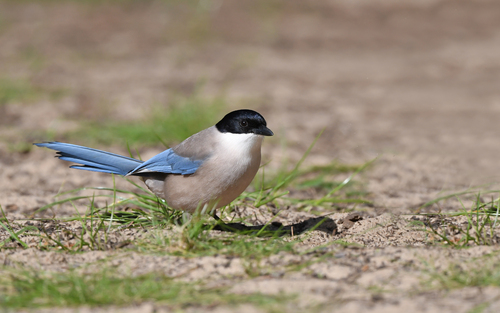
イベリアオナガ (Cyanopica cooki) イベリアオナガ
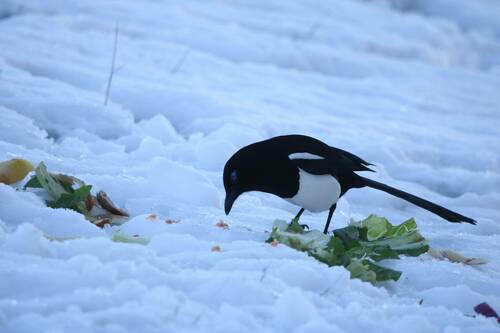
マグレブカササギ (Pica mauritanica) マグレブカササギ

メディア

読み込み中…

要点

イベリアオナガとマグレブカササギを区別する最も信頼できるフィールドマークは、マグレブカササギの目の後ろにある鮮やかな青色の裸の皮膚の斑点の存在です。これはイベリアオナガには完全に欠けています。構造も強い手がかりです:イベリアオナガは明らかに細身で、くちばしと脚が小さく、長い空色の尾と翼を持っています。一方、マグレブカササギはよりがっしりしており、尾が長く、翼が短く、黒と白のコントラストがはっきりしています。両種は翼と尾に青色を示すことがありますが、全体の形状と頭の模様はかなり異なります。未成熟と成鳥の羽毛は各種内で似ていますので、特に飛行中や遠くから見る際には頭と体の構造に注目してください。

識別のコツ

  1. 目の後ろの青い裸の皮膚:マグレブカササギだけが目の後ろと下に鮮やかな青色の裸の皮膚の斑点を示します。これは最も診断的なマークであり、良い光の下で常に頭を確認してください。イベリアオナガはこの特徴を示しません。
  2. 全体の構造:イベリアオナガは細身で、くちばしと脚が小さく、より細長く繊細な形をしています。マグレブカササギはがっしりしており、くちばしが重く、尾が長く、翼が短く、より頑丈な印象を与えます。
  3. 頭と喉の模様:イベリアオナガは光沢のある黒い冠と後頭部を持ち、白い喉と顔があり、キャップのような見た目を作ります。マグレブカササギは黒い頭と胸を持ち、白い喉はなく、青い裸の皮膚の斑点が黒に対して際立っています。
  4. 腹部の色:イベリアオナガは薄い灰色がかった茶色の腹部と背中を示し、マグレブカササギは白い腹部の斑点(ユーラシアオナガよりも狭い)と黒い胸を持っています。マグレブカササギのコントラストはより鮮明です。
  5. 翼と尾の色:イベリアオナガの翼と長い尾は明るい空色で、光をよく反射します。マグレブカササギの翼と尾は虹色の青緑ですが、イベリアオナガの鮮やかな青よりも広がりが少なく、控えめです。
  6. 肩羽の斑点:マグレブカササギは小さな白い肩羽の斑点を持っています(ユーラシアオナガよりも小さい)、一方イベリアオナガはこの特徴を欠いています—その背中は灰色がかった茶色です。
  7. 尾の長さと形:両種は長い尾を持っていますが、マグレブカササギの尾はさらに長く、より段階的です。飛行中または止まっているとき、尾はマグレブカササギでより目立ちます。
  8. くちばしのサイズ:イベリアオナガはマグレブカササギの厚く重いくちばしに比べて、明らかに小さく繊細なくちばしを持っています。これは近距離で最も明らかです。
  9. 群れでの行動:大きくて騒がしい群れ(特に繁殖期以外)はイベリアオナガを示唆します。マグレブカササギはより頻繁にペアや小さなグループで見られます。
  10. 生息地と範囲:イベリア(スペイン、ポルトガル)にいる場合はイベリアオナガ;北アフリカ(モロッコ、アルジェリア、チュニジア)にいる場合はマグレブカササギです。自然の範囲に重複はありません。
  11. 止まっているときと飛行中の視点:飛行中、イベリアオナガの青い翼と尾は非常に目立ちますが、マグレブカササギはより黒と白に見え、虹色のハイライトがあります。止まっているときは、頭の模様と裸の皮膚を確認してください。
  12. 幼鳥/未成熟の羽毛:いずれの種についても特定の年齢に特有の飛行マークは説明されていないため、すべての年齢に同じフィールドマークを使用してください。
  13. 白い腹部の斑点:マグレブカササギの白い腹部はユーラシアオナガよりも狭いですが、黒い胸と対比を成しています;イベリアオナガの腹部は均一に薄い灰色がかった茶色です。
  14. 羽毛の落とし穴:イベリアオナガの翼と尾の青色をマグレブカササギの虹色と混同しないでください—広がりと明るさを見てください。また、マグレブカササギの青い裸の皮膚は羽の色とは異なります。
  15. マークが失敗したとき:青い皮膚の斑点が見えない場合(光が悪い、遠くからの視点)、構造、腹部の色、全体の印象に頼ってください。場所がわかっている場合、範囲は強力なバックアップです。

大きさ

イベリアオナガは小さくて細身で、長さは31〜35 cmで、脚とくちばしは相対的に小さいです。マグレブカササギは大きく、約48 cmの長さで、フィールドではより重く、がっしりとした印象を与えます。マグレブカササギの尾は比較的長く、翼はイベリアオナガに比べて短いです。これらの違いは、鳥が並んでいるときに最も明らかですが、単独でもイベリアオナガはより繊細で細長い印象を与え、マグレブカササギは頑丈で重厚です。

羽色

幼鳥と成鳥のイベリアオナガは特徴的な羽毛を共有しています:光沢のある黒い冠、白い喉、薄い灰色がかった茶色の腹部と背中、そして目を引く空色の翼と尾。この青は広がりがあり明るく、特に良い光の下で際立ちます。対照的に、マグレブカササギは全体的に黒と白で、黒い頭、背中、胸、白い肩羽と腹部(白い腹部の斑点はユーラシアオナガよりも狭い)、虹色の青緑の翼と尾を持っています。最も診断的な特徴は、マグレブカササギの目の後ろにある鮮やかな青色の裸の皮膚の斑点で、イベリアオナガには決して存在しません。両種は長い尾を持っていますが、マグレブカササギの尾はさらに長く、より段階的です。白い肩羽の斑点はマグレブカササギではユーラシアオナガよりも小さいですが、依然として存在します。いずれの種についても年齢特有の上翼の模様は説明されていないため、すべての年齢に対して頭、腹部、尾の色に注目してください。

行動

イベリアオナガは非常に社交的で、大きくて騒がしい家族グループや冬の群れでよく見られ、時には70羽に達することもあります。彼らは一緒に餌を探し、しばしば地面や低い植生で見られ、緩いコロニーで見られる可能性が高いです。マグレブカササギは通常ペアや小さなグループで見られ、その行動はユーラシアオナガに似ています—より孤独で小さな家族の集まりで、より大きな群れを形成する可能性は低いです。両種は雑食性で機会主義的ですが、イベリアオナガは都市の公園や庭で人間の残飯を探しているのがより一般的です。

生息環境

イベリアオナガはイベリア半島の南西部と中央部(スペインとポルトガル)に生息し、時には南西フランスや最近では北西イタリアでも見られます。彼らは特に松の針葉樹林と広葉樹林を好みますが、公園や庭でも一般的です。マグレブカササギは北アフリカに限定されており、モロッコからチュニジアまで、海面から2,300メートルまでの高度に生息しています。彼らはさまざまな生息地を占めていますが、イベリア半島には存在しません。したがって、範囲は強い手がかりです:北アフリカにはマグレブカササギのみが生息し、イベリアにはイベリアオナガのみが生息しています。

より良い説明を送る

比較と同じ項目を使ってください。文章はすぐに公開されます。

The most reliable field mark to separate Iberian Magpie from Maghreb Magpie is the presence of a vivid blue patch of bare skin behind the eye on Maghreb Magpie—completely absent in Iberian Magpie. Structure is also a strong clue: Iberian Magpie is noticeably more slender, with a smaller bill and legs, and has a long, azure-blue tail and wings, while Maghreb Magpie is bulkier, with a longer tail, shorter wings, and a much more contrasting black-and-white pattern. Both species can show blue in the wings and tail, but their overall shape and head pattern are quite different. Immature and adult plumages are similar within each species, so focus on head and body structure, especially in flight or at a distance.

  1. Blue bare skin behind the eye: Only Maghreb Magpie shows a vivid blue patch of bare skin behind and below the eye. This is the single most diagnostic mark—always check the head in good light. Iberian Magpie never shows this feature.
  2. Overall structure: Iberian Magpie is slender, with a small bill and legs, and a more elongated, delicate shape. Maghreb Magpie is bulkier, with a heavier bill, longer tail, and shorter wings, giving a more robust impression.
  3. Head and throat pattern: Iberian Magpie has a glossy black crown and nape with a white throat and face, creating a capped look. Maghreb Magpie has a black head and breast, with no white throat, and the blue bare skin patch stands out against the black.
  4. Underparts color: Iberian Magpie shows light grey-fawn underparts and back, while Maghreb Magpie has a white belly patch (though narrower than Eurasian Magpie) and black breast. The contrast is sharper in Maghreb Magpie.
  5. Wing and tail color: Iberian Magpie's wings and long tail are bright azure-blue, often catching the light. Maghreb Magpie's wings and tail are iridescent blue-green but less extensive and more subdued than the Iberian's vivid blue.
  6. Scapular patch: Maghreb Magpie has a small white scapular patch (smaller than Eurasian Magpie), while Iberian Magpie lacks this feature—its back is grey-fawn.
  7. Tail length and shape: Both species have long tails, but Maghreb Magpie's is even longer and more graduated. In flight or when perched, the tail appears more prominent in Maghreb Magpie.
  8. Bill size: Iberian Magpie has a noticeably smaller, finer bill compared to the thick, heavy bill of Maghreb Magpie. This is most obvious at close range.
  9. Behavior in groups: Large, noisy flocks (especially outside the breeding season) suggest Iberian Magpie. Maghreb Magpie is more often seen in pairs or small groups.
  10. Habitat and range: If in Iberia (Spain, Portugal), it's Iberian Magpie; if in North Africa (Morocco, Algeria, Tunisia), it's Maghreb Magpie. There is no overlap in natural range.
  11. Perched vs. flight views: In flight, Iberian Magpie's blue wings and tail are very obvious, while Maghreb Magpie looks more black-and-white with iridescent highlights. Perched, check head pattern and bare skin.
  12. Juvenile/immature plumage: No distinctive age-specific flight marks are described for either species, so use the same field marks for all ages.
  13. White belly patch: Maghreb Magpie's white belly is narrower than in Eurasian Magpie, but still contrasts with the black breast; Iberian Magpie's underparts are uniformly pale grey-fawn.
  14. Plumage pitfalls: Do not confuse the blue in Iberian Magpie's wings and tail with the iridescence of Maghreb Magpie—look for extent and brightness. Also, the blue bare skin of Maghreb Magpie is not the same as feather color.
  15. When marks fail: If the blue skin patch is not visible (poor light, distant view), rely on structure, underpart color, and overall jizz. Range is a strong fallback if location is known.

Iberian Magpie is smaller and more slender, measuring 31–35 cm in length, with proportionately smaller legs and bill. Maghreb Magpie is larger, around 48 cm long, and appears heavier and bulkier in the field. The tail of Maghreb Magpie is relatively longer, and the wings are shorter compared to the Iberian Magpie. These differences are most apparent when the birds are side by side, but even singly, Iberian Magpie gives a more delicate, elongated impression, while Maghreb Magpie is robust and heavyset.

Juvenile and adult Iberian Magpie share a distinctive plumage: glossy black crown, white throat, light grey-fawn underparts and back, and striking azure-blue wings and tail. This blue is extensive and bright, especially in good light. Maghreb Magpie, by contrast, is black-and-white overall, with a black head, back, and breast, white scapulars and belly (though the white belly patch is narrower than in Eurasian Magpie), and iridescent blue-green wings and tail. The most diagnostic feature is the patch of vivid blue bare skin behind the eye in Maghreb Magpie—never present in Iberian Magpie. Both species have long tails, but Maghreb Magpie's is even longer and more graduated. The white scapular patch is smaller in Maghreb Magpie than in Eurasian Magpie, but still present. There are no age-specific upperwing patterns described for either species, so focus on head, underparts, and tail color for all ages.

Iberian Magpie is highly social, often seen in large, noisy family groups or winter flocks, sometimes up to 70 birds. They forage together, often on the ground or in low vegetation, and are more likely to be seen in loose colonies. Maghreb Magpie is typically seen in pairs or small groups, and its behavior is similar to Eurasian Magpie—more solitary or in small family parties, less likely to form large flocks. Both species are omnivorous and opportunistic, but Iberian Magpie is more likely to be seen in urban parks and gardens, foraging for human scraps.

Iberian Magpie is found in southwestern and central Iberian Peninsula (Spain and Portugal), sometimes in southwestern France and recently in northwestern Italy. It prefers coniferous and broadleaf forests, especially pine, but is also common in parks and gardens. Maghreb Magpie is restricted to North Africa, from Morocco to Tunisia, at altitudes from sea level up to 2,300 meters. It occupies a range of habitats but is not found in the Iberian Peninsula. Thus, range is a strong clue: only Maghreb Magpie occurs in North Africa, only Iberian Magpie in Iberia.

変更を破棄しますか?

保存していない編集があります。今離れると失われます。

イベリアオナガ · マグレブカササギ · 苦手な鳥