

Motmot

スナイロモズモドキ 対 サンショクハゴロモガラス

Vireo huttoni 対 Agelaius tricolor

スナイロモズモドキとサンショクハゴロモガラスのクイズ
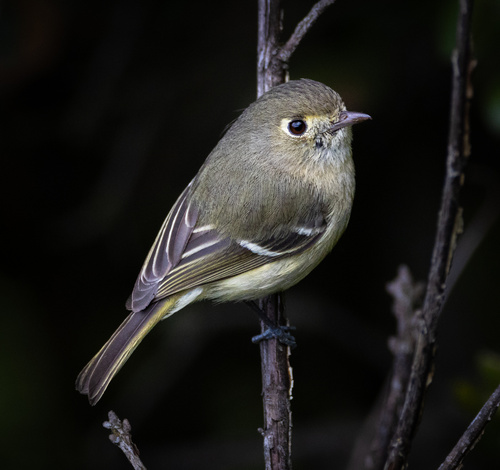
スナイロモズモドキ (Vireo huttoni) スナイロモズモドキ
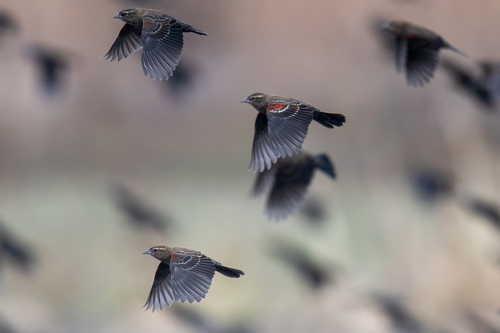
サンショクハゴロモガラス (Agelaius tricolor) サンショクハゴロモガラス

メディア

読み込み中…

要点

スナイロモズモドキとTricolored Blackbirdを区別する最も信頼できる方法は、全体の構造と羽色によるものです。スナイロモズモドキは小さく、コンパクトでオリーブグリーンの歌鳥で、2つの淡い翼帯と壊れたアイリングを持っています。一方、Tricolored Blackbirdははるかに大きく、細長い黒鳥で、光沢のある黒い羽色(オス)または縞模様の茶色(メス/幼鳥)を持ち、特徴的な赤と白の肩の斑点(成鳥のオス)があります。短くて太いくちばし、オリーブ色のトーン、翼帯を持つ鳥を見たら、それはスナイロモズモドキです。特に赤い肩を持つ、群れの中の長脚で長尾の黒い鳥はTricolored Blackbirdです。幼鳥や未成熟の羽色については、これらのメモでは詳細に説明されていませんが、ビレオの小さなサイズと翼帯は常に存在し、黒鳥のサイズ、群れを作る習性、翼帯の欠如は常に一定です。生息地と行動も役立ちます:ビレオは森林の樹冠の中で孤独または混合群れで見られ、黒鳥は群れを作り、しばしば開けた野原や湿地にいます。

識別のコツ

  1. サイズは主要な手がかり:スナイロモズモドキは小さくてコンパクト(スズメサイズ)ですが、Tricolored Blackbirdははるかに大きくてずんぐりした体型(スターリングや小型のカラスに近い)です。
  2. 翼帯とアイリング:スナイロモズモドキは常に2つの淡い翼帯と壊れた淡いアイリングを示し、年齢や季節に関係なくそうです。Tricolored Blackbirdはどの年齢でも翼帯やアイリングを示しません。
  3. くちばしの形:ビレオは短くて太く、わずかにフック状のくちばしを持ち、昆虫をつかむのに適しています。黒鳥は長くて尖ったくちばしを持ち、種子や昆虫を食べるのに適しています。
  4. 羽色:スナイロモズモドキは上面がオリーブグリーンで、下部は淡い色合いと微妙な黄色の洗いがかかっています。Tricolored Blackbirdのオスは光沢のある黒で、赤と白の肩の斑点を持ち、メスや幼鳥は茶色がかりで縞模様ですがオリーブ色のトーンはありません。
  5. 性差:スナイロモズモドキのオスとメスは同じです。Tricolored Blackbirdのオスとメスは非常に異なり(オスは赤と白の肩を持つ黒、メスは茶色で縞模様)、見た目が異なります。
  6. 群れ:ビレオは孤独または小さなグループで、しばしば他の小鳥と一緒にいます。Tricolored Blackbirdsはほぼ常に大きくて騒がしい群れで見られ、特に繁殖期以外ではそうです。
  7. 生息地:ビレオは森林や樹冠にいます。黒鳥は開けた野原、湿地、農業地域にいます。
  8. 止まり方:スナイロモズモドキは直立して止まり、しばしば葉の中に隠れています。Tricolored Blackbirdはより水平に止まり、しばしば葦やワイヤー、フェンスの上に露出しています。
  9. 飛行スタイル:ビレオの飛行は短く、弱く、ひらひらしています。黒鳥の飛行はより強く、深い翼の打撃と長い滑空があります。
  10. 鳴き声:ビレオは鼻にかかった繰り返しの歌を歌います。黒鳥は厳しい金属的な鳴き声を出し、ビレオのように歌いません。
  11. 幼鳥/未成熟の混同:幼鳥や未成熟の羽色でも、ビレオの翼帯とアイリングは存在しますが、黒鳥の幼鳥は茶色で縞模様ですが、翼帯やアイリングは決して示しません。
  12. 文脈:木の中で一羽の小さなオリーブ色の鳥を見たら、ビレオを考えてください。野原で群れの中にいる大きな黒または茶色の鳥を見たら、黒鳥を考えてください。
  13. 亜種の変異:スナイロモズモドキは地域によってオリーブ/黄色の強度が異なりますが、常に同じ基本的なパターンを保持します。Tricolored Blackbirdはフィールドマークにおいて地域的にあまり変化しません。
  14. 脚の色:ビレオは青灰色から暗灰色の脚を持っています。黒鳥の脚は暗いですが、サイズや文脈の違いにより、これはあまり役立つフィールドマークではありません。
  15. 誤認識:最も一般的な混同は、鈍いビレオとメス/未成熟の黒鳥です。ビレオの翼帯とアイリングは黒鳥には決して存在しないことを覚えておいてください。

大きさ

スナイロモズモドキははるかに小さく、全長10〜12 cm、体重は9〜15 gです [wikipedia]。Tricolored Blackbirdはかなり大きく、典型的な黒鳥のプロポーションを持っています(ここでは正確な測定値は示されていませんが、視覚的にビレオよりもはるかに大きく、重いです)。フィールドでは、ビレオはコンパクトでスズメサイズに見えますが、黒鳥はサイズ的にスターリングや小型のカラスに近いです。このサイズの違いは、距離があっても明らかです。

羽色

すべての年齢において、スナイロモズモドキはオリーブ色の上面、2つの淡い黄色の翼帯、壊れた淡いアイリング、そして淡い下部に黄色の洗いを示します。これらの特徴は亜種間で一貫していますが、オリーブと黄色の強度は地理的に異なります。Tricolored Blackbirdの成鳥のオスは光沢のある黒で、明るい赤の肩の斑点が下に白で縁取られています。メスと幼鳥は茶色がかりで縞模様ですが、翼帯やアイリングはありません。どちらの種についても詳細な幼鳥や初冬の上翼パターンは提供されていませんが、ビレオの翼帯とアイリングは年間を通じてすべての羽色で存在し、黒鳥は決して翼帯やアイリングを示しません。飛行中、ビレオの小さく丸い翼と短い尾は、黒鳥の長くて広い翼と長い尾と対照的です。

行動

スナイロモズモドキは、サブキャノピーやキャノピーでゆっくりと体系的に採餌し、しばしば孤独または小さな混合種の群れで見られ、葉や枝の間を慎重に移動します。地面で見られることはまれで、動きは一般的に静かです。Tricolored Blackbirdは非常に群居性が高く、特に繁殖期には大きくて騒がしい群れで見られます。開けた野原、湿地、または農業地域で地面や低い植生で餌を探し、はるかに目立ち、活発です。黒鳥の群れを作る行動や葦やワイヤーに止まる傾向は、強い行動の手がかりです。

生息環境

スナイロモズモドキは、特にオークや混合常緑樹林の森林や樹木の生息地に見られ、南西カナダからグアテマラまで分布しています。サブキャノピーやキャノピーを好み、開けた野原や湿地に出ることはまれです。Tricolored Blackbirdは太平洋沿岸地域、主にカリフォルニアに限定され、湿地、農業地、酪農場などの開けた生息地に強く関連しています。密な植生や作物の中にコロニーを作り、森林や林地ではめったに見られません。したがって、木の中にいる小さなオリーブ色の鳥はビレオである可能性が高く、開けた土地にいる黒鳥はほぼ確実にTricolored Blackbirdです。

声

スナイロモズモドキは単調で鼻にかかった、ウィーズィーな二音節の歌("zu-wee... zu-wee...")を歌い、時には下降するか混合したフレーズを持ち、粗い叱責の鳴き声を出します。この歌は変動がありますが、常にビレオの音楽的でない鼻にかかった特質を持っています。Tricolored Blackbirdの鳴き声はこれらのメモでは説明されていませんが、黒鳥として、通常は厳しい金属的またはおしゃべりの鳴き声を出し、ビレオの歌とは非常に異なります。もし森林の隠れた止まり木から繰り返される鼻にかかったビレオのような歌が聞こえたら、それはスナイロモズモドキです。野原での騒がしいおしゃべりの群れはTricolored Blackbirdです。

より良い説明を送る

比較と同じ項目を使ってください。文章はすぐに公開されます。

The most reliable way to separate Hutton's Vireo from Tricolored Blackbird is by overall structure and plumage: Hutton's Vireo is a small, compact, olive-green songbird with two pale wingbars and a broken eye-ring, while Tricolored Blackbird is a much larger, lanky blackbird with glossy black plumage (males) or streaky brown (females/immatures) and a distinctive red-and-white shoulder patch (adult males). If you see a bird with a short, thick bill, olive tones, and wingbars, it's Hutton's Vireo; a long-legged, long-tailed black bird in a flock, especially with a red shoulder, is Tricolored Blackbird. Juvenile and immature plumages are not described in detail for either species in these notes, but the vireo's small size and wingbars are always present, while the blackbird's size, flocking, and lack of wingbars are constant. Habitat and behavior also help: vireos are solitary or in mixed flocks in woodland canopy, blackbirds are gregarious and often in open fields or marshes.

  1. Size is a primary clue: Hutton's Vireo is tiny and compact (sparrow-sized), while Tricolored Blackbird is much larger and bulkier (closer to a starling or small crow).
  2. Wingbars and eye-ring: Hutton's Vireo always shows two pale wingbars and a broken, pale eye-ring, regardless of age or season. Tricolored Blackbird never shows wingbars or an eye-ring at any age.
  3. Bill shape: The vireo has a short, thick, slightly hooked bill, suited for picking insects; the blackbird has a longer, pointed bill typical of icterids, suited for seeds and insects.
  4. Plumage color: Hutton's Vireo is olive-green above with pale underparts and subtle yellowish wash; Tricolored Blackbird males are glossy black with a red-and-white shoulder patch, females/immatures are brownish and streaked but lack olive tones.
  5. Sexual dimorphism: Hutton's Vireo sexes are identical; Tricolored Blackbird males and females look very different (males black with red/white shoulder, females brown and streaky).
  6. Flocking: Vireos are solitary or in small groups, often with other small birds; Tricolored Blackbirds are almost always in large, noisy flocks, especially outside the breeding season.
  7. Habitat: Vireos are in woodland or forest canopy; blackbirds are in open fields, marshes, or agricultural areas.
  8. Perched posture: Hutton's Vireo perches upright, often hidden among leaves; Tricolored Blackbird perches more horizontally, often exposed on reeds, wires, or fences.
  9. Flight style: Vireo flight is short, weak, and fluttery; blackbird flight is stronger, with deeper wingbeats and longer glides.
  10. Vocalization: Vireo sings a nasal, repetitive song; blackbird gives harsh, metallic calls and does not sing like a vireo.
  11. Juvenile/immature confusion: Even in juvenile or immature plumages, the vireo's wingbars and eye-ring are present, while the blackbird's young are streaky brown but never show wingbars or eye-rings.
  12. Context: If you see a small olive bird alone in a tree, think vireo; if you see a large black or brown bird in a flock in a field, think blackbird.
  13. Subspecies variation: Hutton's Vireo varies in olive/yellow intensity by region, but always keeps the same basic pattern; Tricolored Blackbird does not vary much regionally in field marks.
  14. Leg color: Vireo has blue-gray to dark gray legs; blackbird's legs are dark, but this is rarely a useful field mark due to size and context differences.
  15. Mistaken identity: The most common mix-up is a dull vireo vs. a female/immature blackbird; remember the vireo's wingbars and eye-ring are never present on blackbirds.

Hutton's Vireo is much smaller, measuring 10–12 cm in length and weighing 9–15 g [wikipedia]. Tricolored Blackbird is significantly larger, with typical blackbird proportions (exact measurements not given here, but visually much bigger and heavier than any vireo). In the field, the vireo looks compact and sparrow-sized, while the blackbird is closer to a starling or small crow in size. This size difference is obvious even at a distance.

For all ages, Hutton's Vireo shows olive upperparts, two pale yellowish wingbars, a broken pale eye-ring, and pale underparts with a yellowish wash. These features are consistent across subspecies, though the intensity of olive and yellow varies geographically. Tricolored Blackbird adult males are glossy black with a bright red shoulder patch bordered below by white; females and immatures are brownish and streaked, lacking wingbars or eye-rings. No detailed juvenile or first-winter upperwing pattern is provided for either species, but the vireo's wingbars and eye-ring are present year-round and in all plumages, while the blackbird never shows wingbars or an eye-ring. In flight, the vireo's small, rounded wings and short tail contrast with the blackbird's longer, broader wings and longer tail.

Hutton's Vireo forages slowly and methodically in the subcanopy or canopy, often alone or in small mixed-species flocks, moving deliberately among leaves and branches. It is rarely seen on the ground and is generally quiet in its movements. Tricolored Blackbird is highly gregarious, often seen in large, noisy flocks, especially during the breeding season. It feeds in open fields, marshes, or agricultural areas, often on the ground or in low vegetation, and is much more conspicuous and active. The blackbird's flocking behavior and tendency to perch on reeds or wires is a strong behavioral clue.

Hutton's Vireo is found in woodland and forested habitats, especially in oak and mixed evergreen forests, from southwestern Canada to Guatemala. It prefers the subcanopy and canopy, rarely venturing into open fields or marshes. Tricolored Blackbird is limited to the Pacific coastal region, mainly California, and is strongly associated with open habitats such as marshes, agricultural fields, and dairy farms. It nests in colonies in dense vegetation or crops and is rarely found in forests or woodlands. Thus, a small olive bird in trees is likely a vireo, while a blackbird in open country is almost certainly a Tricolored Blackbird.

Hutton's Vireo sings a monotonous, nasal, wheezy two-syllable song ("zu-wee... zu-wee..."), sometimes with descending or mixed phrases, and gives hoarse, scolding calls. The song is variable but always has the vireo's unmusical, nasal quality. Tricolored Blackbird's vocalizations are not described in these notes, but as a blackbird, it typically gives harsh, metallic, or chattering calls, very different from the vireo's song. If you hear a repeated, nasal, vireo-like song from a hidden perch in woodland, it's Hutton's Vireo; a noisy, chattering flock in a field is Tricolored Blackbird.

変更を破棄しますか?

保存していない編集があります。今離れると失われます。

スナイロモズモドキ · サンショクハゴロモガラス · 苦手な鳥