

Motmot

イエスズメ 対 スペインスズメ

Passer domesticus 対 Passer hispaniolensis

イエスズメとスペインスズメのクイズ
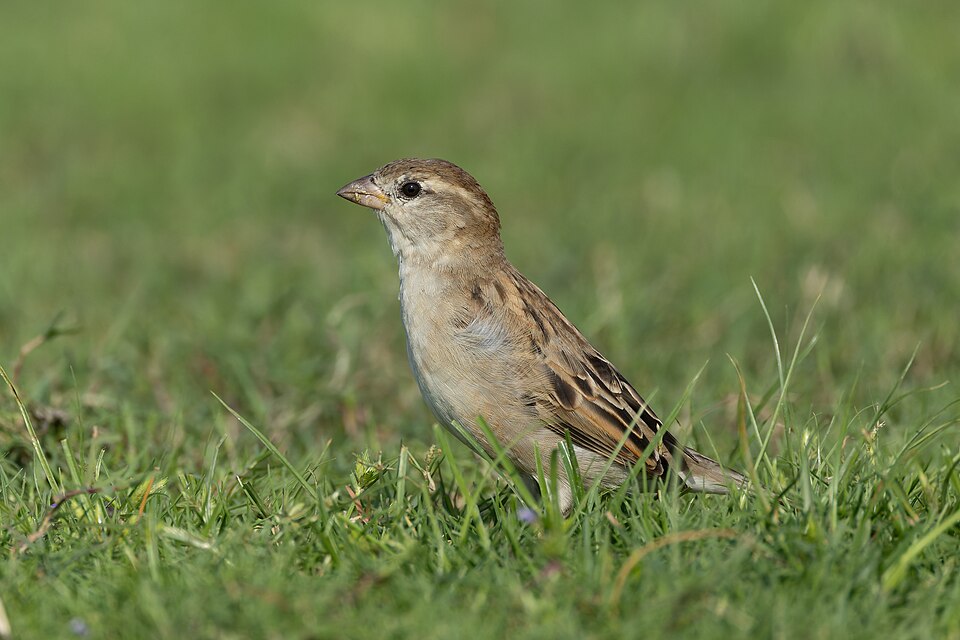
イエスズメ (Passer domesticus) イエスズメ
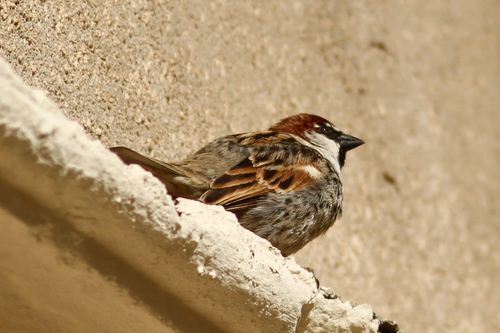
スペインスズメ (Passer hispaniolensis) スペインスズメ

メディア

読み込み中…

要点

イエスズメとスペインスズメのオスを区別するための最も信頼できるフィールドマークは、腹部のパターンです:スペインスズメのオスは常に脇腹と腹部に太い黒い縞模様を示し、イエスズメのオスは無地の灰色または白っぽい腹部を持っています。さらに、スペインスズメのオスは豊かな栗色の冠と白い頬を持っているのに対し、イエスズメのオスは灰色の冠と灰色の頬を示します。雌と幼鳥は非常に似ているため、両種の間でほぼ同一であり、フィールドで区別することができません。構造とサイズは微妙な手がかりを提供しますが、スペインスズメはわずかに大きく重いですが、直接比較なしではほとんど役に立ちません。生息地と文脈は役立つかもしれません。スペインスズメは開けた農地や湿った生息地にいる可能性が高く、イエスズメは都市部を支配しています。

識別のコツ

  1. Male underparts: スペインスズメのオスは常に脇腹と腹部に太い黒い縞模様を示します;イエスズメのオスは無地の灰色または白っぽい腹部を持っています。これは成鳥のオスにおいて最も信頼できるフィールドマークです。
  2. Crown color (male): スペインスズメのオスはくちばしからうなじまで続く豊かな栗色の冠を持っています。イエスズメのオスは頭の側面にのみ栗色を持つ灰色の冠を持っています。
  3. Cheek color (male): スペインスズメのオスは白い頬を持っています;イエスズメのオスは灰色の頬を持っています。これは良い光の下で最もよく見えます。
  4. Bill structure: スペインスズメはイエスズメよりもわずかに長くて太いくちばしを持っていますが、これは微妙で、直接比較なしでは診断的ではありません。
  5. Female and juvenile plumage: 両種の雌と幼鳥は非常に似ており、灰褐色で淡い腹部と淡い眉斑を持っています。スペインスズメの雌は側面と背中にわずかに目立つ縞模様を示すことがありますが、これはフィールドでの識別には信頼できません。
  6. Juvenile confusion: 幼鳥のイエスズメは羽毛の端が広くてぼさぼさしていることがありますが、これはスペインスズメの幼鳥との一貫した区別ではありません。両者は成鳥と一緒に見ない限り、種を特定するのは最良ではありません。
  7. Hybrid zones: 地中海地域では、ハイブリダイゼーションが発生し、中間的な特徴を持つ鳥が生じることがあります。縞模様の腹部と灰色の冠を持つ鳥には注意してください。
  8. Habitat context: イエスズメは都市環境にいる可能性が高いですが、スペインスズメは開けた農地や湿った生息地を好みます。しかし、両者は重なることがあり、イエスズメがいない場所ではスペインスズメが都市にいることもあります。
  9. Vocalizations: 鳴き声は非常に似ています;スペインスズメの大きく、高音のディスプレイコールだけが特徴的で、これも微妙です。
  10. Size: スペインスズメはわずかに大きくて重いですが、これは実用的なフィールドマークではありません。
  11. Seasonal variation: 新しい冬羽では、いくつかのスペインスズメの亜種(例:P. h. transcaspicus)は、栗色が少なくてより淡く見えることがありますが、主要なフィールドマーク(縞模様の腹部、栗色の冠、白い頬)は残ります。
  12. Flock composition: 重なり合うゾーンでは混合群れが発生することがあります;各オスを注意深く確認してください。雌と幼鳥は安全に区別できません。
  13. Do not rely on single marks: 常に成鳥のオスにおいて、腹部の縞模様、冠、頬の色の組み合わせを使用してください。雌と幼鳥は、知られている成鳥と一緒でない限り、特定しないのが最良です。
  14. Flight views: どの年齢や性別においても、上翼や飛行パターンの違いは記載されていません;区別は羽毛と構造に依存します。
  15. Geographic context: 地中海、南西アジア、または中央アジアの外にいる場合、スペインスズメはありそうにありません;イエスズメはほぼ全世界に分布しています。

大きさ

スペインスズメはイエスズメよりもわずかに大きくて重く、長さは15〜16 cm、質量は22〜36 gで、イエスズメの典型的な長さは16 cm、平均質量は30.5 gです。違いは微妙で、通常はフィールドで明らかではありません。スペインスズメはまた、わずかに長くて太いくちばしを持っていますが、これは優れた視界がない限り強いフィールドマークではありません。

羽色

成鳥のオスの場合、羽毛の違いは際立っています:スペインスズメのオスは腹部に太い黒い縞模様を持ち、栗色(灰色ではない)冠と白い(灰色ではない)頬を持っています。イエスズメのオスは無地の灰色または白っぽい腹部、灰色の冠、灰色の頬を持っています。雌と幼鳥の場合、両種は非常に似ており、全体的に灰褐色で淡い腹部と淡い眉斑を持っています。スペインスズメの雌は側面と背中にわずかに目立つ縞模様を示すことがありますが、これは微妙で信頼できません。両種の幼鳥は成鳥の雌に似ており、彼らを区別するための信頼できるフィールドマークはありません。どちらの種についても、年齢特有の上翼や飛行マークは記載されていません。

行動

両種は似たように行動し、群れで見られ、地面で餌を食べることがよくあります。スペインスズメは開けた農地や湿った生息地に関連付けられる傾向がありますが、イエスズメはより都市的で共生的です。重なり合う地域では、両者が一緒に見られることがあり、時には混合群れを形成することもあります。フィールドでの区別を助けるような主要な行動の違いはありません。

生息環境

イエスズメはコスモポリタンで、人間の居住地、町、都市と強く関連しています。スペインスズメは主に地中海、南西アジア、中央アジアに見られ、開けた農地、耕作された地域、湿った生息地を好みます。両者が生息する地域では、スペインスズメは都市部が少なく、より田舎にいますが、イエスズメがいない場所(いくつかの島など)では町にも見られることがあります。生息地は手がかりを提供することがありますが、重なり合う地域では決定的ではありません。

声

両種の呼び声と歌は非常に似ており、微妙な違いがあります。スペインスズメのオスは巣でのディスプレイ時に大きく、高音の二音節の呼び声(「チュイング-チュイング」または「チーラ-チーリ」)を出しますが、他の呼び声はイエスズメの馴染みのある「チルプ」に非常に似ています。実際には、声の違いはわずかで、両種に非常に慣れていない限り、区別するのは信頼できません。

より良い説明を送る

比較と同じ項目を使ってください。文章はすぐに公開されます。

The most reliable field mark for separating House Sparrow and Spanish Sparrow males is the underpart pattern: Spanish Sparrow males always show bold black streaks on the flanks and belly, while House Sparrow males have plain grey or whitish underparts. In addition, Spanish Sparrow males have a rich chestnut crown and white cheeks, whereas House Sparrow males show a grey crown and grey cheeks. Females and juveniles are much trickier, as they are nearly identical in both species and can be inseparable in the field. Structure and size offer only subtle clues, with Spanish Sparrow being slightly larger and heavier, but this is rarely useful without direct comparison. Habitat and context may help, as Spanish Sparrow is more likely in open farmland and moister habitats in its range, while House Sparrow dominates urban areas.

  1. Male underparts: Spanish Sparrow males always show bold black streaking on the flanks and belly; House Sparrow males have plain grey or whitish underparts. This is the single most reliable field mark in adult males.
  2. Crown color (male): Spanish Sparrow males have a rich chestnut crown extending from the bill to the nape. House Sparrow males have a grey crown with chestnut only on the sides of the head.
  3. Cheek color (male): Spanish Sparrow males have white cheeks; House Sparrow males have grey cheeks. This is best seen in good light.
  4. Bill structure: Spanish Sparrow has a slightly longer and stouter bill than House Sparrow, but this is subtle and rarely diagnostic without direct comparison.
  5. Female and juvenile plumage: Females and juveniles of both species are extremely similar—grey-brown overall with pale underparts and a pale supercilium. Spanish Sparrow females may show slightly more pronounced streaking on the sides and back, but this is not reliable for field identification.
  6. Juvenile confusion: Juvenile House Sparrows can be scruffier with broader buff feather edges, but this is not a consistent separation from Spanish Sparrow juveniles. Both are best left unidentified to species unless seen with adults.
  7. Hybrid zones: In Mediterranean regions, hybridization can occur, producing birds with intermediate features. Be cautious with any bird showing a mix of streaked underparts and grey crown.
  8. Habitat context: House Sparrow is more likely in urban settings; Spanish Sparrow prefers open farmland and moister habitats. However, both can overlap, and Spanish Sparrow can be urban where House Sparrow is absent.
  9. Vocalizations: Calls are very similar; only the Spanish Sparrow's louder, higher-pitched display call is distinctive, and even this is subtle.
  10. Size: Spanish Sparrow is marginally larger and heavier, but this is not a practical field mark unless birds are side by side.
  11. Seasonal variation: In fresh winter plumage, some Spanish Sparrow subspecies (e.g., P. h. transcaspicus) can appear paler with less chestnut, but the main field marks (streaked underparts, chestnut crown, white cheeks) remain.
  12. Flock composition: Mixed flocks can occur in overlap zones; check each male carefully, as females and juveniles are not safely separated.
  13. Do not rely on single marks: Always use a combination of underpart streaking, crown, and cheek color in adult males. Females and juveniles are best left unidentified unless with known adults.
  14. Flight views: No distinctive upperwing or flight pattern differences are described for any age or sex; separation relies on plumage and structure.
  15. Geographic context: If outside the Mediterranean, southwest, or central Asia, Spanish Sparrow is unlikely; House Sparrow is nearly worldwide.

Spanish Sparrow is slightly larger and heavier than House Sparrow, with a length of 15–16 cm and mass of 22–36 g, compared to House Sparrow's typical 16 cm length and 30.5 g average mass. The difference is subtle and not usually apparent in the field unless birds are side by side. Spanish Sparrow also has a slightly longer and stouter bill, but this is not a strong field mark unless you have excellent views.

For adult males, plumage differences are striking: Spanish Sparrow males have bold black streaks on the underparts, a chestnut (not grey) crown, and white (not grey) cheeks. House Sparrow males have plain grey or whitish underparts, a grey crown, and grey cheeks. For females and juveniles, both species are very similar: overall grey-brown with pale underparts and a pale supercilium. Spanish Sparrow females may show slightly bolder streaking on the sides and back, but this is subtle and unreliable. Juveniles of both species resemble adult females, and there are no reliable field marks to separate them. No distinctive age-specific upperwing or flight marks are described for either species.

Both species behave similarly, often seen in flocks and feeding on the ground. Spanish Sparrow tends to be more associated with open farmland and moist habitats, while House Sparrow is more urban and synanthropic. In areas of overlap, both may be found together, sometimes forming mixed flocks. No major behavioral differences are noted that aid field separation.

House Sparrow is cosmopolitan and strongly associated with human settlements, towns, and cities. Spanish Sparrow is found mainly in the Mediterranean, southwest and central Asia, and prefers open farmland, cultivated areas, and moister habitats. In regions where both occur, Spanish Sparrow is less urban and more rural, but in the absence of House Sparrow (such as on some islands), it can also be found in towns. Habitat can provide a clue, but is not definitive in areas of overlap.

The calls and songs of both species are very similar, with only subtle differences. Spanish Sparrow males give a louder, higher-pitched disyllabic call ("chweeng-chweeng" or "cheela-cheeli") when displaying at the nest, but their other calls closely resemble the House Sparrow's familiar "tschilp." In practice, vocal differences are slight and not reliable for separation unless you are very familiar with both species.

変更を破棄しますか?

保存していない編集があります。今離れると失われます。

イエスズメ · スペインスズメ · 苦手な鳥