

Motmot

オウギアイサ 対 ウミアイサ

Lophodytes cucullatus 対 Mergus serrator

オウギアイサとウミアイサのクイズ
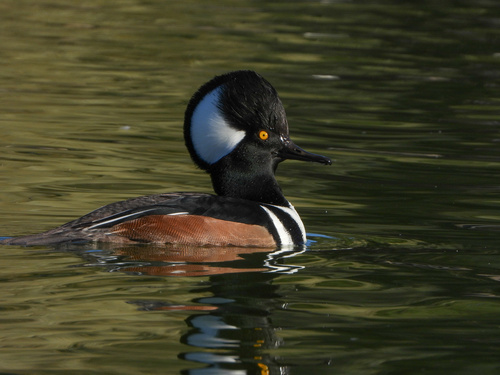
オウギアイサ (Lophodytes cucullatus) オウギアイサ
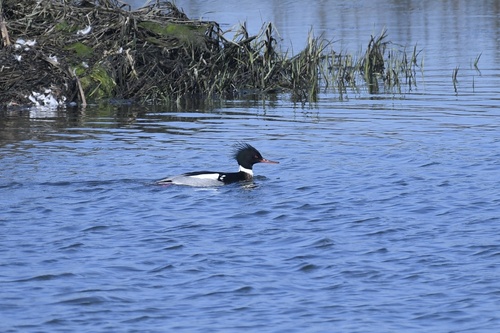
ウミアイサ (Mergus serrator) ウミアイサ

メディア

読み込み中…

要点

オウギアイサとウミアイサの最も信頼できるフィールドマークは、独特の頭部と冠の形状です:オウギアイサは大胆で扇形の冠を示し(特にオスで)、ウミアイサはとげとげしく、ぼさぼさの冠を持っています。幼鳥と雌の羽毛は混乱を招くことがありますが、くちばしの色と形、冠の構造、サイズが重要です。飛行中、両者は翼に白を示しますが、パターンと範囲は年齢によって微妙に異なります。ウミアイサははるかに大きく、体が長く、くちばしが細く長いです。特に遠くから見るときや混合群れの中で鳥を観察する際には、オウギアイサのコンパクトな体型と独特の頭の形を常に確認してください。

識別のコツ

  1. Crest shape: オウギアイサは大胆で扇形の冠を持ち(特にオスで、両性および年齢で見られます)、ウミアイサの冠は長く、とげとげしく、ぼさぼさです。これは、どんな距離でも最も迅速なフィールドの手がかりです。
  2. Bill structure and color: オウギアイサは短く、細い、暗いくちばしを持っています;ウミアイサのくちばしは長く、細く、明確に赤いです(ただし、色は遠くからは見えにくいことがあります)。ウミアイサのくちばしはさらに細く、ダガーのようです。
  3. Size and shape: ウミアイサははるかに大きく、体が長く、相対的に長い首とくちばしを持っています。オウギアイサはコンパクトで、短い首を持ち、水面で高く座ります。
  4. Male breeding plumage: オウギアイサのオスは、冠に大きな白い斑点、黒い頭と首、栗色の側面、そして大胆な白い胸の縞を示します。ウミアイサのオスは暗緑色の頭、とげとげしい冠、白い首、さび色の胸、黒い背中、そして白い腹部を持っています。繁殖羽毛でさび色の胸を持つのはウミアイサだけです。
  5. Female/immature plumage: オウギアイサの雌はコンパクトで丸みを帯びた赤褐色の冠と、下胸と腹部に狭い白い斑点を持っています。ウミアイサの雌はとげとげしいさび色の冠と、より均一なさび色の頭を持ち、鋭い白い胸の斑点がありません。
  6. Eye color: 雌のオウギアイサは茶色の目を持っています;オスは最初の冬に黄色の目を発達させます。ウミアイサの成鳥は赤い目を持っています(両性)、ただしこれは微妙に見えることがあります。
  7. Wing pattern in flight: オウギアイサは三次羽の沿いに狭い白い縞を示します(これは休んでいるときに背中の線のように見えることがあります);ウミアイサは、特に飛行中に明らかに見える広い白い翼の斑点を持っています。幼鳥のオウギアイサは成鳥よりも狭い白い三次羽の縁を持っています。
  8. Jizz in flight: ウミアイサは飛行中に長く、スリムで、流線型に見え、長い首と前方に突き出たくちばしを持っています。オウギアイサはコンパクトで素早く、短い首と丸い頭を持っています。
  9. Habitat context: オウギアイサは小さな森林の池や川にいる可能性が高いです;ウミアイサは大きな湖、湾、または塩水にいる可能性が高いです。
  10. Group behavior: ウミアイサはしばしば大きな群れで集まり、特に開けた水面で、同期した求愛行動を示すことがあります。オウギアイサは通常、小さな群れやペアでいます。
  11. Seasonal confusion: 非繁殖期には、オウギアイサのオスは雌に似ていますが、黄色の目とよりコンパクトな冠を保持します。ウミアイサのオスは大胆な色をいくつか失いますが、とげとげしい冠と細いくちばしを維持します。
  12. Juvenile confusion: 幼鳥のオウギアイサは灰褐色の首と上面を持ち、成鳥よりも狭い白い三次羽の縁を持っています;ウミアイサの幼鳥は成鳥よりも短い冠と小さな白い翼の斑点を持っています。
  13. Perched posture: オウギアイサは水面で高く座り、より直立した姿勢を持っています;ウミアイサは低く、より細長く見え、しばしばくちばしを少し上向きに持っています。
  14. Bill serrations: 両者は鋸のようなくちばしを持っていますが、これはフィールドではほとんど見えず、実用的な分離点ではありません。
  15. When in doubt: 特に遠くからまたは逆光の鳥を観察する際には、微妙な羽毛のマークに頼る前に、冠の形、くちばしの長さ、全体のサイズ/形に焦点を当ててください。

大きさ

ウミアイサはオウギアイサ(通常450–880 g)よりもかなり大きく、重いです(成鳥の質量は約1020 g)。ウミアイサは長さ51–64 cm、翼幅66–74 cmの平均で、オウギアイサは長さ40–49 cm、翼幅60–66 cmです。フィールドでは、ウミアイサは長い首とより細長く見え、相対的に長く細いくちばしを持っています。オウギアイサはコンパクトで短い首を持ち、目に見えて小さく、並べて見るとしばしば華奢に見えます。

羽色

行動

両種は鋸のようなくちばしを使って魚を捕るために潜りますが、ウミアイサはより大きく、開けた水面で見られる可能性が高く、しばしば沿岸または塩水の生息地にいます。また、ウミアイサは迅速で強力な飛行者です。オウギアイサはより小さな森林の池や川で見られることが多いです。ウミアイサのオスは、首を伸ばし、冠を広げる精巧で同期した求愛行動を行います;オウギアイサのオスも冠を見せますが、群れでのパフォーマンスは控えめです。

生息環境

オウギアイサは通常、森林の淡水池、川、小さな湖に見られ、しばしば岸に近く、保護された場所にいます。ウミアイサは、特に沿岸の湾、河口、大きな湖などの大きな水域を好み、塩水で定期的に冬を越す北アメリカの唯一のアイサです。重複はありますが、文脈が助けになります:小さな森林の池はオウギアイサをホストする可能性が高く、波立った開けた水面や塩水はウミアイサを持つ可能性が高いです。

より良い説明を送る

比較と同じ項目を使ってください。文章はすぐに公開されます。

The most reliable field mark between Hooded Merganser and Red-breasted Merganser is the unique head and crest shape: Hooded Merganser shows a bold, fan-shaped crest (especially in males), while Red-breasted Merganser has a spiky, shaggy crest. Juvenile and female plumages can be confusing, but bill color and shape, crest structure, and size are key. In flight, both show white in the wing, but the pattern and extent differ subtly by age. Red-breasted Merganser is much larger and longer-bodied, with a thinner, longer bill. Always check for the Hooded Merganser’s compact build and distinctive head shape, especially when viewing birds at a distance or in mixed flocks.

  1. Crest shape: Hooded Merganser has a bold, fan-shaped crest (especially in males, but visible in both sexes and ages), while Red-breasted Merganser’s crest is long, spiky, and shaggy. This is often the quickest field clue at any distance.
  2. Bill structure and color: Hooded Merganser has a short, thin, dark bill; Red-breasted Merganser’s bill is longer, thinner, and distinctly red (though color may be hard to see at distance). The bill of Red-breasted is also more slender and dagger-like.
  3. Size and shape: Red-breasted Merganser is much larger and longer-bodied, with a proportionally longer neck and bill. Hooded Merganser is compact, short-necked, and sits higher in the water.
  4. Male breeding plumage: Hooded Merganser males show a large white patch on the crest, black head and neck, chestnut flanks, and bold white breast stripes. Red-breasted Merganser males have a dark green head, spiky crest, white neck, rusty breast, and white underparts. Only Red-breasted has the rusty breast in breeding plumage.
  5. Female/immature plumage: Hooded Merganser females have a compact, rounded, reddish-brown crest and a narrow white patch on the lower breast and belly. Red-breasted Merganser females have a spiky, rusty crest and a more uniform rusty head, lacking the sharp white breast patch.
  6. Eye color: Female Hooded Mergansers have brown eyes; males develop yellow eyes in their first winter. Red-breasted Merganser adults have red eyes (both sexes), but this can be subtle in the field.
  7. Wing pattern in flight: Hooded Merganser shows narrow white stripes along the tertials (which can look like lines on the back at rest); Red-breasted Merganser has a broader white wing patch, especially obvious in flight. Juvenile Hooded Mergansers have narrower white tertial edges than adults.
  8. Jizz in flight: Red-breasted Merganser appears longer, sleeker, and more streamlined in flight, with a long neck and bill projecting forward. Hooded Merganser is compact and quick, with a short neck and rounder head.
  9. Habitat context: Hooded Merganser is more likely in small, wooded ponds and rivers; Red-breasted Merganser is more likely on large lakes, bays, or saltwater.
  10. Group behavior: Red-breasted Mergansers often gather in larger flocks, especially on open water, and may display synchronized courtship. Hooded Mergansers are usually in smaller groups or pairs.
  11. Seasonal confusion: In nonbreeding season, male Hooded Mergansers resemble females but retain yellow eyes and a more compact crest. Red-breasted Merganser males lose some of their bold coloring but maintain the spiky crest and thin bill.
  12. Juvenile confusion: Juvenile Hooded Mergansers have a gray-brown neck and upperparts, and narrower white tertial edges; Red-breasted juveniles have a shorter crest and smaller white wing patches than adults.
  13. Perched posture: Hooded Merganser often sits higher in the water, with a more upright posture; Red-breasted Merganser appears lower, more elongated, and often with the bill held slightly upward.
  14. Bill serrations: Both have saw-like bills, but this is rarely visible in the field and not a practical separation point.
  15. When in doubt: Focus on crest shape, bill length, and overall size/shape before relying on subtle plumage marks, especially with distant or backlit birds.

Red-breasted Merganser is substantially larger and heavier (adult mass ~1020 g) than Hooded Merganser (typically 450–880 g). Red-breasted averages 51–64 cm in length with a 66–74 cm wingspan, while Hooded Merganser is 40–49 cm long with a 60–66 cm wingspan. In the field, Red-breasted appears longer-necked and more elongated, with a proportionally longer and thinner bill. Hooded Merganser is compact, short-necked, and noticeably smaller, often looking daintier when side-by-side.

  • Juvenile/immature birds: Hooded Merganser first-winter birds have a gray-brown neck and upperparts, with narrower white edges to the tertials than adults; adult females have much darker (nearly black) upperparts. Red-breasted Merganser juveniles resemble females but have a shorter crest and slightly smaller white wing patches. Both species show white in the wing, but Hooded Merganser’s white tertial stripes are narrow and can look like longitudinal lines on the back when perched, while Red-breasted’s white wing patch is broader and more obvious in flight.

  • Adult males (breeding): Hooded Merganser males are striking with a black head and neck, large white fan-shaped crest patch, chestnut flanks, and bold white breast stripes. Red-breasted Merganser males have a dark greenish head with a spiky crest, white neck, rusty breast, black back, and white underparts. The red breast is unique to Red-breasted in breeding plumage.

  • Adult females: Both are brownish with a rusty or reddish crest, but Hooded Merganser females have a compact, rounded crest and a narrow white patch on the lower breast and belly; Red-breasted females have a spiky, unkempt crest and a more uniform rusty head. Hooded Merganser females have brown eyes, while Red-breasted females have red eyes (though this can be hard to see at distance).

Both species dive for fish using serrated bills, but Red-breasted Merganser is more likely to be seen in larger, more open water, often in coastal or saltwater habitats, and is a rapid, strong flyer. Hooded Merganser is more often found in smaller, wooded ponds and rivers. Red-breasted Merganser males perform elaborate, synchronized courtship displays with neck stretching and crest fanning; Hooded Merganser males also display their crest but are less flamboyant in group displays.

Hooded Merganser is typically found in wooded freshwater ponds, rivers, and small lakes, often close to shore and in sheltered areas. Red-breasted Merganser favors larger bodies of water, especially coastal bays, estuaries, and large lakes, and is the only North American merganser that regularly winters on saltwater. Overlap occurs, but context can help: a small, wooded pond is more likely to host Hooded, while choppy, open water or saltwater is more likely to have Red-breasted.

変更を破棄しますか?

保存していない編集があります。今離れると失われます。

オウギアイサ · ウミアイサ · 苦手な鳥