

Motmot

ヒマラヤアナツバメ 対 オオアナツバメ

Aerodramus brevirostris 対 Aerodramus maximus

ヒマラヤアナツバメとオオアナツバメのクイズ
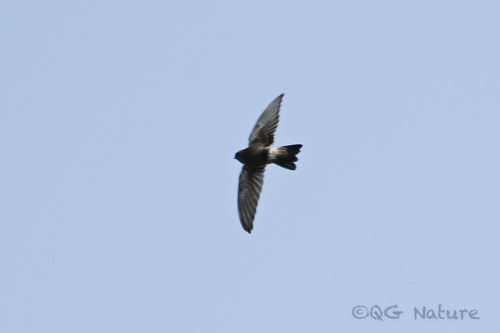
ヒマラヤアナツバメ (Aerodramus brevirostris) ヒマラヤアナツバメ
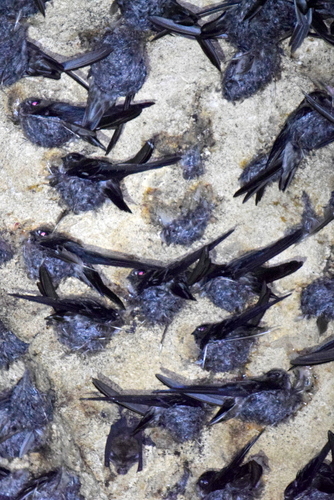
オオアナツバメ (Aerodramus maximus) オオアナツバメ

メディア

読み込み中…

要点

ヒマラヤアナツバメとオオアナツバメの最も信頼できるフィールドマークは、ほとんどのヒマラヤアナツバメに見られる淡い灰色の尾羽であり、これは一般的に暗く、あまり目立たないオオアナツバメの尾羽と対照的です。ヒマラヤアナツバメはまた、淡い茶色の腹面とくちばしの上の淡い斑点を示す傾向がありますが、オオアナツバメは全体的に暗く、より均一です。若いヒマラヤアナツバメは、あまり目立たない尾羽を持つことがあり、若い鳥の識別が難しくなります。構造的な違いは微妙ですが、ヒマラヤアナツバメはわずかに小さく、より細身で、高い標高や大きな群れで見られる可能性が高いです。これらの2種の間での音声やエコロケーションのクリックは、フィールドで信頼できる区別ができません。

識別のコツ

  1. 淡い灰色の尾羽(成鳥): ヒマラヤアナツバメは通常、特に良い光の下で後ろや下から飛んでいるときに見える明確な淡い灰色の尾羽を示します。これは成鳥にとって最良のフィールドマークです。
  2. 尾羽の変異(幼鳥/亜種): 幼いヒマラヤアナツバメはあまり目立たない尾羽を持ち、いくつかの亜種(例:inopina)は暗い尾羽を持つため、このマークは若い鳥や特定の集団では失敗することがあります。
  3. 均一な暗い羽毛: オオアナツバメは全体的に暗く、より均一で、尾羽が背中と対照的ではありません。鳥が上からも下からも均一に暗く見える場合、オオアナツバメの可能性が高いです。
  4. くちばしの上の淡い斑点: ヒマラヤアナツバメはしばしばくちばしの上と後ろに淡い斑点を示しますが、オオアナツバメには欠けているか、はるかに目立たないです。これは距離があると微妙です。
  5. 腹面の色: ヒマラヤアナツバメは下側が淡い茶色ですが、オオアナツバメは下側が暗く、より均一です。良い光の下で上面と下面のコントラストを探してください。
  6. サイズと構造: ヒマラヤアナツバメはわずかに小さく、より細身ですが、これは両方を直接比較するか、経験がある場合にのみ役立ちます。
  7. 尾の形: 両種は分岐した尾を持っていますが、強い違いは記述されていません。この点だけに頼らないでください。
  8. 翼の形と飛行: 両方とも後方に傾いた三日月形の翼を持っていますが、ヒマラヤアナツバメはより繊細に見え、長い一次羽と小さな胸筋のためにより頻繁に滑空する可能性があります。
  9. 群れのサイズと行動: 山地の高く飛ぶ大きな群れ(50〜300羽)は、特に高い標高でヒマラヤアナツバメである可能性が高いです。オオアナツバメは低い標高で小さなグループに典型的です。
  10. 生息地の文脈: 高い標高(2,000 m以上)では、ヒマラヤアナツバメの可能性がはるかに高いです。海面レベルや沿岸の低地の森林では、オオアナツバメがデフォルトです。
  11. 巣作りの場所: 両種は洞窟でコロニーを作って巣を作りますので、これは診断的ではありませんが、ヒマラヤアナツバメの巣はより高く、寒い場所で見つかることがあります。
  12. 音声: 呼び声とエコロケーションのクリックは似ており、フィールドで信頼できる区別ができません。これを主要なマークとして使用しないでください。
  13. 季節的な移動: 悪天候や夕暮れ時に低地の田畑に降りてくるのが見られた場合、大きな群れがある場合はヒマラヤアナツバメを考慮してください。
  14. 地理的重複: 両方が発生する地域(例:タイ、ミャンマー)では、尾羽と腹面の色を主要なマークとして頼り、生息地と標高を補助的な手がかりとして使用してください。
  15. 淡い尾羽のオオアナツバメに注意: 一部の個体差があるかもしれませんが、オオアナツバメで本当に淡く対照的な尾羽は稀です。他の補助的なマークを常に確認してください。

大きさ

ヒマラヤアナツバメはオオアナツバメよりわずかに小さく、より細身で、長さは約13〜14 cmです [wikipedia]。オオアナツバメの正確な測定値は資料に提供されていませんが、一般的にはより大きなアナツバメと見なされています。このサイズの違いは微妙で、両種が一緒に見られない限り、フィールドでは明らかではないかもしれません。両種は典型的なアナツバメの比率を共有しており、長く狭い翼と分岐した尾を持っていますが、ヒマラヤアナツバメは全体的に少し繊細に見えるかもしれません。

羽色

成鳥のヒマラヤアナツバメは、主に上面が灰褐色で、明確な淡い灰色の尾羽(尾羽が暗い亜種もあります)、下面が淡い茶色で、くちばしの上と後ろに淡い斑点があります。幼鳥はあまり目立たない尾羽を持ち、これによりオオアナツバメに近い印象を与えることがあります。対照的に、オオアナツバメは全体的に暗く、より均一で、明らかな淡い尾羽や淡い顔の斑点が欠けています。オオアナツバメの下面も暗く、尾羽は背中と強く対照的ではありません。飛行中、両種は後方に傾いた三日月形の翼と分岐した尾を示しますが、ヒマラヤアナツバメの淡い尾羽は特に成鳥では下からまたは後ろから見えることがよくあります。ヒマラヤアナツバメの亜種の変異は尾羽の色調に影響を与えることがありますが、最も暗い亜種でも通常は何らかの対照を示します。どちらの種にも特有の幼鳥の翼のパターンは記述されていないため、識別は主に尾羽と下面の色に依存します。

行動

ヒマラヤアナツバメは非常に群れを成す性質があり、50羽以上の群れで見られることが多く、時には300羽に達し、高地や山地の地域、特に森林や河谷の上の開けた場所を好みます。その飛行は非常に長い一次羽と小さな胸筋による長い滑空によって特徴付けられます。オオアナツバメも群れを形成しますが、低地や中標高の森林により典型的に関連しています。両種は洞窟でコロニーを作って巣を作り、唾液を使って巣を作り、両方とも空中の昆虫食です。ヒマラヤアナツバメは悪天候や夕方に低い標高に降りる可能性が高いですが、一般的には高い標高に関連しています。

生息環境

ヒマラヤアナツバメは主に高地および山地の種であり、ヒマラヤで4,500 mまでの標高で繁殖し、冬や悪天候に低い標高に降りることがあります。最もよく森林、河谷、丘の近くの耕作地の上の開けた場所で見られます。対照的に、オオアナツバメはより広い範囲の標高で見られますが、東南アジア全体の亜熱帯または熱帯の湿った低地および山地の森林により典型的です。いくつかの地域(例:タイ、ミャンマー)では重複が発生することがありますが、ヒマラヤアナツバメは海面レベルではほとんど見られず、オオアナツバメはそこで一般的です。

声

両種は洞窟でのナビゲーションのためにさまざまなツイッターの呼び声とエコロケーションのクリックを生成します。ヒマラヤアナツバメは「チットチット」という休息の呼び声と、鋭い「テリーテリーテリー」という呼び声を持ち、エコロケーションのクリックは人間にも聞こえます。資料にはオオアナツバメの音声の詳細な説明はありませんが、Aerodramusの一員として、似ている可能性があります。実際には、音声やエコロケーションのクリックは、これらの2種の間でフィールドで信頼できる区別ができません。

より良い説明を送る

比較と同じ項目を使ってください。文章はすぐに公開されます。

The most reliable field mark between Himalayan Swiftlet and Black-nest Swiftlet is the presence of a pale grey rump on most Himalayan Swiftlets, which contrasts with the generally darker, less distinct rump of Black-nest Swiftlet. Himalayan Swiftlet also tends to show a paler brown underside and a pale patch above the bill, while Black-nest Swiftlet is overall darker and more uniform. Juvenile Himalayan Swiftlets may have a less distinct rump, making separation trickier in young birds. Structural differences are subtle, but Himalayan Swiftlet is slightly smaller and more slender, with a higher likelihood of being seen at higher elevations or in large flocks. Vocalizations and echolocation clicks are not reliably separable in the field between these two species.

  1. Pale grey rump (adults): Himalayan Swiftlet usually shows a distinct pale grey rump, visible in flight from behind or below, especially in good light. This is the best single field mark for adults.
  2. Rump variation (juveniles/subspecies): Juvenile Himalayan Swiftlets have a less distinct rump, and some subspecies (e.g., inopina) have a darker rump, so this mark can fail in young birds or certain populations.
  3. Uniform dark plumage: Black-nest Swiftlet is overall darker and more uniform, with the rump not contrasting with the back. If the bird looks uniformly dark above and below, Black-nest is more likely.
  4. Pale patch above bill: Himalayan Swiftlet often shows a pale patch above and behind the bill, which is lacking or much less obvious in Black-nest Swiftlet. This can be subtle at distance.
  5. Underpart color: Himalayan Swiftlet is paler brown below, while Black-nest Swiftlet is darker and more uniform underneath. Look for contrast between upperparts and underparts in good light.
  6. Size and structure: Himalayan Swiftlet is slightly smaller and more slender, but this is only useful if you have direct comparison or experience with both.
  7. Tail shape: Both species have a forked tail, but there is no strong difference described; do not rely on this alone.
  8. Wing shape and flight: Both have swept-back, crescent-shaped wings, but Himalayan Swiftlet may appear more delicate and glide more often due to longer primaries and smaller breast muscles.
  9. Flock size and behavior: Large, high-flying flocks (50–300 birds) in montane areas are more likely to be Himalayan Swiftlet, especially at high elevation. Black-nest Swiftlet is more typical in smaller groups at lower elevations.
  10. Habitat context: At high elevations (above 2,000 m), Himalayan Swiftlet is much more likely. At sea level or in coastal lowland forest, Black-nest Swiftlet is the default.
  11. Nesting sites: Both nest colonially in caves, so this is not diagnostic, but Himalayan Swiftlet’s nests may be found at higher, colder sites.
  12. Vocalizations: Calls and echolocation clicks are similar and not reliably separable in the field; do not use this as a primary mark.
  13. Seasonal movement: If seen descending to lowland fields in bad weather or at dusk near mountains, consider Himalayan Swiftlet, especially if flocks are large.
  14. Geographic overlap: In areas where both occur (e.g., Thailand, Myanmar), rely on rump and underpart color as primary marks, and use habitat and elevation as supporting clues.
  15. Beware pale-rumped Black-nest Swiftlets: Some individual variation may occur, but a truly pale, contrasting rump is rare in Black-nest Swiftlet; always check for other supporting marks.

Himalayan Swiftlet is slightly smaller and more slender than Black-nest Swiftlet, with a length of about 13–14 cm [wikipedia]. While precise measurements for Black-nest Swiftlet are not provided in the sources, it is generally considered a larger swiftlet. This size difference is subtle and may not be obvious in the field unless both species are seen together. Both species share the typical swiftlet proportions: long, narrow wings and a forked tail, but Himalayan Swiftlet may appear a bit more delicate overall.

Adult Himalayan Swiftlet is mainly grey-brown above with a distinct pale grey rump (except in some subspecies where the rump is darker), paler brown below, and a pale patch above and behind the bill. Juveniles have a less distinct rump, which can make them appear more uniform and thus closer to Black-nest Swiftlet. Black-nest Swiftlet, in contrast, is overall darker and more uniform, lacking the obvious pale rump and pale facial patch. The underparts of Black-nest Swiftlet are also darker, and the rump does not contrast strongly with the back. In flight, both species show swept-back, crescent-shaped wings and a forked tail, but the pale rump of Himalayan Swiftlet is often visible from below or behind, especially in adults. Subspecific variation in Himalayan Swiftlet can affect rump tone, but even the darkest races usually show some contrast. No distinctive juvenile wing pattern is described for either species, so separation relies mainly on rump and underpart coloration.

Himalayan Swiftlet is highly gregarious, often seen in flocks of 50 or more, sometimes up to 300, and prefers highland and montane areas, especially open spaces over forests and river valleys. Its flight is characterized by long glides due to very long primaries and small breast muscles. Black-nest Swiftlet also forms flocks but is more typically associated with lowland and mid-elevation forests. Both species nest colonially in caves, using saliva to build nests, and both are aerial insectivores. Himalayan Swiftlet may be more likely to descend to lower elevations in bad weather or evening, but is generally more associated with higher altitudes.

Himalayan Swiftlet is primarily a highland and montane species, breeding at elevations up to 4,500 m in the Himalayas and descending to lower elevations in winter or poor weather. It is most often encountered in open areas over forests, river valleys, and cultivated land near hills. Black-nest Swiftlet, by contrast, is found in a wider range of elevations but is more typical of subtropical or tropical moist lowland and montane forests across Southeast Asia, including coastal regions and islands. Overlap can occur in some areas (e.g., Thailand, Myanmar), but Himalayan Swiftlet is rarely found at sea level, while Black-nest Swiftlet is common there.

Both species produce a variety of twittering calls and echolocation clicks for navigation in caves. Himalayan Swiftlet is described as having a 'chit-chit' roosting call and a piercing 'teeree-teeree-teeree' call, with echolocation clicks audible to humans. There is no detailed description of Black-nest Swiftlet’s vocalizations in the sources, but as a member of Aerodramus, it is likely similar. In practice, vocalizations and echolocation clicks are not reliably separable in the field between these two species.

変更を破棄しますか?

保存していない編集があります。今離れると失われます。

ヒマラヤアナツバメ · オオアナツバメ · 苦手な鳥