

Motmot

マユハウチワドリ 対 アオハウチワドリ

Prinia superciliaris 対 Prinia flaviventris

マユハウチワドリとアオハウチワドリのクイズ
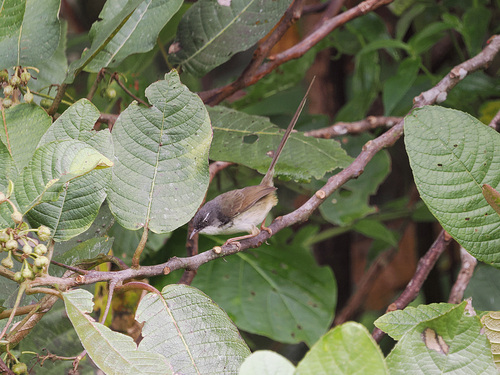
マユハウチワドリ (Prinia superciliaris) マユハウチワドリ
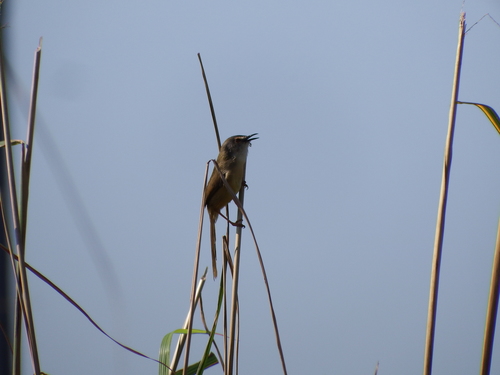
アオハウチワドリ (Prinia flaviventris) アオハウチワドリ

メディア

読み込み中…

要点

マユハウチワドリとアオハウチワドリは、同じ科に属する小さく活発なウグイスで、東南アジアの一部で重複することがありますが、最も信頼できる違いは腹部の色です:アオハウチワドリは明確に黄色い腹部を示しますが、マユハウチワドリにはこの特徴がありません。両種は全体的な構造と行動が似ていますが、分布域は部分的にしか重なっておらず、マユハウチワドリは一般的に高い標高で見られます。利用可能な情報源には、幼鳥や未成熟の特定の翼や飛行パターンが記載されていないため、腹部の色と生息地の文脈が最も実用的なフィールドマークです。構造的な違いは微妙で、情報源では強調されていません。

識別のコツ

  1. 腹部の色は最も信頼できるフィールドマークです: アオハウチワドリは常に黄色い腹部を示しますが、マユハウチワドリは示しません。これはすべての年齢と性別に当てはまります。
  2. 生息地の文脈が役立ちます: マユハウチワドリは丘陵地や山地にいる可能性が高いですが、アオハウチワドリは低地、特に水の近くや草地を好みます。標高と生息地をサポートする手がかりとして使用してください。
  3. 分布域の重複は部分的です: 両種が発生する地域(例:東南アジアの一部)では、羽毛と生息地を一緒に頼りにしてください。パキスタンやヒマラヤの foothills では、アオハウチワドリのみが見られる可能性が高いです;インドネシアでは、マユハウチワドリのみが見られます。
  4. サイズは安全な区別ではありません: 両方とも小さなウグイスで、フィールドサイズの違いは無視できるほどです。
  5. 特異な飛行や翼のパターンの違いは文書化されていません: 飛行中のウグイスを見た場合は、翼のマーキングではなく腹部の色に焦点を当ててください。
  6. 行動は似ています: 両種は活発で、しばしば密な植生の中で隠れ、時には歌ったり呼んだりするために止まります。行動だけに頼らないでください。
  7. 分離に関連する季節的または性別に基づく羽毛の違いは知られていません: 両種は年間を通じて主なフィールドマークが一貫しています。
  8. 眉斑と上部の色は診断的とは記載されていません: 強い眉毛や背中の色に気付いた場合は、他の情報源に支持されない限り、主要な区別として使用しないでください。
  9. 音声は利用可能なメモに詳細がありません: ウグイスの声を聞いた場合は、地元の経験がない限り、歌や呼び声に頼って分離しないでください。
  10. 幼鳥や未成熟の鳥: どちらの種についても特別な飛行や翼のパターンのマークは記載されていないため、若い鳥には同じ腹部と生息地の手がかりを使用してください。
  11. 混合群れやエッジの生息地: 両種が一緒に見られる場合は、アオハウチワドリを見分けるために黄色い腹部を探してください。
  12. 疑わしい場合は、腹部の写真を撮ってください: これはフィールドでの確認を最も早く行う方法です。
  13. 尾の長さや形を区別として使用しないでください: 情報源には違いが記載されていません。
  14. 上からまたはシルエットでしか鳥を見られない場合、IDは不可能かもしれません: 腹部の明確なビューを待ってください。
  15. 地元のチェックリストを参照して豊富さを確認してください: 一部の地域では、一方の種がはるかに一般的である可能性があり、これは可能なIDに役立ちますが、常にフィールドマークで確認してください。

大きさ

アオハウチワドリのみが記録された平均体重(7.6 g [wikidata])を持っていますが、両種は小さく、ウグイスに典型的なサイズが似ています。情報源からは、サイズだけがフィールドでの信頼できる区別であるという証拠はありません。

羽色

どちらの種についても年齢特有の上翼や飛行パターンの違いは記載されていません。最も一貫した羽毛の違いは腹部にあります:アオハウチワドリは黄色い腹部を持っています(すべての年齢と性別)、一方マユハウチワドリは持っていません。上部の色、眉斑、尾のパターンなどの他の羽毛の特徴は情報源に詳細が記載されていないため、このデータセットに基づいて分離に信頼できる方法として使用することはできません。フィールド識別に影響を与える季節的または性別に基づく羽毛の変動についての言及はありません。

行動

両種は活発で、典型的なウグイスのように低い植生を移動し、時には開けた場所に止まります。利用可能なメモには行動の違いは強調されていないため、行動だけではこれらの二種を分けるための診断にはなりません。

生息環境

マユハウチワドリは、中国、インド、東南アジア、インドネシアの丘陵地や山地に見られ、通常は高い標高で見られます。アオハウチワドリは、パキスタン、ヒマラヤの foothills、北東インド、東南アジアを含む広範な範囲を占めていますが、低地の生息地で見られることが多いです。高い標高の低木や草地でウグイスに出会った場合、マユハウチワドリの可能性が高いです;低地の湿地や草地では、アオハウチワドリが期待されます。ただし、東南アジアではいくつかの重複があるため、最良の結果を得るためには生息地を羽毛と一緒に使用する必要があります。

より良い説明を送る

比較と同じ項目を使ってください。文章はすぐに公開されます。

Hill Prinia and Yellow-bellied Prinia are both small, active warblers in the same family and can overlap in parts of Southeast Asia, but they differ most reliably in underpart color: Yellow-bellied Prinia shows a distinctly yellow belly, while Hill Prinia lacks this feature. Both species are similar in overall structure and behavior, but their ranges only partially overlap, and Hill Prinia is generally found at higher elevations. Juvenile and immature-specific wing or flight patterns are not described in the available sources, so underpart color and habitat context are the most practical field marks. Structural differences are subtle and not emphasized in the sources.

  1. Underpart color is the most reliable field mark: Yellow-bellied Prinia always shows a yellow belly, while Hill Prinia does not. This is true for all ages and sexes.
  2. Habitat context helps: Hill Prinia is more likely in hilly or montane areas, while Yellow-bellied Prinia prefers lowlands, especially near water or in grassy areas. Use elevation and habitat as supporting clues.
  3. Range overlap is partial: In areas where both species occur (e.g., parts of Southeast Asia), rely on plumage and habitat together. In Pakistan or the Himalayan foothills, only Yellow-bellied Prinia is likely; in Indonesia, only Hill Prinia.
  4. Size is not a safe separator: Both are small prinias, and field size differences are negligible.
  5. No distinctive flight or wing pattern differences are documented: If you see a prinia in flight, focus on underpart color rather than wing markings.
  6. Behavior is similar: Both species are active and often skulk in dense vegetation, sometimes perching up to sing or call. Do not rely on behavior alone.
  7. No known seasonal or sex-based plumage differences relevant to separation: Both species are consistent in their main field marks year-round.
  8. Supercilium and upperpart color are not described as diagnostic: If you notice a strong eyebrow or back color, do not use it as a primary separator unless supported by other sources.
  9. Vocalizations are not detailed in the available notes: If you hear a prinia, do not rely on song or call for separation unless you have local experience.
  10. Juvenile and immature birds: No special flight or wing pattern marks are described for either species, so use the same underpart and habitat clues for young birds.
  11. In mixed flocks or edge habitats: If you see both species together, look for the yellow belly to pick out Yellow-bellied Prinia.
  12. If in doubt, photograph the underparts: This is the quickest way to confirm the ID in the field.
  13. Do not use tail length or shape as a separator: No differences are described in the sources.
  14. If you only see the bird from above or in silhouette, ID may not be possible: Wait for a clear view of the underparts.
  15. Consult local checklists for abundance: In some regions, one species may be much more common, which can help with likely ID, but always confirm with field marks.

Only Yellow-bellied Prinia has a recorded average body mass (7.6 g [wikidata]), but both species are small and similar in size, typical for prinias. There is no evidence from the sources that size alone is a reliable separator in the field.

No age-specific upperwing or flight pattern differences are described for either species. The most consistent plumage difference is on the underparts: Yellow-bellied Prinia has a yellow belly (all ages and sexes), while Hill Prinia does not. Other plumage features such as upperpart color, supercilium, and tail pattern are not detailed in the sources, so cannot be reliably used for separation based on this dataset. There is no mention of seasonal or sex-based plumage variation that would affect field identification.

Both species are active, often skulking warblers typical of the genus, moving through low vegetation and sometimes perching in the open. No behavioral differences are highlighted in the available notes, so behavior alone is not diagnostic for separating these two species.

Hill Prinia is found in hilly or montane areas across China, India, Southeast Asia, and Indonesia, typically at higher elevations. Yellow-bellied Prinia occupies a broader range, including Pakistan, the Himalayan foothills, northeastern India, and Southeast Asia, but is more often found in lowland habitats. If you encounter a prinia in higher elevation scrub or grassland, Hill Prinia is more likely; in lowland wetlands or grass, Yellow-bellied Prinia is expected. However, there is some overlap in Southeast Asia, so habitat should be used alongside plumage for best results.

変更を破棄しますか?

保存していない編集があります。今離れると失われます。

マユハウチワドリ · アオハウチワドリ · 苦手な鳥