

Motmot

Herring Gull 対 アイスランドカモメ

Larus argentatus 対 Larus glaucoides

Herring Gullとアイスランドカモメのクイズ
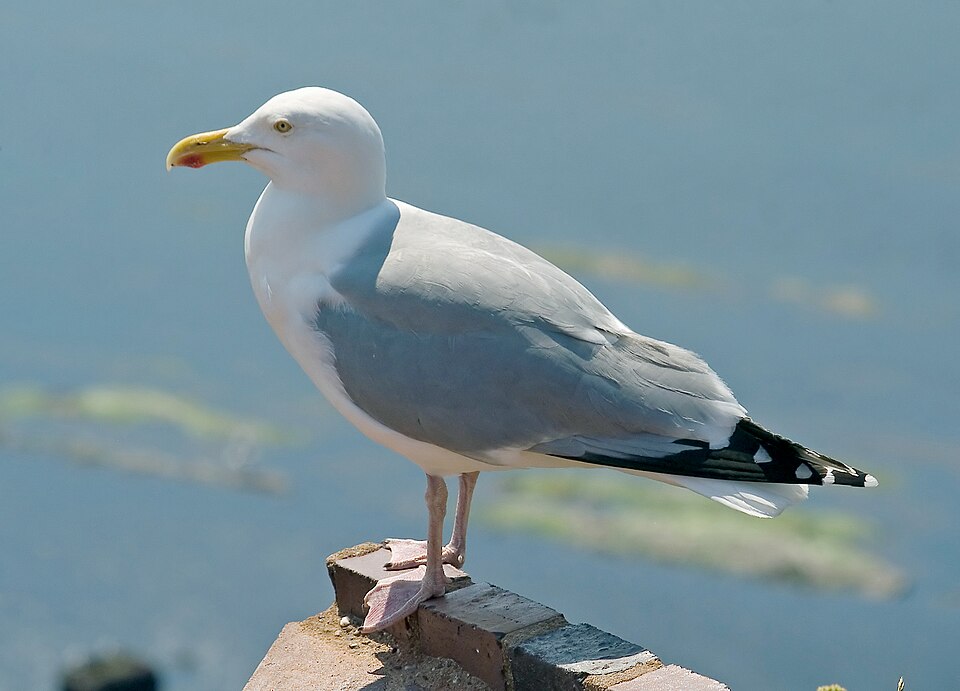
Herring Gull (Larus argentatus) Herring Gull
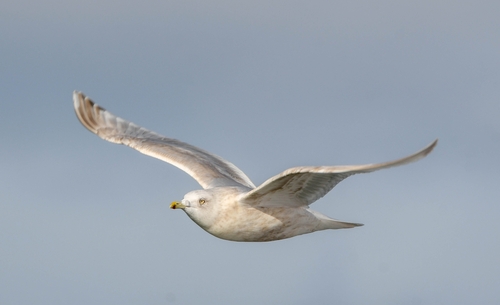
アイスランドカモメ (Larus glaucoides) アイスランドカモメ

メディア

読み込み中…

要点

The most reliable field mark between Herring Gull and Iceland Gull, especially in immature birds, is the color and pattern of the wingtips: Herring Gull of all ages shows dark (blackish) markings in the primaries, while Iceland Gull is notably pale-winged, with adults lacking any black in the wingtips and immatures being overall much paler. Herring Gull is also bulkier with a heavier bill and pink legs, whereas Iceland Gull is slimmer, lighter, and has a more delicate bill. These differences are most obvious in flight or among flocks. Be cautious with leg color, as Herring Gull can rarely show yellowish legs, and always check the overall size and structure, as Iceland Gull is distinctly more petite and graceful.

識別のコツ

  1. Wingtips in flight (all ages): Herring Gull always shows dark (blackish) markings in the primaries, especially obvious in adults as black tips with white 'mirrors.' Iceland Gull of all ages lacks black in the wingtips, appearing pale and almost translucent in flight; this is the single most reliable mark.
  2. Juvenile/immature upperwing: Young Herring Gulls are brown with dark, contrasting upperwings and a distinct dark tail band. Young Iceland Gulls are much paler, with uniform pale grey-brown upperwings and no strong contrast or dark tail band.
  3. Adult mantle/back color: Both are pale grey, but Herring Gull is slightly darker; this is subtle and not always reliable.
  4. Bill structure: Herring Gull has a heavy, deep bill with a pronounced gonys angle (lower edge kink), yellow with a red spot in adults. Iceland Gull's bill is slimmer, more delicate, and yellowish-green in adults, lacking the strong red spot.
  5. Leg color: Both usually have pink legs, but Herring Gull can rarely show yellowish legs (especially Baltic birds); Iceland Gull's legs are always pink.
  6. Eye color: Herring Gull adults have pale eyes with a yellow orbital ring; Iceland Gull's eye is less striking, but this is not a strong field mark.
  7. Size and structure: Herring Gull is bulkier, with a barrel chest and thick neck, and appears more powerful in flight. Iceland Gull is slimmer, longer-winged, and more graceful, often with a smaller head and finer bill.
  8. Jizz in flight: Herring Gull appears broad-winged and heavy, with a slower, more labored flight. Iceland Gull is lighter, with longer, narrower wings and a more buoyant, agile flight.
  9. Adult wingtips at rest: Herring Gull shows black wingtips with white spots ('mirrors') folded over the tail; Iceland Gull's wingtips are pale, blending with the rest of the wing.
  10. Bill color in immatures: Both have dark bills, but Iceland Gull's is more extensively dark and never shows the pink base that Glaucous Gull can show; Herring Gull's dark bill is typical in first-winter birds.
  11. Plumage wear: Iceland Gull often appears cleaner and less blotchy than Herring Gull at all ages, especially in winter.
  12. Habitat context: In Europe, Iceland Gull is rare and usually found among flocks of Herring Gulls in winter; always check for the pale-winged individual in a group.
  13. Aggression and behavior: Herring Gull is more likely to dominate feeding sites and chase other gulls; Iceland Gull tends to be more retiring.
  14. Seasonal presence: Herring Gull is present year-round in much of Europe; Iceland Gull is a winter visitor only.
  15. Pitfalls: Beware of pale Herring Gulls (especially faded immatures) and the rare yellow-legged Herring Gull; always confirm with wingtip color and overall structure.

大きさ

Herring Gull is consistently larger and heavier: males reach 60–67 cm in length and 1,050–1,525 g, females 55–62 cm and 710–1,100 g, with wingspans of 125–155 cm. Iceland Gull is smaller and lighter, at 50–64 cm length, 480–1,100 g, and wingspans of 115–150 cm. The difference is most obvious in direct comparison, but Herring Gull's bulk and thick bill are usually apparent even at a distance. Iceland Gull appears more slender and less barrel-chested.

羽色

Juvenile and first-winter Herring Gulls are brown with heavy streaking, dark bills and eyes, and show dark brown-black in the wingtips and a contrastingly darker upperwing in flight. Second-winter Herring Gulls begin to show a greyer back and whiter head, but still retain dark in the wings. By third-winter, they are close to adult but often keep some brown in the wings and dark on the bill. Adults have a pale grey back, white head and underparts, and black wingtips with white 'mirrors.'

Iceland Gull of all ages is much paler: juveniles and immatures are pale grey overall, with little to no dark in the wingtips (never black, just a faintly darker pale grey), and a bill that is more extensively dark than in Glaucous Gull but lacks pink. Adults are pale grey above, white below, and have no black in the primaries at all. This pale, 'ghostly' wing appearance is the most consistent difference from Herring Gull at all ages. Bill color in adults is yellowish-green, never as bright yellow as Herring Gull, and the legs are always pink.

行動

Both species are omnivorous and opportunistic, often scavenging at dumps, harbors, and shorelines. Herring Gulls are more aggressive and dominant, often displacing other gulls. Iceland Gulls are less bold and more likely to be found at the edge of flocks or in smaller groups. Both species forage by walking, swimming, or picking food from the water's surface, but Herring Gulls may also be seen plunge-diving or dropping prey to break shells.

生息環境

Herring Gull is widespread and common across northern and western Europe, often resident year-round in coastal and urban areas, and is a familiar sight at landfills, harbors, and beaches. Iceland Gull breeds in Arctic Canada and Greenland, appearing in Europe only as a scarce winter visitor, mainly along coasts and harbors. In mixed flocks, Iceland Gull is usually outnumbered by Herring Gulls. Both species frequent similar habitats in winter, but Herring Gull is much more likely inland or in urban settings.

より良い説明を送る

比較と同じ項目を使ってください。文章はすぐに公開されます。

The most reliable field mark between Herring Gull and Iceland Gull, especially in immature birds, is the color and pattern of the wingtips: Herring Gull of all ages shows dark (blackish) markings in the primaries, while Iceland Gull is notably pale-winged, with adults lacking any black in the wingtips and immatures being overall much paler. Herring Gull is also bulkier with a heavier bill and pink legs, whereas Iceland Gull is slimmer, lighter, and has a more delicate bill. These differences are most obvious in flight or among flocks. Be cautious with leg color, as Herring Gull can rarely show yellowish legs, and always check the overall size and structure, as Iceland Gull is distinctly more petite and graceful.

  1. Wingtips in flight (all ages): Herring Gull always shows dark (blackish) markings in the primaries, especially obvious in adults as black tips with white 'mirrors.' Iceland Gull of all ages lacks black in the wingtips, appearing pale and almost translucent in flight; this is the single most reliable mark.
  2. Juvenile/immature upperwing: Young Herring Gulls are brown with dark, contrasting upperwings and a distinct dark tail band. Young Iceland Gulls are much paler, with uniform pale grey-brown upperwings and no strong contrast or dark tail band.
  3. Adult mantle/back color: Both are pale grey, but Herring Gull is slightly darker; this is subtle and not always reliable.
  4. Bill structure: Herring Gull has a heavy, deep bill with a pronounced gonys angle (lower edge kink), yellow with a red spot in adults. Iceland Gull's bill is slimmer, more delicate, and yellowish-green in adults, lacking the strong red spot.
  5. Leg color: Both usually have pink legs, but Herring Gull can rarely show yellowish legs (especially Baltic birds); Iceland Gull's legs are always pink.
  6. Eye color: Herring Gull adults have pale eyes with a yellow orbital ring; Iceland Gull's eye is less striking, but this is not a strong field mark.
  7. Size and structure: Herring Gull is bulkier, with a barrel chest and thick neck, and appears more powerful in flight. Iceland Gull is slimmer, longer-winged, and more graceful, often with a smaller head and finer bill.
  8. Jizz in flight: Herring Gull appears broad-winged and heavy, with a slower, more labored flight. Iceland Gull is lighter, with longer, narrower wings and a more buoyant, agile flight.
  9. Adult wingtips at rest: Herring Gull shows black wingtips with white spots ('mirrors') folded over the tail; Iceland Gull's wingtips are pale, blending with the rest of the wing.
  10. Bill color in immatures: Both have dark bills, but Iceland Gull's is more extensively dark and never shows the pink base that Glaucous Gull can show; Herring Gull's dark bill is typical in first-winter birds.
  11. Plumage wear: Iceland Gull often appears cleaner and less blotchy than Herring Gull at all ages, especially in winter.
  12. Habitat context: In Europe, Iceland Gull is rare and usually found among flocks of Herring Gulls in winter; always check for the pale-winged individual in a group.
  13. Aggression and behavior: Herring Gull is more likely to dominate feeding sites and chase other gulls; Iceland Gull tends to be more retiring.
  14. Seasonal presence: Herring Gull is present year-round in much of Europe; Iceland Gull is a winter visitor only.
  15. Pitfalls: Beware of pale Herring Gulls (especially faded immatures) and the rare yellow-legged Herring Gull; always confirm with wingtip color and overall structure.

Herring Gull is consistently larger and heavier: males reach 60–67 cm in length and 1,050–1,525 g, females 55–62 cm and 710–1,100 g, with wingspans of 125–155 cm. Iceland Gull is smaller and lighter, at 50–64 cm length, 480–1,100 g, and wingspans of 115–150 cm. The difference is most obvious in direct comparison, but Herring Gull's bulk and thick bill are usually apparent even at a distance. Iceland Gull appears more slender and less barrel-chested.

Juvenile and first-winter Herring Gulls are brown with heavy streaking, dark bills and eyes, and show dark brown-black in the wingtips and a contrastingly darker upperwing in flight. Second-winter Herring Gulls begin to show a greyer back and whiter head, but still retain dark in the wings. By third-winter, they are close to adult but often keep some brown in the wings and dark on the bill. Adults have a pale grey back, white head and underparts, and black wingtips with white 'mirrors.'

Iceland Gull of all ages is much paler: juveniles and immatures are pale grey overall, with little to no dark in the wingtips (never black, just a faintly darker pale grey), and a bill that is more extensively dark than in Glaucous Gull but lacks pink. Adults are pale grey above, white below, and have no black in the primaries at all. This pale, 'ghostly' wing appearance is the most consistent difference from Herring Gull at all ages. Bill color in adults is yellowish-green, never as bright yellow as Herring Gull, and the legs are always pink.

Both species are omnivorous and opportunistic, often scavenging at dumps, harbors, and shorelines. Herring Gulls are more aggressive and dominant, often displacing other gulls. Iceland Gulls are less bold and more likely to be found at the edge of flocks or in smaller groups. Both species forage by walking, swimming, or picking food from the water's surface, but Herring Gulls may also be seen plunge-diving or dropping prey to break shells.

Herring Gull is widespread and common across northern and western Europe, often resident year-round in coastal and urban areas, and is a familiar sight at landfills, harbors, and beaches. Iceland Gull breeds in Arctic Canada and Greenland, appearing in Europe only as a scarce winter visitor, mainly along coasts and harbors. In mixed flocks, Iceland Gull is usually outnumbered by Herring Gulls. Both species frequent similar habitats in winter, but Herring Gull is much more likely inland or in urban settings.

変更を破棄しますか?

保存していない編集があります。今離れると失われます。

Herring Gull · アイスランドカモメ · 苦手な鳥