

Herring Gull vs Gabbiano d'Islanda
Larus argentatus contro Larus glaucoides
Fai un quiz con Herring Gull e Gabbiano d'Islanda
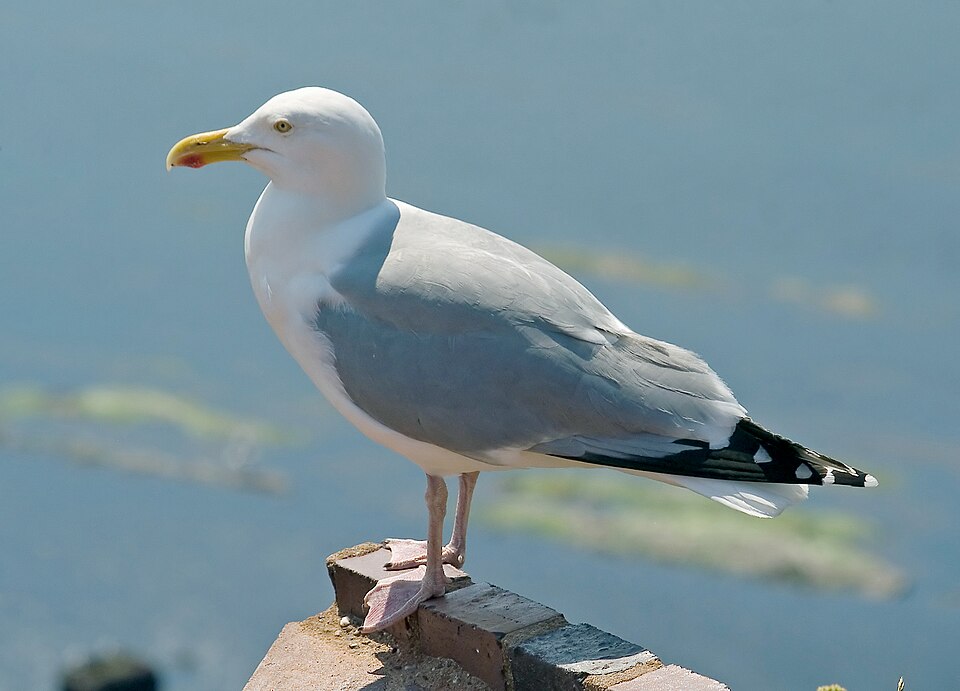 Herring Gull
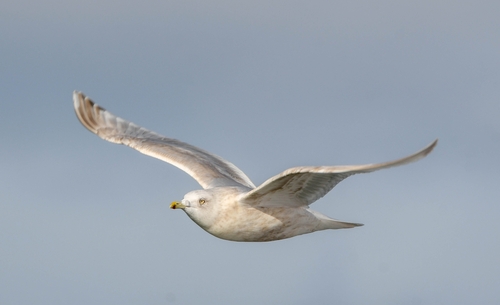 Gabbiano d'Islanda
In breve
Il segno distintivo più affidabile tra Herring Gull e Gabbiano d'Islanda, specialmente negli uccelli immaturi, è il colore e il motivo delle punte delle ali: Herring Gull di tutte le età mostra segni scuri (nerastri) nelle primarie, mentre Gabbiano d'Islanda è notevolmente con ali chiare, con gli adulti privi di nero nelle punte delle ali e gli immaturi che sono complessivamente molto più chiari. Herring Gull è anche più robusto con un becco più pesante e zampe rosa, mentre Gabbiano d'Islanda è più snello, più leggero e ha un becco più delicato. Queste differenze sono più evidenti in volo o tra i gruppi. Fai attenzione al colore delle zampe, poiché Herring Gull può raramente mostrare zampe giallastre, e controlla sempre la dimensione e la struttura complessive, poiché Gabbiano d'Islanda è nettamente più piccolo e aggraziato.
Consigli di identificazione
- Punte delle ali in volo (tutte le età): Herring Gull mostra sempre segni scuri (nerastri) nelle primarie, particolarmente evidenti negli adulti come punte nere con 'specchi' bianchi. Gabbiano d'Islanda di tutte le età manca di nero nelle punte delle ali, apparendo chiaro e quasi traslucido in volo; questo è il segno più affidabile.
- Superiore immaturo/giovanile: I giovani Herring Gull sono marroni con ali superiori scure e contrastanti e una distintiva banda scura sulla coda. I giovani Gabbiani d'Islanda sono molto più chiari, con ali superiori grigio-marroni uniformi e senza forte contrasto o banda scura sulla coda.
- Colore del mantello/schiena degli adulti: Entrambi sono grigio chiaro, ma Herring Gull è leggermente più scuro; questo è sottile e non sempre affidabile.
- Struttura del becco: Herring Gull ha un becco pesante e profondo con un angolo gonys pronunciato (curvatura del bordo inferiore), giallo con una macchia rossa negli adulti. Il becco del Gabbiano d'Islanda è più snello, più delicato e giallo-verde negli adulti, privo della forte macchia rossa.
- Colore delle zampe: Entrambi di solito hanno zampe rosa, ma Herring Gull può raramente mostrare zampe giallastre (specialmente gli uccelli del Baltico); le zampe del Gabbiano d'Islanda sono sempre rosa.
- Colore degli occhi: Gli adulti di Herring Gull hanno occhi chiari con un anello orbitale giallo; l'occhio del Gabbiano d'Islanda è meno appariscente, ma questo non è un segno distintivo forte.
- Dimensione e struttura: Herring Gull è più robusto, con un petto a botte e un collo spesso, e appare più potente in volo. Gabbiano d'Islanda è più snello, con ali più lunghe e più aggraziato, spesso con una testa più piccola e un becco più fine.
- Jizz in volo: Herring Gull appare con ali larghe e pesanti, con un volo più lento e faticoso. Gabbiano d'Islanda è più leggero, con ali più lunghe e strette e un volo più agile e galleggiante.
- Punte delle ali degli adulti a riposo: Herring Gull mostra punte nere con macchie bianche ('specchi') ripiegate sopra la coda; le punte delle ali del Gabbiano d'Islanda sono chiare, fondendosi con il resto dell'ala.
- Colore del becco negli immaturi: Entrambi hanno becchi scuri, ma quello del Gabbiano d'Islanda è più scuro e non mostra mai la base rosa che il Gabbiano glauco può mostrare; il becco scuro di Herring Gull è tipico negli uccelli di prima inverno.
- Usura del piumaggio: Il Gabbiano d'Islanda appare spesso più pulito e meno macchiato rispetto a Herring Gull a tutte le età, specialmente in inverno.
- Contesto abitativo: In Europa, il Gabbiano d'Islanda è raro e di solito si trova tra i gruppi di Herring Gull in inverno; controlla sempre per l'individuo con ali chiare in un gruppo.
- Aggressione e comportamento: Herring Gull è più probabile che domini i siti di alimentazione e insegua altri gabbiani; il Gabbiano d'Islanda tende ad essere più ritirato.
- Presenza stagionale: Herring Gull è presente tutto l'anno in gran parte dell'Europa; il Gabbiano d'Islanda è solo un visitatore invernale.
- Trappole: Fai attenzione ai Herring Gull chiari (specialmente gli immaturi sbiaditi) e al raro Herring Gull con zampe gialle; conferma sempre con il colore delle punte delle ali e la struttura complessiva.
Taglia
Herring Gull è costantemente più grande e pesante: i maschi raggiungono i 60–67 cm di lunghezza e 1.050–1.525 g, le femmine 55–62 cm e 710–1.100 g, con un'apertura alare di 125–155 cm. Gabbiano d'Islanda è più piccolo e leggero, con una lunghezza di 50–64 cm, 480–1.100 g, e un'apertura alare di 115–150 cm. La differenza è più evidente in un confronto diretto, ma il volume e il becco spesso di Herring Gull sono solitamente evidenti anche a distanza. Gabbiano d'Islanda appare più snello e meno a petto a botte.
Piumaggio
I giovani e i primi inverni di Herring Gull sono marroni con forti striature, becchi e occhi scuri, e mostrano marrone scuro-nero nelle punte delle ali e un'ala superiore più scura in volo. I secondi inverni di Herring Gull iniziano a mostrare una schiena più grigia e una testa più bianca, ma mantengono ancora il nero nelle ali. A terzo inverno, sono vicini all'età adulta ma spesso mantengono un po' di marrone nelle ali e scuro sul becco. Gli adulti hanno una schiena grigio chiaro, testa e parti inferiori bianche, e punte nere con 'specchi' bianchi.
Il Gabbiano d'Islanda di tutte le età è molto più chiaro: i giovanili e gli immaturi sono grigio chiaro nel complesso, con poco o nessun scuro nelle punte delle ali (mai nero, solo un grigio chiaro leggermente più scuro), e un becco che è più scuro rispetto al Gabbiano glauco ma privo di rosa. Gli adulti sono grigio chiaro sopra, bianchi sotto, e non hanno nero nelle primarie. Questo aspetto delle ali chiaro e 'fantasioso' è la differenza più consistente rispetto a Herring Gull a tutte le età. Il colore del becco negli adulti è giallo-verde, mai così giallo brillante come Herring Gull, e le zampe sono sempre rosa.
Comportamento
Entrambe le specie sono onnivore e opportunistiche, spesso nutrendosi in discariche, porti e coste. Gli Herring Gull sono più aggressivi e dominanti, spesso spostando altri gabbiani. I Gabbiani d'Islanda sono meno audaci e più propensi a trovarsi ai margini dei gruppi o in gruppi più piccoli. Entrambe le specie si nutrono camminando, nuotando o raccogliendo cibo dalla superficie dell'acqua, ma gli Herring Gull possono anche essere visti tuffarsi o lasciar cadere prede per rompere i gusci.
Habitat
Herring Gull è diffuso e comune in tutta l'Europa settentrionale e occidentale, spesso residente tutto l'anno in aree costiere e urbane, ed è una vista familiare in discariche, porti e spiagge. Il Gabbiano d'Islanda nidifica in Canada artico e Groenlandia, apparendo in Europa solo come un raro visitatore invernale, principalmente lungo le coste e i porti. Nei gruppi misti, il Gabbiano d'Islanda è solitamente in minoranza rispetto agli Herring Gull. Entrambe le specie frequentano habitat simili in inverno, ma Herring Gull è molto più probabile che si trovi nell'entroterra o in contesti urbani.
Herring Gull · Gabbiano d'Islanda · I miei uccelli difficili