

Motmot

ハイイロチュウヒ 対 ウスハイイロチュウヒ

Circus cyaneus 対 Circus macrourus

ハイイロチュウヒとウスハイイロチュウヒのクイズ
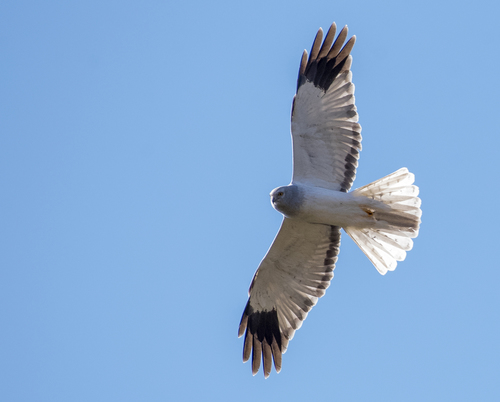
ハイイロチュウヒ (Circus cyaneus) ハイイロチュウヒ
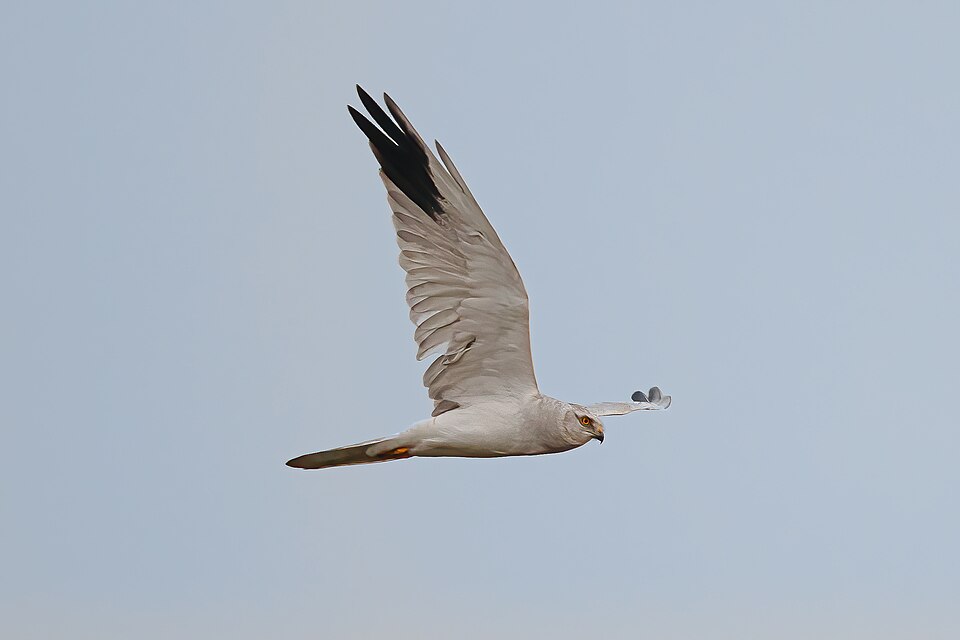
ウスハイイロチュウヒ (Circus macrourus) ウスハイイロチュウヒ

メディア

読み込み中…

要点

ハイイロチュウヒとウスハイイロチュウヒの最も信頼できるフィールドマークは、特に雌と幼鳥(「リングテイル」)の飛行中の翼の形状と羽毛の組み合わせです。ウスハイイロチュウヒはハイイロチュウヒよりも小さく、スリムで、翼が狭く、全体的に淡い外観を持ち、雌と幼鳥では顔のパターンがより明確に定義されています。成鳥のオスは微妙に異なります:ウスハイイロチュウヒのオスは淡い灰色で、翼先が狭い黒色を持ち、ハイイロチュウヒのオスは上面がより暗い灰色で、翼先が広い黒色を持ちます。両種は白い尻を示しますが、下部の縞模様と翼先のパターンの微妙な違いが重要であり、特に未熟な鳥においてはそうです。構造と羽毛の詳細を組み合わせて自信を持って区別する必要があり、特に繁殖期外やリングテイルを観察する際には重要です。

識別のコツ

  1. Wing Shape in Flight (all ages): ウスハイイロチュウヒは狭く、より尖った翼を持ち、ハイイロチュウヒの翼は広く、より長方形で、特に滑空飛行で明らかです。
  2. Overall Structure: ハイイロチュウヒはより大きく、重く見え、尾が長く、より広い「手」(外側の一次羽)を持ちます;ウスハイイロチュウヒはスリムで軽く、より優雅で浮遊感のある飛行をします。
  3. Adult Male Plumage: ハイイロチュウヒのオスは上面が中程度の灰色で、翼先が広い黒色を持ちます;ウスハイイロチュウヒのオスは淡い灰色で、ほぼ白っぽく、翼先が狭い黒色を持ちます。翼先の黒色の広がりと幅を探してください。
  4. Female/Juvenile Underparts: ハイイロチュウヒの雌/幼鳥は強い茶色の縞模様のあるバフ色の下部を持ちます;ウスハイイロチュウヒの雌/幼鳥は下部がより淡く、細い茶色の筋模様とあまり目立たない腹部を持ちます。
  5. Facial Pattern (Females/Juveniles): ウスハイイロチュウヒは淡い襟と暗い頬を持つより明確に定義された顔のパターンを示し、ハイイロチュウヒの顔はより平坦で対照が少ないです。
  6. Upperwing Pattern (Juveniles): 幼鳥のハイイロチュウヒはより暗い二次羽と腹部の縞模様があまりはっきりしていません;幼鳥のウスハイイロチュウヒはより淡く、筋模様のある外観を持ち、より明確な顔のパターンを維持します。
  7. White Rump: 両種は白い尻を示しますが、これは彼らの間で診断的ではありません;他のマークと組み合わせて使用してください。
  8. Size: ハイイロチュウヒはより大きく、重いですが、サイズの重複はかなりあります;構造と羽毛を主要な手がかりとして使用してください。
  9. Habitat and Range: 西ヨーロッパでは、ハイイロチュウヒがはるかに可能性が高いです;ウスハイイロチュウヒは珍しい迷鳥です。東ヨーロッパとアジアでは、両方が発生する可能性があるため、フィールドマークに依存してください。
  10. Vocalizations: 滑空するハイイロチュウヒから「piih-eh」または「chek-chek-chek」という口笛の音が聞こえた場合、ハイイロチュウヒの可能性が高いです;ウスハイイロチュウヒは一般的に静かです。
  11. Flight Jizz: ウスハイイロチュウヒは、軽い体格と狭い翼のために、より浮遊感があり、敏捷に見えることがよくあります;ハイイロチュウヒは飛行中により安定しており、より力強いです。
  12. Seasonal Context: 西ヨーロッパの冬では、ハイイロチュウヒがデフォルトです;ウスハイイロチュウヒは可能ですが珍しいです。移動中や東ヨーロッパ/アジアでは、すべてのフィールドマークを注意深く確認してください。
  13. Sexual Dimorphism: 両種は強い性的二形性を示します;識別する際には常に年齢と性別を考慮してください。オスと雌は著しく異なります。
  14. Confusion with ヒメハイイロチュウヒ: 両種の雌/幼鳥(「リングテイル」)はモンタギューのハイイロチュウヒに似ています;ウスハイイロチュウヒは下部がより淡く、モンタギューよりも顔がより明確ですが、これはハイイロチュウヒとの区別には役立ちません—上の対照に焦点を当ててください。
  15. Plumage Pitfalls: 照明が縞模様や筋模様を洗い流すことがあります;常に良い光の下で下部と顔のパターンを確認し、確認のために複数の特徴を使用してください。

大きさ

ハイイロチュウヒはより大きく、重い種です:平均体重は約436.5gで、ウスハイイロチュウヒは383.5gです [wikidata]。ハイイロチュウヒはまた、長さが41〜52cmで、ウスハイイロチュウヒは40〜48cmで、翼幅もわずかに大きい(97〜122cm対95〜120cm)です。フィールドでは、ハイイロチュウヒはより大きく、広い翼を持っているように見え、ウスハイイロチュウヒはより細く、軽い体格で、狭く、より尖った翼を持っています。サイズの重複は重要であるため、構造と羽毛はサイズ単独よりも信頼性があります。

羽色

行動

両種は翼を浅いV字に保ちながら、開けた地面の上を低く飛んで狩りをします。ハイイロチュウヒは通常、特に巣の近くで飛行中により声が大きいです。両種は小さな哺乳類や鳥を狩りますが、ハイイロチュウヒは西ヨーロッパで見られる可能性が高く、より温暖な地域に定住していますが、ウスハイイロチュウヒはそこでは珍しい迷鳥です。両者は音で狩りを助けるためにフクロウのような顔の円盤を使用します。行動的には、ウスハイイロチュウヒは軽い体格のために時々より浮遊感があり、敏捷に見えることがあります。

生息環境

ハイイロチュウヒは、ユーラシア全体の湿地、草原、荒地、農地などの開けた生息地で繁殖し、緯度に応じて定住または移動します。ウスハイイロチュウヒはさらに東(東ヨーロッパ南部、中央アジア、イラン)で繁殖し、主にインドと東南アジアで冬を越し、西ヨーロッパには迷鳥としてのみ稀に現れます。重複する地域では、両者は類似の開けた生息地に見られることがありますが、ハイイロチュウヒは西ヨーロッパとイギリス諸島ではるかに可能性が高いです。

声

ハイイロチュウヒは特に巣の雌がより声が大きく(食べ物を受け取るときに「piih-eh」と口笛を吹き、警戒音「chit-it-it-it-it-et-it」;オスは「chek-chek-chek」と「chuk-uk-uk-uk」と呼びます)。ウスハイイロチュウヒの声は提供されたメモには記載されておらず、一般的にフィールドであまり頻繁には聞かれないため、声は信頼できる区別にはなりません、ハイイロチュウヒの特徴的な呼び声が聞こえない限り。

より良い説明を送る

比較と同じ項目を使ってください。文章はすぐに公開されます。

The most reliable field mark between Hen Harrier and Pallid Harrier is the combination of wing shape and plumage in flight, especially on females and juveniles (the 'ringtails'). Pallid Harrier is smaller, slimmer, and has narrower wings than Hen Harrier, with a paler overall appearance and a more sharply defined facial pattern in females and juveniles. Adult males differ subtly: Pallid Harrier males are paler grey with narrower black wingtips, while Hen Harrier males are darker grey above with broader black wingtips. Both species show a white rump, but subtle differences in underpart barring and wingtip pattern are key, especially in immature birds. Structural and plumage details must be used together for confident separation, particularly outside the breeding season or when viewing ringtails.

  1. Wing Shape in Flight (all ages): Pallid Harrier has narrower, more pointed wings; Hen Harrier's wings are broader and more rectangular, especially obvious in gliding flight.
  2. Overall Structure: Hen Harrier appears bulkier and heavier, with a longer tail and broader 'hand' (outer primaries); Pallid Harrier is slimmer and lighter, with a more graceful, buoyant flight.
  3. Adult Male Plumage: Hen Harrier males are medium grey above with broad black wingtips; Pallid Harrier males are paler grey, almost whitish, with narrower black wingtips. Look for the extent and width of the black on the wingtips.
  4. Female/Juvenile Underparts: Hen Harrier females/juveniles have buff underparts with strong brown barring; Pallid Harrier females/juveniles are paler below, with fine brown streaking and a less marked belly.
  5. Facial Pattern (Females/Juveniles): Pallid Harrier shows a more sharply defined facial pattern with a pale collar and dark cheek, while Hen Harrier's face is plainer and less contrasting.
  6. Upperwing Pattern (Juveniles): Juvenile Hen Harrier has darker secondaries and less distinct barring on the belly; juvenile Pallid Harrier is paler with a more uniform, streaked look below.
  7. White Rump: Both species show a white rump, but this is not diagnostic between them; use in combination with other marks.
  8. Size: Hen Harrier is larger and heavier, but size overlap is considerable; use structure and plumage as primary cues.
  9. Habitat and Range: In western Europe, Hen Harrier is much more likely; Pallid Harrier is a rare vagrant. In eastern Europe and Asia, both may occur, so rely on field marks.
  10. Vocalizations: If you hear a whistled 'piih-eh' or 'chek-chek-chek' from a gliding harrier, Hen Harrier is likely; Pallid Harrier is generally silent.
  11. Flight Jizz: Pallid Harrier often appears more buoyant and agile due to its lighter build and narrower wings; Hen Harrier is steadier and more powerful in flight.
  12. Seasonal Context: In winter in western Europe, Hen Harrier is the default; Pallid Harrier is possible but rare. In migration or in eastern Europe/Asia, check all field marks carefully.
  13. Sexual Dimorphism: Both species show strong sexual dimorphism; always consider age and sex when identifying, as males and females differ markedly.
  14. Confusion with Montagu's Harrier: Both species' females/juveniles ('ringtails') are similar to Montagu's Harrier; Pallid Harrier is paler below with a more defined face than Montagu's, but this does not help separate it from Hen Harrier—focus on the contrasts above.
  15. Plumage Pitfalls: Lighting can wash out barring and streaking; always try to view underparts and facial pattern in good light, and use multiple features for confirmation.

Hen Harrier is the larger and heavier species: average body mass is about 436.5 g versus 383.5 g for Pallid Harrier [wikidata]. Hen Harrier is also longer (41–52 cm vs 40–48 cm) and has a slightly greater wingspan (97–122 cm vs 95–120 cm). In the field, Hen Harrier appears bulkier and broader-winged, while Pallid Harrier is more slender and lighter built, with narrower, more pointed wings. Size overlap is significant, so structure and plumage are more reliable than size alone.

  • Females and Juveniles ('ringtails'): Both are brown above with white upper tail coverts (white rump), but Pallid Harrier is paler below, with less barring and a more sharply defined facial pattern. Hen Harrier females/juveniles have buff underparts with strong brown barring, and their secondaries are darker and more extensively barred. Pallid Harrier's underparts are buff with fine brown streaking rather than barring, and the belly is noticeably paler. The facial pattern of Pallid Harrier is more contrasting, with a pale collar and well-marked dark cheek.

  • Adult Males: Hen Harrier males are medium grey above, white below (except for a grey upper breast), with broad black wingtips. Pallid Harrier males are paler grey above and white below, with narrower black wingtips. The overall impression is that Pallid Harrier males are paler and cleaner, with more limited black in the wingtips and narrower wings.

  • Upperwing in Flight (all ages): Hen Harrier shows broader wings and a more pronounced 'hand' (outer primaries), while Pallid Harrier's wings are narrower and more pointed. Juvenile Hen Harriers have darker secondaries and less distinct barring on the belly compared to adults, while juvenile Pallid Harriers maintain the paler, streaked look and a more defined facial pattern.

Both species hunt by flying low over open ground with wings held in a shallow V. Hen Harrier is typically more vocal during flight, especially near the nest. Both species hunt small mammals and birds, but Hen Harrier is more likely to be seen in western Europe and is more resident in milder regions, while Pallid Harrier is a rare vagrant there. Both use their owl-like facial disc to aid in hunting by sound. Behaviorally, differences are subtle, with Pallid Harrier sometimes appearing more buoyant and agile due to its lighter build.

Hen Harrier breeds in open habitats such as marshes, grasslands, moorland, and farmland across Eurasia, and is resident or migratory depending on latitude. Pallid Harrier breeds further east (southern parts of eastern Europe, central Asia, Iran) and winters mainly in India and southeast Asia, only rarely appearing in western Europe as a vagrant. In areas of overlap, both can be found in similar open habitats, but Hen Harrier is much more likely in western Europe and the British Isles.

Hen Harrier is notably more vocal, especially females at the nest (whistled 'piih-eh' when receiving food, alarm 'chit-it-it-it-it-et-it'; males call 'chek-chek-chek' and 'chuk-uk-uk-uk' in display). Pallid Harrier's vocalizations are not described in the provided notes and are generally less frequently heard in the field, so voice is not a reliable separator unless Hen Harrier's distinctive calls are heard.

変更を破棄しますか?

保存していない編集があります。今離れると失われます。

ハイイロチュウヒ · ウスハイイロチュウヒ · 苦手な鳥