

Albanella reale vs Albanella pallida
Circus cyaneus contro Circus macrourus
Fai un quiz con Albanella reale e Albanella pallida
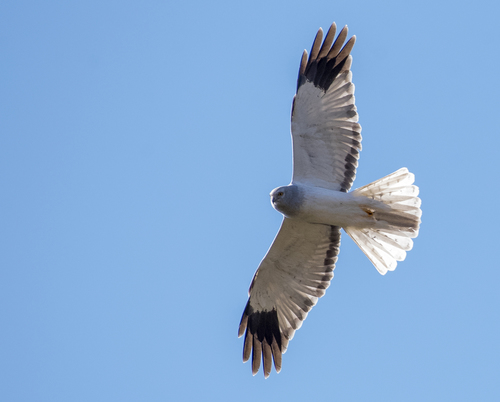 Albanella reale
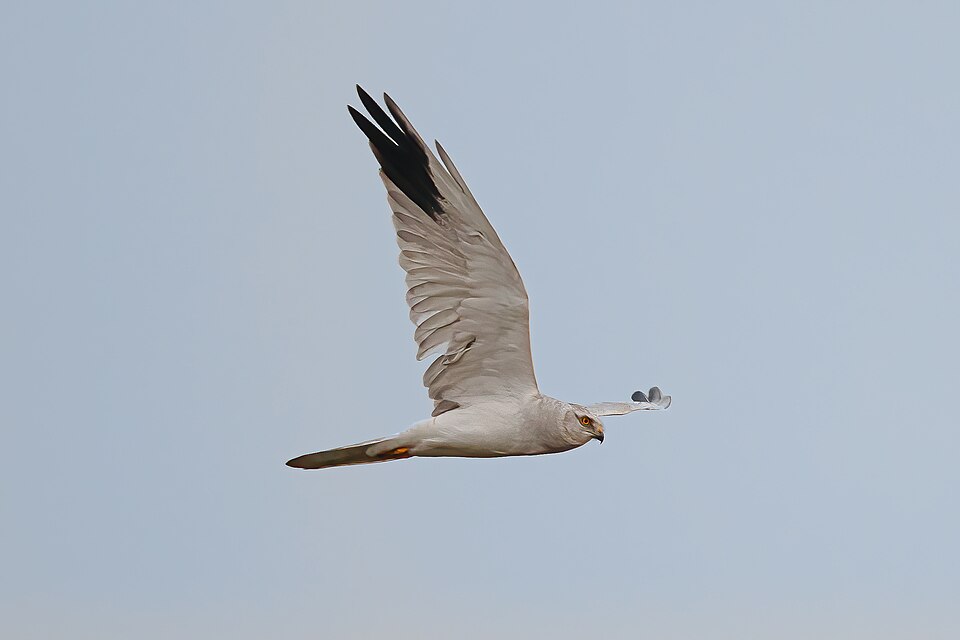 Albanella pallida
In breve
Il segno distintivo più affidabile tra Albanella reale e Albanella pallida è la combinazione della forma delle ali e del piumaggio in volo, specialmente su femmine e giovani (i 'ringtails'). L'Albanella pallida è più piccola, più snella e ha ali più strette rispetto all'Albanella reale, con un aspetto complessivo più chiaro e un pattern facciale più definito nelle femmine e nei giovani. I maschi adulti differiscono sottilmente: i maschi di Albanella pallida sono grigi più chiari con punte delle ali nere più strette, mentre i maschi di Albanella reale sono grigi più scuri sopra con punte delle ali nere più larghe. Entrambe le specie mostrano un sopracciglio bianco, ma le sottili differenze nella barratura delle parti inferiori e nel pattern delle punte delle ali sono fondamentali, specialmente negli uccelli immaturi. I dettagli strutturali e del piumaggio devono essere utilizzati insieme per una separazione sicura, particolarmente al di fuori della stagione riproduttiva o quando si osservano i ringtails.
Consigli di identificazione
- Forma delle Ali in Volo (tutte le età): L'Albanella pallida ha ali più strette, più appuntite; le ali dell'Albanella reale sono più larghe e più rettangolari, specialmente evidenti nel volo in planata.
- Struttura Complessiva: L'Albanella reale appare più robusta e pesante, con una coda più lunga e una 'mano' (primarie esterne) più larga; l'Albanella pallida è più snella e leggera, con un volo più elegante e galleggiante.
- Piumaggio dei Maschi Adulti: I maschi di Albanella reale sono grigi medi sopra con punte delle ali nere larghe; i maschi di Albanella pallida sono grigi più chiari, quasi bianchi, con punte delle ali nere più strette. Cerca l'estensione e la larghezza del nero sulle punte delle ali.
- Parti Inferiori di Femmine/Giovani: Le femmine/giovani di Albanella reale hanno parti inferiori color sabbia con forte barratura marrone; le femmine/giovani di Albanella pallida sono più chiare sotto, con striature marroni fini e una pancia meno marcata.
- Pattern Facciale (Femmine/Giovani): L'Albanella pallida mostra un pattern facciale più definito con un collare chiaro e guancia scura, mentre il volto dell'Albanella reale è più semplice e meno contrastante.
- Pattern della Superala (Giovani): La giovane Albanella reale ha secondarie più scure e una barratura meno distinta sulla pancia; la giovane Albanella pallida è più chiara con un aspetto più uniforme e striato sotto.
- Sopracciglio Bianco: Entrambe le specie mostrano un sopracciglio bianco, ma questo non è diagnostico tra di loro; usa in combinazione con altri segni.
- Dimensione: L'Albanella reale è più grande e pesante, ma la sovrapposizione di dimensioni è considerevole; usa struttura e piumaggio come indizi principali.
- Habitat e Distribuzione: Nell'Europa occidentale, l'Albanella reale è molto più probabile; l'Albanella pallida è un raro vagabondo. Nell'Europa orientale e in Asia, entrambe possono verificarsi, quindi fai affidamento sui segni sul campo.
- Vocalizzazioni: Se senti un 'piih-eh' o 'chek-chek-chek' fischiato da un'albanella in volo, è probabile che sia un'Albanella reale; l'Albanella pallida è generalmente silenziosa.
- Volo: L'Albanella pallida appare spesso più galleggiante e agile a causa della sua costruzione più leggera e delle ali più strette; l'Albanella reale è più stabile e potente in volo.
- Contesto Stagionale: In inverno nell'Europa occidentale, l'Albanella reale è la norma; l'Albanella pallida è possibile ma rara. In migrazione o nell'Europa orientale/Asia, controlla attentamente tutti i segni sul campo.
- Dimorfismo Sessuale: Entrambe le specie mostrano un forte dimorfismo sessuale; considera sempre età e sesso quando identifichi, poiché maschi e femmine differiscono notevolmente.
- Confusione con l'Albanella minore: Le femmine/giovani di entrambe le specie ('ringtails') sono simili all'Albanella minore; l'Albanella pallida è più chiara sotto con un volto più definito rispetto all'Albanella minore, ma questo non aiuta a separarla dall'Albanella reale—concentrati sui contrasti sopra.
- Trappole del Piumaggio: La luce può lavare la barratura e le striature; cerca sempre di osservare le parti inferiori e il pattern facciale in buona luce, e usa più caratteristiche per la conferma.
Taglia
L'Albanella reale è la specie più grande e pesante: la massa corporea media è di circa 436,5 g contro 383,5 g per l'Albanella pallida [wikidata]. L'Albanella reale è anche più lunga (41–52 cm contro 40–48 cm) e ha un'apertura alare leggermente maggiore (97–122 cm contro 95–120 cm). Sul campo, l'Albanella reale appare più robusta e con ali più larghe, mentre l'Albanella pallida è più snella e leggera, con ali più strette e appuntite. La sovrapposizione di dimensioni è significativa, quindi struttura e piumaggio sono più affidabili della dimensione da sola.
Piumaggio
-
Femmine e Giovani ('ringtails'): Entrambi sono marroni sopra con copritail bianchi (sopracciglio bianco), ma l'Albanella pallida è più chiara sotto, con meno barratura e un pattern facciale più definito. Le femmine/giovani di Albanella reale hanno parti inferiori color sabbia con forte barratura marrone, e le loro secondarie sono più scure e più ampiamente barrate. Le parti inferiori dell'Albanella pallida sono color sabbia con striature marroni fini piuttosto che barratura, e la pancia è notevolmente più chiara. Il pattern facciale dell'Albanella pallida è più contrastante, con un collare chiaro e guancia scura ben marcata.
-
Maschi Adulti: I maschi di Albanella reale sono grigi medi sopra, bianchi sotto (eccetto per un petto superiore grigio), con punte delle ali nere larghe. I maschi di Albanella pallida sono grigi più chiari sopra e bianchi sotto, con punte delle ali nere più strette. L'impressione generale è che i maschi di Albanella pallida siano più chiari e puliti, con meno nero nelle punte delle ali e ali più strette.
-
Superala in Volo (tutte le età): L'Albanella reale mostra ali più larghe e una 'mano' (primarie esterne) più pronunciata, mentre le ali dell'Albanella pallida sono più strette e appuntite. Le giovani Albanella reale hanno secondarie più scure e una barratura meno distinta sulla pancia rispetto agli adulti, mentre le giovani Albanella pallida mantengono l'aspetto più chiaro e striato e un pattern facciale più definito.
Comportamento
Entrambe le specie cacciano volando basse sopra terreni aperti con le ali tenute in una V poco profonda. L'Albanella reale è tipicamente più vocale durante il volo, specialmente vicino al nido. Entrambe le specie cacciano piccoli mammiferi e uccelli, ma l'Albanella reale è più probabile da vedere nell'Europa occidentale ed è più residente nelle regioni più miti, mentre l'Albanella pallida è un raro vagabondo lì. Entrambe usano il loro disco facciale simile a un gufo per aiutare nella caccia per suono. Comportamentalmente, le differenze sono sottili, con l'Albanella pallida che a volte appare più galleggiante e agile a causa della sua costruzione più leggera.
Habitat
L'Albanella reale nidifica in habitat aperti come paludi, praterie, brughiere e terreni agricoli in tutta l'Eurasia, ed è residente o migratoria a seconda della latitudine. L'Albanella pallida nidifica più a est (nelle parti meridionali dell'Europa orientale, Asia centrale, Iran) e sverna principalmente in India e nel sud-est asiatico, apparendo solo raramente nell'Europa occidentale come vagabondo. Nelle aree di sovrapposizione, entrambe possono essere trovate in habitat aperti simili, ma l'Albanella reale è molto più probabile nell'Europa occidentale e nelle Isole Britanniche.
Voce
L'Albanella reale è notevolmente più vocale, specialmente le femmine al nido (fischiato 'piih-eh' quando ricevono cibo, allerta 'chit-it-it-it-it-et-it'; i maschi chiamano 'chek-chek-chek' e 'chuk-uk-uk-uk' in display). Le vocalizzazioni dell'Albanella pallida non sono descritte nelle note fornite e sono generalmente meno frequentemente udite sul campo, quindi la voce non è un separatore affidabile a meno che non si sentano i richiami distintivi dell'Albanella reale.
Albanella reale · Albanella pallida · I miei uccelli difficili