

Motmot

ホロホロチョウ 対 コリンウズラ

Numida meleagris 対 Colinus virginianus

ホロホロチョウとコリンウズラのクイズ
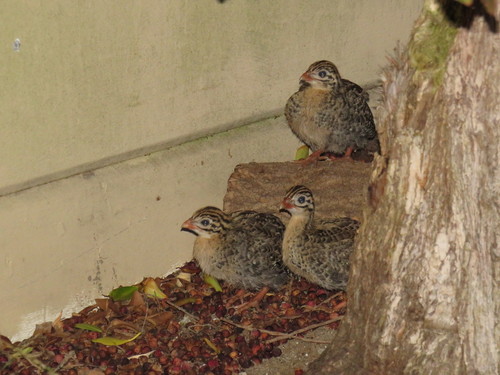
ホロホロチョウ (Numida meleagris) ホロホロチョウ
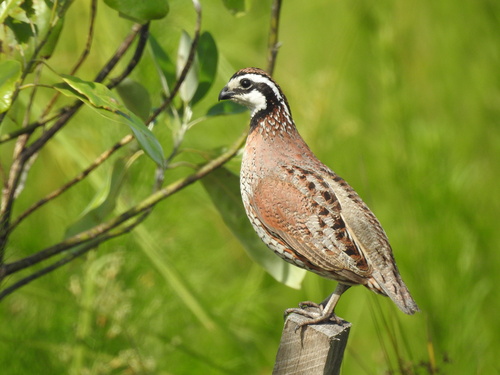
コリンウズラ (Colinus virginianus) コリンウズラ

メディア

読み込み中…

要点

ホロホロチョウとコリンウズラを区別する最も信頼できるフィールドマークは、サイズと構造の違いです:ホロホロチョウははるかに大きく、丸くて重い体、骨のあるカスクで覆われた小さな裸の頭、そして羽のないカラフルな顔の皮膚を持っています。一方、コリンウズラは小さく、コンパクトなウズラで、羽のある頭と模様のある顔をしています。飛んでいるときも地面にいるときも、ホロホロチョウは暗い白い斑点のある体と短く丸い翼を示しますが、コリンウズラは赤褐色と灰色で、特徴的な白い喉と眉のストライプ(オスの場合)があります。大きくて鶏のサイズの鳥の群れが飛ぶのではなく走っているのを見たら、それはホロホロチョウです。顔にストライプのある小さくて隠れた丸いウズラの群れはコリンウズラを示します。声も特徴的です:ホロホロチョウは厳しくて大きな声を出し、コリンウズラは明確で上昇するホイッスルを持っています。

識別のコツ

  1. Size is the fastest check: ホロホロチョウはコリンウズラと比べて巨大です—鶏とスズメを考えてください。もしその鳥が鶏のサイズに見えるなら、それはコリンウズラではありません。
  2. Head structure: ホロホロチョウは小さな裸の頭を持ち、目立つ骨のあるカスク(ノブ)とカラフルな裸の皮膚があります;コリンウズラはカスクや裸の皮膚がない完全に羽のある頭を持っています。
  3. Facial pattern: オスのコリンウズラは黒で縁取られた大胆な白い喉と眉のストライプを持っています;メスはそのバフバージョンを示します。ホロホロチョウには顔のストライプがなく、代わりに裸で色のある皮膚を示します。
  4. Body plumage: ホロホロチョウは全体に密な白い斑点のある暗い灰色-黒です;コリンウズラは赤褐色と灰色で、スカロップ状の脇腹と腹部を持ち、決して斑点がありません。
  5. Wing and tail: 両種は短く丸い翼と尾を持っていますが、ホロホロチョウのものは相対的にさらに短く、尾はほとんど隠れています。コリンウズラの尾は灰色で、飛んでいるときにより目立ちます。
  6. Bare skin: ホロホロチョウだけが頭と顔に広範囲の裸の皮膚を持ち、しばしば青、赤、または黒です。コリンウズラはくちばしを除いてどこでも羽毛があります。
  7. Bill: ホロホロチョウは比較的小さく、淡いくちばしを持っています;コリンウズラは短く、曲がった、暗いくちばしを持っています。
  8. Behavior when flushed: ホロホロチョウは走ることを好み、最後の手段としてのみ爆発的に飛びます;コリンウズラは急速で羽音を立ててすぐに飛び立ちます。
  9. Flock size: ホロホロチョウはしばしば大きな群れ(20以上)を形成しますが、コリンウズラは小さな群れ(通常10–15)にいます。
  10. Aggression displays: ホロホロチョウのオスだけが目立つ攻撃的なディスプレイを行い、翼を上げて羽毛を逆立てます。
  11. Habitat context: 北アメリカでは、草原や畑にいる小さなウズラはコリンウズラです;大きくて斑点のある裸の頭の鳥はホロホロチョウである可能性が高いです(通常は導入された場所や農場でのみ見られます)。
  12. Voice: ホロホロチョウは厳しくて騒がしいです;コリンウズラは明確で上昇する「ボブ-ホワイト」のホイッスルを出します。
  13. Juvenile birds: 若いホロホロチョウでさえ裸の頭を持っています;若いコリンウズラは隠れた色合いですが、常に羽毛のある顔を持っています。
  14. Roosting: ホロホロチョウは大きな群れで共同で止まります;コリンウズラは群れで止まることがありますが、あまり目立ちません。
  15. Seasonal context: 両種はそれぞれの範囲で年間を通じて存在しますが、ホロホロチョウだけがすべての年齢と季節でカスクと裸の皮膚を示します。

大きさ

ホロホロチョウはコリンウズラよりも劇的に大きいです。ホロホロチョウは平均約1587gの質量で、長さは53–58cmで、鶏のサイズの鳥です。対照的に、コリンウズラは約171gしかなく、長さは24–28cmです—ホロホロチョウの半分以下の長さで、質量は8分の1未満です。フィールドでは、ホロホロチョウはずんぐりして威圧的に見えますが、コリンウズラは小さく、コンパクトで、草や茂みの中で見落とされやすいです。このサイズのギャップは、距離があっても混合した群れの中でも最も即時的で信頼できる区別です。

羽色

どちらの種にも年齢特有の上翼パターンは記載されていないため、全体的な体と頭の羽毛に焦点を当ててください。すべての年齢のホロホロチョウは、白で密に斑点のある灰色-黒の羽毛、目立つ骨のあるカスク(ノブ)を持つ裸の頭、赤、青、または黒の裸の皮膚を示します。翼と尾は短く丸く、顔のパターンはありません。対照的に、コリンウズラは赤褐色で、翼に灰色のまだら模様、脇腹に白いスカロップ状のストライプ、白っぽい腹部に黒いスカロップがあります。オスは黒で縁取られた大胆な白い喉と眉のストライプを持ち、目を引く顔のパターンを形成します;メスはそのバフバージョンを持っています。頭は完全に羽毛で覆われており、尾は灰色です。飛んでいるとき、コリンウズラは白い斑点や裸の皮膚がないコンパクトで丸い形を示します。両種の幼鳥は隠れた色合いですが、若いホロホロチョウでさえ裸の頭を持っており、若いコリンウズラは羽毛のある顔を保っています。

行動

ホロホロチョウは非常に地上性で、驚かされると飛ぶよりも走ることを好み、長距離を歩くことができます(1日最大10km)。彼らは群れを成し、しばしば25羽以上の群れで見られ、共同で止まります。脅威を感じると、短く爆発的な飛行をすることがありますが、すぐに地面に戻ります。ホロホロチョウはオス同士の間で攻撃性を示すこともあり、特に繁殖期に顕著です。コリンウズラも地上に生息し、繁殖期以外に群れを形成しますが、彼らの動きはより制限されており、驚かされると急速で羽音を立てて飛び立ち、通常すぐに再び着地します。コリンウズラは長距離を走っているのが見られることは少なく、ホロホロチョウと同じ共同での止まり方や攻撃的な行動を示すことはありません。

生息環境

ホロホロチョウはサハラ以南のアフリカに自生していますが、他の場所にも広く導入されています;彼らは開けた国、サバンナ、農業地域を好み、しばしば人間の居住地の近くにいます。コリンウズラは北アメリカに自生し、農業の畑、草原、開けた森林、道路脇、森林の端に生息しています。両種は開けたまたは半開けた生息地に見られますが、ホロホロチョウはアフリカまたは導入された文脈で見られる可能性が高く、コリンウズラはアメリカ大陸に制限されています。もしあなたが北アメリカの東部にいるなら、小さな地上性のウズラはほぼ確実にコリンウズラです;アフリカや導入された鳥がいる農場では、ホロホロチョウがより可能性が高いです。

声

ホロホロチョウは、動揺したときに大きくて厳しい鳴き声を出します—騒がしく、耳障りで、メロディーがありません。一方、コリンウズラは明確でホイッスルの「ボブ-ホワイト」または「ボブ-ボブ-ホワイト」の鳴き声で有名で、遅く、広く間隔を空けており、音程が上がります。他のコリンウズラの鳴き声には、ささやき、ピーピー、急速な警告のホイッスルが含まれます。違いは明白です:ホロホロチョウは騒々しくて音楽的ではなく、コリンウズラは音楽的で、彼らの名前の由来の鳴き声で簡単に認識されます。

より良い説明を送る

比較と同じ項目を使ってください。文章はすぐに公開されます。

The most reliable field mark to separate Helmeted Guineafowl from Northern Bobwhite is sheer size and structure: guineafowl are much larger, with a round, heavy body, small bare head topped by a bony casque, and unfeathered, colorful facial skin, while bobwhites are small, compact quail with a feathered head and patterned face. In flight or on the ground, guineafowl show a dark, white-speckled body and short, rounded wings, whereas bobwhites are rufous and gray with a distinctive white throat and brow stripe (in males). If you see a flock of large, chicken-sized birds running rather than flying, with naked heads, it's guineafowl; a covey of small, cryptic, round quail with facial stripes signals bobwhite. Voice is also distinctive: guineafowl are harsh and loud, bobwhites have a clear, rising whistle.

  1. Size is the fastest check: Helmeted Guineafowl are massive compared to Northern Bobwhite—think chicken versus sparrow. If the bird looks chicken-sized, it's not a bobwhite.
  2. Head structure: Guineafowl have a small, bare head with a prominent bony casque (knob) and colorful bare skin; bobwhites have a fully feathered head with no casque or bare skin.
  3. Facial pattern: Male bobwhites have a bold white throat and brow stripe bordered by black; females show a buffy version. Guineafowl lack any facial stripes, instead showing bare, colored skin.
  4. Body plumage: Guineafowl are dark gray-black with dense white speckling all over; bobwhites are rufous and gray with scalloped flanks and underparts, never speckled.
  5. Wing and tail: Both species have short, rounded wings and tails, but guineafowl's are proportionally even shorter and the tail is almost hidden. Bobwhite tails are gray and more visible in flight.
  6. Bare skin: Only guineafowl have extensive bare skin on the head and face, often blue, red, or black. Bobwhites are feathered everywhere except the bill.
  7. Bill: Guineafowl have a relatively small, pale bill; bobwhites have a short, curved, dark bill.
  8. Behavior when flushed: Guineafowl prefer to run and only fly explosively as a last resort; bobwhites flush readily with a rapid, whirring flight.
  9. Flock size: Guineafowl often form large flocks (20+), while bobwhites are in smaller coveys (typically 10–15).
  10. Aggression displays: Only guineafowl males engage in conspicuous aggressive displays, raising wings and bristling feathers.
  11. Habitat context: In North America, a small quail in grassland or field is a bobwhite; a large, speckled, bare-headed bird is likely a guineafowl (usually only where introduced or on farms).
  12. Voice: Guineafowl are harsh and noisy; bobwhites give a clear, rising 'bob-WHITE' whistle.
  13. Juvenile birds: Even young guineafowl have a bare head; young bobwhites are cryptic but always feather-faced.
  14. Roosting: Guineafowl roost communally in large groups; bobwhites may roost in coveys but less conspicuously.
  15. Seasonal context: Both species are present year-round in their respective ranges, but only guineafowl show the casque and bare skin at all ages and seasons.

Helmeted Guineafowl are dramatically larger than Northern Bobwhite. Guineafowl average about 1587 g in mass and measure 53–58 cm in length, making them chicken-sized birds. In contrast, Northern Bobwhites weigh only about 171 g and measure 24–28 cm long—less than half the length and less than one-eighth the mass of a guineafowl. In the field, guineafowl appear bulky and imposing, while bobwhites are small, compact, and easily overlooked among grass or brush. This size gap is the most immediate and reliable separation, even at a distance or in mixed flocks.

No age-specific upperwing pattern is described for either species, so focus on overall body and head plumage. Helmeted Guineafowl of all ages show gray-black plumage densely speckled with white, a naked head with a prominent bony casque (knob), and bare skin in red, blue, or black. The wings and tail are short and rounded, and the bird lacks any facial pattern. Northern Bobwhite, by contrast, are rufous with gray mottling on the wings, white scalloped stripes on the flanks, and black scallops on the whitish underparts. Males have a bold white throat and brow stripe bordered by black, giving a striking facial pattern; females have a buffy version of this. The head is fully feathered, and the tail is gray. In flight, bobwhites show a compact, rounded shape with no white speckling or bare skin. Juveniles of both species are cryptically colored, but even young guineafowl have a bare head, while young bobwhites retain a feathered face.

Helmeted Guineafowl are highly terrestrial, preferring to run rather than fly when alarmed, and can cover long distances on foot (up to 10 km per day). They are gregarious, often seen in flocks of 25 or more, and roost communally. When threatened, they may burst into a short, explosive flight but quickly return to the ground. Guineafowl also display aggression among males, especially during the breeding season. Northern Bobwhite are also ground-dwelling and form coveys outside the breeding season, but their movements are more limited and they flush with a rapid, whirring flight when startled, usually settling again quickly. Bobwhites are less likely to be seen running long distances and do not display the same communal roosting or aggressive behaviors as guineafowl.

Helmeted Guineafowl are native to sub-Saharan Africa but have been widely introduced elsewhere; they favor open country, savannas, and agricultural areas, often near human habitation. Northern Bobwhite are native to North America and inhabit agricultural fields, grasslands, open woodlands, roadsides, and woodland edges. While both species can be found in open or semi-open habitats, guineafowl are more likely in African or introduced contexts, and bobwhites are restricted to the Americas. If you are in eastern North America, a small, ground-dwelling quail is almost certainly a bobwhite; in Africa or on farms with introduced birds, guineafowl are more likely.

Helmeted Guineafowl produce loud, harsh calls when disturbed—noisy, grating, and unmelodic. Northern Bobwhite, on the other hand, are famous for their clear, whistled 'bob-WHITE' or 'bob-bob-WHITE' call, which is slow, widely spaced, and rises in pitch. Other bobwhite calls include lisps, peeps, and rapid warning whistles. The difference is stark: guineafowl are raucous and unmusical, while bobwhites are musical and easily recognized by their namesake call.

変更を破棄しますか?

保存していない編集があります。今離れると失われます。

ホロホロチョウ · コリンウズラ · 苦手な鳥