

Motmot

シロハヤブサ 対 ハヤブサ

Falco rusticolus 対 Falco peregrinus

シロハヤブサとハヤブサのクイズ
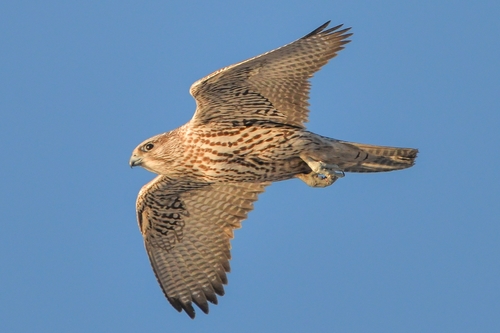
シロハヤブサ (Falco rusticolus) シロハヤブサ
ハヤブサ (Falco peregrinus) ハヤブサ

メディア

読み込み中…

要点

シロハヤブサとハヤブサの間で最も信頼できるフィールドマークは、全体的なサイズと構造です:シロハヤブサはずっとずっしりとしており、翼が広く、尾が長いのに対し、ハヤブサはよりコンパクトで角ばっています。飛行中、シロハヤブサは重く力強く見え、ハヤブサのシャープで尖った翼の形状や深い胸部が欠けています。羽毛はシロハヤブサでは変動があり、特に幼鳥の間で、茶色の形態はハヤブサの強い顔のマーキングが欠けています。幼鳥は混乱を招くことがありますが、シロハヤブサのストライプのある後頭部と頭頂部、そして大胆なマラーストライプの欠如を探してください。まず構造と飛行スタイルを使用し、その後顔のパターンと全体的な体格を確認してください。

識別のコツ

  1. Size and bulk: シロハヤブサはハヤブサよりもずっと大きく重いです。ずっしりとした体、広い翼、長い尾を持っています。特に止まっているときや他の鳥の隣にいるときに、これを最初のチェックとして使用してください。
  2. Wing shape in flight: シロハヤブサの翼はハヤブサの翼よりも広く、尖っていないため、より重く、ブトーのような印象を与えます。ハヤブサの翼は長く、狭く、鋭く尖っています。
  3. Facial pattern: すべての年齢のハヤブサは、太い黒い帽子と鋭く定義された暗いマラーストライプ(「口ひげ」)を示します。シロハヤブサは強いマラーストライプと帽子が欠けており、顔はより淡く、特に茶色の形態ではより混ざり合っています。
  4. Juvenile/immature plumage: 幼鳥のシロハヤブサは全体的に暗く、茶色がかっており、後頭部と頭頂部にクリーム色のストライプがあり、幼鳥のハヤブサのシャープな顔のマーキングが欠けています。幼鳥のハヤブサは強い暗いフードとよくマーキングされた口ひげを持ち、細かく縞模様のある腹部を持っています。
  5. Adult plumage variation: シロハヤブサは非常に変動が大きいです:白い形態はユニークで(ハヤブサには一致しません)、茶色の形態はストライプがあり、強い顔のマーキングが欠けています。黒い形態は黒い斑点のある腹部を持っています。ハヤブサの成鳥は常に青灰色で、白い縞模様のある腹部と黒い頭を持っています。
  6. Underpart markings: シロハヤブサ(特に黒い形態)は下に黒い斑点を示しますが、ハヤブサは細かく縞模様があります。茶色と銀色のシロハヤブサは下にストライプがあり、縞模様はありません。
  7. Flight style: シロハヤブサは重く力強い翼の打撃で飛び、ハヤブサよりも機敏さが少ないです。ハヤブサは速く、機敏で、高速で急降下する姿がよく見られます。
  8. Habitat context: 北極のツンドラや遠北では、シロハヤブサの方が可能性が高いです。温帯、都市、または広範囲にわたる開放的な生息地では、ハヤブサの方がはるかに可能性が高いです。
  9. Perched jizz: シロハヤブサは止まっているときに巨大で長い尾を持っているように見え、大きな頭と太い脚を持っています。ハヤブサはよりコンパクトで、深い胸と短い尾を持っています。
  10. Sexual dimorphism: 両種ともに雌が大きいですが、雌のハヤブサでさえ、雄のシロハヤブサよりも小さく、ずっしりとしていません。
  11. Color morphs: シロハヤブサだけが白または銀の形態を示します;ハヤブサは全体的に白または淡い灰色にはなりません。
  12. Facial contrast at distance: 遠くから見ると、ハヤブサの顔は大胆にマーキングされているように見えますが、シロハヤブサの顔は淡く、コントラストが少ないです。
  13. Nape and crown: シロハヤブサ(特に幼鳥)は後頭部と頭頂部にクリーム色のストライプを示します;ハヤブサは固体の暗い帽子を持っています。
  14. Tail length: シロハヤブサの尾は長く、広く、全体的な体格に寄与しています;ハヤブサの尾は短く、より四角いです。
  15. When marks fail: 光が悪い場合や遠くから見る場合は、まず構造と飛行スタイルに頼り、その後生息地と範囲を確認してください。もし鳥が全体的に白いか非常に淡い場合、それはシロハヤブサです。

大きさ

シロハヤブサは最大のハヤブサで、雄は48–61 cmの長さ(翼幅110–130 cm、体重805–1350 g)で、雌はさらに大きく(51–65 cm、翼幅124–134 cm、体重1180–2100 g)です。ハヤブサはより小さく、コンパクトです:雄と雌はどちらもかなり軽く、短く、カラスサイズの体格を持っています。フィールドでは、シロハヤブサは明らかにずっしりとしており、翼が広く、尾が長いのに対し、ハヤブサはより流線型で尖っています。大きな雌のハヤブサでさえ、どちらの性別のシロハヤブサよりもスリムで重さが少ないように見えます。

羽色

幼鳥と未熟なシロハヤブサは成鳥よりも暗く、茶色がかっており、後頭部と頭頂部にクリーム色のストライプがあり、鋭く定義されたマラーストライプや帽子が欠けています。これは、強い暗いフードとよくマーキングされたマラーストライプ(「口ひげ」)を示し、細かく縞模様のある腹部を持つ幼鳥のハヤブサと対照的です。成鳥のシロハヤブサは非常に変動が大きく、全白(ハヤブサの中ではユニーク)から暗い茶色または黒っぽいものまで様々ですが、茶色の形態でさえハヤブサのシャープな顔のマーキングが欠けています。黒い形態のシロハヤブサは黒い斑点のある腹部を持ち、ハヤブサの細かい縞模様はありません。銀色の形態のシロハヤブサは淡い灰色ですが、常に大きく、翼が広いです。ハヤブサの成鳥は上面が青灰色で、黒い頭と大胆な口ひげのストライプ、縞模様のある白い腹部を持っています。すべての年齢において、シロハヤブサの顔はハヤブサよりも淡く、シャープにマーキングされていないように見えます。どちらの種にも性別に基づく色の違いはありませんが、シロハヤブサの幼鳥は常に成鳥よりも暗いです。

行動

シロハヤブサは通常、開けたツンドラや北極の風景で狩りを行い、しばしば低く力強く飛び、大きな獲物や他の猛禽類を攻撃することもあります。彼らの飛行は重く直接的で、ハヤブサに典型的な迅速で機敏な急降下は少ないです。ハヤブサは高速の急降下と空中での機敏さで有名で、しばしば開けた場所、湿地、または都市の環境で鳥を狩ります。シロハヤブサは巣の近くで侵入者を攻撃することがあります、大型の哺乳類を含めて。両種ともに凶暴な捕食者ですが、ハヤブサは劇的な急降下で狩りをしているのが見られる可能性が高いです。

生息環境

シロハヤブサは高緯度の専門家で、北アメリカとシベリアの北極沿岸、ツンドラ、島々で繁殖し、通常は崖に巣を作り、冬の迷鳥として南に遠く出かけることはほとんどありません。ハヤブサははるかにコスモポリタンで、南極を除くすべての大陸に見られ、都市、湿地、崖、田畑など、広範囲にわたる開放的な生息地を占めています。ほとんどの温帯または都市環境では、大きなハヤブサはシロハヤブサよりもハヤブサである可能性がはるかに高いです。

より良い説明を送る

比較と同じ項目を使ってください。文章はすぐに公開されます。

The most reliable field mark between Gyr Falcon and Peregrine Falcon is overall size and structure: Gyr Falcon is much bulkier, with broader wings and a longer tail, while Peregrine is more compact and angular. In flight, Gyr Falcons appear heavy and powerful, lacking the crisp, pointed wing shape and deep chest of Peregrine. Plumage is variable in Gyr Falcon, especially among immatures, but brown morphs lack the Peregrine's strong facial markings. Immature birds can be confusing, but look for the Gyr's streaked nape and crown and absence of a bold malar stripe. Use structure and flight style first, then check for facial pattern and overall bulk.

  1. Size and bulk: Gyr Falcon is much larger and heavier than Peregrine, with a bulkier body, broader wings, and longer tail. Use this as your first check, especially when seen perched or next to other birds.
  2. Wing shape in flight: Gyr Falcon's wings are broader and less pointed than Peregrine's, giving a heavier, more buteo-like impression. Peregrine's wings are long, narrow, and sharply pointed.
  3. Facial pattern: Peregrine of all ages shows a bold black cap and a sharply defined dark malar stripe ('moustache'). Gyr Falcon lacks a strong malar stripe and cap; the face is paler and more blended, especially in brown morphs.
  4. Juvenile/immature plumage: Juvenile Gyr Falcons are darker and browner overall, with cream streaking on the nape and crown, and lack the crisp facial markings of juvenile Peregrines. Juvenile Peregrines have a strong dark hood and well-marked moustache, with finely barred underparts.
  5. Adult plumage variation: Gyr Falcon is highly variable: white morphs are unique (never matched by Peregrine), brown morphs are streaked and lack strong facial marks, black morphs have black-spotted underparts. Peregrine adults are always blue-grey above, with barred white underparts and a black head.
  6. Underpart markings: Gyr Falcon (especially black morph) shows black spots below, while Peregrine is finely barred. Brown and silver Gyrs are streaked below, not barred.
  7. Flight style: Gyr Falcon flies with heavy, powerful wingbeats and less agility than Peregrine. Peregrine is fast, agile, and often seen stooping at high speed.
  8. Habitat context: In Arctic tundra or far north, Gyr Falcon is more likely. In temperate, urban, or widespread open habitats, Peregrine is much more likely.
  9. Perched jizz: Gyr Falcon appears massive and long-tailed when perched, with a large head and thick legs. Peregrine is more compact, with a deep chest and shorter tail.
  10. Sexual dimorphism: Both species have larger females, but even a female Peregrine is smaller and less bulky than a male Gyr Falcon.
  11. Color morphs: Only Gyr Falcon shows white or silver morphs; Peregrine is never white or pale grey overall.
  12. Facial contrast at distance: At a distance, Peregrine's face appears boldly marked, while Gyr Falcon's face is pale and less contrasting.
  13. Nape and crown: Gyr Falcon (especially juveniles) shows cream streaking on nape and crown; Peregrine has a solid dark cap.
  14. Tail length: Gyr Falcon's tail is longer and broader, contributing to its overall bulk; Peregrine's tail is shorter and more squared.
  15. When marks fail: In poor light or at great distance, rely on structure and flight style first, then habitat and range. If the bird is all-white or very pale, it is a Gyr Falcon.

Gyr Falcon is the largest falcon, with males 48–61 cm long (wingspan 110–130 cm, weight 805–1350 g) and females even larger (51–65 cm, wingspan 124–134 cm, weight 1180–2100 g). Peregrine Falcon is smaller and more compact: males and females are both substantially lighter and shorter, with a crow-sized build. In the field, Gyr Falcon looks noticeably bulkier, with broader wings and a longer tail, while Peregrine is more streamlined and pointed. Even a large female Peregrine will look slighter and less massive than a Gyr Falcon of either sex.

Juvenile and immature Gyr Falcons are darker and browner than adults, with cream streaking on the nape and crown and lacking a sharply defined malar stripe or cap. This contrasts with juvenile Peregrines, which show a strong dark hood and a well-marked malar stripe ('moustache'), as well as finely barred underparts. Adult Gyr Falcons are highly variable, ranging from all-white (unique among falcons) to dark brown or blackish, but even the brown morphs lack the crisp facial markings of Peregrine. Black morph Gyrs have black-spotted underparts, not the fine barring of Peregrine. Silver morph Gyrs are pale grey, but always larger and broader-winged. Peregrine adults are blue-grey above, with a black head and bold moustachial stripe, and barred white underparts. In all ages, the Gyr's face appears paler and less sharply marked than Peregrine's. No sex-based color differences in either species, but Gyr juveniles are always darker than adults.

Gyr Falcons typically hunt over open tundra or Arctic landscapes, often flying low and powerfully, sometimes harassing large prey or even other raptors. Their flight is heavy and direct, with less of the rapid, agile stooping typical of Peregrine. Peregrine Falcons are famous for their high-speed stoops and aerial agility, often hunting birds in open areas, wetlands, or even urban settings. Gyr Falcons may harass intruders near their nests aggressively, including large mammals. Both species are fierce predators, but Peregrine is more likely to be seen hunting in dramatic dives.

Gyr Falcon is a high-latitude specialist, breeding on Arctic coasts, tundra, and islands of northern North America and Siberia, usually nesting on cliffs and rarely venturing far south except as a winter vagrant. Peregrine Falcon is much more cosmopolitan, found on every continent except Antarctica, and occupies a wide range of open habitats, including cities, wetlands, cliffs, and fields. In most temperate or urban settings, a large falcon is far more likely to be a Peregrine than a Gyr.

変更を破棄しますか?

保存していない編集があります。今離れると失われます。

シロハヤブサ · ハヤブサ · 苦手な鳥