

Motmot

ミゾハシカッコウ 対 セスジカッコウ

Crotophaga sulcirostris 対 Tapera naevia

ミゾハシカッコウとセスジカッコウのクイズ
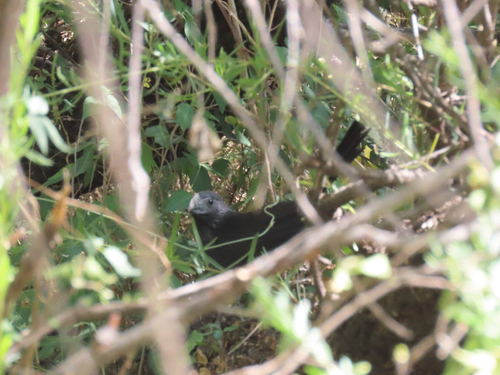
ミゾハシカッコウ (Crotophaga sulcirostris) ミゾハシカッコウ
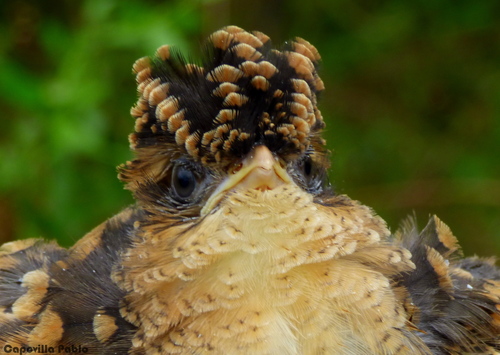
セスジカッコウ (Tapera naevia) セスジカッコウ

メディア

読み込み中…

要点

ミゾハシカッコウとセスジカッコウを区別するための最も信頼できるフィールドマークは、ミゾハシカッコウの完全に光沢のある黒い羽毛と巨大で深い溝のあるくちばしであり、セスジカッコウの縞模様のある茶色とクリーム色の上面、淡い眉斑、特徴的な栗色と黒の冠と対照的です。未熟なセスジカッコウはさらに赤褐色で斑点があり、全体が黒いことはありません。飛んでいる時や止まっている時、ミゾハシカッコウの長くて柔らかい尾と共同的で目立つ行動は、セスジカッコウの孤独で秘密主義的な習性とより段階的な尾と鋭く対照的です。大きくて黒いオウムのようなくちばしを持つ鳥の群れを見たら、それはミゾハシカッコウです。縞模様のある隠れたカッコウを見たら、それはセスジカッコウです。

識別のコツ

  1. 全体が黒い羽毛: ミゾハシカッコウは全ての年齢で光沢のある黒色であり、セスジカッコウは決して全体が黒くなることはなく、常に上面は茶色とクリーム色の縞模様で、下側は淡い色です。
  2. くちばしの形と溝: ミゾハシカッコウは明らかな縦の溝がある巨大で高いアーチ状のくちばしを持っています。セスジカッコウのくちばしは細く、わずかに下向きで、溝がありません。遠くからでも、ミゾハシカッコウのくちばしはオウムのように見えます。
  3. 冠: セスジカッコウは栗色と黒の冠を持ち、しばしば立ち上がっています。ミゾハシカッコウには冠がありません。
  4. 顔の模様: セスジカッコウは淡い眉斑(アイブロウ)と縞模様のある顔を示します。ミゾハシカッコウの顔は単純な黒色です。
  5. 尾の形と長さ: 両方とも長い尾を持っていますが、ミゾハシカッコウの尾は特に長く、広く、柔らかく、体とほぼ同じ長さです。セスジカッコウの尾は長いですが、より段階的で大きくありません。
  6. 未熟な羽毛: 若いセスジカッコウはさらに赤褐色で斑点があり、決して黒くなりません。ミゾハシカッコウの未熟な個体はまだ全体が黒いです。
  7. 群れと孤独: ミゾハシカッコウはほぼ常に群れで見られ、しばしば数羽が一緒に開けた場所にいます。セスジカッコウは孤独で恥ずかしがり屋です。
  8. 止まっている時の行動: ミゾハシカッコウはオープンに止まり、しばしば尾を振ります。セスジカッコウは歌っている時以外は隠れていることが多いです。
  9. 飛行スタイル: ミゾハシカッコウは速くて切れのある羽ばたきと短い滑空を交互に行い、しばしば緩い群れで飛びます。セスジカッコウはカバーの間を短く低く飛ぶことが多く、通常は一羽でいます。
  10. 生息地の文脈: ミゾハシカッコウは開けた牧草地、サバンナ、果樹園を好みます。セスジカッコウは茂みの多い藪やマングローブの端、密なカバーを好みます。
  11. 鳴き声: セスジカッコウの明確で笛のような二音または三音の鳴き声を聞いてください。ミゾハシカッコウの鳴き声は異なり、しばしば群れで発せられます。
  12. サイズと体重: ミゾハシカッコウはより大きく、重く、体重は約74.5g、長さは約34cmです。セスジカッコウは約27cmで40gと小さく、軽いです。
  13. 季節的な移動: ミゾハシカッコウは冬にその範囲の北端から退くことがあります。セスジカッコウはその範囲全体に常駐しています。
  14. 落とし穴: 一部のオオハシカッコウはくちばしに溝を示すことがありますが、セスジカッコウは決して巨大で溝のあるくちばしや全体が黒い羽毛を持ちません。
  15. クイックチェック: 大きくて全体が黒く、群れで生活する巨大なくちばしを持つ鳥を見たら、それはミゾハシカッコウです。孤独で縞模様のある、淡い眉を持つ鳥を見たら、それはセスジカッコウです。

大きさ

ミゾハシカッコウは明らかに大きく、重く、体重は約74.5g、長さは約34cmです。セスジカッコウは約27cmで40gと小さく、軽いです。ミゾハシカッコウはまた、より長い翼幅(41–46cm)とより頑丈な体型を持っています。フィールドでは、ミゾハシカッコウは特にその比率的に非常に長い尾のために、より頑丈で細長く見えます。

羽色

セスジカッコウには年齢や季節によって本当に全体が黒い外観は与えられません。成鳥は上面が茶色とクリーム色の縞模様で、淡い眉斑と栗色と黒の冠を持ち、下側はオフホワイトです。未熟な個体はさらに赤褐色で斑点があり、背中や翼にクリーム色の斑点があります。対照的に、ミゾハシカッコウは全ての年齢で完全に黒く、翼、尾、下側も含まれ、光沢のある光沢があります。飛んでいる時、ミゾハシカッコウは均一な暗い翼と尾を示し、セスジカッコウは上面によりパターン化された縞模様の外観と淡い腹面を示します。ミゾハシカッコウのくちばしは常に大きくて溝がありますが、セスジカッコウのくちばしは細くて溝がありません。ミゾハシカッコウの尾は非常に長くて広いですが、セスジカッコウの尾は長いですが、より段階的で大きくありません。

行動

ミゾハシカッコウは非常に社交的で、騒がしい群れで見られることが多く、開けた場所に目立って止まり、急な切れのある飛行で一緒に移動します。彼らはしばしばオープンに座り、長い尾を振ります。セスジカッコウは孤独で非常に恥ずかしがり屋で、通常は茂みや低木に隠れ、歌っている時以外はオープンに止まることはほとんどありません。カッコウは隠れたり、カバーの間を短く低く飛んだりすることが多いです。

生息環境

両種は散在する木や低木のある開けた国を好みますが、ミゾハシカッコウは牧草地、サバンナ、果樹園にいることが多く、しばしば群れで見られます。セスジカッコウも開けた場所を利用しますが、マングローブの端や茂みの多い藪を好み、密なカバーにいることが多いです。ミゾハシカッコウのオープンに止まる傾向は、カッコウが隠れていることを好むことと対照的です。

声

ミゾハシカッコウとセスジカッコウは、彼らの範囲が重なる場所で声によって最もよく区別されます。ミゾハシカッコウの鳴き声はここで詳細には説明されていませんが、カッコウの鳴き声とは異なることが知られています。セスジカッコウは笛のような二音または三音の鳴き声(wu-weeeまたはwu-wu-wee)を出し、バーダーによってしばしば模倣されて引き寄せられます。カバーから明確な笛のような鳴き声が聞こえたら、セスジカッコウを疑ってください。鳴き声がより多様で群れから聞こえる場合は、ミゾハシカッコウを疑ってください。

より良い説明を送る

比較と同じ項目を使ってください。文章はすぐに公開されます。

The most reliable field mark for separating Groove-billed Ani from Striped Cuckoo is the ani’s entirely glossy black plumage and massive, deeply grooved bill, versus the cuckoo’s streaked brown-and-buff upperparts, pale supercilium, and distinctive chestnut-black crest. Immature Striped Cuckoos are even more rufous and spotted, never all-black. In flight or perched, the ani’s long, floppy tail and communal, conspicuous behavior contrast sharply with the cuckoo’s solitary, secretive habits and more graduated tail. If you see a large, black, parrot-billed bird in a group, it’s the ani; if you spot a streaky, cryptic cuckoo with a raised crest, it’s the Striped Cuckoo.

  1. All-black plumage: Groove-billed Ani is glossy black all over at all ages; Striped Cuckoo is never all-black, always streaked brown and buff above with pale underparts.
  2. Bill shape and grooves: Ani has a massive, high-arched bill with obvious lengthwise grooves; Striped Cuckoo’s bill is slender, slightly decurved, and lacks grooves. Even from a distance, the ani’s bill looks parrot-like.
  3. Crest: Striped Cuckoo has a chestnut and black crest, often raised; Groove-billed Ani lacks any crest.
  4. Facial pattern: Striped Cuckoo shows a pale supercilium (eyebrow) and a streaked face; ani’s face is plain black.
  5. Tail shape and length: Both have long tails, but ani’s is exceptionally long, broad, and floppy, almost as long as its body; cuckoo’s tail is long but more graduated and less massive.
  6. Immature plumage: Young Striped Cuckoos are even more rufous and spotted above, never black; Groove-billed Ani immatures are still all-black.
  7. Group vs solitary: Ani is almost always in groups, often several birds together in the open; Striped Cuckoo is solitary and shy.
  8. Perched behavior: Ani perches openly, often flicking its tail; cuckoo tends to stay hidden except when singing.
  9. Flight style: Ani alternates quick, choppy flaps with short glides, often in loose groups; cuckoo makes short, low flights between cover, usually alone.
  10. Habitat context: Ani favors open pastures, savannas, and orchards; cuckoo prefers bushy thickets, mangrove edges, and dense cover.
  11. Vocalizations: Listen for the Striped Cuckoo’s clear, whistled two- or three-note call; ani’s calls are different and often given by a group.
  12. Size and bulk: Ani is larger and heavier, with a bulkier body and longer wingspan; cuckoo is smaller and lighter.
  13. Seasonal movement: Ani may retreat from the northern edge of its range in winter; cuckoo is resident throughout its range.
  14. Pitfalls: Some Smooth-billed Anis can show grooves on the bill, but Striped Cuckoo never has a massive, grooved bill or all-black plumage.
  15. Quick check: If you see a large, all-black, group-living bird with a huge bill, it’s an ani. If you see a solitary, streaky, crested bird with a pale eyebrow, it’s a Striped Cuckoo.

Groove-billed Ani is noticeably larger and heavier, with a body mass around 74.5 g and a length of about 34 cm. Striped Cuckoo is smaller and lighter, at about 27 cm and 40 g. The ani also has a longer wingspan (41–46 cm) and a bulkier build. In the field, the ani appears more robust and elongated, especially due to its proportionally very long tail.

No age or season gives Striped Cuckoo a truly all-black look: adults are streaked brown and buff above, with a pale eyebrow and a chestnut-black crest; underparts are off-white. Immatures are even more rufous and spotted above, with buffy marks on the back and wings. Groove-billed Ani, by contrast, is entirely black at all ages, including the wings, tail, and underparts, with a glossy sheen. In flight, ani shows a uniform dark wing and tail, while Striped Cuckoo shows a more patterned, streaked appearance above and a paler underside. The ani’s bill is always large and grooved; the cuckoo’s is slender and lacks grooves. The ani’s tail is very long and broad, while the cuckoo’s is long but more graduated and less massive.

Groove-billed Ani is highly social, often seen in noisy groups, perching conspicuously in open areas, and moving together with jerky, choppy flights. They often sit out in the open, flicking their long tails. Striped Cuckoo is solitary and much shyer, usually staying hidden in bushes or low trees, rarely perching in the open except when singing. The cuckoo is more likely to be seen skulking or making short, low flights between cover.

Both species favor open country with scattered trees or shrubs, but Groove-billed Ani is more likely in pastures, savannas, and orchards, often in groups. Striped Cuckoo also uses open areas but prefers edges of mangroves, bushy thickets, and is more often found in dense cover. The ani’s tendency to perch in the open contrasts with the cuckoo’s preference for staying hidden.

Groove-billed Ani and Striped Cuckoo are best separated by voice where their ranges overlap. The ani’s calls are not described in detail here, but are known to be distinctive and different from the cuckoo’s. Striped Cuckoo gives a whistled, two- or three-note call (wu-weee or wu-wu-wee), which is often imitated by birders to attract it. If you hear a clear, whistled call from cover, suspect Striped Cuckoo; if the calls are more varied and from a group, suspect ani.

変更を破棄しますか?

保存していない編集があります。今離れると失われます。

ミゾハシカッコウ · セスジカッコウ · 苦手な鳥