

Motmot

ハイイロガン 対 ヒシクイ

Anser anser 対 Anser serrirostris

ハイイロガンとヒシクイのクイズ
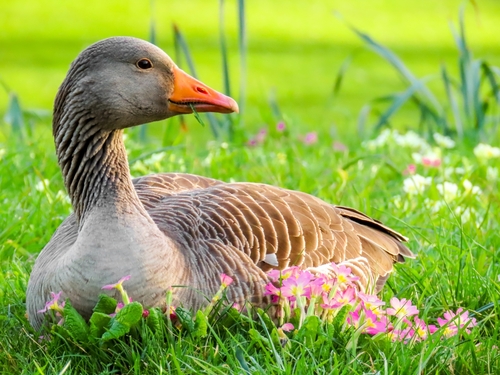
ハイイロガン (Anser anser) ハイイロガン
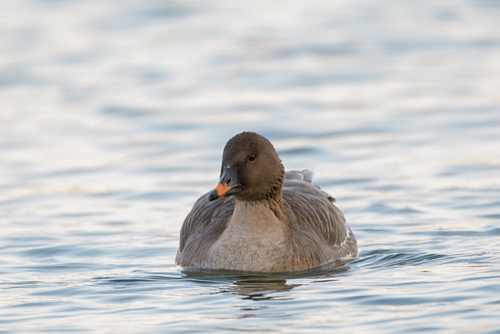
ヒシクイ (Anser serrirostris) ヒシクイ

メディア

読み込み中…

要点

ハイイロガンとヒシクイを区別する最も信頼できるフィールドマークはくちばしです:ハイイロガンは均一なオレンジ色のくちばしを示し、ヒシクイは主に黒いくちばしに中央に明確なオレンジ色の帯があります。飛行中または静止中、ハイイロガンの淡い灰色の前羽と尾は、ヒシクイの暗い上羽カバーと対照的です。脚の色も役立ちます:ハイイロガンはピンクの脚を持ち、ヒシクイは明るいオレンジ色の脚を持っています。サイズは似ていますが、ハイイロガンは平均してやや重いです。幼鳥のハイイロガンは黒い腹部の斑点がなく、脚はより灰色ですが、くちばしと羽のパターンは最良のフィールドの手がかりのままです。

識別のコツ

  1. Bill color and pattern: ハイイロガンは均一なオレンジ色のくちばしを持ち、ヒシクイのくちばしは主に黒く、中央に明確なオレンジ色の帯があります。これはすべての年齢と季節で最も一貫していて目に見えるフィールドマークです。
  2. Leg color: ハイイロガンはピンクの脚を示し、ヒシクイは明るいオレンジ色の脚と足を持っています。これは特に鳥が立っているときや歩いているときに役立ちます。
  3. Upperwing pattern in flight: ハイイロガンは淡い灰色の前羽と尾を示し、暗い飛行羽と淡い羽カバーと対照的です。ヒシクイの上羽カバーは暗い茶色で狭い白い縁取りがあり、飛行中により暗い印象を与えます。これは成鳥と幼鳥の両方で見ることができます。
  4. Plumage tone: ハイイロガンは一般的に全体的に淡く灰色で、胸と腹は淡い(成鳥にはしばしば黒い斑点があります)。ヒシクイはより茶色で暗く、ハイイロガンの淡い上面が欠けています。
  5. Flank and rump: ハイイロガンは上側の腹部を囲む白いラインと淡い尾を持ち、鳥が伸びたり飛んだりするときに両方が見えます。ヒシクイはこれらの淡いハイライトが欠けています。
  6. Neck pattern: 成鳥のハイイロガンは首に羽の折りたたみの「コンサーティーナ」パターンを示すことが多く、ヒシクイではあまり明白でないか、欠けています。
  7. Juvenile marks: 幼鳥のハイイロガンは黒い腹部の斑点がなく、灰色がかった脚を持っていますが、オレンジ色のくちばしと淡い羽のパターンはまだ示しています。若い鳥にはくちばしと羽を使用してください。
  8. Size and structure: ハイイロガンは平均してややがっしりしていて重いですが、これは直接比較にのみ役立ち、単独では信頼できません。
  9. Voice: ハイイロガンの大きくてカッカッという、家禽のような鳴き声を聞いてください、特に飛行中に。ヒシクイの鳴き声はあまり特徴的で、より鼻にかかったものです。
  10. Habitat and context: 両種は冬に開けた湿地や野原で一緒に見られることがあります;分離のために生息地だけに頼らないでください。
  11. Beware of hybrids and domestic geese: 一部の家禽はハイイロガンから派生しており、変動するくちばしや脚の色を示すことがあります。常に野生型の構造とフィールドマークを確認してください。
  12. Seasonal variation: 両種は換羽を行い、夏の終わりには見た目が乱れることがあります;くちばしと羽のパターンは信頼できます。
  13. Sex and age: 両種には性的二形性はほとんどありません;すべての個体に対して構造的および羽毛のマークを使用してください。
  14. Flock composition: 冬には混合群れが可能です;両方が一緒に発生する可能性があるため、各鳥を個別に確認してください。
  15. Lighting pitfalls: 光が悪いときは、くちばしと脚の色を判断するのが難しい場合があります;羽のパターンと全体的なトーンをバックアップとして使用してください。

大きさ

両種は大型のガンでサイズが重なりますが、ハイイロガンは平均してやや重いです(平均体重約3465g [wikidata])ヒシクイ(オスは平均3200g、メスは2840g [wikipedia])。長さは似ています:ハイイロガン74–91 cm、ヒシクイ68–90 cm。フィールドでは、サイズだけでは信頼できる区別にはならず、鳥が並んでいない限り、重なりがかなりあります。

羽色

幼鳥:ハイイロガンの幼鳥は成鳥に見られる胸と腹の黒い斑点がなく、脚はより灰色ですが、全体的な構造とくちばしは診断的です。ヒシクイの幼鳥は特に記述されていませんが、狭い白い縁取りのある暗い上羽カバーは年齢に関係なく一貫しています。

成鳥:ハイイロガンはまだらで縞模様の灰色と白の羽毛を示し、胸と腹は黒い斑点で変動的にマークされ、淡い灰色の前羽と尾(特に飛行中に目立つ)を持ち、上側の腹部を囲む白いラインがあります。羽カバーは淡く、暗い飛行羽と対照的です。ヒシクイは全体的に茶色で、暗い茶色の上羽カバーは狭い白い縁取りがあり、ハイイロガンの淡い灰色の前羽と尾が欠けています。くちばしのパターンは驚くほど異なります:ハイイロガンのくちばしはすべてオレンジ色で、ヒシクイのくちばしは主に黒く、オレンジ色の帯があります。脚の色はハイイロガンがピンク、ヒシクイが明るいオレンジです。

飛行中、ハイイロガンの淡い前羽と尾が際立ち、ヒシクイの羽はより暗く均一に見えます。

行動

両種は社交的で、特に繁殖期以外は群れで見られることが多いです。ハイイロガンは大きなカッカッという鳴き声で知られ、飛行中や地上でかなり声を出すことができます。両種は開けた野原や湿地で草を食べます。フィールドでの区別に役立つような主要な行動の違いはありません。

生息環境

ハイイロガンはヨーロッパと西アジアの広範な湿地生息地で繁殖し、冬を越します。低地の湖、湿地、農地でよく見られます。ヒシクイは北シベリアのツンドラで繁殖し、アジアの南部で冬を越しますが、重なり合う地域(例:冬のヨーロッパ)では、両方が開けた湿地や野原で一緒に見られることがあります。生息地は重なり合う範囲では信頼できる区別にはなりません。

声

ハイイロガンは大きくてカッカッという「アーン-ウン-ウン」という鳴き声を持ち、家禽のようで、しばしば犬のように吠えると表現されます。ヒシクイの鳴き声はメモに詳細がなく、一般的にハイイロガンと比べてホンキングが少なく、より鼻にかかったり、ざらざらしたものです。混合群れでは、ハイイロガンの鳴き声は通常より深く、共鳴します。

より良い説明を送る

比較と同じ項目を使ってください。文章はすぐに公開されます。

The most reliable field mark to separate Greylag Goose from Tundra Bean Goose is the bill: Greylag shows a uniformly orange bill, while Tundra Bean Goose has a mostly black bill with a distinct orange band across the middle. In flight or at rest, Greylag’s pale grey forewing and rump contrast with Tundra Bean’s darker upperwing coverts. Leg color also helps: Greylag has pink legs, Tundra Bean’s are bright orange. Size is similar, but Greylag averages slightly heavier. Juvenile Greylags lack black belly spots and have greyer legs, but the bill and wing pattern remain the best field clues.

  1. Bill color and pattern: Greylag Goose has a uniformly orange bill; Tundra Bean Goose’s bill is mostly black with a distinct orange band across the middle. This is the most consistent and visible field mark at all ages and seasons.
  2. Leg color: Greylag shows pink legs, while Tundra Bean Goose has bright orange legs and feet. This is especially helpful when birds are standing or walking.
  3. Upperwing pattern in flight: Greylag displays a pale grey forewing and rump, contrasting with darker flight feathers and pale wing coverts. Tundra Bean Goose’s upperwing coverts are dark brown with narrow white fringes, giving a much darker impression in flight. This is visible in both adults and immatures.
  4. Plumage tone: Greylag is generally paler and greyer overall, with a paler breast and belly (often with black spots in adults). Tundra Bean Goose is browner and darker, lacking the pale upperparts of Greylag.
  5. Flank and rump: Greylag has a white line bordering the upper flanks and a pale rump, both visible when the bird is stretching or in flight. Tundra Bean lacks these pale highlights.
  6. Neck pattern: Adult Greylag Geese often show a 'concertina' pattern of feather folds on the neck, which is less obvious or absent in Tundra Bean.
  7. Juvenile marks: Juvenile Greylags lack black belly spots and have greyish legs, but still show the orange bill and pale wing pattern. Use bill and wing for young birds.
  8. Size and structure: Greylag is slightly bulkier and heavier on average, but this is only useful in direct comparison and is not reliable alone.
  9. Voice: Listen for the loud, cackling, domestic-goose-like calls of Greylag, especially in flight. Tundra Bean’s calls are less distinctive and more nasal.
  10. Habitat and context: Both species may occur together in winter in open wetlands and fields; do not rely on habitat alone for separation.
  11. Beware of hybrids and domestic geese: Some domestic geese are derived from Greylag and may show variable bill and leg colors. Always check for wild-type structure and field marks.
  12. Seasonal variation: Both species undergo molt and may look scruffier in late summer; bill and wing pattern remain reliable.
  13. Sex and age: There is little sexual dimorphism in either species; use structural and plumage marks for all individuals.
  14. Flock composition: Mixed flocks are possible in winter; check each bird individually, as both can occur together.
  15. Lighting pitfalls: In poor light, bill and leg color may be hard to judge; use wing pattern and overall tone as backup.

Both species are large geese and overlap in size, but Greylag Goose averages slightly heavier (mean body mass ~3465g [wikidata]) than Tundra Bean Goose (males average 3200g, females 2840g [wikipedia]). Length is similar: Greylag 74–91 cm, Tundra Bean 68–90 cm. In the field, size alone is not a reliable separator unless birds are side by side, and even then, overlap is considerable.

Juveniles: Greylag juveniles lack the black speckling on breast and belly seen in adults and have greyer legs, but their overall structure and bill remain diagnostic. Tundra Bean Goose juveniles are not specifically described, but the dark upperwing coverts with narrow white fringes are consistent across ages.

Adults: Greylag Goose shows a mottled and barred grey and white plumage, with a paler breast and belly variably marked with black spots, a pale grey forewing and rump (especially noticeable in flight), and a white line bordering the upper flanks. The wing coverts are pale, contrasting with darker flight feathers. Tundra Bean Goose is browner overall, with dark brown upperwing coverts edged narrowly in white, and lacks the pale grey forewing and rump of Greylag. The bill pattern is strikingly different: Greylag’s is all orange, Tundra Bean’s is mostly black with an orange band. Leg color is pink in Greylag, bright orange in Tundra Bean.

In flight, Greylag’s pale forewing and rump stand out, while Tundra Bean’s wings look darker and more uniform.

Both species are social and often seen in flocks, especially outside the breeding season. Greylag Goose is known for loud cackling calls and can be quite vocal in flight and on the ground. Both species graze in open fields and wetlands. There are no major behavioral differences noted that are useful for field separation.

Greylag Goose breeds and winters in a wide range of wetland habitats across Europe and western Asia, often in lowland lakes, marshes, and agricultural fields. Tundra Bean Goose breeds in northern Siberian tundra and winters further south in Asia, but in overlapping regions (e.g., Europe in winter), both may be found together in open wetlands and fields. Habitat is not a reliable separator where ranges overlap.

Greylag Goose has a loud, cackling 'aahng-ung-ung' call, reminiscent of domestic geese and often described as baying like hounds. Tundra Bean Goose vocalizations are not detailed in the notes, but are generally less honking and more nasal or grating compared to Greylag. In mixed flocks, Greylag’s call is usually deeper and more resonant.

変更を破棄しますか?

保存していない編集があります。今離れると失われます。

ハイイロガン · ヒシクイ · 苦手な鳥