

Motmot

キセキレイ 対 ニシツメナガセキレイ

Motacilla cinerea 対 Motacilla flava

キセキレイとニシツメナガセキレイのクイズ
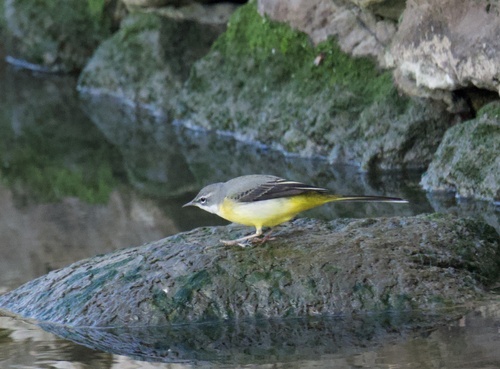
キセキレイ (Motacilla cinerea) キセキレイ
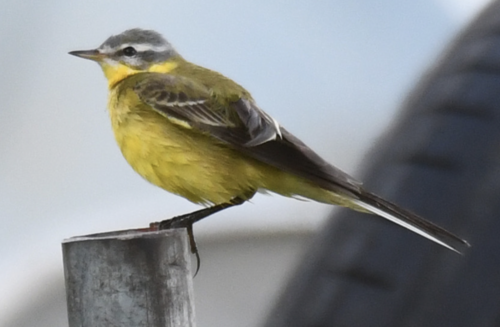
ニシツメナガセキレイ (Motacilla flava) ニシツメナガセキレイ

メディア

読み込み中…

要点

キセキレイとニシツメナガセキレイを区別する最も信頼できる方法は、腹部の黄色の分布と強度によるものです:キセキレイは黄色が肛門と(繁殖期のオスでは)喉に限られ、他は白っぽい腹部を持つのに対し、ニシツメナガセキレイは全体的に黄色で、特に成鳥では顕著です。キセキレイは明らかに長い尾と灰色の上面を持ち、ニシツメナガセキレイは尾が短く、上面はオリーブ色です。飛んでいる時や止まっている時には、繁殖期のオスのキセキレイの狭い白い眉斑と黒い喉の斑点を探してください。一方、ニシツメナガセキレイは頭の模様がより変動的です。両種の幼鳥は混乱を招くほど淡いことがありますが、構造的な違いと黄色の広がりが重要です。両種とも尾を振りますが、好む生息地や全体的な印象は異なります。

識別のコツ

  1. Yellow distribution: キセキレイは黄色が肛門と(繁殖期のオスでは)喉に限られています; ニシツメナガセキレイは全体的に黄色です(すべての年齢、特に成鳥)。
  2. Tail length: キセキレイの尾は非常に長く、目立ち、止まっている時には翼の先端を大きく超えることがあります。ニシツメナガセキレイは最も短い尾を持つヨーロッパのセキレイです(すべての年齢)。
  3. Upperparts color: キセキレイは常に上面が灰色です; ニシツメナガセキレイは上面がオリーブグリーンです(すべての年齢)。
  4. Supercilium: キセキレイは狭く、鮮明な白い眉斑を持っています; ニシツメナガセキレイの眉斑は亜種によって異なり、通常はあまり明確ではありません。
  5. Throat color (breeding males): キセキレイは白で縁取られた黒い喉を示します; ニシツメナガセキレイの喉は黄色または白で、決して黒ではありません。
  6. Head pattern: ニシツメナガセキレイのオスは亜種によってさまざまな頭の色(青、黒、緑がかった、または白い眉斑)を示すことがあります; キセキレイはこれらの頭の模様を示しません。
  7. Underpart color (juveniles): 幼鳥のニシツメナガセキレイは下側が白っぽく見えることがありますが、キセキレイの黄色い肛門は欠けています。幼鳥のキセキレイは常に黄色い肛門と灰色の上面を持っています。
  8. Habitat: キセキレイはほぼ常に流れる水の近くにいます、都市環境でも; ニシツメナガセキレイは開けた湿った草地を好み、川沿いにはめったに見られません。
  9. Behavior: キセキレイはしばしば一人またはペアで採餌し、水の近くの岩や木に止まることがあります; ニシツメナガセキレイは開けた野原で群れで見られることが多いです。
  10. Flight style: キセキレイの長い尾はより細長く、波打つような飛行を与えます; ニシツメナガセキレイはよりコンパクトで敏捷に見えます。
  11. Call: キセキレイの鋭い「チーチープ」と、ニシツメナガセキレイの高い「ジート」を聞いてくださいが、悪条件では重複に注意してください。
  12. Seasonal context: ヨーロッパでは、両種は春と夏に存在しますが、ニシツメナガセキレイは開けた国にいる可能性が高く、キセキレイは川沿いにいます。
  13. Perched jizz: キセキレイは長くてスリムに見え、低く水平な姿勢を持っています; ニシツメナガセキレイはより直立していてコンパクトです。
  14. Flock size: ニシツメナガセキレイは特に移動中に大きな群れを形成することが多いです; キセキレイは通常は孤独またはペアでいます。
  15. Pitfalls: 両種の幼鳥や非繁殖鳥は淡く混乱を招くことがありますが、尾の長さ、上面の色、肛門の黄色の有無に注目してください。

大きさ

キセキレイはわずかに大きく、明らかに長い尾を持ち、全長約18〜19 cm、体重は約17.4 gです [wikidata]。ニシツメナガセキレイはよりコンパクトで、15〜16 cmで、最も短い尾を持つヨーロッパのセキレイです [wikipedia]。フィールドでは、キセキレイの細長い体と尾は明らかで、特に止まっている時や飛んでいる時に目立ち、ニシツメナガセキレイはより華奢でコンパクトに見えます。

羽色

行動

両種は常に尾を振りますが、キセキレイは一人またはペアで見られることが多く、しばしば流れる水の近くにいて、時には川の近くの岩や木に止まります。冬には、キセキレイは道路脇で採餌し、前方に飛び立ち、同じ場所に戻ることがあります。ニシツメナガセキレイは開けた国、特に湿った草地で見られることが多く、流れる水にあまり依存しません。両種は昆虫食で、地面で採餌しますが、キセキレイの水との関連性と止まり木に戻る習性は特徴的です。

生息環境

キセキレイは流れる水、すなわち小川、川、時には都市の水路に強く関連しており、特に繁殖期に顕著です。水の近くの人工構造物を巣作りに利用することがあります。ニシツメナガセキレイは開けた湿った生息地、例えば湿った草地や湿地を好み、通常は速い流れの水から離れています。草地や牧草地でセキレイを見かけた場合、特に群れの中では、ニシツメナガセキレイである可能性が高く、川や小川の近く、特に一人またはペアでいる場合は、キセキレイが好まれます。

声

キセキレイは鋭く明確な「チーチープ」という鳴き声を出し、特に飛び立つときに顕著です。その歌はトリルと高音の連続で、しばしばディスプレイフライト中に行われます。ニシツメナガセキレイの鳴き声は高音の「ジート」です。両者とも高音ですが、キセキレイの鳴き声はより鋭く金属的で、歌はより elaborate です。実際には、鳴き声は役立ちますが、よく聞こえない場合は混乱することがあります。

より良い説明を送る

比較と同じ項目を使ってください。文章はすぐに公開されます。

The most reliable way to separate Grey Wagtail from Western Yellow Wagtail is by the distribution and intensity of yellow on the underparts: Grey Wagtail shows yellow limited to the vent and (in breeding males) the throat, with otherwise whitish underparts, while Western Yellow Wagtail is yellow below throughout, especially in adults. Grey Wagtail also has a noticeably longer tail and grey upperparts, whereas Western Yellow Wagtail is shorter-tailed and olive above. In flight or at rest, look for the Grey Wagtail’s narrow white supercilium and black throat patch in breeding males, versus the more variable head patterns of Western Yellow Wagtail. Juveniles of both can be confusingly pale, but the structural differences and extent of yellow remain key. Both species wag their tails, but their preferred habitats and overall jizz differ.

  1. Yellow distribution: Grey Wagtail has yellow limited to the vent and (in breeding males) the throat; Western Yellow Wagtail is yellow below throughout (all ages, but especially adults).
  2. Tail length: Grey Wagtail’s tail is much longer and more prominent, often extending well beyond the wingtips when perched. Western Yellow Wagtail is the shortest-tailed European wagtail (all ages).
  3. Upperparts color: Grey Wagtail is always grey above; Western Yellow Wagtail is olive-green above (all ages).
  4. Supercilium: Grey Wagtail has a narrow, crisp white supercilium; Western Yellow Wagtail’s supercilium varies with subspecies and is usually less defined.
  5. Throat color (breeding males): Grey Wagtail shows a black throat bordered by white; Western Yellow Wagtail’s throat is yellow or white, never black.
  6. Head pattern: Western Yellow Wagtail males can show a variety of head colors (blue, black, greenish, or white supercilium), depending on subspecies; Grey Wagtail never shows these head patterns.
  7. Underpart color (juveniles): Juvenile Western Yellow Wagtail may appear whitish below but still lacks the yellow vent of Grey Wagtail. Juvenile Grey Wagtail always has a yellow vent and grey upperparts.
  8. Habitat: Grey Wagtail is almost always near running water, even in urban settings; Western Yellow Wagtail prefers open, wet meadows and is rarely found along streams.
  9. Behavior: Grey Wagtail often forages alone or in pairs, sometimes perching on rocks or trees by water; Western Yellow Wagtail is more likely to be seen in flocks in open fields.
  10. Flight style: Grey Wagtail’s long tail gives a more elongated, undulating flight; Western Yellow Wagtail appears more compact and agile.
  11. Call: Listen for the sharp 'chi-cheep' of Grey Wagtail versus the high 'jeet' of Western Yellow Wagtail, but beware of overlap in poor conditions.
  12. Seasonal context: In Europe, both species are present in spring and summer, but Western Yellow Wagtail is more likely in open country, Grey Wagtail along streams.
  13. Perched jizz: Grey Wagtail appears longer and sleeker, with a low, horizontal posture; Western Yellow Wagtail is more upright and compact.
  14. Flock size: Western Yellow Wagtail often gathers in larger groups, especially on migration; Grey Wagtail is usually solitary or in pairs.
  15. Pitfalls: Juvenile and non-breeding birds of both species can look pale and confusing, but focus on tail length, upperpart color, and the presence or absence of yellow on the vent.

Grey Wagtail is slightly larger and distinctly longer-tailed, measuring about 18–19 cm in length and weighing around 17.4 g [wikidata]. Western Yellow Wagtail is more compact, at 15–16 cm, and is the shortest-tailed European wagtail [wikipedia]. In the field, Grey Wagtail’s elongated body and tail are obvious, especially when perched or in flight, while Western Yellow Wagtail appears daintier and more compact.

  • Juveniles/immatures: Both species can appear pale below, but juvenile Western Yellow Wagtail often shows whitish or diluted yellow underparts, while Grey Wagtail juveniles retain the yellow vent and grey upperparts. Neither species is described as having a distinctive upperwing pattern in flight at this age in the provided notes.
  • Adult breeding males: Grey Wagtail has a black throat bordered by whitish moustachial stripes, grey upperparts, and yellow restricted to the vent and throat. Western Yellow Wagtail males are olive above and bright yellow below, with head color and pattern varying by subspecies (from blue-grey to black or greenish, sometimes with a white supercilium).
  • Females/non-breeding: Both species are duller, but Grey Wagtail still shows a yellow vent and grey upperparts, while Western Yellow Wagtail females remain yellowish below (though sometimes paler) and olive above. The supercilium is always narrower and more defined in Grey Wagtail.
  • Key contrast: The extent and location of yellow is diagnostic: Grey Wagtail’s yellow is restricted, Western Yellow Wagtail’s is extensive.

Both species wag their tails constantly, but Grey Wagtail is more likely to be seen singly or in pairs, often along running water, and sometimes perches on rocks or trees near streams. In winter, Grey Wagtails may forage along roadsides, flushing ahead and returning to the same spot. Western Yellow Wagtail is more often found in open country, especially wet meadows, and is less tied to running water. Both species are insectivorous and forage on the ground, but the Grey Wagtail’s association with water and its habit of returning to a perch are distinctive.

Grey Wagtail is strongly associated with running water—streams, rivers, and sometimes urban watercourses—especially in the breeding season. It may use man-made structures near water for nesting. Western Yellow Wagtail prefers open, damp habitats such as wet meadows and marshy fields, usually away from fast-flowing water. If you see a wagtail in a meadow or pasture, especially in a flock, it is much more likely to be a Western Yellow Wagtail; if it is along a stream or riverbank, especially alone or in a pair, Grey Wagtail is favored.

Grey Wagtail gives a sharp, clear 'chi-cheep' call, especially when flushed. Its song is a series of trills and high notes, often delivered during display flights. Western Yellow Wagtail’s call is a high-pitched 'jeet.' While both are high-pitched, the Grey Wagtail’s call is sharper and more metallic, and the song is more elaborate. In practice, calls are helpful but can be confused if not heard well.

変更を破棄しますか?

保存していない編集があります。今離れると失われます。

キセキレイ · ニシツメナガセキレイ · 苦手な鳥