

Motmot

ハイイロガラ 対 アフリカツリスガラ

Melaniparus afer 対 Anthoscopus caroli

ハイイロガラとアフリカツリスガラのクイズ
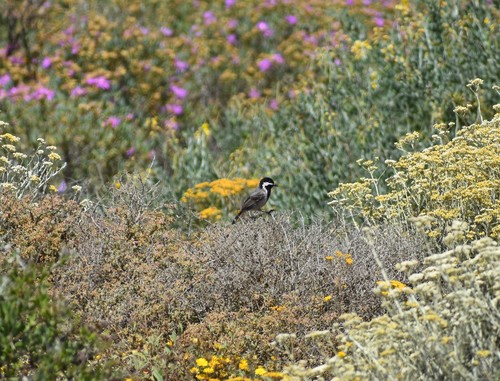
ハイイロガラ (Melaniparus afer) ハイイロガラ
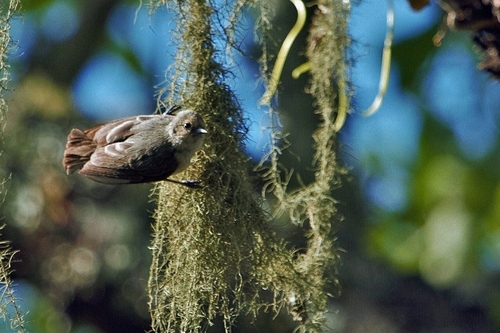
アフリカツリスガラ (Anthoscopus caroli) アフリカツリスガラ

メディア

読み込み中…

要点

ハイイロガラとアフリカツリスガラを区別する最も信頼できる方法は、全体的なサイズと構造です:ハイイロガラは明らかに大きく、頑丈で、より重いくちばしと典型的なガラのような姿勢を持っていますが、アフリカツリスガラは小さく、繊細で、よりウグイスのようです。両者は上面が灰色に見えることがありますが、ハイイロガラはガラ科の真のメンバーであり、より実質的でブロック状の体型を示します。一方、アフリカツリスガラははるかに小さく、より活発です。南アフリカの重複地域では、生息地と動きも役立ちます:ハイイロガラは乾燥した低木地帯と地中海型の植生を好み、アフリカツリスガラは乾燥または湿ったサバンナや開けた森林にいることが多いです。アカシアや開けた森林で非常に小さく、落ち着きのない鳥を見かけたら、それはおそらくツリスガラです;低木地帯でより大きく、しっかりした鳥はおそらくハイイロガラです。

識別のコツ

  1. サイズは最も迅速な区別要因:ハイイロガラはアフリカツリスガラよりもはるかに大きく、ずんぐりしています。もし鳥が小さく見えるなら、それはほぼ確実にツリスガラです。
  2. くちばしの形:ハイイロガラは強く、円錐形のガラのくちばしを持っています;アフリカツリスガラは細く、針のようなくちばしです。これは特に近距離や良い光の下で明らかです。
  3. 一般的な構造:ハイイロガラは頑丈で、広い胸と典型的なガラの姿勢を持っています。アフリカツリスガラは華奢で、小さな頭とより水平なウグイスのような姿勢を持っています。
  4. 行動:動きのスタイルに注意してください。ハイイロガラは慎重に動き、しばしば周囲を見渡します;アフリカツリスガラは非常に活発で、しばしば逆さまになったり、葉の間を素早く飛び回ったりします。
  5. 羽毛のコントラスト:ハイイロガラは通常、灰色の上面とより明るい下面の間に明確な区分を示し、時には暗い頭やビブを持っています。アフリカツリスガラはより均一に淡い灰色またはバフで、目立つ顔の模様がありません。
  6. 尾と翼の形:ハイイロガラは長い尾と広い翼を持っています;ツリスガラの尾は短く、翼は丸みを帯びており、ひらひらとした飛行をします。
  7. 生息地:乾燥した低木地帯やファインボスではハイイロガラを期待してください;開けた森林やサバンナ、特にアカシアがある場合はアフリカツリスガラを期待してください。
  8. 分布:レソトや南アフリカの外にいる場合、ほぼ確実にアフリカツリスガラです;ハイイロガラははるかに分布が制限されています。
  9. 群れのサイズ:ハイイロガラはしばしばペアや小さな群れで見られます;アフリカツリスガラは単独または小さな家族の群れでいることがあります。
  10. 巣の手がかり:もし細かく編まれた吊るされた巣を見かけたら、それはツリスガラです(迅速なフィールドマークではありませんが、役立つ文脈です)。
  11. 年齢特有の翼の模様の違いは強くない:両種は利用可能な情報源に基づいて、目立つ幼鳥や未熟な上翼のマークがないため、これを区別に頼らないでください。
  12. 顔の模様:ハイイロガラは特に成鳥では暗い顔やビブを示すことがあります;アフリカツリスガラの顔は平坦またはわずかに模様があります。
  13. 声:提供された情報源からは診断的ではありません;両者は高音の呼び声を出すことがありますが、これを区別に頼らないでください。
  14. 季節と性別:利用可能なメモに基づいて、どちらの種にもフィールドマークに強い季節的または性的な違いはありません。
  15. 落とし穴:全体的な灰色の色合いに惑わされないでください—フィールドで最も信頼できる識別のためにサイズ、くちばし、行動に焦点を当ててください。

大きさ

ハイイロガラはアフリカツリスガラよりもはるかに大きく、ずんぐりしています。ハイイロガラはサイズと形状において典型的なガラで、頑丈な体と強いくちばしを持っています。それに対して、アフリカツリスガラはアフリカの最小のスズメ目の一つであり、遠くからでも小さくて繊細に見えます。このサイズの差はフィールドで明らかで、特に両種が同じ地域で見られるときに顕著です。くちばしをよく見ると、ハイイロガラのくちばしはより厚く、円錐形であり、ツリスガラのくちばしは細く、尖っています。

羽色

情報源には詳細な年齢特有の翼の模様のメモがないため、全体的な色合いと模様に頼ってください。ハイイロガラは主に灰色の上面とより明るい下面を持ち、時には亜種や年齢によって暗い頭やビブを持ち、常に上面と下面の間にガラのようなコントラストがあります。アフリカツリスガラも上面が灰色がかっていますが、しばしばより淡く、顔のコントラストが少なく、より均一な外観を持っています;多くの真のガラの目立つ顔の模様やビブが欠けています。両者の幼鳥や未熟な羽毛は情報源で詳細に説明されていないため、若い鳥のために構造と動きに焦点を当ててください。飛行中、ハイイロガラはより頑丈で広い翼を持っているように見え、アフリカツリスガラはひらひらと軽やかで、短く丸い翼と短い尾を持っています。

行動

ハイイロガラは低木や低木の間を慎重に移動する傾向があり、しばしばペアや小さな群れで見られ、周囲を見渡すために一時停止することがあります。アフリカツリスガラははるかに落ち着きがなく、アクロバティックで、しばしば逆さまになったり、葉の間を素早く飛び回ったりし、非常に小さなウグイスやゴールドクレストを思わせます。ツリスガラはまた、複雑で吊るされた巣でも知られています(迅速な識別のためのフィールドマークではありませんが、見つけた場合の手がかりです)。

生息環境

ハイイロガラは主にレソトと南アフリカの乾燥した低木地帯と地中海型の植生に見られます。アフリカツリスガラはサハラ以南のアフリカ全体に広い範囲を持ち、乾燥した森林、乾燥および湿ったサバンナ、開けた森林に見られます。南アフリカでは、密な低木のファインボスやカルーにいる場合、ハイイロガラの可能性が高く、開けたアカシアの森林やサバンナではアフリカツリスガラがデフォルトです。両者は南アフリカで重複することがありますが、文脈が役立ちます。

より良い説明を送る

比較と同じ項目を使ってください。文章はすぐに公開されます。

The most reliable way to separate Grey Tit from African Penduline Tit is by overall size and structure: Grey Tit is noticeably larger and more robust, with a heavier bill and a typical tit-like stance, while African Penduline Tit is tiny, delicate, and more warbler-like. Both can appear greyish above, but the Grey Tit is a true member of the tit family and shows a more substantial, blocky build, whereas the African Penduline Tit is much smaller and more active. In overlapping areas of southern Africa, habitat and jizz are also helpful: Grey Tit favors drier shrubland and Mediterranean-type vegetation, while African Penduline Tit is more often in dry or moist savanna and open woodland. If you see a very small, restless bird in acacia or open woodland, it's likely the penduline tit; a larger, more solid bird in shrubby terrain is likely the Grey Tit.

  1. Size is the quickest separator: Grey Tit is much larger and chunkier than African Penduline Tit. If the bird looks tiny, it's almost certainly the penduline tit.
  2. Bill shape: Grey Tit has a strong, conical tit bill; African Penduline Tit has a fine, needle-like bill. This is especially obvious at close range or in good light.
  3. General structure: Grey Tit is robust with a broad chest and a typical tit stance. African Penduline Tit is dainty, with a small head and a more horizontal, warbler-like posture.
  4. Behavior: Watch for movement style. Grey Tit moves deliberately and often pauses; African Penduline Tit is hyperactive, often hanging upside down or flicking through foliage.
  5. Plumage contrast: Grey Tit usually shows a clear division between grey upperparts and paler underparts, sometimes with a darker head or bib. African Penduline Tit is more uniformly pale grey or buff, lacking bold facial markings.
  6. Tail and wing shape: Grey Tit has a longer tail and broader wings; Penduline Tit's tail is short, and wings are rounded, giving a fluttery flight.
  7. Habitat: In dry shrubland or fynbos, expect Grey Tit; in open woodland or savanna, especially with acacias, expect African Penduline Tit.
  8. Range: If outside Lesotho or South Africa, it's almost certainly African Penduline Tit; Grey Tit is much more range-restricted.
  9. Group size: Grey Tit is often in pairs or small groups; African Penduline Tit may be solitary or in tiny family parties.
  10. Nest clues: If you see a finely woven, hanging nest, that's a penduline tit (not a quick field mark, but useful context).
  11. No strong age-specific wing pattern differences: Both species lack bold juvenile or immature upperwing marks based on available sources, so don't rely on this for separation.
  12. Facial pattern: Grey Tit may show a darker face or bib, especially in adults; African Penduline Tit's face is plain or only subtly marked.
  13. Voice: Not diagnostic from the sources provided; both can give high-pitched calls, but don't rely on this for separation.
  14. Season and sex: No strong seasonal or sexual differences in field marks for either species based on available notes.
  15. Pitfalls: Don't be fooled by overall grey coloration—focus on size, bill, and behavior for the most reliable ID in the field.

Grey Tit is significantly larger and bulkier than African Penduline Tit. The Grey Tit is a typical tit in size and shape, with a robust body and strong bill. In contrast, African Penduline Tit is one of the smallest African passerines, appearing tiny and delicate even at a distance. This size gap is obvious in the field, especially when both species are seen in the same region. If you get a good look at the bill, the Grey Tit's is thicker and more conical, while the penduline tit's is fine and pointed.

There are no detailed age-specific wing pattern notes in the sources, so rely on overall coloration and pattern. Grey Tit is mostly grey above with paler underparts, sometimes with a darker head or bib depending on subspecies and age, always with a tit-like contrast between upperparts and underparts. African Penduline Tit is also greyish above but often paler, with a less contrasting face and a more uniform look; it lacks the bold facial markings or bib of many true tits. Juvenile and immature plumages for both are not described in detail in the sources, so focus on structure and jizz for young birds. In flight, Grey Tit appears more robust and broad-winged, while African Penduline Tit is fluttery and light, with shorter, rounder wings and a shorter tail.

Grey Tit tends to move methodically through shrubs and low trees, often in pairs or small groups, and may pause to scan surroundings. African Penduline Tit is much more restless and acrobatic, often hanging upside down or darting rapidly through foliage, reminiscent of a tiny warbler or goldcrest. Penduline Tits are also known for their intricate, hanging nests (not a field mark for quick ID, but a clue if you find one).

Grey Tit is mostly found in dry shrubland and Mediterranean-type vegetation in Lesotho and South Africa. African Penduline Tit has a much wider range across sub-Saharan Africa and is found in dry forests, dry and moist savanna, and open woodland. In southern Africa, if you are in dense, shrubby fynbos or karoo, Grey Tit is more likely; in open acacia woodland or savanna, African Penduline Tit is the default. Both can overlap in South Africa, but context helps.

変更を破棄しますか?

保存していない編集があります。今離れると失われます。

ハイイロガラ · アフリカツリスガラ · 苦手な鳥