

Motmot

ハイイロシギダチョウ 対 ズグロシギダチョウ

Tinamus tao 対 Crypturellus atrocapillus

ハイイロシギダチョウとズグロシギダチョウのクイズ
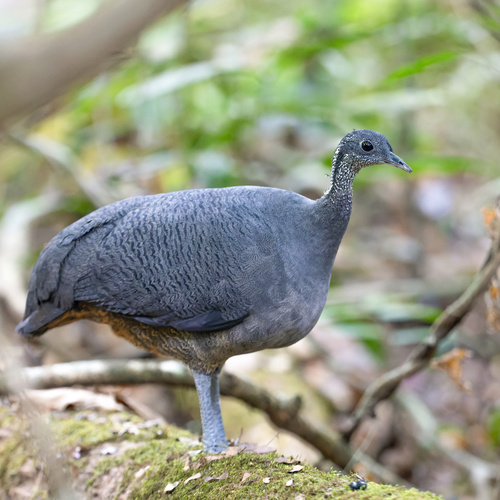
ハイイロシギダチョウ (Tinamus tao) ハイイロシギダチョウ
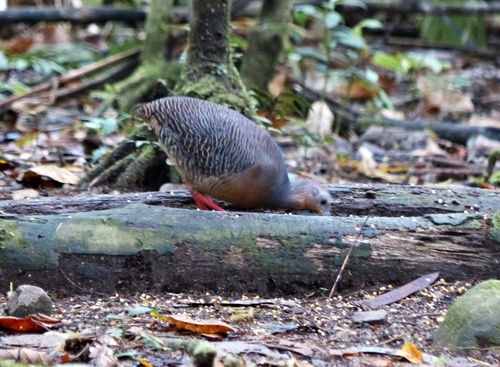
ズグロシギダチョウ (Crypturellus atrocapillus) ズグロシギダチョウ

メディア

読み込み中…

要点

フィールドでハイイロシギダチョウとズグロシギダチョウを区別する最も信頼できる方法は、全体的なサイズと構造です:ハイイロシギダチョウははるかに大きくてがっしりしており、ズグロシギダチョウは明らかに小さくてコンパクトです。一緒に見た場合、ハイイロシギダチョウは重い地上性の鳥に見えますが、ズグロシギダチョウはより繊細で、密な低地の森では見落とされる可能性が高いです。羽毛の違いは微妙で、距離があると判断が難しいですが、構造的な手がかりと生息環境の文脈は強力な助けになります。どちらの種も、利用可能な情報源で説明されている特定の年齢に特有の翼や飛行パターンはありませんので、サイズ、印象、文脈に焦点を当ててください。

識別のコツ

  1. サイズが最も信頼できるフィールドマークです: ハイイロシギダチョウはズグロシギダチョウよりもはるかに大きくて重いです。スケール感が良いときや、開けた地面で鳥を見るときにこれを利用してください。
  2. 構造と印象: ハイイロシギダチョウはがっしりとしていて重厚に見え、広い体と遅く慎重な動きがあります。ズグロシギダチョウは小さく、よりコンパクトで、より速くまたは敏捷に動くことがあります。
  3. 羽毛は強力な区別要因ではありません: 両種はカモフラージュのために暗色で色合いが似ています。ハイイロシギダチョウは一般的により均一な灰色ですが、ズグロシギダチョウは暗い帽子を持つことがありますが、これは強いコントラストのある特徴ではありません。
  4. 特定の幼鳥や未熟な翼のパターンは説明されていません: どちらの種の年齢特有のマークは情報源で言及されていないため、飛行や上翼のパターンに頼らないでください。
  5. 生息環境の文脈: 低地の湿った熱帯林ではズグロシギダチョウがより可能性が高いです。より広範な森林生息環境にいる場合は、特に鳥が大きく見える場合はハイイロシギダチョウを考慮してください。
  6. 行動: 両種は内気で地上性ですが、ハイイロシギダチョウはそのサイズのためにより遅く見え、すぐに飛び立つ可能性が低いです。ズグロシギダチョウは密なカバーの中でより逃げやすく、素早く動くかもしれません。
  7. 群れの文脈: 複数のシギダチョウが一緒に見え、その中の一羽が著しく大きい場合、それはおそらくハイイロシギダチョウです。ズグロシギダチョウはハイイロシギダチョウの体格には合いません。
  8. 音声は情報源で説明されていません: 地元の知識がない限り、音声に頼って区別しないでください。
  9. 性別と季節: どちらの種にも性的二形性や季節的な羽毛の変化は説明されていません;同定は年間を通じて、両性に対して同じです。
  10. 照明と距離: 照明が悪い場合や距離がある場合は、微妙な羽毛の違いよりもサイズと構造に頼ってください。
  11. 混乱のリスク: 不確かな場合は、常に鳥の見かけのサイズと生息環境を最初に記録してください。これらはこの2種の間で最も一貫した区別要因です。

大きさ

ハイイロシギダチョウはズグロシギダチョウよりもかなり大きくて重いです。ズグロシギダチョウの平均は約453グラムです [wikidata]。ハイイロシギダチョウは最大のシギダチョウの一つで、頑丈でがっしりした体型を持っていますが、ズグロシギダチョウははるかに小さくて軽く、よりコンパクトで丸みを帯びた外観です。著しく大きくて重そうなシギダチョウを見た場合、それはおそらくハイイロシギダチョウです;小さくてより繊細な鳥はズグロシギダチョウに適合します。

羽色

これらの種に関して年齢特有または上翼の飛行パターンの違いは、利用可能な情報源で説明されていません。両種は一般的に暗色で土色で、森林の床でのカモフラージュに適応しています。ハイイロシギダチョウはより均一な灰色の色合いを持つ傾向がありますが、ズグロシギダチョウの名前は暗い帽子を示唆していますが、これは大胆または非常に対照的な特徴として説明されていません。頭のパターンに微妙な違いが存在する可能性がありますが、情報源では詳細が記載されていません。照明が悪い場合や距離がある場合、羽毛だけでは区別が不確実です。

行動

両種は地上性で秘密主義的であり、飛ぶよりも歩いたり走ったりすることを好みます。ハイイロシギダチョウは大きいため、より重そうに見え、すぐに飛び立つ可能性が低いですが、ズグロシギダチョウは小さな鳥として、密な下草の中をより敏捷に動くかもしれません。両者とも長時間観察するのが難しく、しばしば凍りついたり、カバーの中に滑り込んだりします。

生息環境

ハイイロシギダチョウは南アメリカに自生し、さまざまな森林生息環境で見られますが、ズグロシギダチョウは特に亜熱帯および熱帯地域の湿った森林低地で一般的であるとされています [wikipedia]。低地の熱帯湿った森林にいる場合、ズグロシギダチョウがより可能性が高いです;ハイイロシギダチョウはより広範な森林タイプに出現する可能性があります。地元の豊富さも異なる場合があり、ズグロシギダチョウはその好ましい生息環境で期待されるシギダチョウです。

より良い説明を送る

比較と同じ項目を使ってください。文章はすぐに公開されます。

The most reliable way to separate Grey Tinamou from Black-capped Tinamou in the field is by overall size and structure: Grey Tinamou is much larger and bulkier, while Black-capped Tinamou is distinctly smaller and more compact. If seen together, Grey Tinamou will appear as a heavy, ground-dwelling bird, whereas Black-capped Tinamou is more delicate and likely to be overlooked in dense lowland forest. Plumage differences are subtle and can be hard to judge at a distance, but structural cues and habitat context are strong aids. Neither species has distinctive age-specific wing or flight patterns described in the available sources, so focus on size, jizz, and context.

  1. Size is the most reliable field mark: Grey Tinamou is much larger and heavier than Black-capped Tinamou. Use this when you have a good sense of scale or see the bird on open ground.
  2. Structure and jizz: Grey Tinamou appears robust and heavyset, with a broad body and slow, deliberate movements. Black-capped Tinamou is smaller, more compact, and may move more quickly or nimbly.
  3. Plumage is not a strong separator: Both species are cryptically colored for camouflage. Grey Tinamou is generally more uniformly grey, while Black-capped Tinamou may have a darker cap, but this is not a highly contrasting or always visible feature.
  4. No distinctive juvenile or immature wing patterns are described: Do not rely on flight or upperwing pattern for separation, as sources do not mention age-specific marks for either species.
  5. Habitat context: In lowland moist tropical forest, Black-capped Tinamou is more likely. If you are in a broader range of forested habitats, consider Grey Tinamou, especially if the bird appears large.
  6. Behavior: Both species are shy and ground-dwelling, but Grey Tinamou may appear slower and less likely to flush quickly due to its size. Black-capped Tinamou may be more elusive and quick through dense cover.
  7. Group context: If you see multiple tinamous together and one is notably larger, it is likely Grey Tinamou. Black-capped Tinamou will not match the bulk of Grey Tinamou.
  8. Vocalizations are not described in the sources: Do not rely on voice for separation unless you have local knowledge.
  9. Sex and season: No sexual dimorphism or seasonal plumage changes are described for either species; identification is the same year-round and for both sexes.
  10. Lighting and distance: In poor light or at a distance, rely on size and structure rather than subtle plumage differences.
  11. Confusion risk: If you are uncertain, always note the bird's apparent size and habitat first, as these are the most consistent separators between these two species.

Grey Tinamou is significantly larger and heavier than Black-capped Tinamou, which averages about 453 grams [wikidata]. The Grey Tinamou is among the largest tinamous, with a robust, heavyset build, while Black-capped Tinamou is much smaller and lighter, with a more compact, rounded appearance. If you see a tinamou that looks notably large and hefty, it is likely Grey Tinamou; a smaller, more delicate bird fits Black-capped Tinamou.

No age-specific or upperwing flight pattern differences are described for these species in the available sources. Both species are generally cryptic and earth-toned, adapted for camouflage on the forest floor. Grey Tinamou tends to have a more uniform greyish coloration, while Black-capped Tinamou's name hints at a darker cap, but this is not described as a bold or highly contrasting feature. Subtle differences in head pattern may exist, but are not detailed in the sources. In poor light or at a distance, plumage alone is unreliable for separation.

Both species are ground-dwelling and secretive, preferring to walk or run rather than fly. Grey Tinamou, being larger, may appear more ponderous and less likely to flush quickly, while Black-capped Tinamou, as a smaller bird, may move more nimbly through dense undergrowth. Both are difficult to observe for long periods, often freezing or slipping away into cover.

Grey Tinamou is native to South America and is found in a variety of forested habitats, while Black-capped Tinamou is specifically noted as common in moist forest lowlands of subtropical and tropical regions [wikipedia]. If you are in lowland tropical moist forest, Black-capped Tinamou is more likely; Grey Tinamou may occur in a broader range of forest types. Local abundance may also differ, with Black-capped Tinamou being the expected tinamou in its preferred habitat.

変更を破棄しますか?

保存していない編集があります。今離れると失われます。

ハイイロシギダチョウ · ズグロシギダチョウ · 苦手な鳥